3 Tips for Choosing Soil for Your Helichrysum 🥄
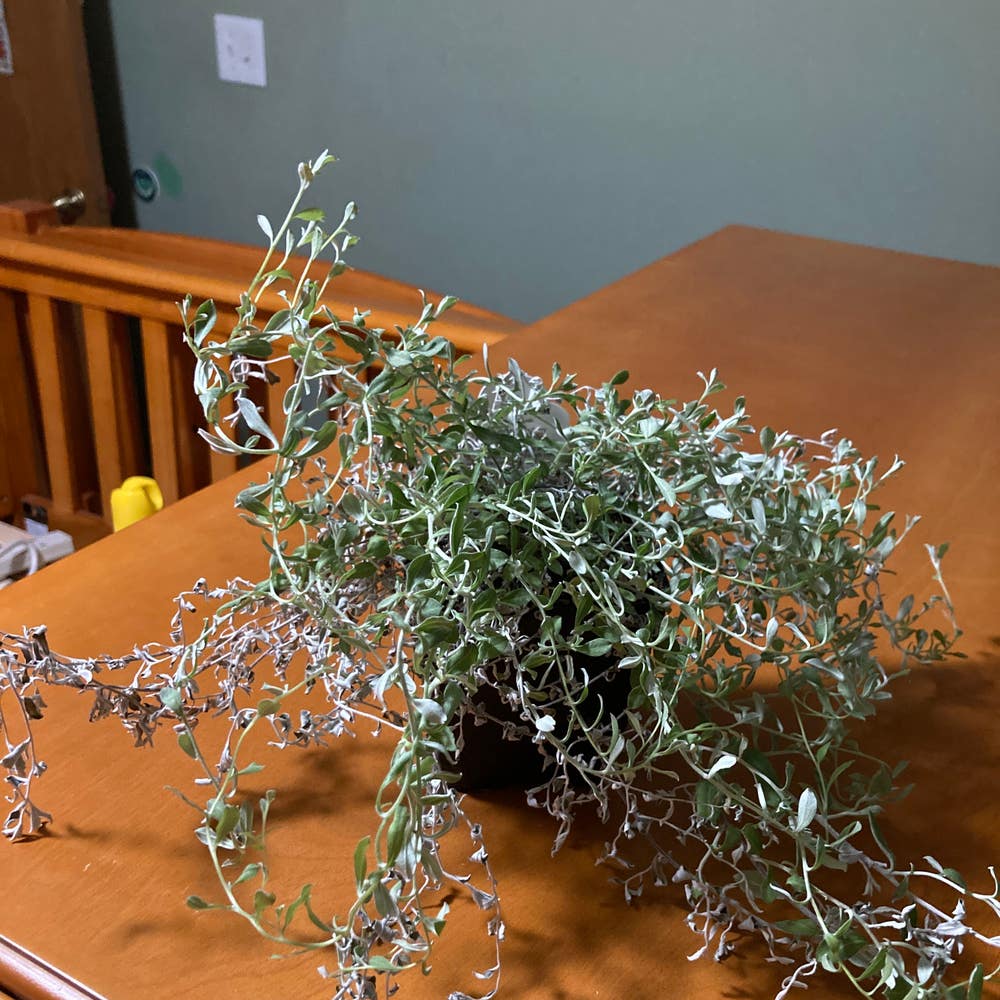
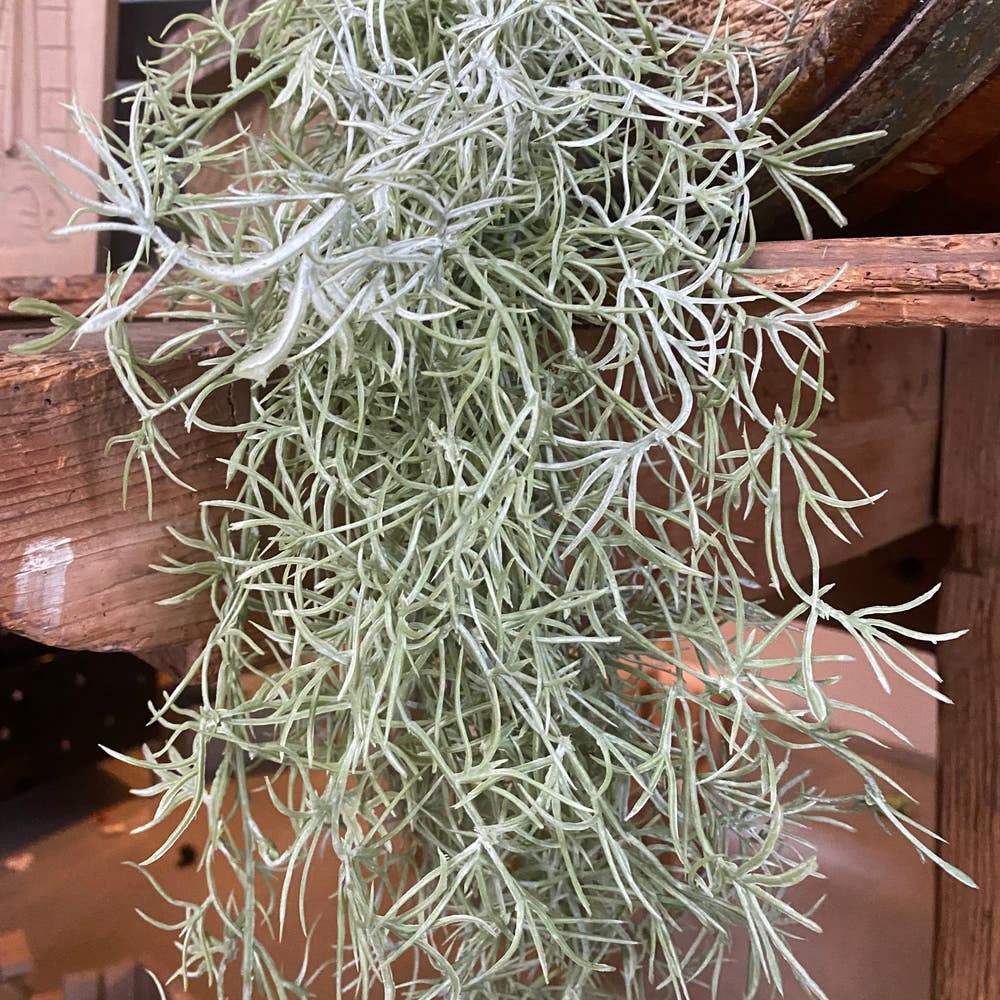
Helichrysum basalticum
By the Greg Editorial Team
Nov 07, 2024•4 min read
This article was created with the help of AI so we can cover more plants for you. May contain errors. See one? Report it here.
Revitalize your Helichrysum garden by mastering soil health for vibrant growth! 🌿
- 🌱 Healthy soil is crucial for Helichrysum; watch for pooling water and yellow leaves.
- ⚖️ Ideal soil pH for Helichrysum is 6.0-7.0; test with kits for accuracy.
- 🏡 Create a loose, gritty mix with potting soil, perlite, and compost for thriving plants.
Identifying Unhealthy Soil
🚩 Signs of Unhealthy Soil
Identifying unhealthy soil is crucial for the health of your Helichrysum. Look for visual indicators like water pooling on the surface, which suggests poor drainage.
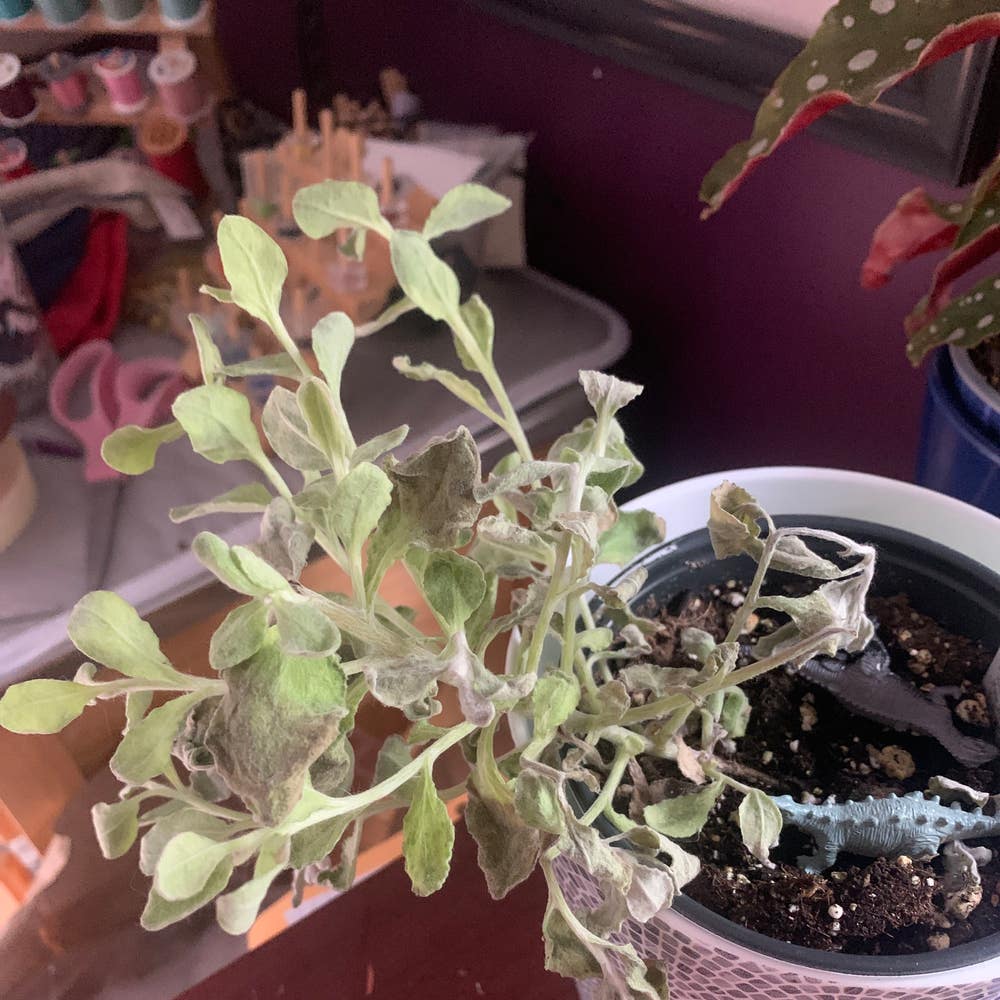
Another sign is yellowing leaves or wilting plants, even when you’re watering adequately. This can indicate that the roots are struggling to absorb nutrients.
🦠 How to Identify Moldy Soil
Moldy soil can be a significant issue for your plants. You’ll often see fuzzy white or green growth on the surface, which is a clear sign of mold.
Additionally, an unpleasant odor may arise, indicating anaerobic conditions that can harm your Helichrysum.
🛠️ Solutions for Unhealthy Soil Conditions
If you suspect your soil is unhealthy, take action quickly. Start by removing the affected soil and inspecting the roots for any signs of rot.
Next, replace the old soil with a fresh, well-draining mix to give your plants a fighting chance. Finally, adjust your watering schedule to prevent future issues and promote a healthier environment for your Helichrysum.
With these steps, you can ensure your soil supports vibrant growth and minimizes the risk of future problems.
Soil pH and Helichrysum
🌱 Ideal pH Range
For your Helichrysum to thrive, aim for a soil pH between 6.0 and 7.0. This range is crucial for optimal nutrient uptake, ensuring your plants receive the essential elements they need for robust growth.
When the pH strays outside this range, it can hinder Helichrysum's health, leading to nutrient deficiencies and stunted growth. Monitoring pH levels is a simple yet effective way to keep your plants flourishing.
🔍 How to Test Soil pH
Testing your soil's pH is straightforward and can be done using a couple of methods. One reliable option is a soil pH meter, which provides quick and accurate readings.
Alternatively, you can use DIY test kits available at most garden centers. These kits often include easy-to-follow instructions, making it accessible for any gardener.
⚖️ Adjusting Soil pH
If your soil pH needs adjusting, there are effective techniques to bring it back into the ideal range. To lower the pH, consider incorporating sulfur or peat moss into your soil mix.
Conversely, if you need to raise the pH, adding lime or wood ash can do the trick. Regularly checking and adjusting your soil pH will help maintain a healthy environment for your Helichrysum.
With the right pH balance, your plants will be set up for success, paving the way for the next steps in creating a thriving garden.
Creating a Homemade Soil Mix
Step-by-Step Guide to Making a Soil Mix 🌱
Creating the perfect soil mix for your Helichrysum is straightforward. Start by gathering your materials: combine 1 part potting soil, 1 part perlite or coarse sand, and if you like, add 1 part organic compost for a nutrient boost.
Mix these components thoroughly to ensure even distribution. This step is crucial for creating a balanced environment for your plants.
Next, test the drainage of your mix. Add water and observe how quickly it absorbs. This will help you determine if your mix is ready for planting.
Recommended Ingredients for Homemade Soil 🥬
The foundation of your soil mix should be high-quality potting soil. This provides essential nutrients and a good structure for your Helichrysum.
Incorporate perlite or pumice to enhance aeration. These materials help prevent compaction, allowing roots to breathe and grow.
Coarse sand is another key ingredient for improved drainage. It ensures that excess water flows away, reducing the risk of root rot.
Tips for Achieving the Right Texture and Drainage 💧
Texture is vital for a successful soil mix. Aim for a gritty, loose consistency that promotes healthy root development.
To ensure your mix has the right drainage, conduct a water test. This simple step will confirm that water is absorbed quickly without pooling on the surface.
By following these guidelines, you'll create a homemade soil mix that supports vibrant Helichrysum growth. Now, let’s explore common soil problems and how to solve them effectively.
Common Soil Problems and Solutions
💧 Overwatering and Its Effects
Overwatering is a common issue that can wreak havoc on your Helichrysum plants. Look for signs like mushy roots and a foul smell, which indicate root rot, as well as leaf drop and yellowing leaves.
🌱 Nutrient Deficiencies
Nutrient deficiencies can also hinder your plants' growth. Yellowing leaves and stunted growth often signal a nitrogen deficiency, while poor flowering and root development may indicate a lack of phosphorus.
🛠️ How to Amend Soil for Better Health
To improve soil health, consider incorporating slow-release fertilizers tailored to Helichrysum's needs. Additionally, regularly check and adjust the soil's texture and drainage properties to ensure optimal growing conditions.
By addressing these common soil problems, you can create a thriving environment for your Helichrysum plants. Next, let’s explore how to create a homemade soil mix that supports their growth.
⚠️ Safety First
This content is for general information and may contain errors, omissions, or outdated details. It is not medical, veterinary advice, or an endorsement of therapeutic claims.
Always consult a qualified healthcare professional before using any plant as food, medicine, or supplement.
Never eat any plant (or feed one to pets) without confirming its identity with at least two trusted sources.
If you suspect poisoning, call Poison Control (800) 222-1222, the Pet Poison Helpline (800) 213-6680, or your local emergency service immediately.
Spotted an error? Please report it here.
Ensure your Helichrysum thrives in perfect soil conditions 🌱 by using Greg's tailored tips for soil health and pH monitoring to keep your plants vibrant and flourishing!