🌞 7 Tips for Growing Helichrysum Outdoors
Helichrysum basalticum
By the Greg Editorial Team
Nov 07, 2024•5 min read
This article was created with the help of AI so we can cover more plants for you. May contain errors. See one? Report it here.
Cultivate stunning Helichrysum blooms with these essential outdoor care tips! 🌼
- ☀️ Helichrysum needs 6-8 hours of sunlight daily for optimal growth and flowering.
- 💧 Water only when soil is dry to prevent root rot and wilting.
- 🌱 Use well-draining soil with pH 6.0-7.5 for best results in Helichrysum care.
Outdoor Care Requirements
🌞 Sunlight Needs
Helichrysum thrives in full sun, requiring 6 to 8 hours of direct sunlight daily. Insufficient sunlight can lead to stunted growth and fewer flowers, so ensure your plants bask in the sun.
💧 Watering Requirements and Techniques
Water your Helichrysum only when the soil has dried out completely. Deep watering techniques are essential to encourage robust root growth, while signs of overwatering include yellowing leaves and root rot, whereas underwatering may cause wilting.
🌱 Soil Preferences and Amendments
These plants prefer well-draining sandy or loamy soil, with a pH range of 6.0 to 7.5. To enhance drainage, consider adding perlite or sand to your soil mix.
🪴 Planting Options
Benefits of Planting in Containers
Planting Helichrysum in containers offers flexibility in placement and mobility. It also allows for easier control of soil quality and drainage, making it ideal for small spaces and urban gardening.
Advantages of Planting in the Ground
When planted in the ground, Helichrysum has better access to nutrients and moisture. This natural growth environment often leads to larger plants that are more resilient over time.
Considerations for Choosing the Right Method
Assess your available space and garden design before deciding on a planting method. Additionally, evaluate your local climate conditions and microclimates, and consider the growth habits of specific Helichrysum varieties to make the best choice.
With these outdoor care requirements in mind, you’re well on your way to cultivating a thriving Helichrysum garden. Next, let’s explore how to protect your plants from environmental factors.
Protection from Environmental Factors
🌦️ Weather Protection Strategies
Helichrysum plants thrive best when shielded from extreme weather conditions. To protect them from intense heat, consider using row covers or mulch, which can help regulate soil temperature and retain moisture.
In colder climates, these same techniques can prevent frost damage. Additionally, establishing windbreaks with taller plants or structures can safeguard your Helichrysum from harsh winds, ensuring they remain healthy and vibrant.
🐛 Common Outdoor Pests and Management
Outdoor pests can pose a significant threat to your Helichrysum. Common culprits include aphids, spider mites, and whiteflies, which can quickly damage your plants if left unchecked.
To combat these pests naturally, introduce beneficial insects like ladybugs or use insecticidal soap. Regular monitoring is crucial; catching infestations early can save your plants from severe damage.
🦠 Diseases and Prevention Methods
Diseases such as root rot and powdery mildew can hinder the growth of Helichrysum. To prevent these issues, ensure proper watering techniques and maintain good air circulation around your plants.
Be vigilant for signs of disease, such as wilting leaves or unusual spots. Early intervention is key; addressing problems promptly can help keep your Helichrysum thriving and beautiful.
With these protective measures in place, your Helichrysum will be better equipped to flourish outdoors. Next, let's explore how seasonal changes impact their care and growth.
Seasonal Care
Seasonal Changes and Their Impact 🌦️
Understanding seasonal changes is crucial for the health of your Helichrysum plants. Temperature fluctuations and varying light conditions directly influence their growth cycles.
Adjust your care routines as the seasons shift. For instance, during longer days in summer, your plants may require more water and nutrients compared to the cooler months.
Winter Care Tips for Different Climate Zones ❄️
In colder climates, protecting your Helichrysum is essential. Mulching around the base can insulate roots, while bringing container plants indoors shields them from frost.
For warmer zones, consider how to overwinter your plants effectively. They may need less water and should be monitored for pests that thrive in milder conditions.
Spring and Summer Maintenance Practices 🌸
As spring arrives, focus on pruning and deadheading to encourage new growth. This simple practice not only keeps your plants tidy but also promotes continuous blooming.
During peak growth in summer, establish a regular watering and fertilization schedule. This ensures your Helichrysum thrives, showcasing vibrant colors and robust health throughout the season.
Transitioning to the next section, let’s explore advanced care techniques that will further enhance your gardening experience.
Advanced Care Techniques
Pruning and Deadheading 🌿
Pruning is essential for maintaining the health and shape of your helichrysum plants. The best time to prune is in early spring, just before new growth begins, allowing you to remove any dead or damaged stems.
Deadheading, or removing spent flowers, encourages continuous blooming. This practice not only keeps your plants looking tidy but also promotes more vibrant and abundant flowers throughout the growing season.
Propagation Methods 🌱
Seed propagation is a rewarding way to expand your helichrysum collection. Start seeds indoors about 6-8 weeks before the last frost, using a seed-starting mix to ensure optimal germination.
For those looking to propagate from cuttings, take 4-6 inch stem cuttings in late spring. Remove the lower leaves, dip the cut end in rooting hormone, and plant in a well-draining medium. Keep the soil moist and provide indirect light until roots develop.
Troubleshooting Common Issues 🐛
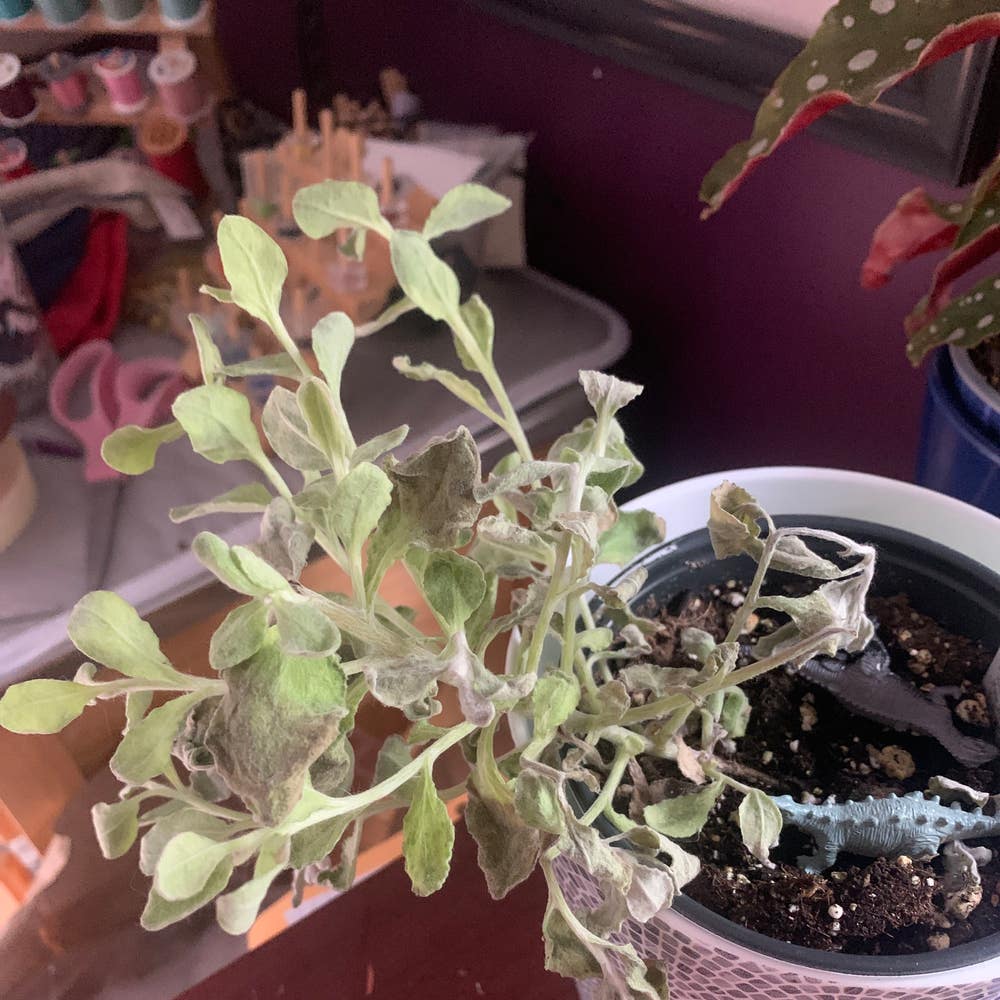
Identifying nutrient deficiencies is crucial for healthy growth. Yellowing leaves may indicate a nitrogen deficiency, while browning leaf tips can signal a lack of potassium.
If you encounter stunted growth or poor flowering, check for pests or diseases. Regular monitoring and prompt action can help you address these issues before they escalate, ensuring your helichrysum thrives.
With these advanced care techniques, your helichrysum plants will flourish, providing vibrant blooms and a touch of beauty to your outdoor space. Next, let’s explore seasonal care to keep your plants thriving throughout the year.
⚠️ Safety First
This content is for general information and may contain errors, omissions, or outdated details. It is not medical, veterinary advice, or an endorsement of therapeutic claims.
Always consult a qualified healthcare professional before using any plant as food, medicine, or supplement.
Never eat any plant (or feed one to pets) without confirming its identity with at least two trusted sources.
If you suspect poisoning, call Poison Control (800) 222-1222, the Pet Poison Helpline (800) 213-6680, or your local emergency service immediately.
Spotted an error? Please report it here.
Transform your Helichrysum into a vibrant garden star 🌼 with Greg's personalized care tips and watering reminders that keep your plants thriving all season long!