🌼 Cutting Back Helichrysum Effectively
Helichrysum basalticum
By the Greg Editorial Team
Nov 07, 2024•6 min read
This article was created with the help of AI so we can cover more plants for you. May contain errors. See one? Report it here.
Unlock vibrant blooms and lush growth for your Helichrysum with these essential pruning tips! 🌼✂️
- ✂️ Pruning Helichrysum boosts health, promoting bushier growth and vibrant blooms.
- 🌱 Best time to prune is spring after frost for vigorous new growth.
- 🌼 Regular deadheading every 2-3 weeks extends blooming and enhances garden vitality.
Importance of Pruning for Plant Health and Aesthetics
Pruning is essential for maintaining the health and beauty of your Helichrysum plants. By cutting back these vibrant blooms, you enhance their flowering potential, encouraging bushier growth that results in a more abundant display.
✂️ Preventing Legginess
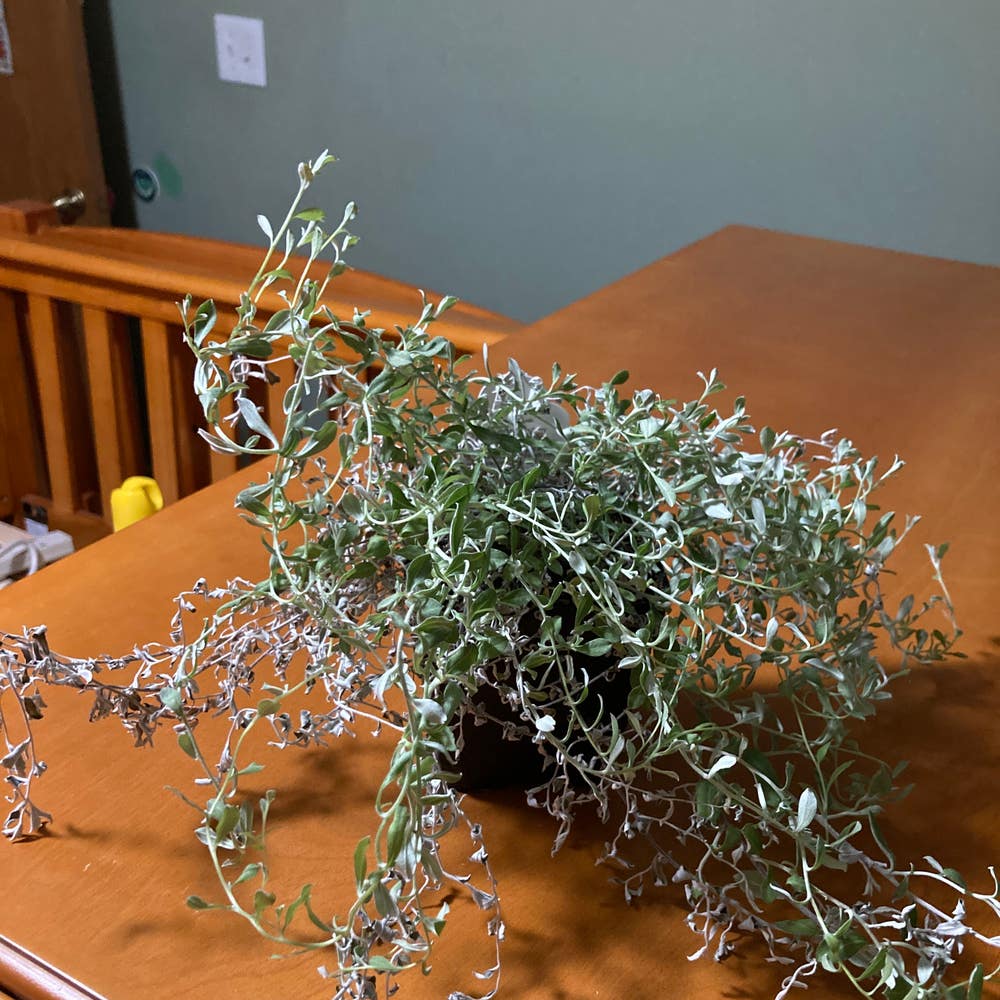
One of the primary benefits of pruning is preventing legginess. Regularly trimming your Helichrysum helps maintain a compact shape, ensuring that the plant looks full and lush rather than sparse and stretched out.
🌬️ Improving Air Circulation
Another critical aspect of pruning is improving air circulation. By removing excess foliage, you reduce the risk of disease, allowing your plants to thrive in a healthier environment. This simple practice can make a significant difference in the overall vitality of your garden.
Incorporating these pruning techniques not only boosts the aesthetic appeal of your Helichrysum but also supports their long-term health. As you prepare to learn about the best times to prune, remember that timing is just as crucial as the act itself.
When to Prune
🌱 Seasonal Timing for Pruning
Timing is everything when it comes to pruning Helichrysum. The best time to cut back is in spring, right after the last frost, which sets the stage for vibrant new growth. Alternatively, fall is ideal for light pruning, helping the plant prepare for its winter dormancy.
🔍 Signs That Indicate When to Cut Back
Knowing when to prune is crucial for maintaining a healthy plant. In spring, look for signs like new growth emerging at the base and faded or dead flowers from the previous season. For fall, indicators include leaves turning yellow or brown and an overall appearance of being overgrown or leggy.
📅 Effects of Pruning at Different Times of the Year
Pruning in spring can lead to vigorous growth and a burst of blooms, making your Helichrysum thrive. On the other hand, fall pruning helps the plant conserve energy during dormancy and reduces the risk of winter damage, ensuring it comes back strong in the spring.
With a clear understanding of when to prune, you can set your Helichrysum up for success. Next, let’s dive into the practical steps for cutting back this resilient plant effectively.
How to Cut Back Helichrysum
✂️ Step-by-Step Guide to Cutting Back
Cutting back your Helichrysum is essential for its health and aesthetics. Start by assessing the plant's overall health and growth to determine its needs.
Next, identify areas that require pruning, such as leggy stems and dead flowers. This will help you focus your efforts effectively.
Make clean cuts just above a leaf node or healthy growth. This encourages new growth and keeps the plant looking tidy.
Finally, remove any dead or damaged stems entirely. This not only improves appearance but also prevents disease.
🌿 Techniques for Shaping and Maintaining Size
Shaping your Helichrysum can enhance its bushiness and overall form. One effective technique is pinching back the tips of the stems, which encourages denser growth.
You can also cut back the plant to your desired height for a more compact appearance. This method helps maintain a balanced shape and promotes healthy flowering.
⚠️ Tips for Avoiding Common Pruning Mistakes
Pruning can be tricky, so here are some tips to avoid common pitfalls. First, avoid cutting too much at once; aim to remove no more than one-third of the plant.
Ensure your tools are sharp to prevent tearing, which can harm the plant. Dull tools can lead to ragged cuts that invite disease.
Lastly, avoid pruning during extreme weather conditions, whether it's heat or frost. This helps protect your plant from unnecessary stress and damage.
With these techniques and tips, you can confidently cut back your Helichrysum, ensuring it thrives and flourishes. Next, let’s explore the art of deadheading to keep those blooms coming!
Deadheading Helichrysum
🌼 Explanation of Deadheading and Its Benefits
Deadheading is the process of removing spent flowers from your Helichrysum plants. This simple act not only promotes new blooms but also keHelichrysumrden looking fresh and vibrant.
- Extends the flowering period: By deadheading, you encourage the plant to produce more flowers instead of going to seed.
- Prevents seed formation: This keeps the energy focused onleggy growthesulting iair circulationul display throughout the season.
✂️ Step-by-Step Instructions for Deadheading
To effectively deadhead your Helichrysum, follow these straightforward steps:
- Identify spent flowers: Look for flowers that have faded or dried out.
- Use sharp pruning shears: Cut the stem just above the first set of healthy leaves to encourage new growth.
- Dispose of dead flowers: Proper disposal helps prevent disease and keeps your garden tidy.
⏰ Timing and Frequency of Deadheading fonew growthBlooms
For the best results, deadhead your Helichrysum every 2-3 weeks during the blooming season.
- Best time to deadhead: Early morning opestse afternoon is idspider miteser temperatures reduce stress on the plant.
By incorporating these infestation practices, you’ll ensure yourinsecticidal soapins lush and full of life. This not only enhances the beauty of your garden but also fosters a sense of accomplishment as yoroot rote your plants.
Nextwilting explore common problems and solutionsoillated to pruning, ensuring yowatering practicesey remains smooth and rewarding.
Common Problems and Solutions Related to Pruning
🪴 Issues That May Arise from Improper Pruning
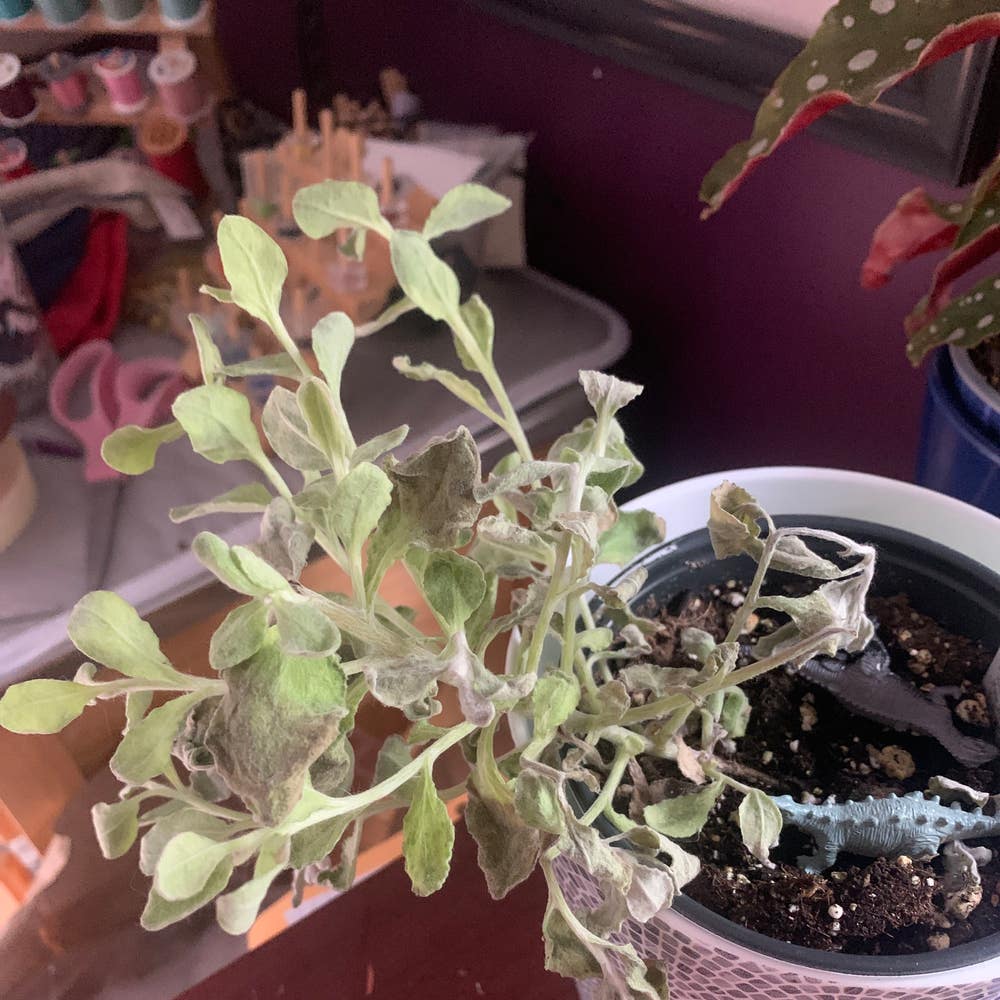
Pruning can be a double-edged sword. Over-pruning can lead to stunted growth and reduced flowering, leaving your Helichrysum looking less than its best.
To remedy this, allow the plant to recover naturally for a season. Avoid heavy pruning in the future to give it a chance to bounce back.
On the flip side, under-pruning can result in leggy growth and poor air circulation. This not only affects the plant's appearance but can also lead to health issues.
Implementing a regular pruning schedule can help maintain the desired shape and vigor of your Helichrysum.
✂️ How to Address Over-Pruning or Under-Pruning
If you've over-pruned, the best approach is to step back and let the plant grow freely for a season. This will help it regain strength and fullness.
For under-pruning, take a gradual approach. Prune back overgrown areas slowly to encourage new growth without shocking the plant.
🐛 Identifying and Solving Pest or Disease Problems Post-Pruning
After pruning, keep an eye out for common pests like aphids and spider mites. Signs include yellowing leaves and webbing, which can indicate an infestation.
To tackle these pests, use insecticidal soap or neem oil as preventive measures. Regular monitoring can help catch issues early.
Diseases can also arise, particularly root rot, which manifests as wilting and yellowing leaves.
Ensure your soil drains well and adjust your watering practices to prevent this issue. A little attention goes a long way in keeping your Helichrysum healthy and thriving.
With these insights, you're well-equipped to handle common pruning challenges. Next, let’s explore the art of deadheading to keep your plants blooming beautifully.
⚠️ Safety First
This content is for general information and may contain errors, omissions, or outdated details. It is not medical, veterinary advice, or an endorsement of therapeutic claims.
Always consult a qualified healthcare professional before using any plant as food, medicine, or supplement.
Never eat any plant (or feed one to pets) without confirming its identity with at least two trusted sources.
If you suspect poisoning, call Poison Control (800) 222-1222, the Pet Poison Helpline (800) 213-6680, or your local emergency service immediately.
Spotted an error? Please report it here.
Transform your Helichrysum into a blooming masterpiece 🌸 with Greg's tailored pruning reminders and expert tips that keep your garden thriving!