🔍 What to Do About Black Spots on Your Helichrysum
Helichrysum basalticum
By the Greg Editorial Team
Nov 07, 2024•6 min read
This article was created with the help of AI so we can cover more plants for you. May contain errors. See one? Report it here.
Revive your Helichrysum and banish black spots with these essential diagnosis and treatment tips! 🌿
- 🌱 Black spots on Helichrysum stem from fungal, bacterial infections, or pests.
- 🔍 Identify the type of spots for effective treatment; fungal spots spread rapidly.
- 🌞 Ensure 6-8 hours of sunlight and good air circulation to prevent issues.
Causes of Black Spots
🦠 Fungal Infections and Their Impact
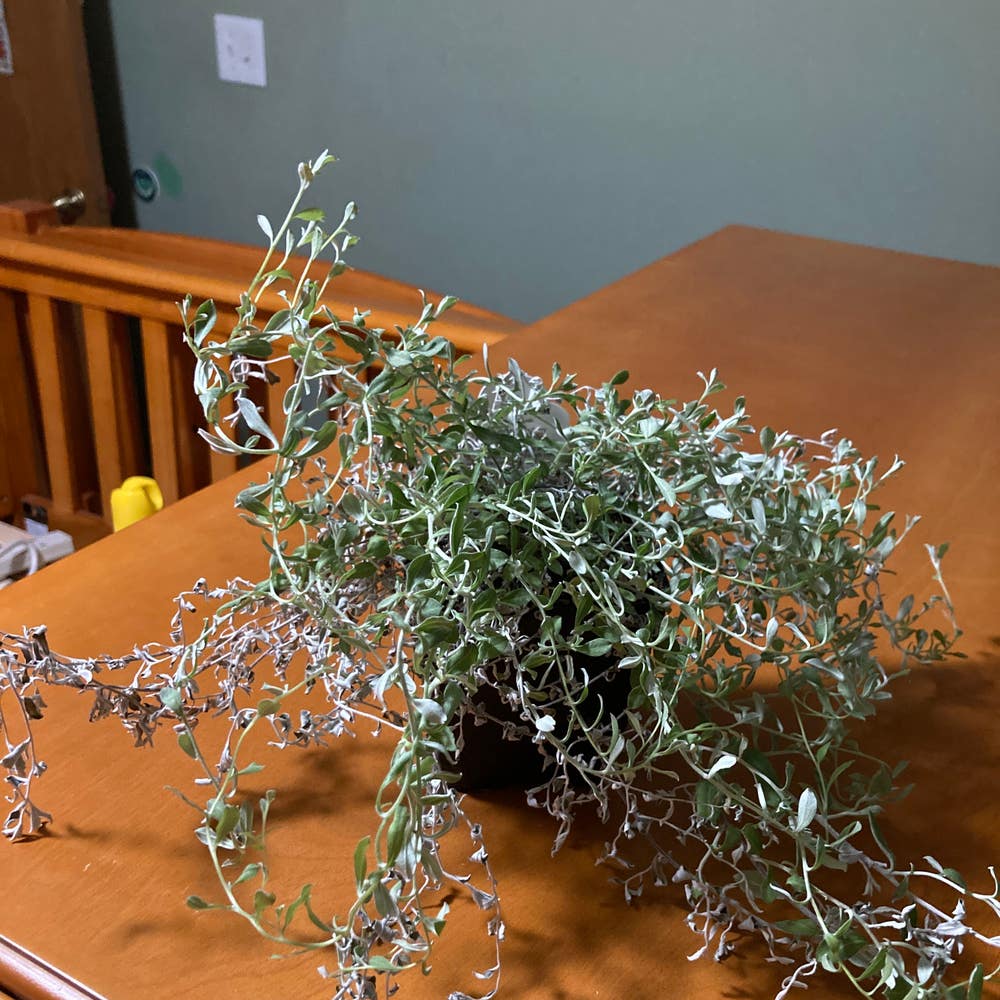
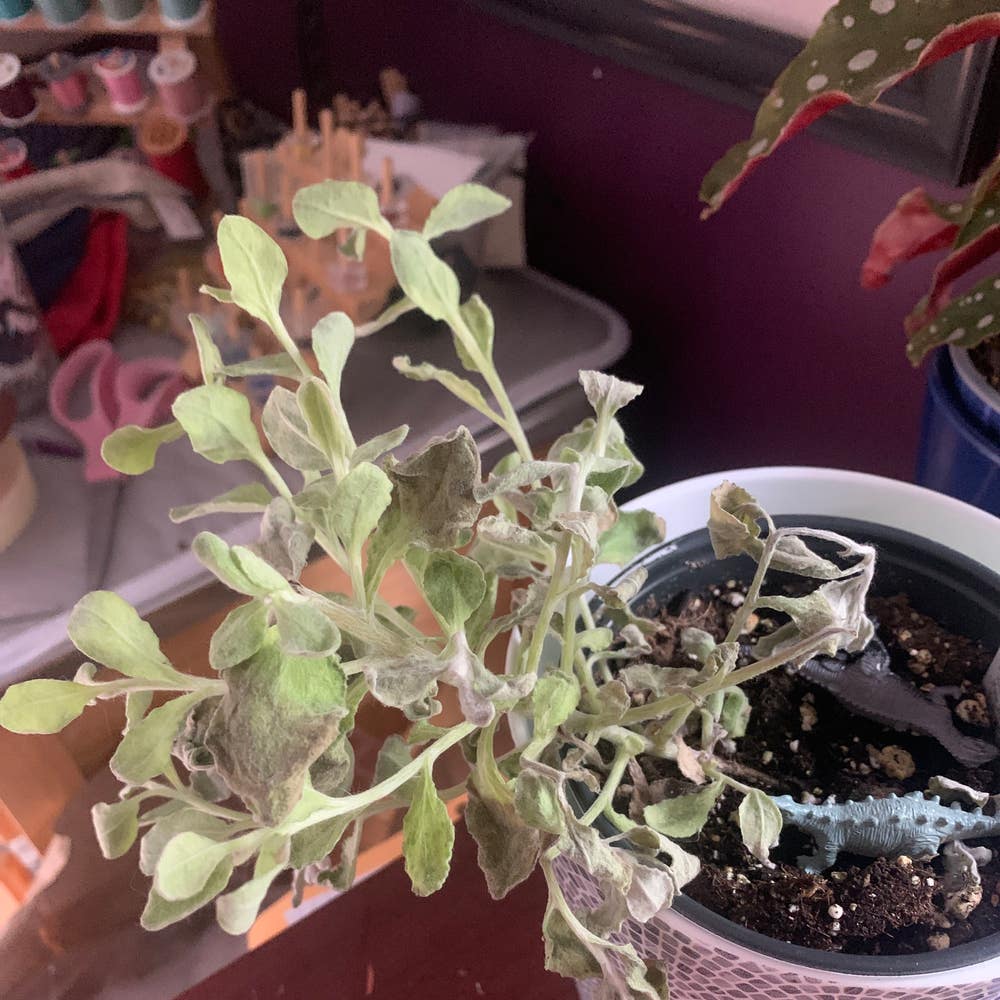
Black spots on your Helichrysum can often be traced back to fungal infections. Two common culprits are leaf spot disease, which manifests as dark, water-soaked spots that expand, and powdery mildew, characterized by a white powdery growth that can lead to black spots as it progresses.
Fungal growth thrives under specific conditions. High humidity levels and poor air circulation create a perfect storm for these pathogens. Additionally, overwatering and poorly drained soil can exacerbate the problem, making your plants more susceptible to infection.
🦠 Bacterial Infections and Symptoms
Bacterial infections can also lead to unsightly black spots. The telltale sign of bacterial leaf spot is water-soaked lesions that eventually turn dark, often surrounded by a yellow halo. These infections typically arise from contaminated tools or water, emphasizing the importance of cleanliness in your gardening practices.
🐛 Pest Infestations Contributing to Leaf Spots
Pests can play a significant role in the development of black spots on Helichrysum. Aphids are notorious for causing leaf curling and black spots due to their honeydew secretion, which can attract sooty mold.
Spider mites are another concern, leaving fine webbing and stippling on leaves that leads to stress and, ultimately, black spots. To identify pest damage, look for signs of infestation such as discoloration, webbing, or the presence of visible insects. Regular inspections can help catch these issues early, ensuring your plants remain healthy and vibrant.
Understanding these causes is crucial for effective treatment and prevention. With this knowledge, you can take proactive steps to protect your Helichrysum from black spots and maintain its beauty.
Diagnosing Black Spots
🕵️♂️ Identifying the Type of Black Spots
When it comes to diagnosing black spots on your Helichrysum, distinguishing between fungal and bacterial infections is crucial.
- Fungal spots typically appear as dark, irregular shapes that can spread rapidly across the leaves.
- In contrast, bacterial spots often present as water-soaked lesions with a yellow halo around them.
Understanding these characteristics will help you take the right steps toward treatment.
🐛 Recognizing Signs of Pest Damage
Pest infestations can also lead to unsightly black spots on your plants.
- Look for stippling or discoloration on the leaves, which indicates damage from pests.
- Additionally, the presence of pests or their droppings can signal an infestation that needs immediate attention.
Regular inspections will help you catch these issues early, ensuring your Helichrysum remains healthy and vibrant.
With a clear understanding of how to identify black spots and pest damage, you're now equipped to move on to effective treatment options.
Treatment Options
🌱 Organic Fungicides for Helichrysum
When dealing with black spots on your Helichrysum, organic fungicides can be a great first line of defense. Neem oil is particularly effective against various fungal infections, while sulfur-based fungicides are safe for organic gardening.
To apply these treatments, spray the affected areas every 7-14 days until you notice improvement. Consistency is key for effective results.
⚗️ Chemical Treatments and Their Application
If organic options don't yield the desired results, consider chemical fungicides. Systemic fungicides are absorbed by the plant, targeting internal infections effectively.
Always follow the label instructions for dosage and frequency to ensure safe and effective application. This will help you avoid any potential harm to your plant.
🏠 Home Remedies for Black Spots
For those who prefer DIY solutions, several home remedies can help combat black spots. A simple baking soda solution can be made by mixing 1 tablespoon of baking soda with water and spraying it on the affected leaves.
Another effective remedy is a milk spray. Dilute milk with water in a 1:2 ratio and apply it to the leaves to help fight off fungal growth. These remedies are easy to prepare and can be quite effective.
✂️ Pruning Affected Leaves and Proper Disposal
Pruning is an essential step in managing black spots on your Helichrysum. Start by using clean, sharp pruning shears to minimize the risk of spreading infections.
Follow these steps for effective pruning:
- Remove all affected leaves, cutting at the base.
- Dispose of leaves in a sealed bag to prevent spreading.
This not only helps your plant recover but also keeps your garden healthy.
By exploring these treatment options, you can effectively manage black spots on your Helichrysum and promote its overall health. Next, let’s dive into preventive measures to keep your plants thriving and disease-free.
Preventive Measures
Best Practices for Helichrysum Care 🌞
To keep your Helichrysum thriving, ensure it receives full sun for 6-8 hours daily. Regularly monitor soil moisture levels to prevent stress, as both overwatering and underwatering can lead to black spots.
Soil and Drainage Recommendations 🚰
Using well-draining soil mixes, such as sandy loam, is crucial for healthy Helichrysum. Consider adding perlite or sand to improve drainage, which helps avoid waterlogged conditions that can foster disease.
Ideal Watering Techniques to Avoid Stress 💧
Water your Helichrysum early in the morning to reduce evaporation and minimize the risk of fungal growth. Additionally, avoid watering the leaves directly to keep moisture retention at bay.
Regular Inspection for Pests and Diseases 🔍
Make it a habit to check your plants weekly for early signs of pests or diseases. Look for discoloration, spots, or any visible pests to catch issues before they escalate.
Seasonal Care Tips to Maintain Plant Health 🍂
Adjust your care routine based on the seasons. In winter, reduce watering frequency to prevent root rot, while in summer, ensure your plants are adequately hydrated without causing waterlogging.
By implementing these preventive measures, you can significantly enhance the health of your Helichrysum and reduce the likelihood of black spots. Next, let’s explore post-treatment care to ensure your plants bounce back effectively.
Post-Treatment Care
Monitoring Recovery After Treatment 🌱
After treating your Helichrysum, keep an eye out for signs of recovery. Look for new growth emerging from healthy stems and a noticeable reduction in black spots, indicating improved overall leaf health.
Adjusting Care Routine Based on Plant Response 🔄
As your plant begins to bounce back, tailor your care routine to its needs. If you notice leggy growth, consider increasing sunlight exposure; conversely, adjust your watering practices if the soil remains too wet or too dry.
Long-Term Strategies for Maintaining Healthy Helichrysum 🌿
To ensure your Helichrysum thrives long-term, implement a consistent care routine. Regularly fertilize during the growing season to support robust health and maintain good air circulation around your plants to prevent future fungal issues.
By staying proactive and attentive, you can cultivate a vibrant Helichrysum that not only survives but flourishes. This ongoing commitment to care will help you enjoy the beauty of your plants for years to come.
⚠️ Safety First
This content is for general information and may contain errors, omissions, or outdated details. It is not medical, veterinary advice, or an endorsement of therapeutic claims.
Always consult a qualified healthcare professional before using any plant as food, medicine, or supplement.
Never eat any plant (or feed one to pets) without confirming its identity with at least two trusted sources.
If you suspect poisoning, call Poison Control (800) 222-1222, the Pet Poison Helpline (800) 213-6680, or your local emergency service immediately.
Spotted an error? Please report it here.
Combat those black spots on your Helichrysum and keep it thriving 🌱 with Greg's tailored care reminders and community tips for a vibrant, healthy plant!