Ultimate Guide to Fixing Dropping Leaves on Helichrysum 💧
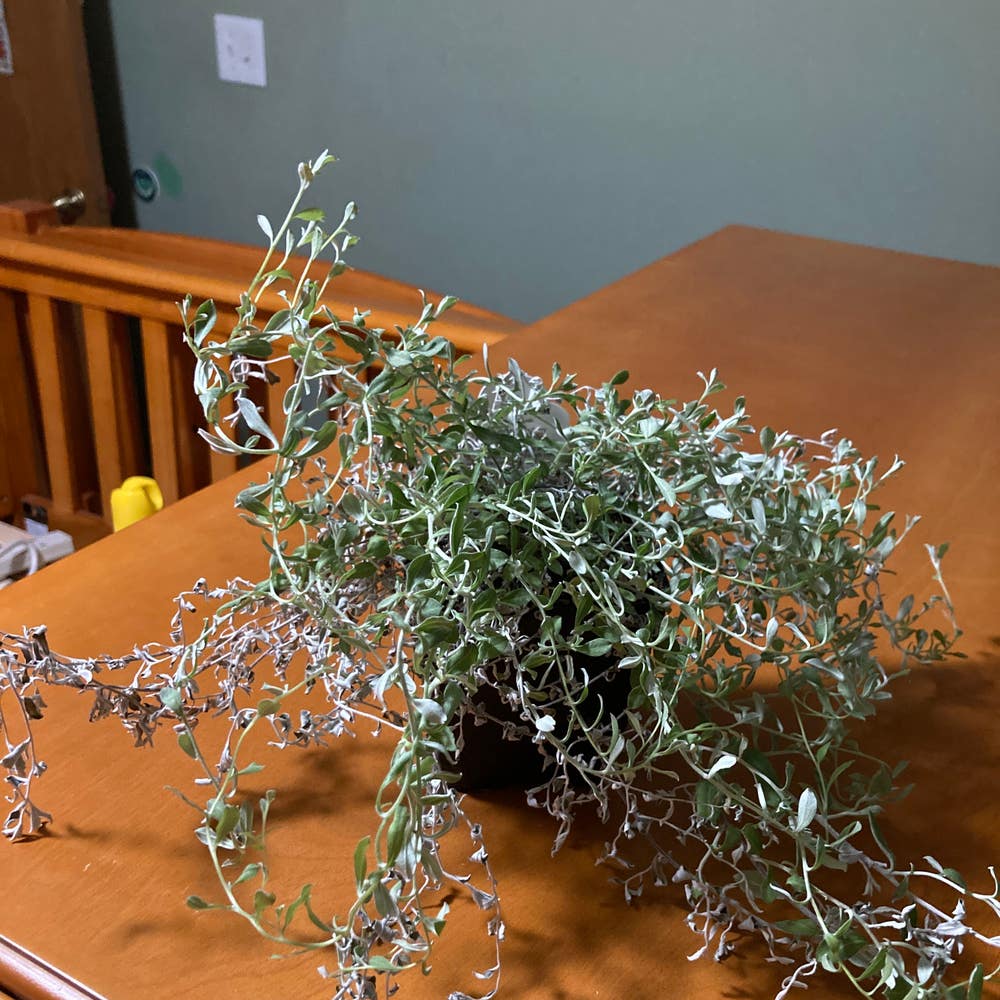
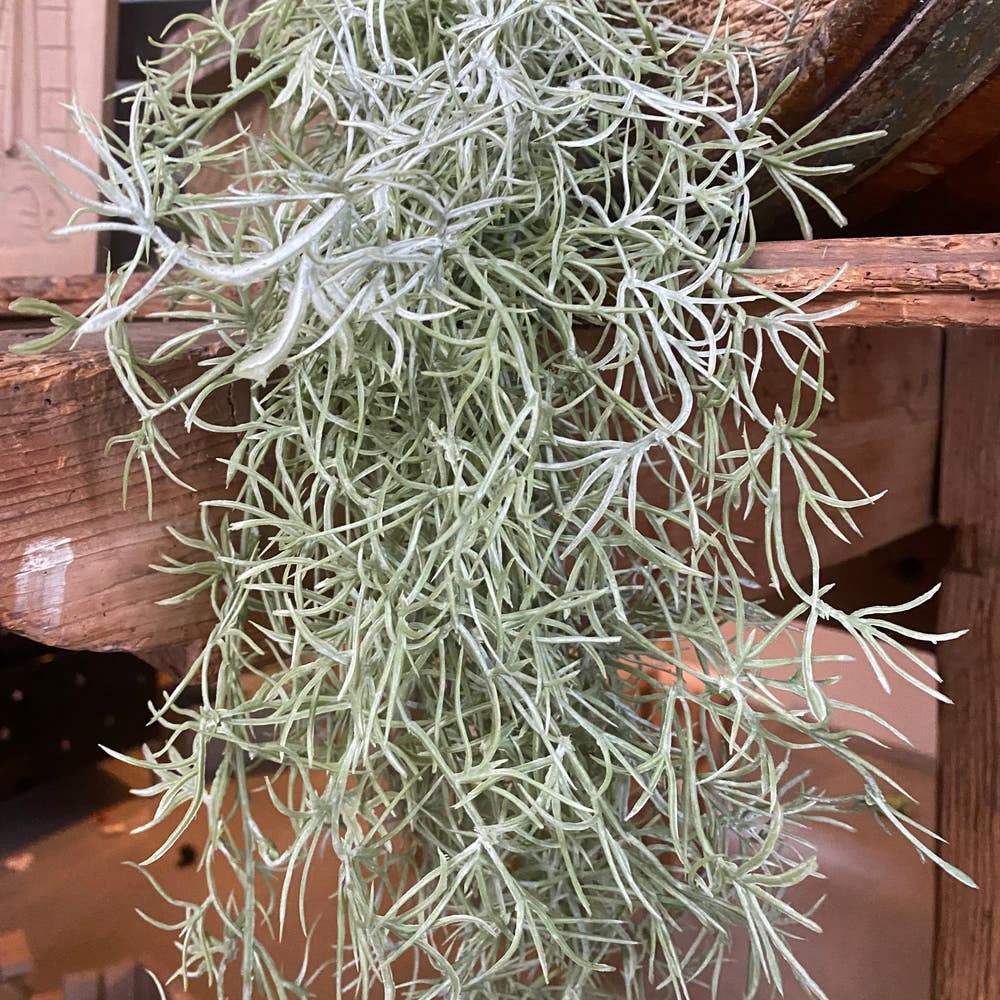
Helichrysum basalticum
By the Greg Editorial Team
Nov 07, 2024•7 min read
This article was created with the help of AI so we can cover more plants for you. May contain errors. See one? Report it here.
Master essential care tips to prevent Helichrysum leaf drop 🌱 and keep your plant thriving all year round!
- 💧 Overwatering and underwatering are primary causes of Helichrysum leaf drop; balance is key.
- 🌞 Helichrysum needs full sun (6-8 hours) for healthy growth; adjust light exposure.
- 🐛 Pests like aphids and spider mites can cause leaf drop; inspect regularly for signs.
Causes of Leaf Drop
💧 Overwatering and Its Effects
Overwatering is a common issue that can lead to serious problems for your Helichrysum. Symptoms include yellowing leaves and mushy stems, which are clear indicators that your plant is struggling.
When roots sit in excess moisture, they can develop root rot, a condition that ultimately leads to leaf drop. This excess moisture disrupts root function and nutrient uptake, making it difficult for your plant to thrive.
🚰 Underwatering and Its Effects
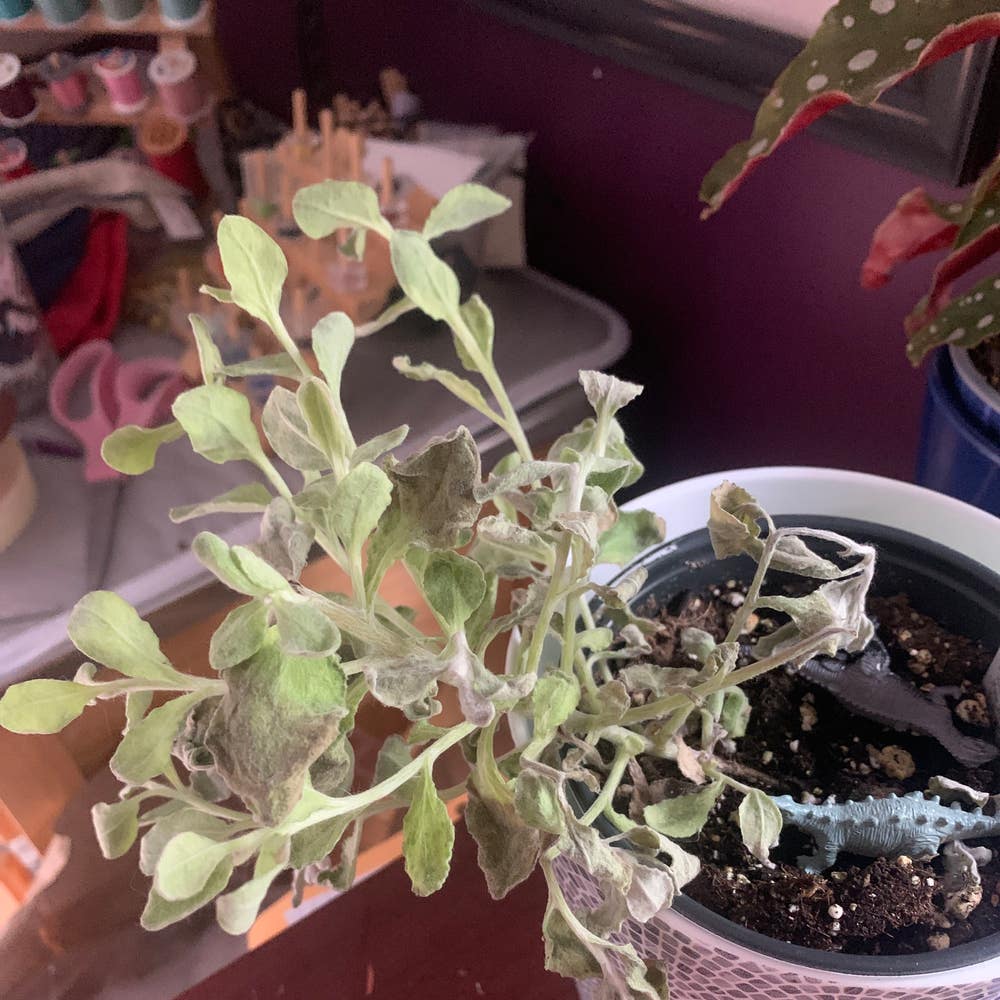
On the flip side, underwatering can also cause leaf drop. Symptoms of this issue include wilting leaves and dry, crispy edges, signaling that your Helichrysum is under stress.
If not addressed, the consequences can be severe, leading to long-term effects on growth and flowering. Regular moisture checks are essential to prevent this from happening.
🌡️ Environmental Stress Factors
Temperature
Helichrysum thrives in an ideal temperature range of 20°C to 30°C (68°F to 86°F). Extreme temperatures, whether too hot or too cold, can negatively impact leaf health and lead to drop.
Humidity
Moderate humidity levels are preferred for optimal growth. Low humidity can cause leaves to dry out and drop, so maintaining a balanced environment is crucial.
🐛 Pest Infestations
Common Pests
Aphids and spider mites are the primary pests that threaten your Helichrysum. Signs of infestation include sticky residue, webbing, and discolored leaves, all of which can contribute to leaf drop.
These pests not only damage the leaves but also weaken the plant, making it more susceptible to other issues.
🌱 Nutrient Deficiencies
Key Nutrients
Nitrogen and potassium are vital for the health of your Helichrysum. Deficiencies in these nutrients can manifest as stunted growth and leaf discoloration.
When nutrient imbalances occur, they can lead to leaf drop, highlighting the importance of regular fertilization and soil checks.
Understanding these causes of leaf drop is essential for maintaining the health of your Helichrysum. By addressing these issues promptly, you can ensure your plant remains vibrant and flourishing. Next, we’ll explore how to diagnose these leaf drop issues effectively.
Diagnosing Leaf Drop Issues
🌊 Identifying Symptoms of Overwatering
Overwatering can be a silent killer for your Helichrysum. Look for visual cues like yellowing leaves, wilting, and mushy stems, which often indicate root rot.
To assess soil moisture, stick your finger about an inch into the soil. If it feels wet, hold off on watering until it dries out.
💧 Recognizing Signs of Underwatering
Underwatering manifests through dry soil and wilting leaves, often leading to leaf drop as the plant struggles for moisture. Regular moisture checks are crucial to prevent this stress response.
Keep an eye on the edges of the leaves; if they appear dry and crispy, it’s time to give your plant a drink.
🐛 Checking for Pests and Diseases
Inspect your Helichrysum regularly for pests like aphids and spider mites. Look for sticky residue, webbing, or discolored leaves as signs of infestation.
For diseases, check for unusual spots or mold, which can also contribute to leaf drop. Early detection is key to effective treatment.
🌞 Assessing Environmental Conditions
🌅 Light Requirements
Helichrysum thrives in full sun, requiring 6-8 hours of light daily. Insufficient light can lead to leggy growth and poor leaf health.
If your plant is stretching towards the light or showing pale leaves, it’s a sign it needs more sun.
🌡️ Temperature and Humidity Assessment
Use a thermometer and hygrometer to measure temperature and humidity levels. Helichrysum prefers a temperature range of 20°C to 30°C (68°F to 86°F) and moderate humidity.
Adjust conditions as needed; if it’s too hot or dry, consider relocating your plant or using a humidifier to create a more suitable environment.
By diagnosing these issues early, you can take proactive steps to ensure your Helichrysum remains healthy and vibrant. Next, let’s explore effective solutions for leaf drop.
Solutions for Leaf Drop
🌊 Adjusting Watering Practices
To combat leaf drop, it's crucial to adjust your watering practices. Aim to allow the soil to dry out between waterings, ensuring that your Helichrysum roots can breathe.
Deep watering is an effective technique. This method encourages roots to grow deeper, promoting a healthier plant overall.
🏞️ Improving Soil Drainage
Well-draining soil is essential for preventing leaf drop. If your soil retains too much moisture, it can lead to root rot and other issues.
Consider amending your soil with perlite or sand. These materials enhance drainage, allowing excess water to escape and keeping your plant's roots healthy.
🐛 Treating Pest Infestations
Pest infestations can significantly contribute to leaf drop. Identifying the right pest control methods is key to maintaining plant health.
Insecticidal soap and neem oil are effective treatments. Follow a step-by-step process: first, identify the pests, then apply the chosen treatment according to the product instructions.
🌱 Fertilizing for Health
Fertilization plays a vital role in keeping your Helichrysum healthy. Opt for balanced NPK formulas to provide essential nutrients.
Establish a fertilization schedule, applying nutrients monthly during the growing season. This routine supports robust growth and vibrant foliage.
🌤️ Modifying Environmental Conditions
Environmental conditions can greatly affect leaf health. Adjusting light exposure is one way to enhance your plant's well-being.
If your Helichrysum isn't getting enough light, consider moving it to a sunnier location. Additionally, increasing humidity can help; using pebble trays or humidifiers can create a more favorable environment for your plant.
By implementing these solutions, you can effectively address leaf drop and promote a thriving Helichrysum. Next, let's explore preventative measures to keep your plant healthy in the long run.
Preventative Measures
Best Practices for Care 🌱
To keep your Helichrysum thriving, regular watering and soil checks are essential. Ensure the soil is moist but not soggy, as this balance is crucial for healthy growth.
Using the right soil type is equally important. A well-draining mix will prevent water from pooling, reducing the risk of root rot and leaf drop.
Seasonal Care Tips 🌦️
Adjusting your care routine with the seasons can make a significant difference. In warmer months, you may need to increase watering frequency, while in winter, reduce it as the plant enters dormancy.
Preparing for winter dormancy involves minimizing watering and ensuring your Helichrysum is in a suitable location to avoid frost damage.
Regular Monitoring and Maintenance 🔍
Routine inspections are vital for early detection of potential issues. Regularly check for signs of stress, pests, or diseases to address problems before they escalate.
Keeping a care journal can be a game-changer. Documenting your plant's health and care routines helps you identify patterns and make informed adjustments over time.
By implementing these preventative measures, you can enjoy a vibrant and healthy Helichrysum, minimizing the risk of leaf drop and ensuring your plant flourishes. Next, let’s explore some common misconceptions about leaf drop and care requirements.
Common Misconceptions
🌿 Myths About Leaf Drop
Many plant enthusiasts believe that all leaf drop is detrimental to the health of their Helichrysum. In reality, some leaf drop is a natural part of the plant's life cycle, especially as it adjusts to changing conditions.
Understanding that occasional leaf loss can be a normal response to stress or seasonal changes can alleviate unnecessary worry. It’s essential to differentiate between natural shedding and signs of distress.
💧 Clarifying Care Requirements
There are common misunderstandings regarding the water and light needs of Helichrysum. Some people assume that more water or light is always better, but this can lead to problems like overwatering or sunburn.
Tailoring care to the specific variety of Helichrysum you have is crucial. Each type may have unique requirements, so it's important to research and adjust your care routine accordingly.
By addressing these misconceptions, you can foster a healthier environment for your Helichrysum, ensuring it thrives rather than merely survives. With the right knowledge, you can confidently navigate the challenges of plant care.
⚠️ Safety First
This content is for general information and may contain errors, omissions, or outdated details. It is not medical, veterinary advice, or an endorsement of therapeutic claims.
Always consult a qualified healthcare professional before using any plant as food, medicine, or supplement.
Never eat any plant (or feed one to pets) without confirming its identity with at least two trusted sources.
If you suspect poisoning, call Poison Control (800) 222-1222, the Pet Poison Helpline (800) 213-6680, or your local emergency service immediately.
Spotted an error? Please report it here.
Keep your Helichrysum thriving 🌱 by using Greg's tailored care reminders to master watering, light, and pest control for vibrant, healthy leaves!