☀️ 4 Tips for Light Requirements for Your Helichrysum
Helichrysum basalticum
By the Greg Editorial Team
Nov 07, 2024•5 min read
This article was created with the help of AI so we can cover more plants for you. May contain errors. See one? Report it here.
Master light exposure 🌞 to unlock vibrant Helichrysum blooms and lush growth in your garden!
- 🌞 Helichrysum needs 6-8 hours of bright, indirect sunlight for optimal growth.
- 💡 Supplement natural light with LED grow lights for healthy indoor Helichrysum.
- 🌿 Monitor light conditions regularly to prevent leggy growth and ensure vibrant flowering.
Importance of Light for Growth
🌱 Role of Light in Development
Light plays a crucial role in the growth of Helichrysum. It's the driving force behind photosynthesis, allowing these plants to convert light energy into the food they need to thrive.
Adequate light not only fuels this process but also promotes healthy growth and lush foliage. Without sufficient light, your Helichrysum may struggle to reach its full potential.
🌼 Effects of Light on Flowering
When it comes to flowering, light exposure is key. Sufficient light is necessary for Helichrysum to produce those vibrant, eye-catching blooms that make it so popular.
Moreover, the quality of light matters too. Different light spectrums can influence not just the quantity but also the color of the flowers, making light a vital factor in achieving a stunning display.
In summary, understanding the importance of light can significantly enhance your Helichrysum's growth and flowering potential. Next, let’s explore how to provide the best indoor light conditions for these beautiful plants.
Indoor Light Guidance
🌞 Best Conditions for Indoor Growth
To ensure your Helichrysum thrives indoors, aim for at least 6-8 hours of bright, indirect sunlight daily. This light level is crucial for promoting healthy growth and vibrant foliage.
For optimal light exposure, place your plants near south-facing windows. These locations capture the most sunlight throughout the day, creating an ideal environment for your Helichrysum.
💡 Use of Grow Lights
Supplemental lighting can significantly enhance growth, especially in low-light conditions. Grow lights are a fantastic solution to ensure your plants receive the necessary light they crave.
Types of Grow Lights
- LED Grow Lights: These are energy-efficient and effective for all growth stages, making them a popular choice among indoor gardeners.
- Fluorescent Lights: Ideal for seedlings and young plants, these lights provide a gentle yet effective light source.
Placement and Duration
Position your grow lights 12-24 inches above the plants to avoid scorching while still providing ample light. Maintain a light cycle of 12-16 hours to mimic natural sunlight, promoting robust growth and flowering.
With the right light conditions, your Helichrysum will flourish indoors, setting the stage for vibrant blooms and lush greenery. Next, let’s explore how to provide the best outdoor light guidance for your plants.
Outdoor Light Guidance
Ideal Sunlight Exposure ☀️
Helichrysum thrives in full sun, needing at least 6 hours of direct sunlight daily. This exposure is crucial for vibrant growth and abundant flowering.
To achieve optimal results, select sunny spots in your garden or landscape. Areas that receive ample sunlight throughout the day will support the plant's health and vitality.
Adjusting Conditions for Varieties 🌿
Not all Helichrysum varieties are created equal when it comes to light tolerance. Some can handle partial shade, making them versatile for different garden settings.
To find the right fit for your space, research specific varieties that thrive in less than full sun conditions. This knowledge will help you create a flourishing garden that showcases the beauty of Helichrysum, regardless of your light situation.
With the right light conditions, your Helichrysum will flourish, setting the stage for the next section on seasonal light considerations.
Seasonal Light Considerations
🌤️ Seasonal Changes and Impact
As the seasons shift, so do the light levels that your Helichrysum receives. In winter, reduced sunlight can hinder growth, making it essential to consider relocating your plants to brighter areas.
During summer, the intensity of sunlight can be overwhelming. It's crucial to monitor your Helichrysum for signs of sunburn or stress, especially during peak sunlight hours.
💡 Adjusting Indoor Light
To combat shorter winter days, increase light exposure using grow lights. This adjustment can help maintain healthy growth and vitality in your plants.
Keep an eye on how your Helichrysum responds to seasonal light changes. Observing these patterns allows you to fine-tune your care and ensure your plants thrive year-round.
By staying proactive about light conditions, you can foster a vibrant and flourishing Helichrysum collection.
Common Light-Related Issues
🌱 Signs of Insufficient Light
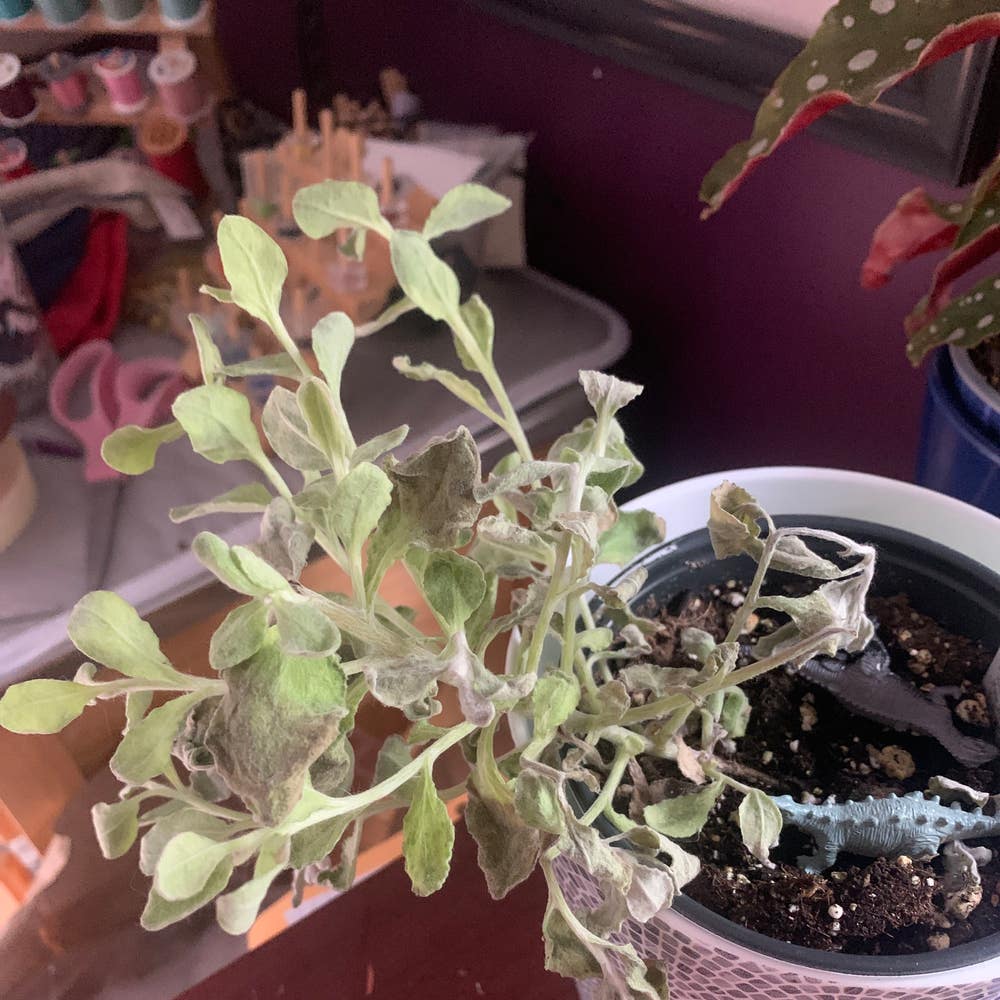
When Helichrysum doesn't receive enough light, it exhibits distinct symptoms. You might notice leggy growth, where the stems stretch out in search of light, along with pale leaves and a significant reduction in flowering.
Diagnosing this issue is straightforward: assess the light exposure your plants are getting. If they're not basking in bright, indirect sunlight for at least 6-8 hours, it's time to make some adjustments.
☀️ Solutions for Overexposure
On the flip side, too much light can be just as detrimental. Symptoms of overexposure include leaf scorch, where the leaves develop brown edges, and wilting, which can leave your plants looking sad and stressed.
To mitigate these issues, consider relocating your plants to a shadier spot. If indoors, using sheer curtains can help diffuse harsh sunlight. Additionally, keep an eye on your watering practices to prevent stress from excessive heat, ensuring your Helichrysum remains healthy and vibrant.
By understanding these light-related issues, you can better care for your Helichrysum and promote its growth and flowering potential. Next, let’s explore seasonal light considerations to further optimize your plant care.
⚠️ Safety First
This content is for general information and may contain errors, omissions, or outdated details. It is not medical, veterinary advice, or an endorsement of therapeutic claims.
Always consult a qualified healthcare professional before using any plant as food, medicine, or supplement.
Never eat any plant (or feed one to pets) without confirming its identity with at least two trusted sources.
If you suspect poisoning, call Poison Control (800) 222-1222, the Pet Poison Helpline (800) 213-6680, or your local emergency service immediately.
Spotted an error? Please report it here.
Keep your Helichrysum radiant and blooming 🌼 by using Greg's tailored light reminders to ensure it gets the perfect amount of sunlight every day!