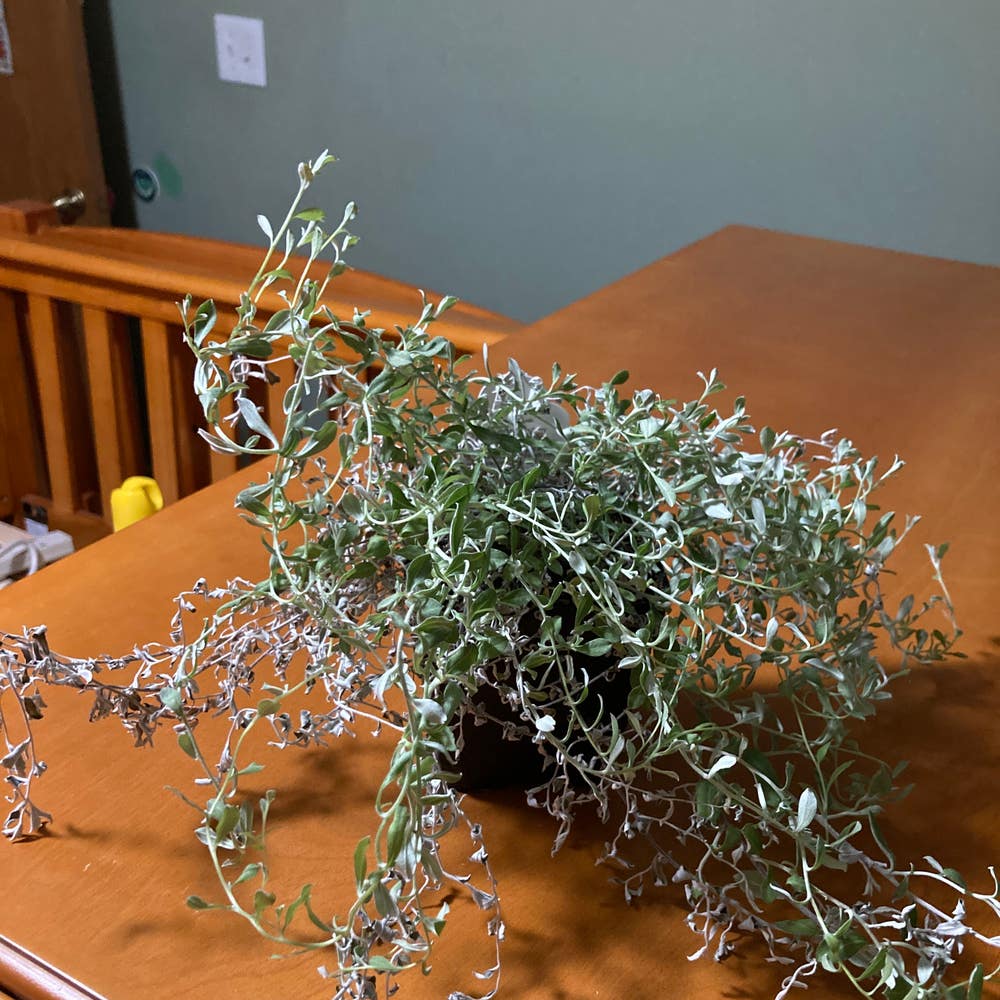
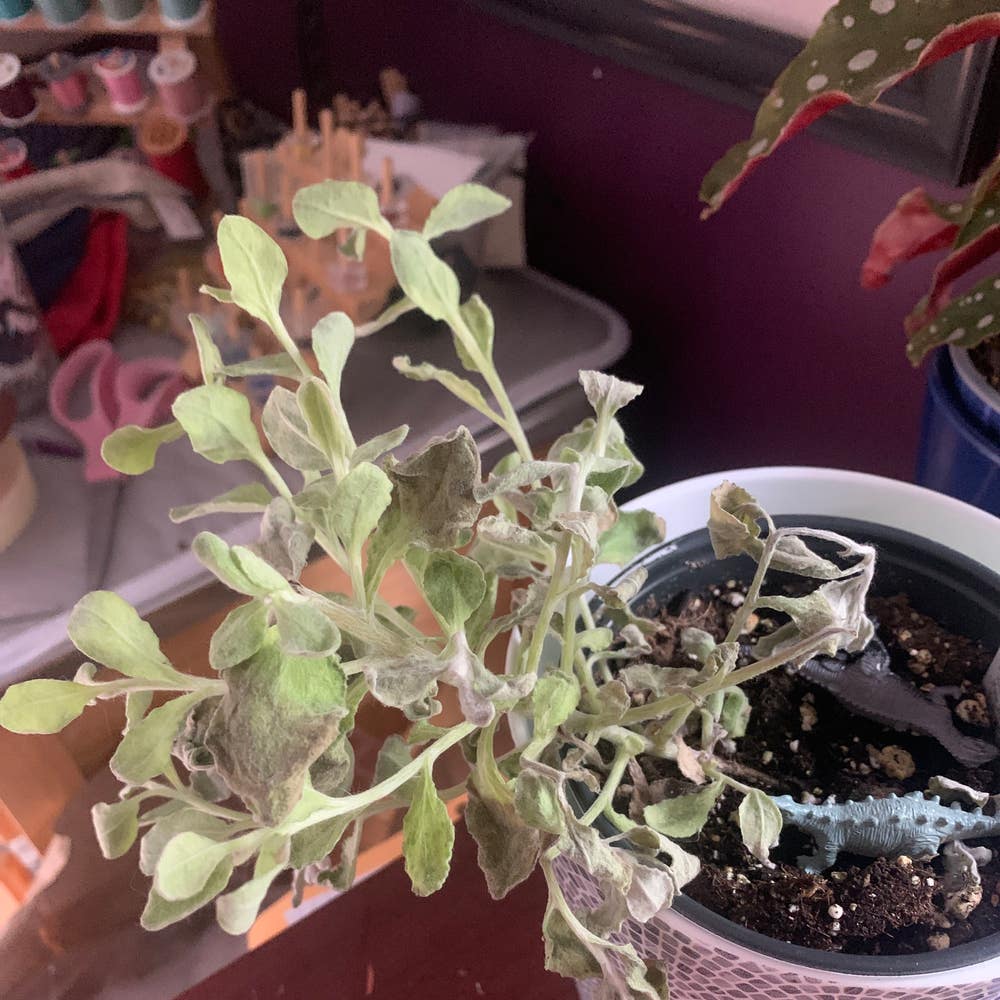
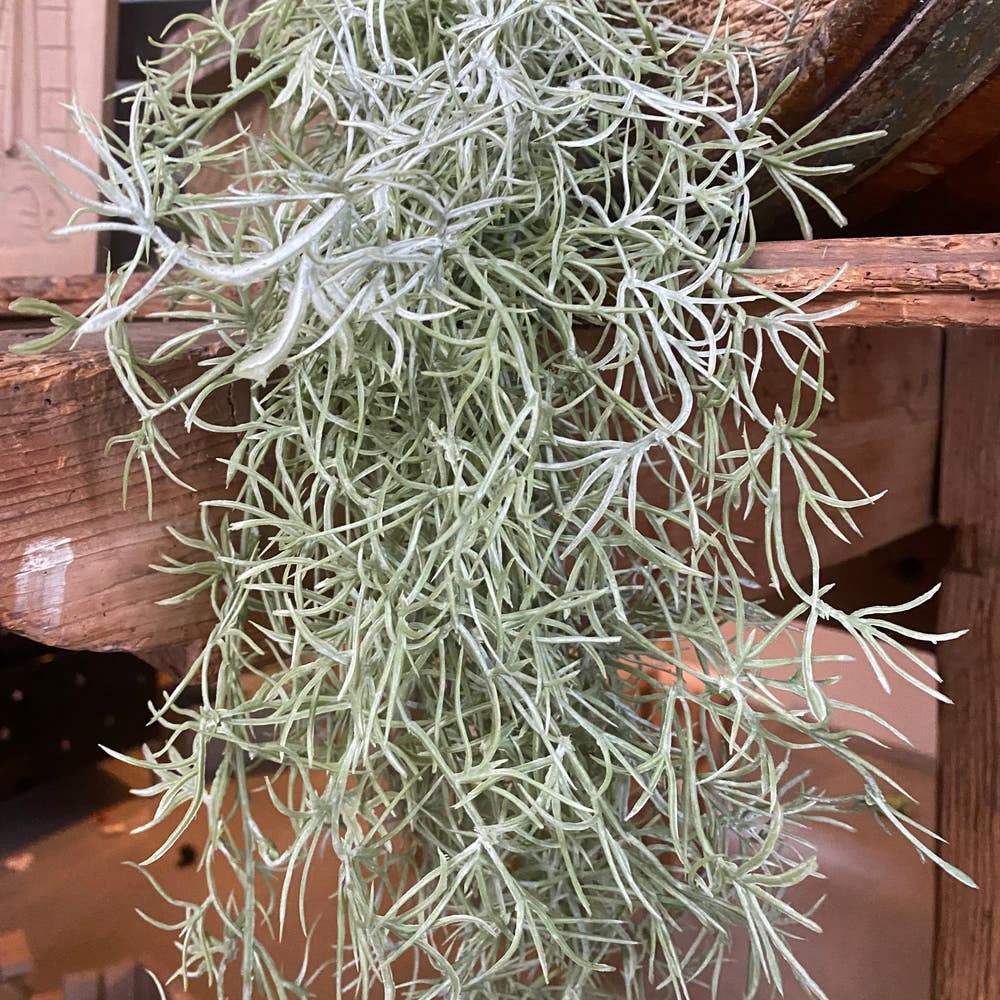
☀️ Best Climate for Helichrysum: Zones 8a-11b
Helichrysum basalticum
By the Greg Editorial Team
Nov 07, 2024•5 min read
This article was created with the help of AI so we can cover more plants for you. May contain errors. See one? Report it here.
Unlock the secret to thriving Helichrysum in any climate with essential temperature tips! 🌱
- 🌞 Helichrysum thrives in zones 8a-11b, ideal for warmer climates.
- ❄️ Frost protection is crucial; know local frost dates to prevent damage.
- 💧 Well-draining soil and moisture management ensure healthy Helichrysum growth.
Helichrysum Temperature Tolerance
❄️ Cold Tolerance Specifics
Helichrysum plants can tolerate cold temperatures down to about 20°F (-6°C). However, frost can significantly impact their growth and survival, making it crucial to understand your local climate.
Knowing the first and last frost dates in your area is essential for successful planting. This knowledge helps you time your planting to avoid frost damage, ensuring your Helichrysum thrives.
☀️ Heat Tolerance Specifics
On the flip side, Helichrysum can withstand heat up to 100°F (38°C). Yet, extreme heat can lead to heat stress, which may stunt growth or even kill the plant if not managed properly.
During hot spells, maintaining adequate moisture and ensuring well-draining soil conditions are vital. This balance helps your Helichrysum flourish even in the hottest months.
Understanding both cold and heat tolerances is key to growing healthy Helichrysum. With the right conditions, you can enjoy this resilient plant in a variety of climates.
Ideal Regions for Growing Helichrysum
🌍 Examples of US States in Suitable Zones
Helichrysum thrives in hardiness zones 8a to 11b, making several US states ideal for its growth. Here’s a detailed list of states where you can successfully cultivate this resilient plant:
- California: Particularly in Southern California, regions like San Diego and Los Angeles offer perfect conditions.
- Florida: The entire state, especially areas like Miami and Orlando, provides the warmth Helichrysum loves.
- Texas: Look to the southern and coastal regions, including Houston and Corpus Christi.
- Arizona: The desert climate in places like Phoenix is well-suited for Helichrysum.
- Louisiana: The warmer southern parts, including New Orleans, are favorable as well.
These states not only fall within the right hardiness zones but also have specific regions that enhance Helichrysum's growth potential.
🌱 Factors Contributing to Ideal Growing Conditions
To ensure your Helichrysum flourishes, pay attention to these critical growing conditions:
Soil Requirements
Helichrysum prefers well-draining soils, ideally sandy or loamy. This type of soil prevents waterlogging, which can be detrimental to the plant's health.
Sunlight Needs
Full sun exposure is essential for Helichrysum, requiring about 6 to 8 hours of sunlight daily. This light is crucial for robust growth and vibrant blooms.
Moisture Preferences
While Helichrysum is drought-tolerant, it still benefits from proper moisture management. Ensure adequate irrigation during dry spells, but avoid overwatering to maintain optimal health.
By understanding these factors, you can create an environment where Helichrysum not only survives but thrives.
As we explore further, let’s dive into the fascinating world of microclimates and how they can impact your Helichrysum growing experience.
Microclimates and Their Impact
🌍 Definition and Importance
Microclimates are localized climate variations that differ from the broader climate zone. They can significantly influence plant growth, including Helichrysum, by creating unique conditions that may not align with the general climate of the surrounding area.
Several factors contribute to the formation of microclimates. Elevation changes can create cooler temperatures, while proximity to water bodies can moderate temperature extremes. Urban heat islands, where concrete and asphalt absorb heat, can also lead to warmer conditions that benefit certain plants.
🌱 Extending Growing Range
Microclimates can enable successful Helichrysum cultivation even outside typical hardiness zones. For instance, a south-facing slope may retain heat better than surrounding areas, allowing Helichrysum to thrive despite being in a cooler zone.
Specific microclimate conditions that benefit Helichrysum include sheltered spots that reduce wind exposure and areas with reflective surfaces that enhance sunlight. Understanding these nuances can empower gardeners to maximize their growing potential, even in less-than-ideal climates.
As we explore the state-level suitability for Helichrysum, consider how these microclimates can open up new possibilities for growth and cultivation.
State-Level Suitability Analysis
🌱 Suitable US States for Helichrysum
Helichrysum thrives in USDA hardiness zones 8a-11b, making several states ideal for its growth. Here’s a comprehensive list of states where you can successfully cultivate this resilient plant:
- California: Known for its Mediterranean climate, California offers warm temperatures and ample sunlight, perfect for Helichrysum.
- Florida: With its subtropical climate, Florida provides the warmth and humidity that Helichrysum loves.
- Texas: Particularly in the southern regions, Texas has the heat and well-draining soils that support Helichrysum growth.
- Arizona: The dry, warm climate of Arizona is ideal, especially in areas with sandy soils.
- Louisiana: While humid, certain regions in Louisiana fall within the suitable zones and can support Helichrysum with proper care.
These states generally experience mild winters and warm summers, creating a favorable environment for Helichrysum to flourish.
❌ Unsuitable US States and Challenges
Not all states are conducive to growing Helichrysum. States outside the suitable hardiness zones include:
- North Dakota: Extreme cold can devastate Helichrysum, as temperatures often drop well below freezing.
- Minnesota: Similar to North Dakota, harsh winters pose a significant challenge for this plant.
- Maine: The cold climate and excessive moisture can hinder Helichrysum's growth.
These states face specific climate challenges, such as extreme cold, prolonged frost periods, and excessive moisture, which can lead to root rot and other issues.
🌍 Recommendations for Unsuitable States
For those in unsuitable states, growing Helichrysum can be tricky but not impossible. Here’s how to adapt:
- Frost Protection: Use row covers or greenhouses to shield Helichrysum from frost and cold temperatures.
- Container Gardening: Growing Helichrysum in pots allows for mobility, enabling you to bring plants indoors during harsh weather.
- Microclimates: Identify and utilize microclimates in your garden, such as south-facing walls or sheltered areas, to create a warmer environment.
While Helichrysum may not thrive in every state, with a little creativity and care, you can still enjoy its beauty and benefits. Transitioning to the next topic, understanding microclimates can further enhance your gardening success.
⚠️ Safety First
This content is for general information and may contain errors, omissions, or outdated details. It is not medical, veterinary advice, or an endorsement of therapeutic claims.
Always consult a qualified healthcare professional before using any plant as food, medicine, or supplement.
Never eat any plant (or feed one to pets) without confirming its identity with at least two trusted sources.
If you suspect poisoning, call Poison Control (800) 222-1222, the Pet Poison Helpline (800) 213-6680, or your local emergency service immediately.
Spotted an error? Please report it here.
Grow vibrant Helichrysum in your garden with Greg's tailored reminders and care tips, ensuring they thrive in the perfect climate! 🌼