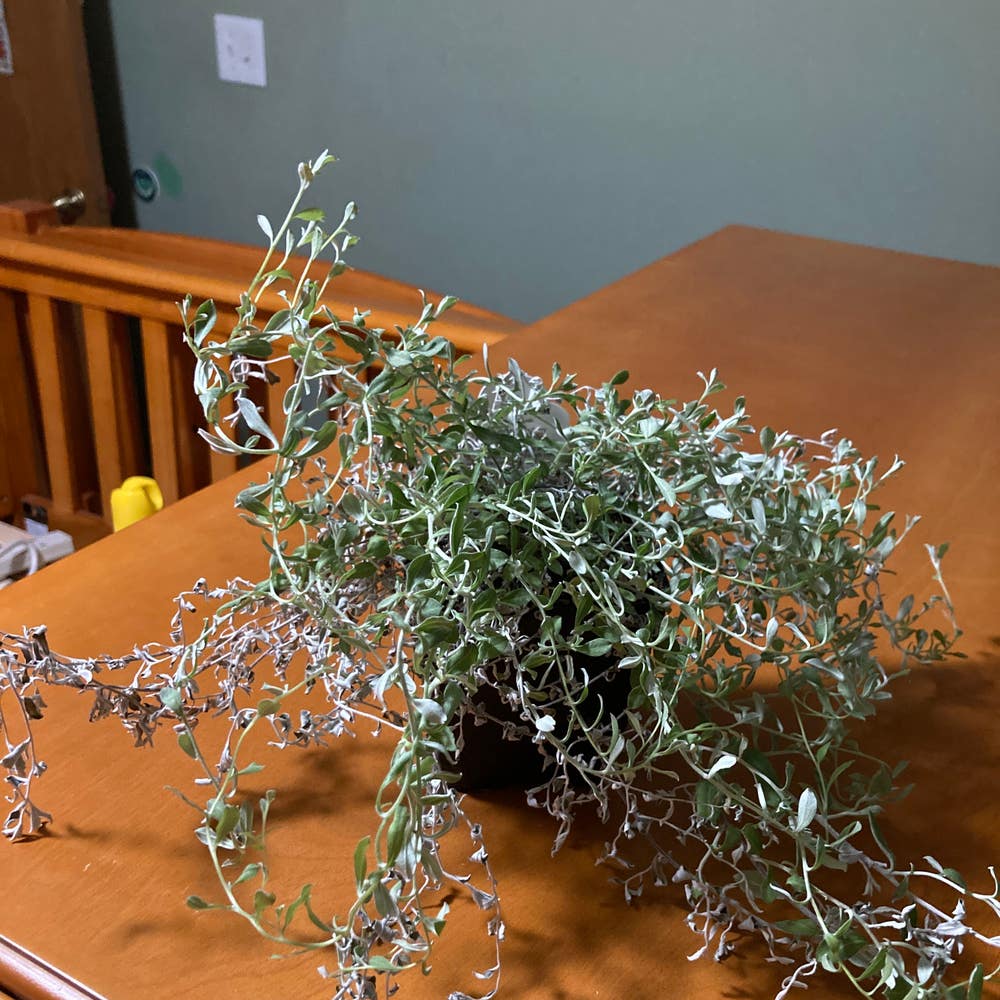
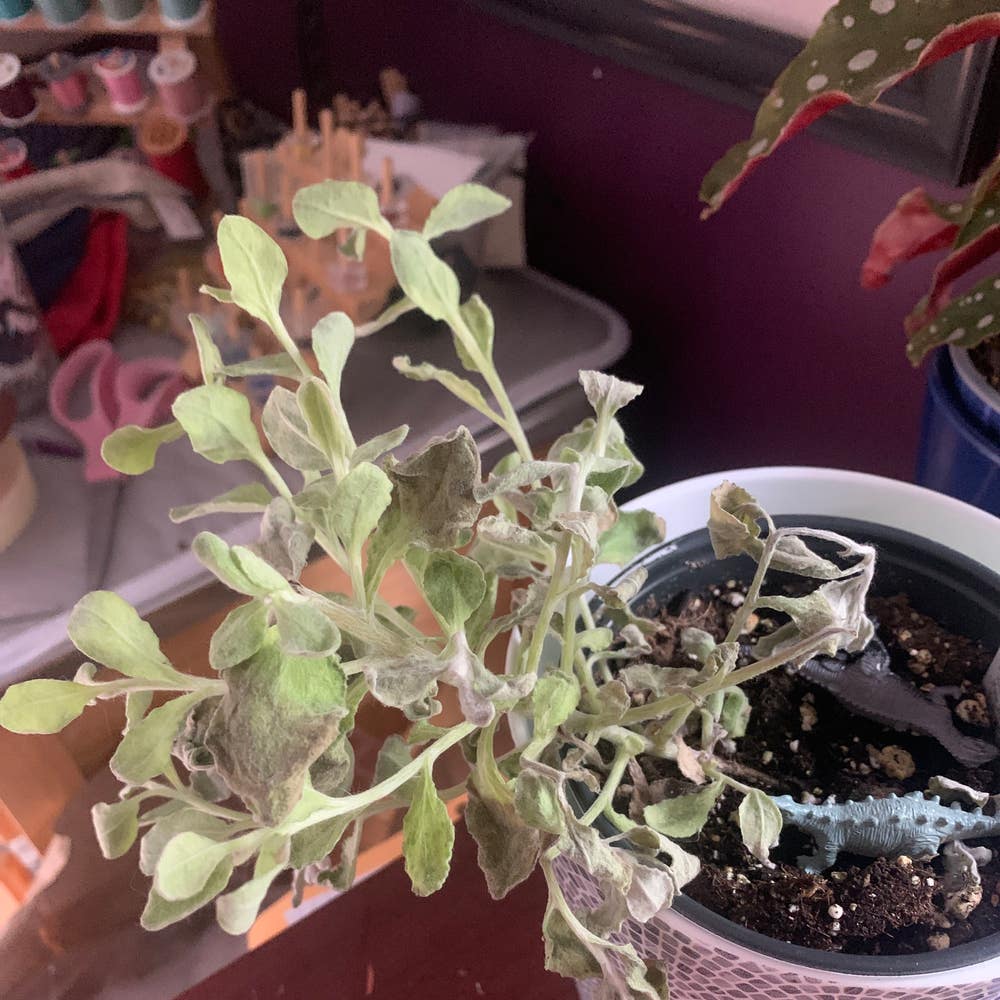
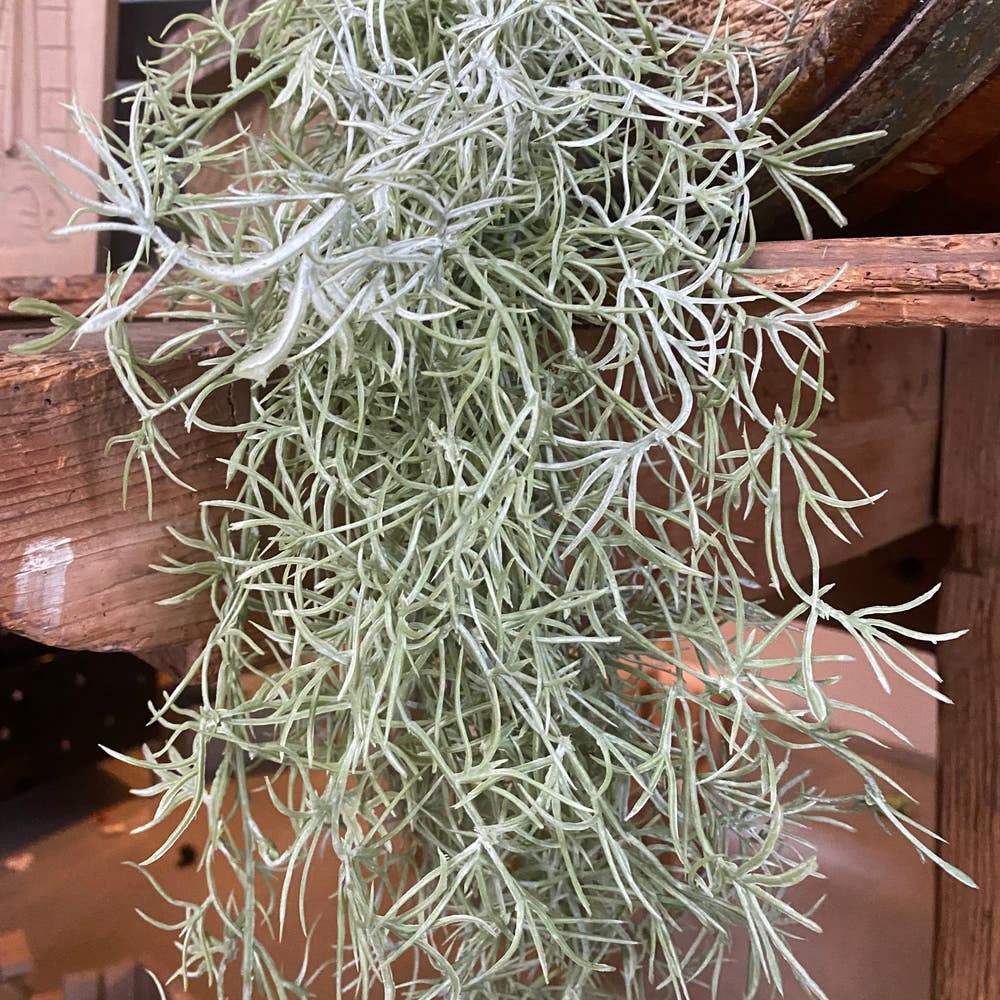
3 Tips for Healing Leaves Falling Over on Your Helichrysum 🩹
Helichrysum basalticum
By the Greg Editorial Team
Nov 07, 2024•4 min read
This article was created with the help of AI so we can cover more plants for you. May contain errors. See one? Report it here.
Transform your Helichrysum into a thriving beauty 🌼 by mastering diagnosis and treatment of common plant issues!
- 🌊 Diagnose leaf issues by checking for overwatering or underwatering symptoms.
- 🌱 Nutrient deficiencies like nitrogen and potassium can harm your Helichrysum's leaves.
- 🐛 Regular pest inspections are crucial; look for sticky residue or webbing.
Diagnosing the Problem
🌊 Signs of Overwatering vs. Underwatering
Understanding whether your Helichrysum is suffering from overwatering or underwatering is crucial for its recovery.
Overwatering Indicators
If you notice leaf yellowing and dropping, your plant might be getting too much water. Additionally, check the soil; it should not feel soggy or compacted.
Underwatering Indicators
On the flip side, if the leaves are curling and browning, your plant may be thirsty. The soil will likely feel dry and crumbly, indicating a need for moisture.
🥦 Identifying Nutrient Deficiencies
Nutrient deficiencies can also lead to leaf issues.
Nitrogen Deficiency
A lack of nitrogen often shows up as pale leaves and stunted growth. This nutrient is vital for healthy foliage, so keep an eye out for these symptoms.
Potassium Deficiency
Potassium deficiency manifests as leaf tip burn and weak stems. If your Helichrysum is struggling in these areas, it may need a nutrient boost.
🐛 Recognizing Pest Infestations
Pests can wreak havoc on your Helichrysum, so regular inspections are essential.
Visual Inspection Techniques
Start by checking the undersides of leaves for pests. Look for sticky residue or webbing, which can indicate an infestation.
Damage Assessment
Assess the extent of damage caused by pests. Identifying how much harm has been done will help you determine the best course of action for treatment.
By diagnosing these issues early, you can take proactive steps to restore your Helichrysum to its vibrant self. Next, we’ll explore effective treatment and recovery strategies to help your plant thrive again.
Treatment and Recovery
Step-by-Step Guide to Adjusting Watering Practices 🌊
Adjusting your watering practices is crucial for the health of your Helichrysum. Start by assessing your current watering schedule, noting how often and how much you water.
Next, adjust your routine based on soil moisture. Use a moisture meter or simply stick your finger into the soil to check its consistency.
Finally, establish a consistent watering routine. Water your Helichrysum when the top inch of soil feels dry to the touch, ensuring your plant gets just the right amount of moisture.
How to Amend Soil for Better Drainage 🏞️
Improving soil drainage can significantly enhance your plant's health. Begin by identifying your soil type to test its drainage capabilities.
Once you know your soil's characteristics, amend it with materials like perlite or sand to improve aeration. This will help prevent waterlogging, which can lead to root rot.
If necessary, consider replanting your Helichrysum. Ensure that the roots are not waterlogged, as this can severely impact growth.
Methods for Treating Pests and Diseases 🦠
Dealing with pests and diseases is essential for maintaining a thriving Helichrysum. Start with organic pest control methods, such as applying neem oil. Use it regularly, following the recommended frequency for best results.
Insecticidal soap is another effective option. Apply it carefully to ensure thorough coverage of affected areas.
For disease management, promptly remove any affected leaves. Proper disposal is key to preventing the spread of disease.
If needed, apply fungicide at the right time and in the correct manner to combat any fungal issues.
With these treatment and recovery strategies, your Helichrysum will be on the path to vibrant health. Next, let’s explore some preventative measures to keep your plant thriving year-round.
Preventative Measures
🌱 Best Practices for Helichrysum Care
Watering Techniques
To keep your Helichrysum thriving, focus on deep watering methods. This encourages robust root growth and helps the plant access moisture more effectively.
Soil Maintenance
Regularly check your soil's drainage capabilities. Amending the soil as needed ensures your Helichrysum has the right environment to flourish.
🍂 Seasonal Care Tips to Prevent Leaf Drop
Spring Preparation
As spring rolls in, it's time to fertilize and prune your Helichrysum. This boosts growth and prepares the plant for the warmer months ahead.
Winter Care
During winter, protect your Helichrysum from frost and extreme temperatures. Taking these precautions helps maintain its health through the colder months.
By implementing these preventative measures, you can ensure your Helichrysum remains vibrant and healthy year-round. Next, let's explore effective treatment methods for any issues that may arise.
⚠️ Safety First
This content is for general information and may contain errors, omissions, or outdated details. It is not medical, veterinary advice, or an endorsement of therapeutic claims.
Always consult a qualified healthcare professional before using any plant as food, medicine, or supplement.
Never eat any plant (or feed one to pets) without confirming its identity with at least two trusted sources.
If you suspect poisoning, call Poison Control (800) 222-1222, the Pet Poison Helpline (800) 213-6680, or your local emergency service immediately.
Spotted an error? Please report it here.
Keep your Helichrysum thriving 🌱 by using Greg's tailored reminders to tackle watering, nutrients, and pests for vibrant, healthy leaves!