How to Fix Root Rot in Your Helichrysum 💧
Helichrysum basalticum
By the Greg Editorial Team
Nov 07, 2024•6 min read
This article was created with the help of AI so we can cover more plants for you. May contain errors. See one? Report it here.
Revive your Helichrysum and enjoy vibrant blooms again 🌼 with these essential tips to combat root rot!
- 🌱 Identify root rot early by checking for yellowing leaves and wilting symptoms.
- 🔍 Inspect roots for dark, mushy textures and foul odors to confirm root rot.
- 🥄 Use well-draining soil and pots to prevent future root rot issues effectively.
Identifying Root Rot
Symptoms of Root Rot 🌱
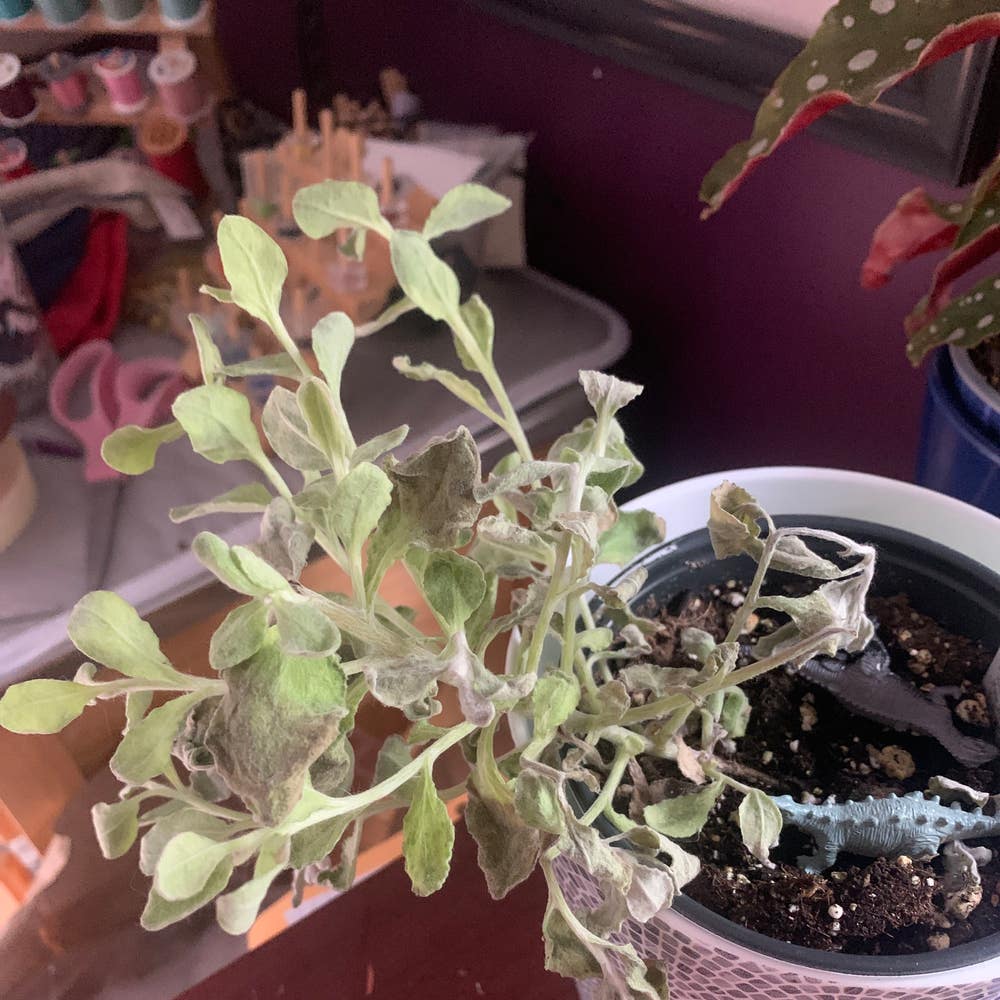
Recognizing root rot early can save your Helichrysum from serious damage. Look for yellowing leaves and wilting; these are often the first signs that something is wrong.
Another indicator is stunted growth and poor flowering. If your plant isn’t thriving, it might be struggling with root issues.
Root Health Indicators 🧐
When inspecting the roots, check for dark, mushy roots. This is a clear sign of rot and should be addressed immediately.
Additionally, a foul odor from the soil can indicate decay. If your plant smells bad, it’s time to take action.
How to Inspect Roots for Rot 🔍
Preparing the plant for inspection: Start by gently removing the plant from its pot. Make sure to clean your tools to prevent further infection.
Examining the root system: Look closely at the roots to identify healthy versus rotting ones. Healthy roots should be firm and white, while rotting roots will appear dark and mushy.
Assessing soil condition: Check if the soil is compacted or overly wet. This can contribute to root rot and needs to be addressed.
Differentiating Between Root Rot and Other Issues ⚖️
It's crucial to distinguish root rot from other common plant problems. For instance, nutrient deficiencies can mimic some symptoms of root rot, so be sure to identify the specific signs and solutions.
Pest infestations can also cause similar issues. Learn how to identify pests and treat them effectively to ensure your plant's health.
Accurate diagnosis is key for effective treatment. Understanding the root cause will help you choose the right solution for your Helichrysum.
With these insights, you're well-equipped to tackle root rot and keep your plant thriving. Next, we’ll explore how to treat root rot effectively.
Treating Root Rot
Step-by-Step Guide to Treatment 🌱
Remove the affected plant from its pot: Start by gently taking the plant out of its pot. Be careful to avoid damaging the roots further during this process.
Inspect and trim roots: Examine the root system closely. Use sterilized scissors to cut away all rotting roots, ensuring you leave only healthy, firm roots intact.
Prepare new potting mix: Choose a well-draining soil mix that suits Helichrysum. You might want to enhance drainage by adding perlite or sand to the mix.
Repotting the plant: Place the plant in a clean pot that has drainage holes. Fill it with fresh soil, making sure the roots are well-covered but not buried too deep.
Recommended Treatments and Products 🛠️
Fungicides: Consider using fungicides that are effective against root rot. Research the types available and their application methods, as timing can significantly impact their effectiveness.
Soil amendments: Look for products that improve drainage and aeration in the soil. Organic options can also enhance soil health, promoting a better environment for your Helichrysum.
By following these steps and utilizing the right products, you can effectively treat root rot and help your plant recover. With proper care, your Helichrysum can thrive once again, bringing beauty to your space.
Next, we’ll explore how to prevent root rot from occurring in the first place, ensuring your plant stays healthy and vibrant.
Preventing Root Rot
🌊 Best Practices for Watering
Establishing a consistent watering schedule is crucial for preventing root rot in your Helichrysum. Adjust the frequency based on the season and environmental conditions, ensuring you check the soil moisture regularly.
To determine when to water, stick your finger about an inch into the soil. If it feels dry, it’s time to water; if it’s still moist, hold off for a bit.
When it comes to watering techniques, deep watering is often more beneficial than surface watering. Deep watering encourages roots to grow downward, while surface watering can lead to shallow root systems and increased susceptibility to rot.
🧪 Importance of Soil Drainage and Aeration
The right soil is essential for healthy roots. Aim for well-draining soil types, ideally with a pH between 6.0 and 7.0, to promote optimal growth.
To test your soil’s drainage capabilities, conduct a simple water test. Dig a hole, fill it with water, and observe how quickly it drains. If it takes longer than a few hours, consider amending your soil.
Aeration is another key factor in maintaining root health. Aerating the soil allows air to reach the roots, promoting growth and preventing rot.
You can improve soil structure by mixing in organic matter or using tools like a garden fork to create small holes. This helps enhance drainage and encourages healthy root development.
🪴 Choosing the Right Pot
Selecting the right pot material can significantly impact your plant's health. Plastic pots are lightweight and retain moisture, while clay pots offer better breathability and drainage.
Regardless of the material, ensure your pot has adequate drainage holes. This prevents water from accumulating at the bottom, which can lead to root rot.
When it comes to size, choose a pot that allows for growth without being excessively large. A pot that’s too big can hold excess moisture, while one that’s too small may restrict root development.
By following these best practices for watering, soil management, and pot selection, you can create an environment that minimizes the risk of root rot. This proactive approach will set your Helichrysum up for success, leading to vibrant growth and beautiful blooms.
Next, let’s explore how to care for your plant after treatment to ensure it thrives.
Post-Treatment Care
Recovery Signs to Look for After Treatment 🌱
After addressing root rot, it's crucial to monitor your Helichrysum for signs of recovery. Look for new growth and leaf development, which indicate that the plant is bouncing back.
You should also notice improved color and vigor in the leaves. Healthy foliage will appear vibrant and lush, signaling that your plant is on the mend. Typically, you can expect to see visible improvements within a few weeks, but patience is key as recovery can vary depending on the extent of the damage.
Ongoing Care to Prevent Recurrence 🔍
Regular monitoring is essential to ensure your Helichrysum remains healthy. Check the soil moisture frequently and keep an eye on root health to catch any potential issues early.
Be vigilant for signs that may indicate a return of root rot, such as yellowing leaves or a foul odor from the soil. Adjust your care routine based on how your plant responds; this may include modifying your watering and feeding schedules to better suit its needs.
By staying proactive and attentive, you can help your Helichrysum thrive and prevent root rot from becoming a recurring problem. With the right care, your plant can flourish beautifully, bringing joy to your space.
⚠️ Safety First
This content is for general information and may contain errors, omissions, or outdated details. It is not medical, veterinary advice, or an endorsement of therapeutic claims.
Always consult a qualified healthcare professional before using any plant as food, medicine, or supplement.
Never eat any plant (or feed one to pets) without confirming its identity with at least two trusted sources.
If you suspect poisoning, call Poison Control (800) 222-1222, the Pet Poison Helpline (800) 213-6680, or your local emergency service immediately.
Spotted an error? Please report it here.
Revive your Helichrysum from root rot with proactive care 🌱—let Greg guide you with tailored watering reminders and expert tips to keep your plant thriving!