☀️ Ultimate Guide to Direct Sunlight for Helichrysum
Helichrysum basalticum
By the Greg Editorial Team
Nov 07, 2024•5 min read
This article was created with the help of AI so we can cover more plants for you. May contain errors. See one? Report it here.
Master Helichrysum's sunlight needs for vibrant blooms and thriving plants! 🌞🌱
- ☀️ Helichrysum needs 6-8 hours of direct sunlight daily for optimal growth.
- 🌱 Signs of sunburn include crispy leaves and brown edges; adjust light exposure.
- 🪟 South-facing windows are best; avoid north-facing for Helichrysum's health.
Sunlight Needs of Helichrysum
🌞 Does Helichrysum Need Direct Sunlight?
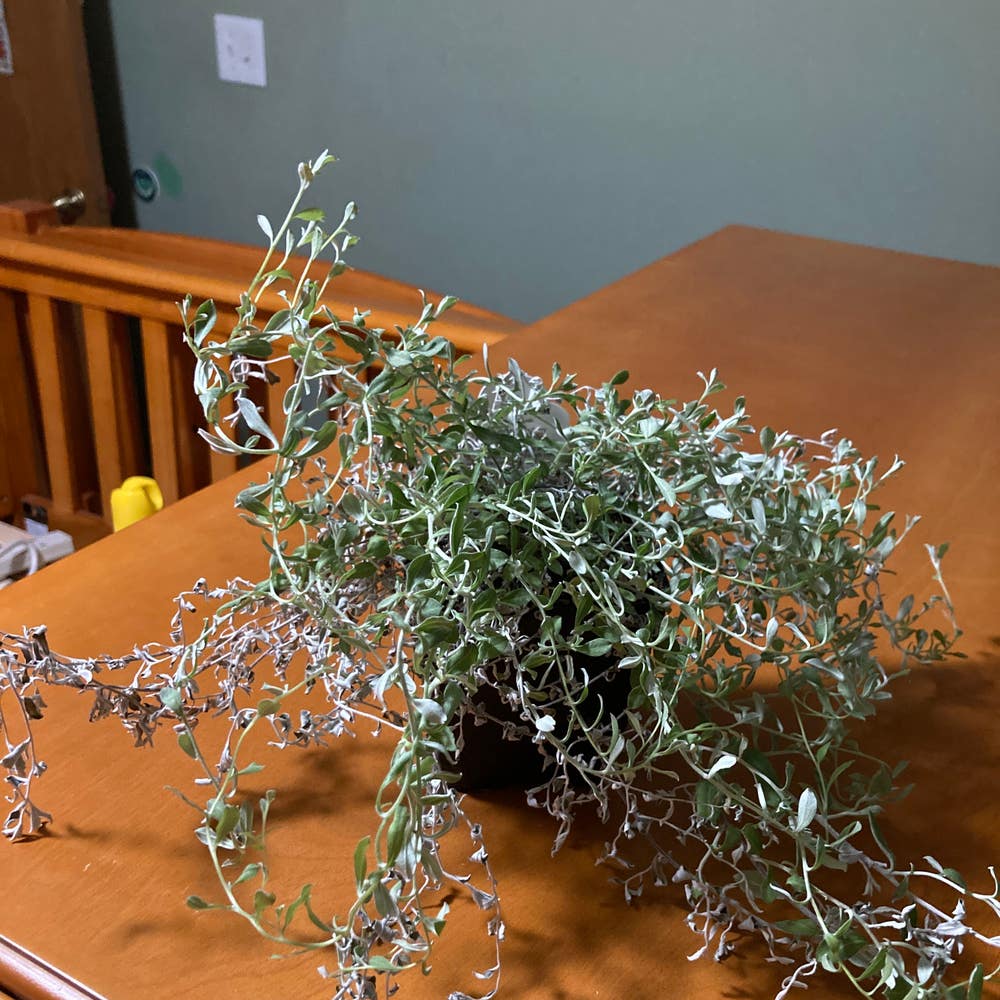
Helichrysum thrives in full sun, requiring at least 6-8 hours of direct sunlight daily for optimal growth. Under strong light conditions, its vibrant flowers and unique foliage truly flourish, showcasing their best colors and textures.
☀️ Can Helichrysum Tolerate Direct Sunlight?
Absolutely! Helichrysum can tolerate direct sunlight, making it an excellent choice for sunny gardens and bright indoor spaces. Varieties like Helichrysum italicum and Helichrysum bracteatum are particularly well-suited to high light exposure, ensuring they remain healthy and vibrant.
🔥 Effects of Too Much Direct Sunlight
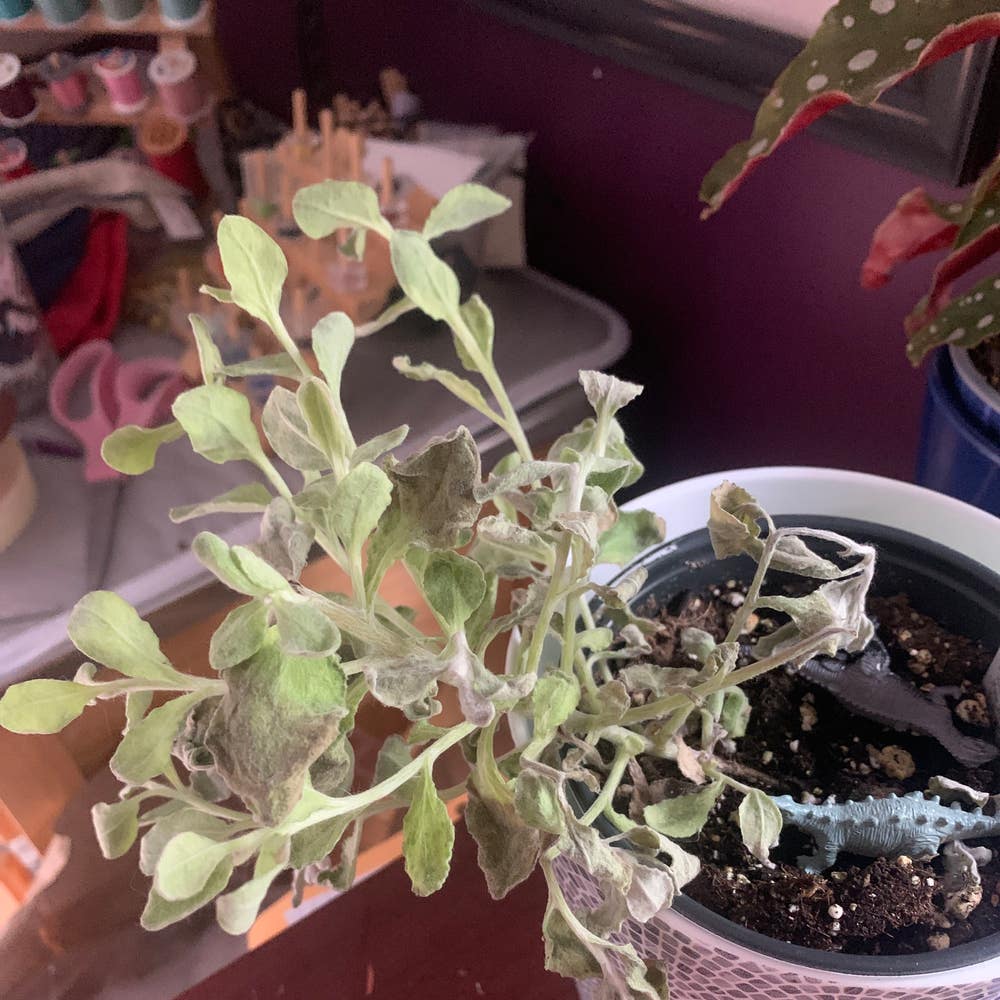
While Helichrysum loves the sun, too much can lead to problems. Signs of sunburn include crispy leaves or brown edges, indicating that your plant may need a bit of shade or reduced light exposure.
Overexposure can also result in wilting or stunted growth, so it's essential to monitor your plant's health closely. If you notice these signs, consider adjusting its light conditions to promote better growth and vitality.
Understanding the sunlight needs of Helichrysum is crucial for its success. With the right balance of light, your Helichrysum will thrive, leading us to explore how window direction can further enhance its growth.
Role of Window Direction
Best Window Directions for Helichrysum 🌞
When it comes to positioning your Helichrysum, window direction is key. South-facing windows are the champions, delivering the most direct sunlight throughout the day, ensuring your plants bask in the light they crave.
West-facing windows also shine brightly, providing strong afternoon light that Helichrysum loves. These windows can help your plants thrive, especially during those long summer days.
How Window Direction Affects Sunlight Exposure 🪟
Not all windows are created equal for Helichrysum. East-facing windows offer gentle morning light, which might not be enough for these sun-loving plants to flourish.
On the other hand, north-facing windows typically provide only indirect light. This lack of intensity makes them less than ideal for Helichrysum, which prefers a more robust light source to grow strong and vibrant.
Understanding these nuances can help you create the perfect environment for your Helichrysum, ensuring they receive the sunlight they need to thrive. Next, let’s explore how sunlight intensity varies by hemisphere, impacting your plant care strategies.
Hemisphere Considerations
☀️ Differences in Sunlight Intensity by Hemisphere
Sunlight intensity varies significantly between the Northern and Southern Hemispheres. In the Northern Hemisphere, summer months bring stronger sunlight, which is particularly beneficial for Helichrysum, promoting robust growth and vibrant blooms.
Conversely, the Southern Hemisphere experiences similar seasonal patterns, but local climate variations can influence light availability. Understanding these differences is crucial for optimizing Helichrysum care based on your location.
🌱 Seasonal Variations in Sunlight Exposure
Seasons play a vital role in determining sunlight exposure for Helichrysum. During summer, longer days and more intense sunlight create ideal conditions for these plants to thrive.
In winter, however, shorter days may necessitate adjustments in light exposure, especially for indoor plants. Plant parents should be prepared to modify their care routine to ensure Helichrysum receives adequate light during these darker months.
By recognizing these seasonal changes, you can better support your Helichrysum's growth and health throughout the year.
Common Misconceptions
🌞 Myths About Helichrysum and Sunlight
One common myth is that Helichrysum can thrive in low light conditions. In reality, these vibrant plants require bright, direct sunlight to flourish and maintain their health.
🌤️ Clarifying Misunderstandings About Light Needs
Another misconception is that all Mediterranean plants can tolerate shade. While some may manage in partial shade, Helichrysum truly prefers full sun to reach its full potential.
Understanding these misconceptions is crucial for anyone looking to cultivate Helichrysum successfully. By recognizing their true light needs, you can ensure your plants thrive in the best conditions possible.
Tips for Plant Parents
🌞 How to Assess Sunlight Conditions for Helichrysum
To ensure your Helichrysum thrives, start by observing light patterns in your home. Take note of how many hours of direct sunlight a specific location receives each day.
Using a light meter can provide a more precise measurement of light intensity. This tool helps you confirm that the light levels meet Helichrysum's needs for optimal growth.
💡 Adjusting Light Exposure for Optimal Growth
- Move plants closer to windows: This simple adjustment can significantly increase light exposure.
- Use sheer curtains: If the sunlight is too harsh, these can filter the light without blocking it entirely.
- Rotate plants regularly: This ensures even light distribution, promoting balanced growth on all sides.
🔍 Additional Considerations
Keep a close eye on your plant's health. Adjust light exposure based on how your Helichrysum responds to its environment.
During winter months, consider using grow lights to supplement natural sunlight. This can help maintain the vibrant growth and health of your plants when daylight hours are shorter.
With these tips, you’ll be well-equipped to provide the ideal sunlight conditions for your Helichrysum, ensuring they flourish beautifully. Next, let’s explore how window direction plays a crucial role in maximizing sunlight exposure for your plants.
⚠️ Safety First
This content is for general information and may contain errors, omissions, or outdated details. It is not medical, veterinary advice, or an endorsement of therapeutic claims.
Always consult a qualified healthcare professional before using any plant as food, medicine, or supplement.
Never eat any plant (or feed one to pets) without confirming its identity with at least two trusted sources.
If you suspect poisoning, call Poison Control (800) 222-1222, the Pet Poison Helpline (800) 213-6680, or your local emergency service immediately.
Spotted an error? Please report it here.
Give your Helichrysum the sunshine it craves ☀️ by using Greg's tailored light monitoring and care tips to ensure it thrives in the perfect spot!