🌼 Helichrysum Is a Garden Plant, Not a Weed
Helichrysum basalticum
By the Greg Editorial Team
Nov 07, 2024•5 min read
This article was created with the help of AI so we can cover more plants for you. May contain errors. See one? Report it here.
Transform your garden with Helichrysum 🌼—a low-maintenance beauty that boosts biodiversity and supports local ecosystems!
- 🌼 Helichrysum is a non-invasive plant, ideal for maintaining ecological balance in gardens.
- 🌞 Drought-tolerant and low-maintenance, it thrives in various garden conditions with minimal watering.
- 🐝 Attracts pollinators while enhancing biodiversity, making it a sustainable gardening choice.
Plant Classification
🌱 Non-Invasive Nature of Helichrysum
Helichrysum is celebrated for its non-invasive nature, primarily due to its slow to moderate growth rate. This characteristic allows it to thrive without overwhelming its surroundings, making it a great choice for gardeners seeking harmony in their landscapes.
Invasive plants, on the other hand, are notorious for their rapid growth and aggressive tendencies. They often outcompete native species, leading to negative impacts on local ecosystems. Understanding this distinction helps gardeners make informed choices that support biodiversity and ecological balance.
By choosing Helichrysum, you're not just adding beauty to your garden; you're also promoting a healthier environment. This plant's limited spread potential means it can coexist peacefully with other flora, enhancing your garden's overall vitality.
As we explore the growth habits of Helichrysum, you'll see how its unique attributes contribute to a thriving garden ecosystem.
Growth Habits
🌱 Typical Growth Patterns
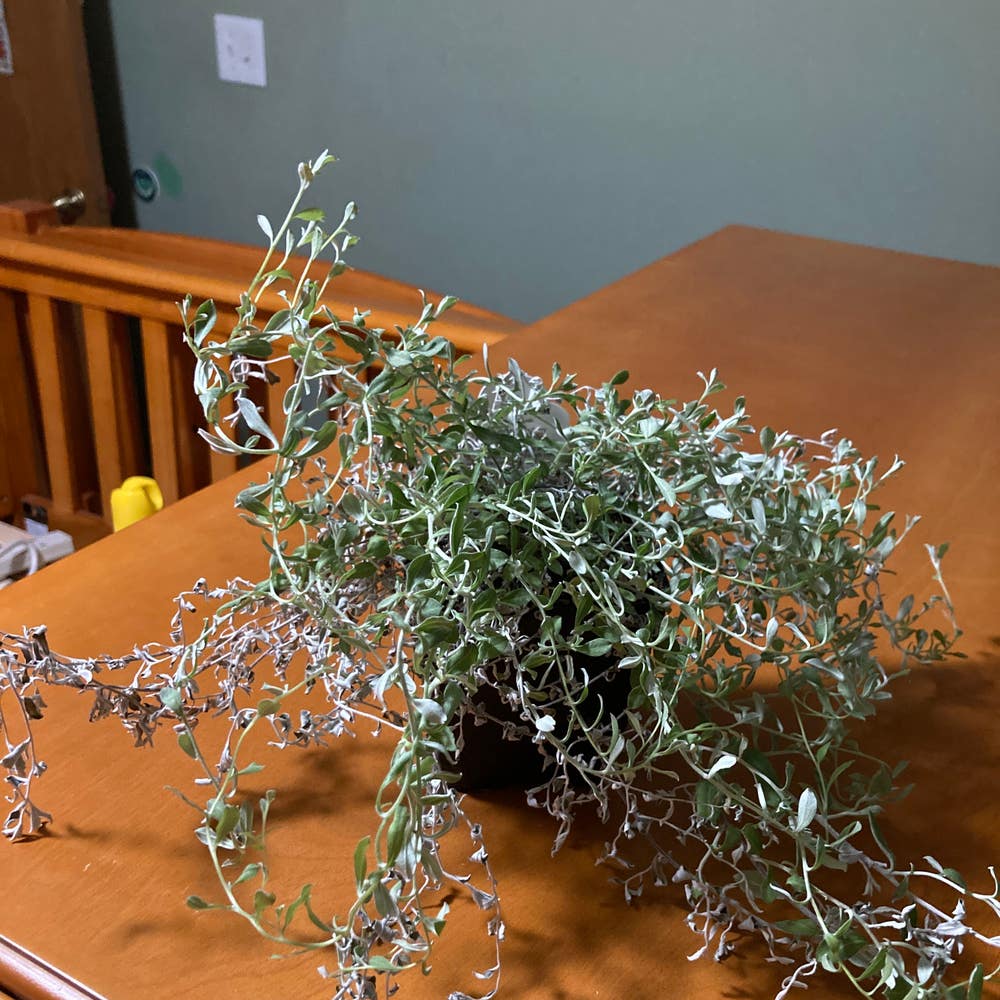
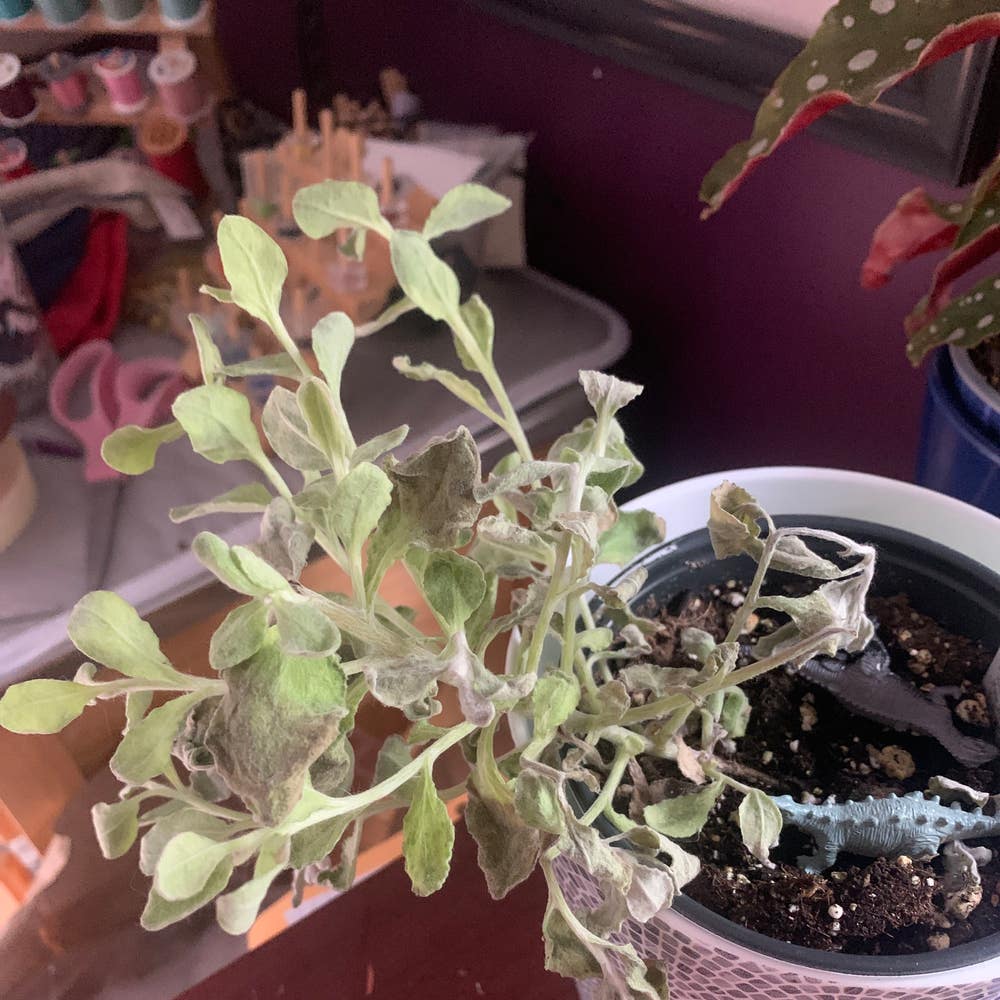
Helichrysum is an herbaceous perennial known for its bushy appearance. Typically, it grows to a height and width of 1-3 feet, depending on the species.
The blooming season stretches from late spring to early fall, showcasing vibrant flowers that attract a variety of pollinators. This makes it not only a beautiful addition to any garden but also a vital player in supporting local ecosystems.
🌍 Natural Limits to Growth
Helichrysum thrives in well-drained, sandy, or loamy soils, making it adaptable to various garden conditions.
Once established, it is drought-tolerant and requires minimal watering, which is a significant advantage for gardeners looking to conserve water.
In terms of environmental conditions, Helichrysum prefers full sun and can even tolerate poor soil conditions, making it a resilient choice for diverse landscapes.
With these growth habits, Helichrysum stands out as a low-maintenance yet visually appealing option for gardeners.
As we explore its ecological role, we’ll see how it benefits not just gardens but the broader environment as well.
Ecological Role
Benefits in Gardens and Ecosystems 🌼
Helichrysum plays a vital role in enhancing garden ecosystems. It attracts beneficial pollinators like bees and butterflies, which are essential for biodiversity.
Additionally, this plant provides habitat and food sources for local wildlife. Its presence can significantly contribute to a thriving garden environment.
Positive Interactions 🌱
Companion planting with Helichrysum can lead to remarkable growth for neighboring plants. This synergy not only boosts plant health but also creates a more vibrant garden.
Moreover, Helichrysum's aromatic foliage acts as a natural pest deterrent. This quality helps maintain a healthy ecosystem without the need for chemical interventions.
Incorporating Helichrysum into your garden design not only beautifies the space but also supports ecological balance. Its benefits extend beyond aesthetics, making it a valuable addition to any garden.
As we explore garden management strategies next, we'll discuss how to effectively incorporate Helichrysum into your designs.
Garden Management
Incorporating Helichrysum into Designs 🌼
Helichrysum is a versatile plant that can enhance various garden designs. Consider using it in borders, rock gardens, or as ground cover to create vibrant, textured landscapes.
When planning your garden, pair Helichrysum with other drought-tolerant and wildlife-friendly plants. This combination not only adds visual appeal but also supports local ecosystems by attracting beneficial pollinators.
Controlling Growth ✂️
To keep your Helichrysum thriving, regular pruning is essential. Deadheading spent blooms encourages new growth and prolongs the blooming season.
Additionally, monitor the plant's spread to prevent overcrowding. By assessing its growth patterns, you can maintain a balanced garden that showcases the beauty of Helichrysum without overwhelming other plants.
Incorporating these management techniques will ensure your garden flourishes, setting the stage for the next topic on comparing Helichrysum to other plants.
Comparison to Other Plants
🌼 Similar Non-Invasive Plants
When considering non-invasive flowering plants, Echinacea and Rudbeckia stand out alongside Helichrysum. Echinacea, known for its striking purple coneflowers, typically grows 2-4 feet tall and thrives in similar conditions, attracting pollinators with its vibrant blooms.
Rudbeckia, or black-eyed Susan, offers a sunny yellow hue and grows about 1-3 feet tall. Both plants share Helichrysum's ability to enhance biodiversity while providing essential habitats for local wildlife.
🌿 Unique Qualities of Helichrysum
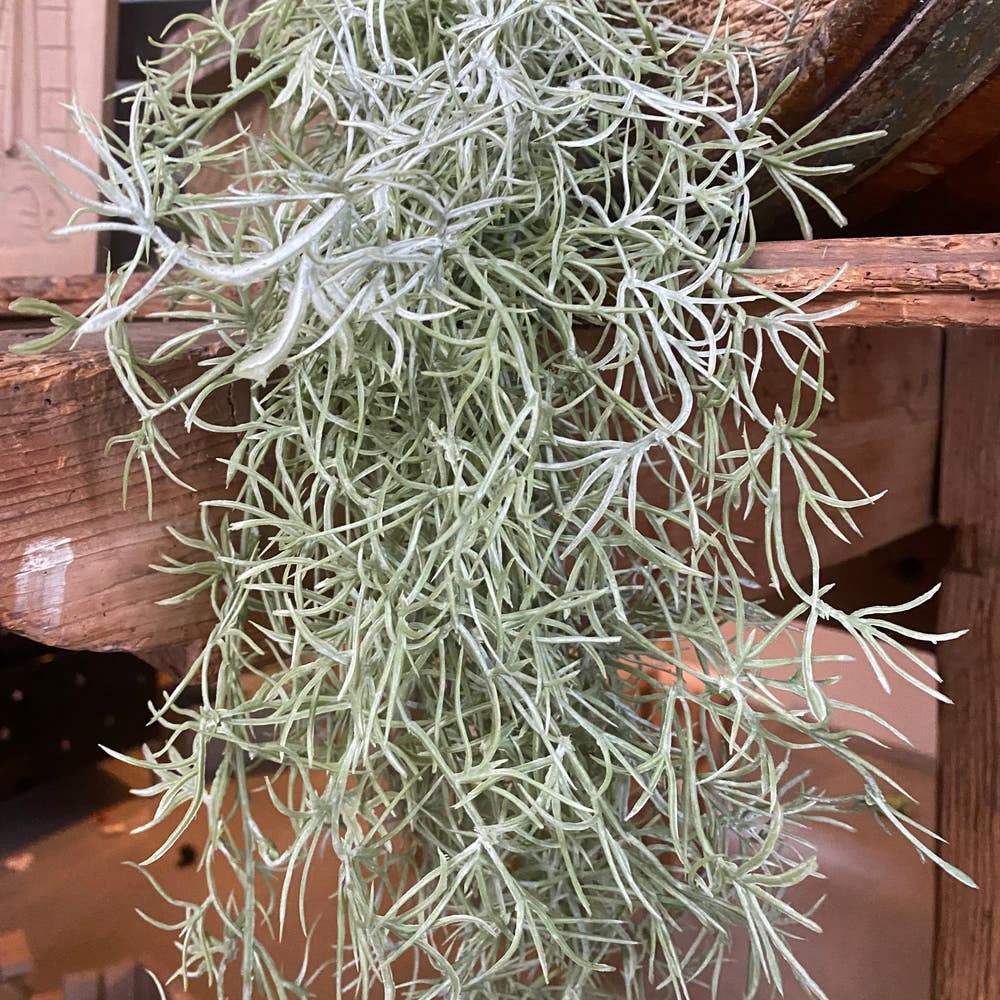
Helichrysum sets itself apart with its aromatic foliage and distinctive flower structures. The scent can deter pests, making it a natural ally in the garden.
Additionally, Helichrysum is remarkably drought-tolerant, requiring minimal maintenance once established. This resilience makes it an excellent choice for low-water gardens, allowing gardeners to enjoy beauty without excessive effort.
With its unique characteristics, Helichrysum not only complements other non-invasive plants but also brings its own flair to any garden setting.
As we explore garden management techniques, you'll discover how to effectively incorporate Helichrysum into your landscape.
Legal and Environmental Considerations
🌱 Classifications and Guidelines
When it comes to gardening, understanding local regulations on planting non-invasive species is crucial. Many regions have guidelines that promote the use of native or non-invasive plants to protect local ecosystems.
Selecting the right plants not only supports biodiversity but also ensures that your garden thrives without negatively impacting the environment. By choosing non-invasive species like Helichrysum, you contribute to a healthier ecosystem.
♻️ Role in Sustainable Practices
Helichrysum plays a significant role in sustainable gardening practices, particularly in xeriscaping and low-water gardens. These practices focus on conserving water while still creating beautiful landscapes.
Incorporating Helichrysum into your garden enhances biodiversity and supports local wildlife. Its drought tolerance makes it an excellent choice for environmentally conscious gardeners looking to make a positive impact.
By embracing these sustainable practices, you can create a vibrant garden that not only looks good but also contributes to the health of your local ecosystem.
As we explore further, let’s delve into how Helichrysum compares to other non-invasive plants and what unique qualities it brings to the table.
⚠️ Safety First
This content is for general information and may contain errors, omissions, or outdated details. It is not medical, veterinary advice, or an endorsement of therapeutic claims.
Always consult a qualified healthcare professional before using any plant as food, medicine, or supplement.
Never eat any plant (or feed one to pets) without confirming its identity with at least two trusted sources.
If you suspect poisoning, call Poison Control (800) 222-1222, the Pet Poison Helpline (800) 213-6680, or your local emergency service immediately.
Spotted an error? Please report it here.
Cultivate a thriving garden with Helichrysum that attracts pollinators and supports wildlife, and let Greg guide you with tailored watering reminders and care tips for sustainable success! 🌼