❄️ 7 Key Winter Strategies for Helichrysum
Helichrysum basalticum
By the Greg Editorial Team
Nov 07, 2024•3 min read
This article was created with the help of AI so we can cover more plants for you. May contain errors. See one? Report it here.
Ensure your Helichrysum thrives this spring with essential winter care tips! 🌱❄️
- ❄️ Frost protection is vital for Helichrysum to prevent winter damage.
- 🌱 Water less in winter; every 2-4 weeks is ideal to avoid root rot.
- 🌬️ Create windbreaks to shield Helichrysum from harsh winter winds.
Winter Care Strategies for Helichrysum
❄️ Frost Protection Techniques
Frost protection is crucial for Helichrysum, as it prevents damage to both foliage and roots. Implementing effective methods can safeguard your plants through the cold months.
Covering Plants
One of the easiest ways to protect your Helichrysum is by covering them with frost cloth or burlap. This simple technique acts as a barrier against freezing temperatures.
Using Mulch
Applying mulch around the base of your plants helps insulate the soil and roots. This method not only retains moisture but also provides a protective layer against frost.
Creating Windbreaks
For a more moderate approach, consider creating windbreaks using stakes and burlap. This setup can shield your plants from harsh winds that exacerbate frost damage.
💧 Adjusting Watering Schedules
Adjusting your watering schedule is essential during winter dormancy. Helichrysum requires significantly less water, and overwatering can lead to root rot.
Recommended Frequency
Water your plants every 2-4 weeks, depending on your local climate. This reduced frequency helps prevent excess moisture in the soil.
Signs of Overwatering
Be vigilant for signs of overwatering, such as yellowing leaves and mushy stems. These indicators can help you adjust your care routine promptly.
🌱 Fertilizing in Winter Months
During the winter months, it's generally best to minimize or avoid fertilization. Helichrysum is dormant and does not require additional nutrients.
When to Fertilize
Plan to apply fertilizer in early spring as growth resumes. This timing ensures your plants receive the nutrients they need to thrive.
Suitable Fertilizers
Opt for balanced slow-release fertilizers to support your Helichrysum. These types provide a steady supply of nutrients without overwhelming the plant.
🏠 Indoor Care
Transitioning Indoors for Winter
Before the first frost, it's time to bring your Helichrysum indoors. Timing is key to ensuring a smooth transition.
Steps for Successful Transition
- Gradually acclimate your plants to indoor conditions over a week.
- Inspect for pests before bringing them inside to prevent infestations.
- Choose a pot with drainage holes to avoid waterlogging.
💡 Indoor Lighting and Humidity Requirements
Helichrysum thrives in bright, indirect sunlight. Aim for 6-8 hours of light daily to keep your plants healthy.
Humidity Preferences
Moderate humidity levels between 40-60% are ideal for indoor Helichrysum.
Tips for Maintaining Humidity
To maintain humidity, consider using a humidity tray or misting your plants. These simple techniques can create a more favorable environment.
🌼 Spring Preparation and Recovery
Signs of Winter Damage
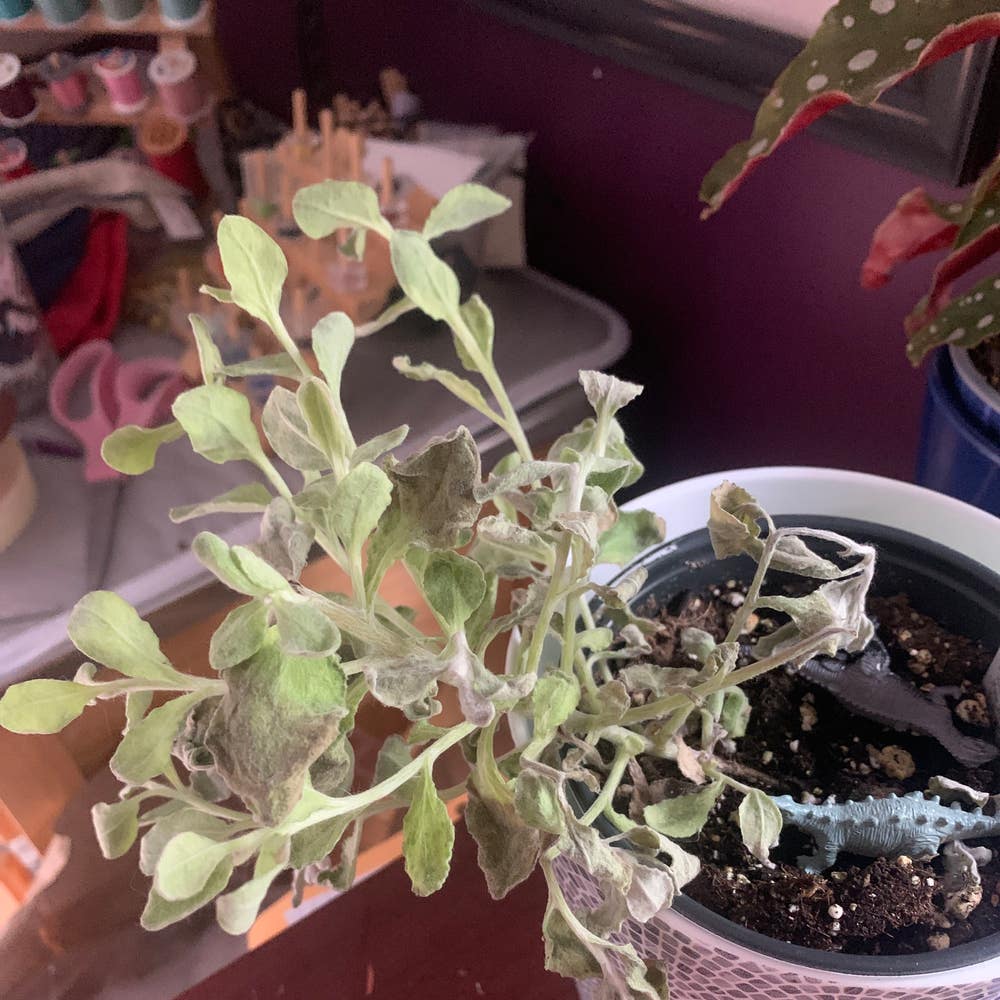
As winter ends, look for common indicators of stress, such as browning or wilting leaves. Early detection is vital for effective recovery.
Steps for Recovery and Rejuvenation
Start by pruning any damaged foliage to promote new growth. Apply balanced fertilizer as temperatures rise, and adjust your watering frequency to match the warming weather.
With these winter care strategies, your Helichrysum will be well-prepared to thrive come spring. Transitioning to the next topic, let's explore how to identify signs of winter damage and the best recovery methods.
⚠️ Safety First
This content is for general information and may contain errors, omissions, or outdated details. It is not medical, veterinary advice, or an endorsement of therapeutic claims.
Always consult a qualified healthcare professional before using any plant as food, medicine, or supplement.
Never eat any plant (or feed one to pets) without confirming its identity with at least two trusted sources.
If you suspect poisoning, call Poison Control (800) 222-1222, the Pet Poison Helpline (800) 213-6680, or your local emergency service immediately.
Spotted an error? Please report it here.
Keep your Helichrysum thriving this winter ❄️ with Greg's tailored care reminders and frost protection tips that ensure your plants stay healthy until spring!