Ultimate Guide to Fixing Curling Leaves on Helichrysum 🔧
Helichrysum basalticum
By the Greg Editorial Team
Nov 07, 2024•4 min read
This article was created with the help of AI so we can cover more plants for you. May contain errors. See one? Report it here.
Transform your Helichrysum's health 🌱 by mastering the diagnosis and treatment of curling leaves for vibrant growth! 🌼
- 🌱 Curling leaves indicate overwatering, underwatering, or nutrient deficiencies. Diagnose early for recovery!
- 💧 Proper watering and drainage are essential to prevent leaf curl and root rot.
- 🌞 Adjust light and seasonal care to keep Helichrysum healthy and thriving year-round.
Diagnosing Curling Leaves
🌿 Identifying Symptoms of Leaf Curl
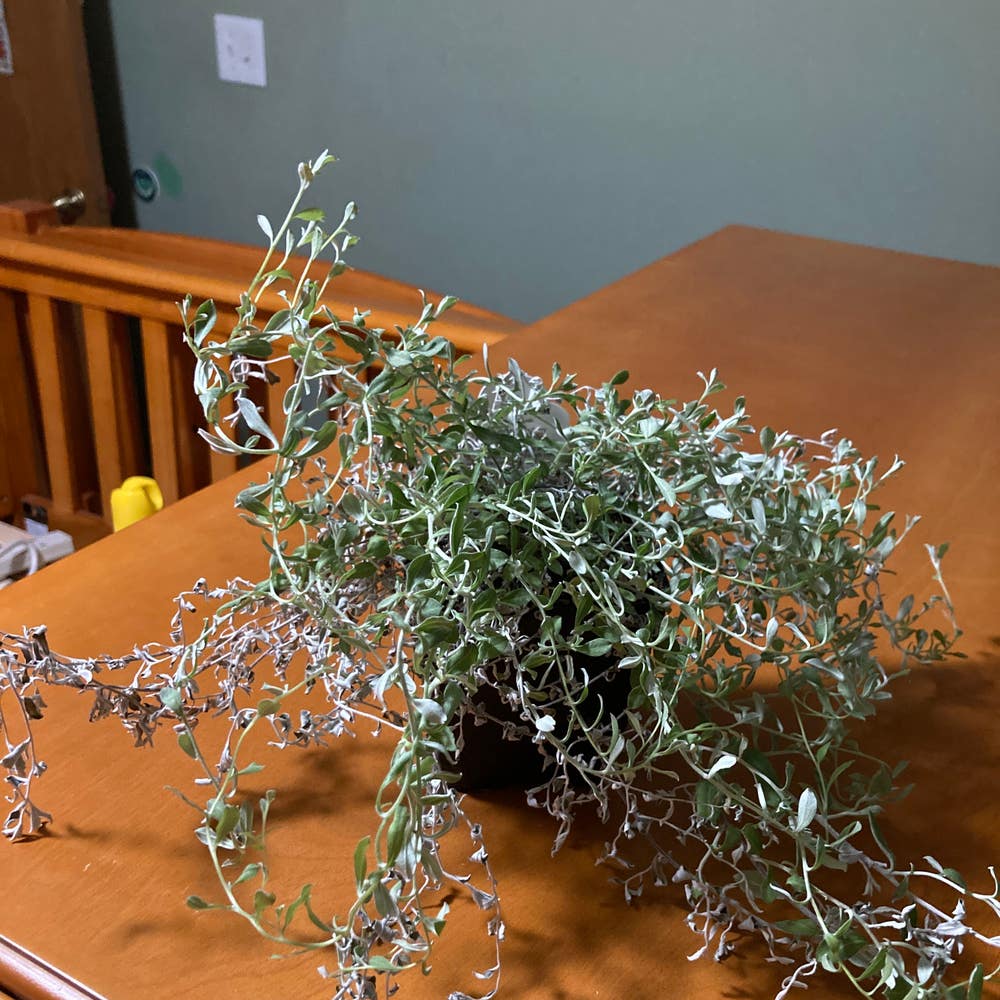
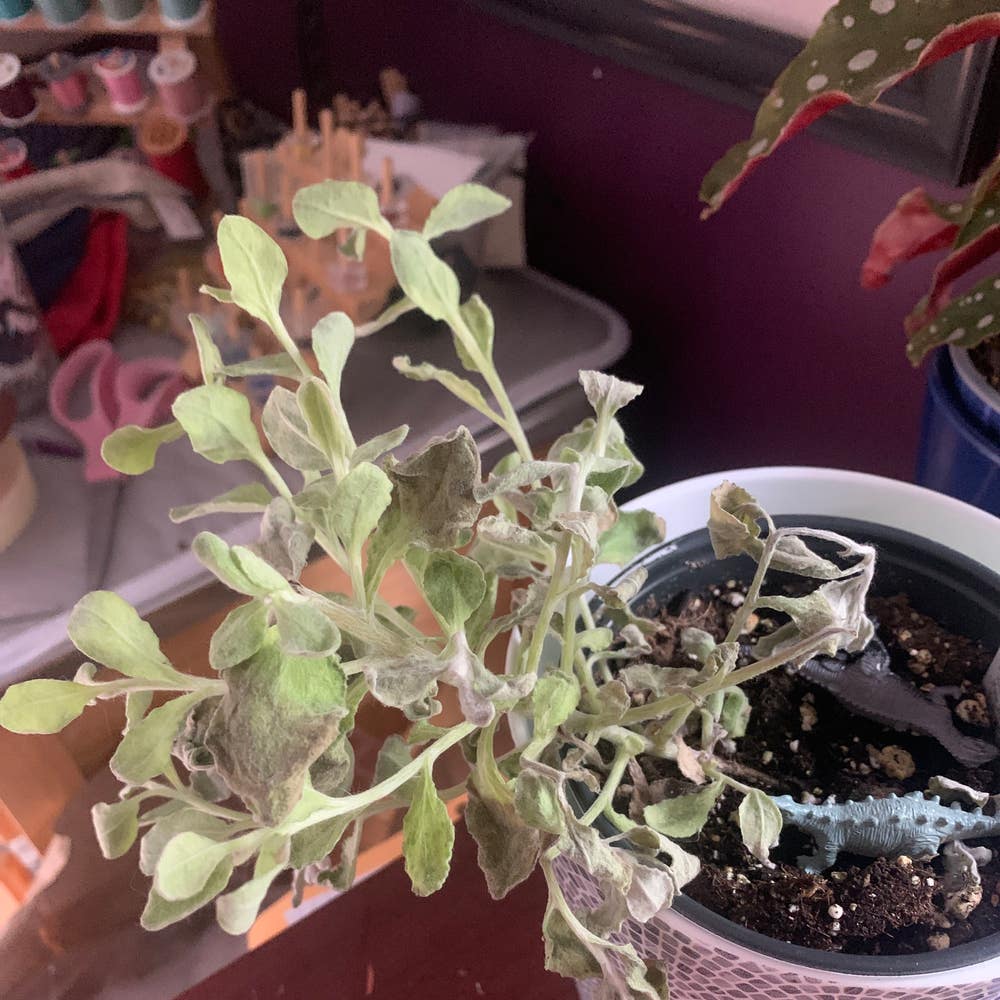
Curling leaves on your Helichrysum can be a distressing sight. The most common visual signs include curling edges and twisting leaves, which can indicate underlying issues.
Timing is crucial when diagnosing these symptoms. Early signs may be subtle, while advanced damage can lead to more pronounced curling and overall plant decline.
🔍 Differentiating Between Types of Curl
Understanding the type of curl is essential for effective treatment.
Upward Curl
Upward curling often signals overwatering or high humidity. This condition can lead to root rot if not addressed promptly, compromising the plant's health.
Downward Curl
Conversely, downward curling typically results from underwatering or nutrient deficiencies. This type of curl can stunt growth and weaken the plant, making it more susceptible to diseases.
Recognizing these symptoms and their implications is the first step in restoring your Helichrysum to health. With the right diagnosis, you can take targeted action to address the issues at hand.
Solutions for Curling Leaves
🌊 Adjusting Watering Practices
Proper watering is crucial for healthy Helichrysum plants. Start by assessing moisture levels using the finger test; simply stick your finger into the soil about an inch deep. If it feels dry, it’s time to water.
Next, establish a watering schedule tailored to the season and environmental conditions. In warmer months, you may need to water more frequently, while cooler months require less. Signs of proper watering include healthy, firm leaves that stand upright, indicating your plant is thriving.
🏞️ Improving Soil Drainage and Quality
Soil quality directly impacts your plant's health. To enhance drainage, consider adding amendments like perlite or sand to your soil mix. This will help prevent waterlogging, which can lead to root rot.
Choosing the right container is also essential. Always opt for pots with drainage holes to allow excess water to escape. To test your soil's drainage, perform a simple water test: pour water into the soil and observe how quickly it absorbs. If it pools on the surface, you may need to improve drainage.
🌱 Addressing Nutrient Deficiencies
Nutrient deficiencies can manifest in various ways, including changes in leaf color and stunted growth. Keep an eye out for these signs to catch issues early.
Establish a fertilization schedule, applying nutrients monthly during the growing season. Use balanced NPK fertilizers or organic options to support healthy growth. This proactive approach will help ensure your Helichrysum remains vibrant and strong.
🐛 Pest Management Strategies
Regular inspections are key to keeping pests at bay. Check your plants weekly for any signs of infestation, such as discolored leaves or visible bugs.
For organic pest control, consider using neem oil or insecticidal soap, which are effective and less harmful to beneficial insects. If the problem persists, you may need to explore chemical options, but use them as a last resort to protect your plant's health.
By implementing these solutions, you can effectively address curling leaves and promote the overall well-being of your Helichrysum. Next, let’s explore preventative measures to keep your plants healthy year-round.
Preventative Measures
🌱 Best Practices for Helichrysum Care
To keep your Helichrysum thriving, start with proper watering practices. Allow the soil to dry out between waterings to prevent over-saturation, which can lead to leaf curl.
Fertilization is equally important. Opt for slow-release fertilizers to provide a steady supply of nutrients, ensuring your plant remains healthy and vibrant.
Pruning is another key aspect of care. Regularly remove dead or damaged leaves to promote new growth and improve air circulation around the plant.
🍂 Seasonal Care Tips to Prevent Leaf Curl
As the seasons change, so should your care routine. In spring, focus on preparing the soil and applying fertilizer to kickstart growth.
During summer, keep a close eye on pests and adjust your watering schedule based on the heat. This proactive approach helps maintain plant health.
In fall, reduce watering as temperatures drop. This adjustment helps your Helichrysum prepare for the cooler months ahead.
🌡️ Monitoring Environmental Conditions
Environmental factors play a crucial role in the health of your Helichrysum. Regularly check temperatures, aiming for an ideal range of 15°C to 30°C.
Humidity levels also matter, especially for indoor plants. Maintaining moderate humidity can prevent stress and promote healthy growth.
Lastly, consider light exposure. Adjust your plant's placement according to seasonal changes to ensure it receives the right amount of sunlight throughout the year.
By implementing these preventative measures, you can significantly reduce the risk of curling leaves on your Helichrysum. This proactive care will not only enhance the plant's appearance but also its overall health, setting the stage for vibrant blooms and lush foliage.
⚠️ Safety First
This content is for general information and may contain errors, omissions, or outdated details. It is not medical, veterinary advice, or an endorsement of therapeutic claims.
Always consult a qualified healthcare professional before using any plant as food, medicine, or supplement.
Never eat any plant (or feed one to pets) without confirming its identity with at least two trusted sources.
If you suspect poisoning, call Poison Control (800) 222-1222, the Pet Poison Helpline (800) 213-6680, or your local emergency service immediately.
Spotted an error? Please report it here.
Keep your Helichrysum healthy and curl-free 🌿 by using Greg's tailored watering alerts and nutrient reminders to ensure your plant thrives with vibrant blooms!