🐅 Tiger Lily is Not an Invasive Plant
Lilium lancifolium
By the Greg Editorial Team
Oct 02, 2024•5 min read
This article was created with the help of AI so we can cover more plants for you. May contain errors. See one? Report it here.
Elevate your garden's beauty and support local wildlife with the vibrant Tiger Lily! 🌼🌱
- 🌼 Tiger Lilies bloom mid-summer, reaching 2-4 feet with vibrant orange flowers.
- 🌱 Easy to propagate from bulbs, making them perfect for all gardening levels.
- 🐝 Non-invasive and eco-friendly, they attract pollinators and enhance garden biodiversity.
Growth Habits
Typical Patterns 🌼
Tiger Lilies typically grow to a height of 2 to 4 feet, making them a striking addition to any garden. They bloom in mid-summer, showcasing distinctive orange flowers that are hard to miss.
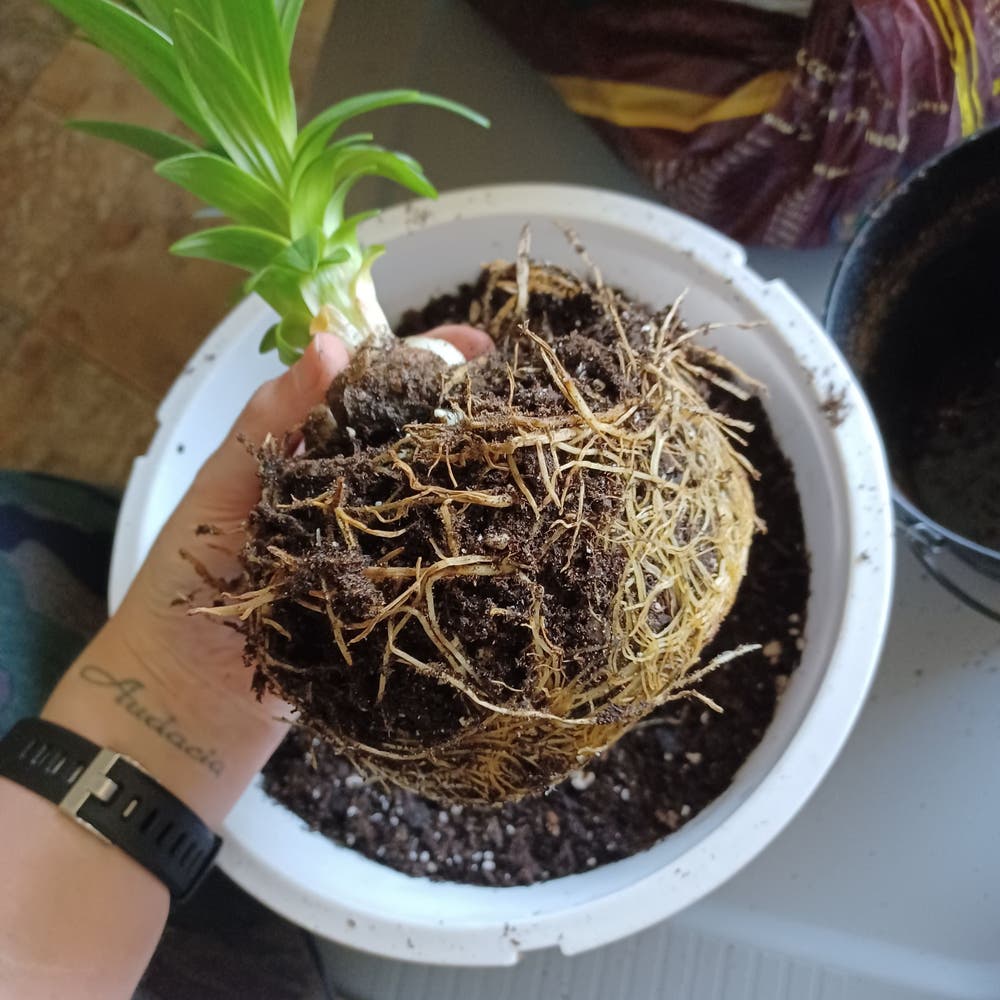
Their growth from bulbs makes them easy to propagate and manage, perfect for both novice and experienced gardeners alike.
Natural Limits 🌍
Environmental factors play a crucial role in the growth of Tiger Lilies. They thrive in well-drained soils, requiring adequate sunlight and moisture to flourish.
Understanding these preferences can help you create the ideal conditions for these vibrant plants.
Spread Potential 🌱
One of the key benefits of Tiger Lilies is their limited spread due to their bulbous nature. This characteristic helps keep their growth manageable and prevents them from overtaking your garden.
For optimal garden design, consider spacing them appropriately to avoid overcrowding, allowing each plant to shine in its own space.
Ecological Role
Benefits to Wildlife 🐝
Tiger Lily is a magnet for pollinators, particularly bees and butterflies. These vibrant flowers play a crucial role in supporting local ecosystems through their pollination efforts.
Interactions with Other Plants 🌼
Companion planting with Tiger Lily can significantly enhance garden biodiversity. Plants like coneflowers and black-eyed Susans thrive alongside Tiger Lily, creating a harmonious and vibrant garden ecosystem.
Ecosystem Health 🌱
The decay of Tiger Lily bulbs contributes positively to soil health. Maintaining plant diversity in gardens is essential, as it fosters resilience and supports a variety of wildlife.
Incorporating Tiger Lily into your garden not only beautifies the space but also enriches the local ecosystem. This plant's ecological benefits make it a valuable addition to any garden design.
Garden Management
Incorporating into Designs 🌼
Integrating Tiger Lily into your garden can elevate its charm. These vibrant flowers fit beautifully in various styles, from cottage gardens to modern landscapes.
Consider planting them in clusters for a striking visual impact. Pair them with taller plants like sunflowers or shorter ground covers to create layers and depth.
Recommended Companion Plants 🌱
Tiger Lilies thrive alongside other non-invasive plants. Consider companions like:
- Daylilies: Their similar growth habits complement each other.
- Astilbe: Adds texture and thrives in similar conditions.
- Coneflowers: Attracts pollinators and enhances biodiversity.
These combinations not only look great but also support a healthy ecosystem.
Aesthetic Considerations 🎨
The distinctive orange flowers of Tiger Lily bring a pop of color to any garden. Their lush green foliage provides a beautiful backdrop, ensuring visual interest throughout the growing season.
In late summer, as other plants begin to fade, Tiger Lilies continue to shine, making them a reliable choice for ongoing beauty.
Seasonal Interest 🌸
Tiger Lilies bloom in mid-summer, but their foliage remains attractive before and after flowering. This seasonal interest keeps your garden vibrant and engaging year-round.
Growth Control Methods ✂️
Managing the growth of Tiger Lilies is essential for a tidy garden. Techniques like deadheading—removing spent flowers—encourage more blooms and prevent unwanted seed spread.
Dividing bulbs every few years helps maintain vigor and control overcrowding. Aim for spacing of about 12-18 inches to allow each plant room to flourish.
Monitoring Growth 🔍
Regularly check your Tiger Lilies for signs of overcrowding. If they start to compete for space, it’s time to divide or relocate some bulbs.
This proactive approach ensures your garden remains healthy and visually appealing, allowing each plant to shine.
Incorporating these management techniques will not only enhance your garden's beauty but also support its ecological health. Next, let’s explore the unique qualities of Tiger Lily compared to other plants.
Comparison to Other Plants
🌼 Similar Non-Invasive Plants
Tiger Lily stands out, but it's not alone in the garden. Other non-invasive plants like Daylilies and Asiatic Lilies share similar characteristics, making them excellent companions.
These plants also thrive in various conditions, offering vibrant blooms without the risk of taking over your garden. Their compatibility with Tiger Lily enhances the overall aesthetic and ecological balance.
🌟 Unique Qualities
What sets Tiger Lily apart is its striking orange flowers adorned with dark spots. This unique visual appeal draws the eye and adds a splash of color to any landscape.
Additionally, Tiger Lily adapts well to different soil types and conditions, making it a versatile choice for gardeners. Its resilience ensures that it flourishes in various environments.
🌱 Garden Benefits
Tiger Lily offers numerous advantages over similar plants. Its ability to attract pollinators like bees and butterflies supports local ecosystems, enhancing biodiversity.
Moreover, its bulbous nature allows for easy management and control, making it a practical choice for gardeners. By incorporating Tiger Lily, you're not just beautifying your space; you're also contributing positively to the environment.
As you consider your garden design, remember that Tiger Lily is more than just a pretty flower—it's a beneficial addition that promotes a healthy ecosystem.
Legal and Environmental Considerations
🌱 Sustainable Practices
Incorporating non-invasive plants like Tiger Lily into your garden is crucial for sustainable gardening. These plants promote biodiversity and enhance ecosystem health, creating a thriving environment for various species.
🌍 Environmental Impact
Tiger Lily plays a positive role in local ecosystems, contributing to pollination without causing harm. Its minimal negative impact makes it a responsible choice for gardeners who care about the environment.
📋 Guidelines for Planting
When planting Tiger Lily, consider its ecological benefits by choosing locations that support local wildlife. Educating others about non-invasive gardening practices can further enhance community efforts toward sustainability.
By embracing these practices, you can cultivate a garden that not only looks beautiful but also supports the environment. This sets the stage for a deeper understanding of how Tiger Lily interacts with other plants and contributes to overall garden health.
⚠️ Safety First
This content is for general information and may contain errors, omissions, or outdated details. It is not medical, veterinary advice, or an endorsement of therapeutic claims.
Always consult a qualified healthcare professional before using any plant as food, medicine, or supplement.
Never eat any plant (or feed one to pets) without confirming its identity with at least two trusted sources.
If you suspect poisoning, call Poison Control (800) 222-1222, the Pet Poison Helpline (800) 213-6680, or your local emergency service immediately.
Spotted an error? Please report it here.
Transform your garden into a vibrant ecosystem with Tiger Lilies 🌷—let Greg guide you with personalized care tips and reminders to ensure your blooms flourish beautifully! Cultivate success!