🌞 Is My Pencil Cholla Getting Too Much Direct Sunlight?
Cylindropuntia kleiniae
By the Greg Editorial Team
Apr 14, 2024•3 min read
This article was created with the help of AI so we can cover more plants for you. May contain errors. See one? Report it here.
Decode your Pencil Cholla's sunbathing signals for a thriving, sun-kissed cactus. 🌵☀️
- 🌵 Pencil Cholla loves sun, but too much causes sunburn.
- Seasonal care adjustments are crucial for Pencil Cholla health.
- Monitor for signs like color and growth to gauge sunlight needs.
Sun-Kissed or Sunburned? Pencil Cholla's Relationship with Direct Sunlight
🌞 Pencil Cholla's Natural Sunbathing Habits
Originating from the sun-drenched deserts of California, the Pencil Cholla is no stranger to basking in bright light. In its natural habitat, this cactus endures long hours under the relentless sun, its narrow joints and sparse spines adapted to soak up rays.
🚫 The Good, The Bad, and The Sunburn
Too much direct sun can push a Pencil Cholla from sun-kissed to sunburned. While these cacti crave brightness, there's a fine line before their green turns to grim. Overexposure leads to discoloration and potential damage, so moderation is key.
🟢 Signs Your Pencil Cholla is Getting Just the Right Amount of Sunshine
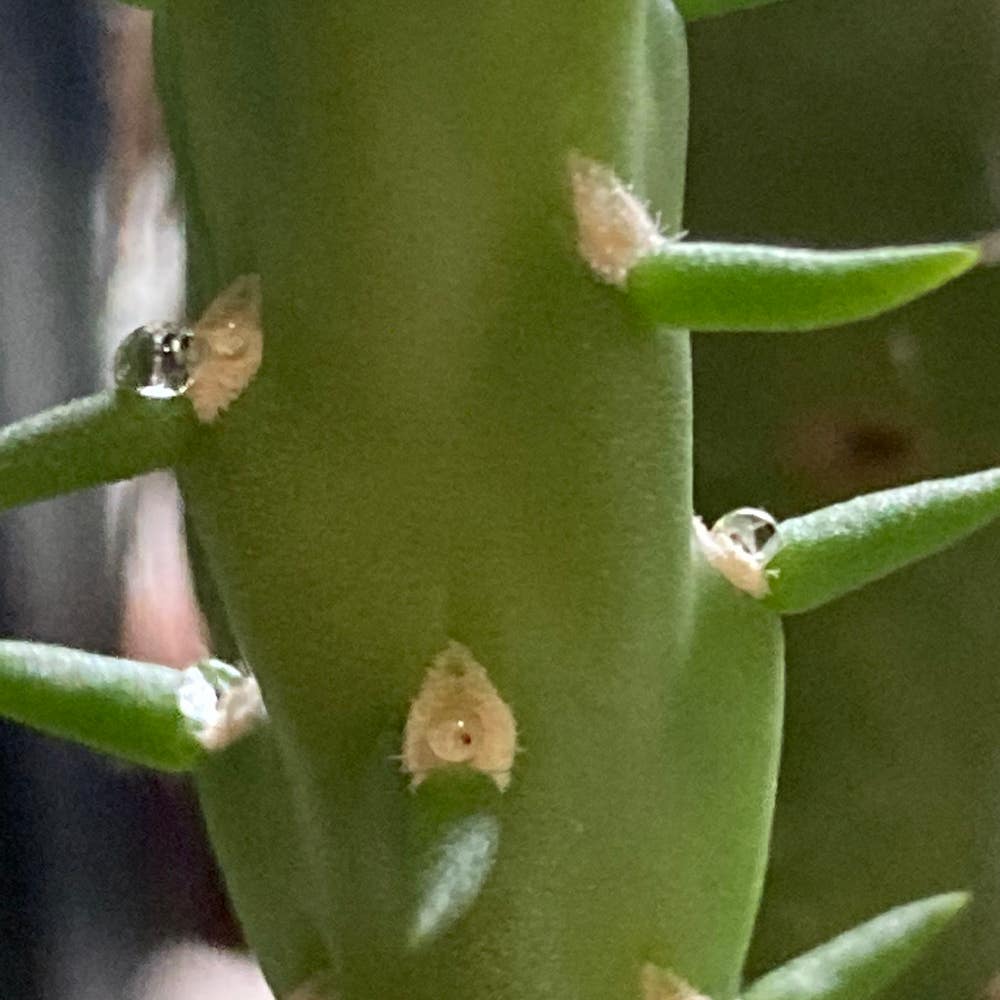
A Pencil Cholla in its prime flaunts a healthy green complexion, robust growth, and may surprise with a bloom. Signs of distress, however, include bleaching or a sunburnt appearance. It's all about that golden hue, indicating your cactus is getting its perfect dose of vitamin D.
Through the Window: How Your Home Affects Pencil Cholla's Tan
🌅 The Direction Dilemma: North, South, East, or West?
Finding the optimal window for your Pencil Cholla isn't just about throwing open the curtains and hoping for the best. East-facing windows? They're your cactus's gentle alarm clock, easing it into the day with soft morning light. West-facing windows come with a bit of drama, serving up an intense afternoon light show that can be a bit much for your spiky friend.
🌐 Hemisphere Highlights: Does it Matter?
Oh, it matters. If you're lounging in the Northern Hemisphere, south-facing windows are your Pencil Cholla's ticket to a sun-soaked siesta. Flip the globe to the Southern Hemisphere, and it's the north-facing windows that'll give your cactus the spotlight it craves. But don't get too comfy—seasons change, and so does the sun's angle. Keep an eye out for your cactus's cues and be ready to shuffle it to a new spot when it starts throwing shade... literally.
Seasonal Sun Shifts: Adapting Pencil Cholla Care Through the Year
🌞 Summer Scorcher vs. Winter Woes
Summer brings the heat, and with it, the need for a little shade for your Pencil Cholla. It's not just about avoiding sunburn; it's about balance. Too much direct sunlight can stress your spiky buddy, so consider a spot that offers morning sun and afternoon relief.
Winter, on the other hand, is a different beast. Shorter days and a weaker sun mean your cactus could use a front-row seat at the sunniest window available. Keep it cozy, but not too close to cold drafts that could make it shiver.
🚦 Reading the Signs: When to Move Your Cactus
Your Pencil Cholla will tell you when it's time to move—listen. If it starts leaning like a sun worshipper, it's probably craving more light. A color change, from vibrant green to a pale or yellow hue, is a distress signal for too much sun.
Dormancy is another clue. In the cooler months, growth slows down. This is your cue to ease up on the watering and let your cactus rest. Come spring, as the days lengthen, it's showtime—move your Pencil Cholla back into the limelight to encourage blooming.
Remember, it's not just about shifting positions with the seasons; it's about keeping a watchful eye and responding to your cactus's needs. Stay sharp, and your Pencil Cholla will stay healthy.
⚠️ Safety First
This content is for general information and may contain errors, omissions, or outdated details. It is not medical, veterinary advice, or an endorsement of therapeutic claims.
Always consult a qualified healthcare professional before using any plant as food, medicine, or supplement.
Never eat any plant (or feed one to pets) without confirming its identity with at least two trusted sources.
If you suspect poisoning, call Poison Control (800) 222-1222, the Pet Poison Helpline (800) 213-6680, or your local emergency service immediately.
Spotted an error? Please report it here.
Keep your Pencil Cholla perfectly sun-kissed 🌵 by letting Greg's PlantVision measure and track its sunlight exposure for optimal health and growth.