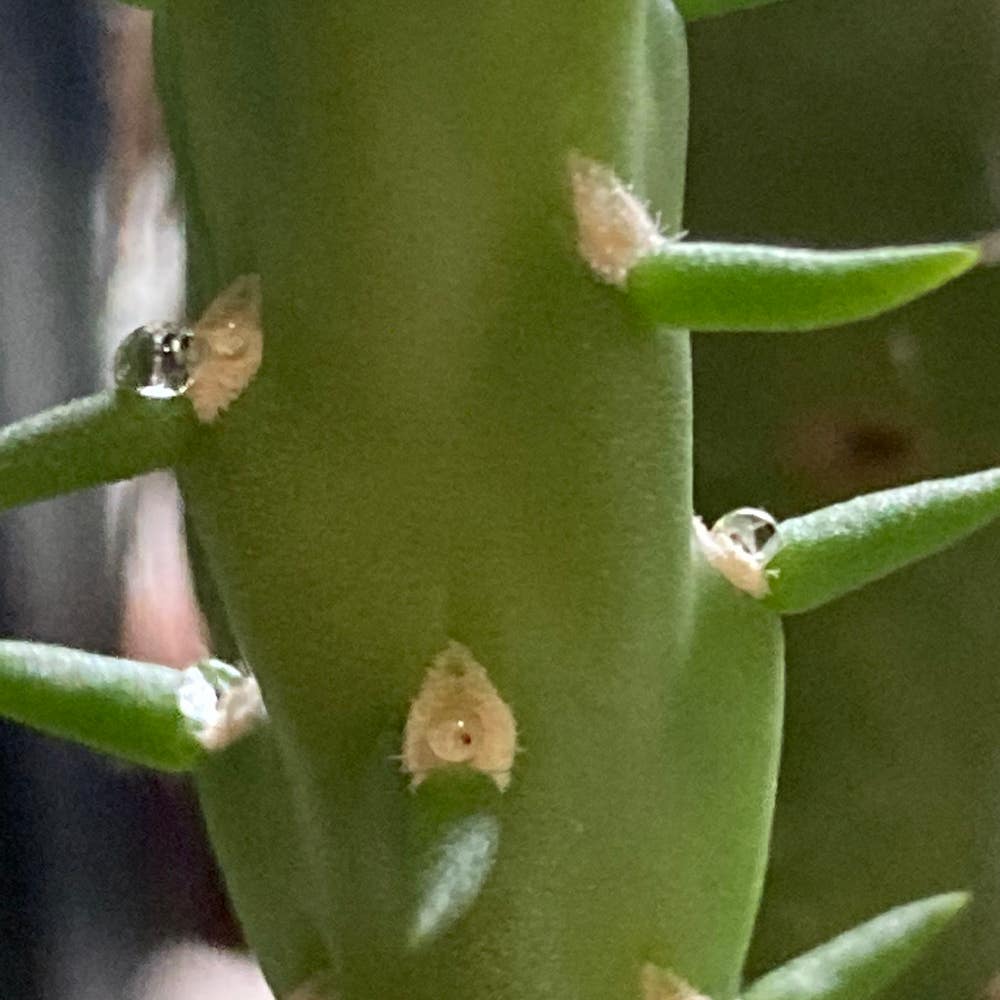
Why Cholla Cactus Is A Perennial Plant 🌵
Cylindropuntia kleiniae
By the Greg Editorial Team
Nov 23, 2024•7 min read
This article was created with the help of AI so we can cover more plants for you. May contain errors. See one? Report it here.
Unlock decades of beauty and resilience in your garden with the low-maintenance cholla cactus! 🌱
- 🌵 Cholla cacti thrive for 20-50 years, making them ideal for long-term gardening.
- 🌞 Four growth stages ensure resilience and adaptability to environmental changes.
- 💧 Drought-resistant and low-maintenance, cholla cacti simplify garden care.
Characteristics of Cholla Cactus as a Perennial
🌱 Multi-Year Lifecycle
The cholla cactus exhibits a fascinating multi-year lifecycle that includes four distinct stages: germination, juvenile, mature, and senescence. Each stage plays a crucial role in the plant's development and longevity.
Germination: This initial stage occurs when seeds find suitable conditions, typically after rainfall. It can take anywhere from a few days to several weeks for seeds to sprout, depending on moisture and temperature.
Juvenile Stage: Following germination, the juvenile stage lasts about 1 to 3 years. During this time, the cactus develops its foundational structure, focusing on root establishment and initial growth.
Mature Stage: After reaching maturity, which can take 3 to 10 years, the cholla cactus begins to produce flowers and fruits. This stage can last for decades, allowing the plant to thrive and reproduce.
Senescence: Eventually, the plant enters senescence, where growth slows significantly. This stage can last several years, during which the cactus may still produce flowers but at a reduced rate.
🌿 Growth Patterns and Regrowth
Cholla cacti exhibit distinct seasonal growth patterns, thriving during warmer months and entering dormancy when temperatures drop. This cyclical behavior is essential for their survival in arid environments.
Active Growth: In spring and summer, cholla cacti actively grow, utilizing available moisture and sunlight to expand their size and produce vibrant flowers. This is the time to witness their full beauty.
Dormancy: As temperatures cool in fall and winter, these cacti enter a dormant phase. During this time, they conserve energy and resources, preparing for the next growth cycle.
The remarkable root system of the cholla cactus plays a vital role in its ability to regrow after damage. Even if the plant loses segments due to environmental stress or animal interactions, the roots can support new growth, ensuring the plant's survival.
This resilience not only highlights the cholla cactus's adaptability but also sets the stage for understanding its impact on gardening and landscaping. As we explore further, we’ll delve into how these characteristics influence flowering and lifespan.
Impact of Perennial Nature
Effects on Flowering and Lifespan 🌼
Cholla cacti have distinct flowering phases that are closely tied to environmental conditions. Typically, they bloom in the warmer months, with flowering often triggered by increased temperatures and adequate moisture.
As perennials, cholla cacti can live for several decades, with an average lifespan ranging from 20 to 30 years. This longevity allows them to establish a robust presence in their habitats, making them a reliable choice for gardeners.
Advantages for Gardeners 🌱
One of the key benefits of cholla cacti is their established root systems, which significantly reduce the need for replanting. This characteristic makes them ideal for long-term garden planning, as they can thrive year after year without the hassle of frequent replacements.
Additionally, their deep root systems enhance drought resistance. This adaptation allows cholla cacti to efficiently absorb nutrients and water, ensuring they remain healthy even during dry spells.
By incorporating cholla cacti into your garden, you not only enjoy their beauty but also benefit from their resilience and low maintenance needs.
As we explore further, let's delve into the dormancy and seasonal changes that affect these fascinating plants.
Dormancy and Seasonal Changes
🌱 Description of Dormancy
Dormancy in cholla cactus refers to a period when growth significantly slows down or halts. This phase is crucial for conserving energy and resources, allowing the plant to survive harsh environmental conditions.
Typically, dormancy occurs during the cooler months, especially in winter. During this time, the cactus may appear less vibrant, but it's simply resting and preparing for the next growth cycle.
🍂 Seasonal Changes
As the seasons shift, the cholla cactus undergoes noticeable changes. In spring and summer, it bursts with life, showcasing vibrant colors and new growth, while in fall and winter, it may take on a more subdued appearance.
These seasonal changes are not just cosmetic; they reflect the plant's physiological adaptations. Cholla cacti adjust to temperature fluctuations and moisture availability, ensuring they thrive in varying conditions.
Understanding these dormancy and seasonal changes helps gardeners appreciate the resilience of cholla cacti and plan accordingly for their care. As we move forward, let’s explore how these factors influence the lifespan and longevity of this remarkable plant.
Lifespan and Longevity Factors
🕰️ Expected Lifespan
Cholla cacti typically enjoy a lifespan of 30 to 50 years, depending on their environment and care. This longevity makes them a reliable choice for gardeners looking to establish long-term plantings.
When compared to other cacti, cholla cacti hold their own. Many perennials may only last a few years, while some other cacti can live for over a century. Cholla's resilience places it firmly in the middle of the longevity spectrum among desert plants.
🌱 Factors Influencing Longevity
Several environmental factors play a crucial role in determining the lifespan of cholla cacti. Soil quality is paramount; well-draining, nutrient-rich soil supports healthier growth.
Water availability is another key factor. While cholla cacti are drought-resistant, consistent moisture during their active growth phase can enhance their vitality. Sunlight exposure also matters; these cacti thrive in full sun, which promotes robust growth.
Human impact cannot be overlooked. Proper care practices, such as regular watering and pest management, can significantly extend a cholla cactus's life. Conversely, neglect or poor garden management can lead to premature decline.
Understanding these factors allows gardeners to create optimal conditions for their cholla cacti. By focusing on environmental quality and mindful care, you can ensure these resilient plants thrive for decades to come.
As we explore the variations of cholla cacti across different climate zones, we’ll see how adaptability plays a vital role in their longevity.
Variations Across Climate Zones
🌵 Perennial Behavior in Different Climates
Cholla cacti exhibit remarkable adaptability to various climate conditions. In arid regions, they thrive by developing deep root systems that access underground moisture, while in milder climates, they may grow more vigorously due to less extreme temperature fluctuations.
Different species of cholla, such as the Teddy Bear Cholla and the Chain Fruit Cholla, showcase unique adaptations. For instance, the Teddy Bear Cholla has a dense covering of spines that helps reduce water loss, while the Chain Fruit Cholla produces fruits that can sprout in diverse environments, ensuring survival across different habitats.
🌦️ Adaptations to Growing Conditions
Cholla cacti have specific adaptations that enable them to manage temperature extremes effectively. Some species can tolerate high heat by closing their stomata during the hottest parts of the day, minimizing water loss.
Moisture levels also play a crucial role in their growth patterns. In regions with sporadic rainfall, cholla cacti can store water in their tissues, allowing them to survive prolonged dry spells. This ability not only affects their growth but also influences their flowering cycles, with blooms often appearing after rainfall events, showcasing their resilience and adaptability to their surroundings.
Understanding these variations helps gardeners select the right cholla species for their climate, ensuring a thriving, low-maintenance garden. As we explore the next section, we’ll delve into how to maximize the benefits of these resilient perennials in your garden planning.
Maximizing Benefits in Garden Planning
Tips for Utilizing Perennial Nature 🌱
Strategic placement of cholla cactus in your garden can significantly enhance its growth and flowering potential. Consider factors like sunlight exposure, available space, and the compatibility of companion plants to create a thriving environment.
When planning for seasonal changes, it’s essential to prepare for both dormancy and active growth phases. Understanding when your cholla cactus will enter dormancy allows you to adjust watering and care routines accordingly, ensuring it remains healthy throughout the year.
Long-Term Cultivation Strategies 🌿
Maintaining the health and vigor of your cholla cactus involves a few best practices. Regular watering, appropriate soil management, and vigilant pest control are crucial to keeping your plant thriving.
To encourage flowering, focus on providing the right conditions that attract pollinators. This can include planting nearby flowers that bloom at the same time, creating a vibrant ecosystem that benefits both your cholla cactus and its companions.
By implementing these strategies, you can maximize the benefits of your cholla cactus's perennial nature, ensuring a flourishing garden year after year. Next, let’s explore the lifespan and longevity factors that influence the growth of this remarkable plant.
⚠️ Safety First
This content is for general information and may contain errors, omissions, or outdated details. It is not medical, veterinary advice, or an endorsement of therapeutic claims.
Always consult a qualified healthcare professional before using any plant as food, medicine, or supplement.
Never eat any plant (or feed one to pets) without confirming its identity with at least two trusted sources.
If you suspect poisoning, call Poison Control (800) 222-1222, the Pet Poison Helpline (800) 213-6680, or your local emergency service immediately.
Spotted an error? Please report it here.
Nurture your cholla cacti through their decades-long journey 🌵 with Greg's tailored care tips and watering reminders, ensuring they thrive at every stage of their remarkable lifecycle!