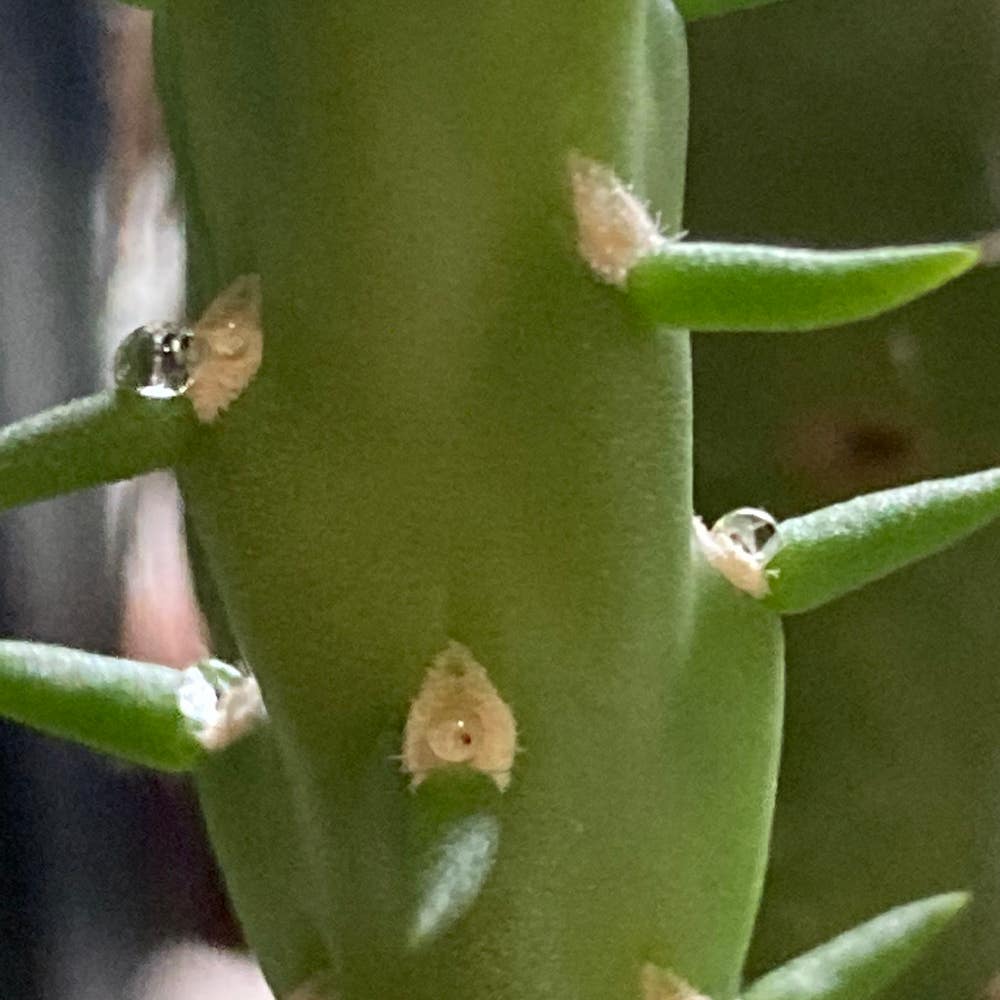
9 Secrets to Successfully Grow Cholla Cactus 🌵
Cylindropuntia kleiniae
By the Greg Editorial Team
Nov 23, 2024•6 min read
This article was created with the help of AI so we can cover more plants for you. May contain errors. See one? Report it here.
Unlock the secret to thriving cholla cacti 🌵 with essential care tips that will elevate your gardening game!
- 🌞 Cholla cactus needs 6-8 hours of sunlight daily for optimal growth.
- 🌱 Proper drainage and spacing prevent root rot and promote airflow.
- 🌬️ Windbreaks protect cholla cactus from harsh conditions, ensuring stability and health.
Choosing the Right Location
🌞 Outdoor Location Considerations
When growing cholla cactus, selecting the right outdoor location is crucial. These plants thrive in full sun, requiring at least 6 to 8 hours of direct sunlight daily to flourish.
Space is another key factor. Ensure you allow adequate spacing between each cactus to promote airflow, which helps prevent disease and encourages healthy growth.
Additionally, consider the impact of harsh winds. Natural barriers or windbreaks can protect your cacti, ensuring they remain stable and healthy in challenging weather conditions.
🪴 Container Gardening Considerations
If you're opting for container gardening, pay attention to the size of your pots. A minimum diameter of 12 inches is essential for proper root growth, allowing your cholla to establish itself effectively.
Drainage is vital in container gardening. Always ensure your pots have drainage holes to prevent waterlogging, which can lead to root rot.
Lastly, placement matters. Choose a sunny spot on your patio or balcony where your cholla can soak up the sun and thrive.
With the right location, your cholla cactus will be set up for success. Next, let’s dive into soil preparation to create the perfect foundation for your plants.
Soil Preparation
Preparing Cactus Soil 🌵
To ensure your cholla cactus thrives, start with a well-draining soil mix. Combine equal parts potting soil, sand, and perlite for optimal drainage and aeration.
Next, check the pH level of your soil. If adjustments are needed, use soil amendments to reach the desired pH, ideally around 6.0 to 7.0.
Finally, perform a drainage test. Water the mix and observe how quickly it drains; quick drainage is essential for healthy cactus growth.
Outdoor Bed Preparation 🌞
When preparing an outdoor bed for your cholla cactus, site selection is crucial. Choose a location that receives full sun and has excellent drainage.
To enhance drainage, incorporate coarse sand or gravel into the soil. This will help prevent water accumulation, which can lead to root rot and other issues.
With the right soil preparation, your cholla cactus will be well-equipped to flourish in its new environment. Next, let’s explore effective planting techniques to get your cactus settled in its new home.
Planting Techniques
Step-by-Step Planting Guide 🌱
Planting your cholla cactus is an exciting step in your gardening journey. Follow these simple steps to ensure a successful planting experience.
Prepare the planting hole: Dig a hole that is twice the size of the root ball. This gives the roots ample space to spread out.
Position the cactus: Place the cactus upright in the hole, making sure the top of the root ball is level with the soil surface. This positioning is crucial for healthy growth.
Backfill the hole: Gently pack soil around the roots, being careful to avoid compaction. This helps maintain the necessary airflow around the roots.
Water lightly: After planting, water the soil lightly to settle it around the roots. This initial watering helps eliminate air pockets.
Container vs. Outdoor Planting Considerations 🏡
When deciding between container and outdoor planting, consider the unique needs of your cholla cactus.
Container planting: Ensure your pots are at least 12 inches in diameter and have adequate drainage holes. This prevents waterlogging, which can harm the roots.
Outdoor planting: When planting outdoors, think about spacing. Allow enough room between plants to promote airflow and prevent overcrowding, which can lead to disease.
By following these planting techniques, you set the stage for your cholla cactus to thrive. Next, let’s explore the essential aspects of watering and fertilizing to keep your cactus healthy and vibrant.
Watering and Fertilizing
💧 Watering Techniques
Deep watering is essential for cholla cactus health. Water thoroughly but infrequently to encourage deep root growth, allowing the soil to dry out between waterings.
Be vigilant for signs of overwatering. Yellowing stems and a mushy texture indicate too much moisture; adjust your watering schedule accordingly to prevent damage.
🌱 Fertilization Schedule and Types of Fertilizers
Fertilization is crucial for robust growth. Apply fertilizer once in early spring and again in mid-summer to provide essential nutrients.
For the best results, use a diluted cactus fertilizer with an NPK ratio of 10-10-10. Organic options like compost can also enrich the soil, promoting healthy growth without the risk of chemical buildup.
As you care for your cholla cactus, remember that proper watering and fertilizing are key to thriving plants. With the right techniques, your cactus will flourish, setting the stage for the next steps in your gardening journey.
Common Challenges and Solutions
🐛 Identifying and Managing Pests and Diseases
Caring for cholla cactus can sometimes feel like a battle against pests and diseases. However, with a keen eye and proactive measures, you can keep your cactus thriving.
Common Pests
Mealybugs: These pests appear as white cottony masses on your cactus. To control them, apply insecticidal soap directly to the affected areas.
Scale Insects: Look for raised bumps on the stems, which indicate scale infestation. You can remove these pests manually or treat them with horticultural oil for effective control.
Common Diseases
Root Rot: This disease manifests as wilting and yellowing of the cactus. To prevent root rot, ensure your cactus has proper drainage in its pot or planting area.
Fungal Infections: Dark spots on the stems are a sign of fungal infections. Treat these with fungicides and improve airflow around your plants to minimize humidity.
🛠️ Troubleshooting Common Growth Issues
Even the most seasoned cactus enthusiasts face growth challenges. Here are some common issues and how to address them.
Stunted Growth: If your cactus isn’t growing as expected, check for root-bound conditions in containers. If the roots are cramped, consider repotting into a larger pot to give them room to expand.
Discoloration: Yellowing or browning can indicate problems with watering or sunlight exposure. Assess your watering habits and ensure your cactus is getting the right amount of sunlight for optimal health.
By staying vigilant and addressing these challenges promptly, you can enjoy a flourishing cholla cactus that adds beauty to your space. Next, let’s explore how to provide seasonal care to keep your cactus in top shape throughout the year.
Seasonal Care
🌸 Seasonal Considerations
Spring is the perfect time to give your cholla cactus some love. Fertilize and keep an eye out for pests as growth kicks into high gear.
As summer rolls in, ensure your cactus gets enough water during the peak heat. If temperatures soar, consider providing some shade to protect it from the harsh sun.
When fall arrives, it's time to prepare your cactus for dormancy. Start reducing the watering frequency to help it transition smoothly.
Winter can be tough on cacti, especially if frost is in the forecast. Protect your plants from freezing temperatures, and if they're in containers, think about bringing them indoors.
🌪️ Preparing for Extreme Weather Conditions
Extreme heat can be a challenge for your cholla cactus. Providing shade during heat waves will help keep it healthy and thriving.
On the flip side, cold weather requires its own set of precautions. Use frost cloths or move container plants indoors to shield them from freezing temperatures.
By staying proactive with seasonal care, you can ensure your cholla cactus remains vibrant and resilient throughout the year. Next, let's dive into common challenges and solutions to keep your cactus flourishing!
⚠️ Safety First
This content is for general information and may contain errors, omissions, or outdated details. It is not medical, veterinary advice, or an endorsement of therapeutic claims.
Always consult a qualified healthcare professional before using any plant as food, medicine, or supplement.
Never eat any plant (or feed one to pets) without confirming its identity with at least two trusted sources.
If you suspect poisoning, call Poison Control (800) 222-1222, the Pet Poison Helpline (800) 213-6680, or your local emergency service immediately.
Spotted an error? Please report it here.
Unlock the secrets to a thriving cholla cactus 🌵 with Greg's tailored care reminders and expert tips that will keep your plant healthy and vibrant all year round!