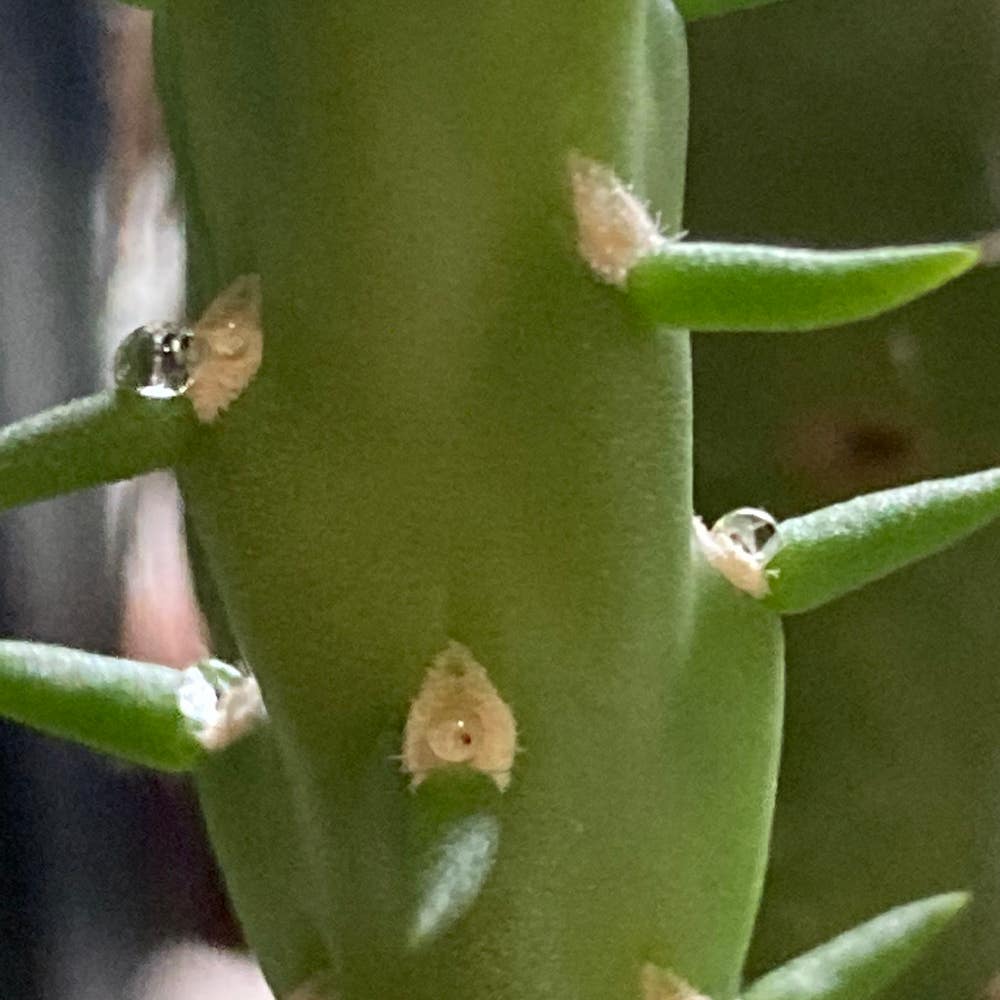
🌵 Top 8 Signs Your Cholla Cactus is Stressed in Winter
Cylindropuntia kleiniae
By the Greg Editorial Team
Nov 23, 2024•5 min read
This article was created with the help of AI so we can cover more plants for you. May contain errors. See one? Report it here.
Ensure your cholla cactus thrives this winter 🌵 with essential care tips to spot stress and promote recovery! 🌱
- 🌵 Yellowing or browning pads indicate your cholla cactus is stressed in winter.
- 💧 Wrinkling pads signal dehydration; adjust watering to every 4-6 weeks.
- ❄️ Frost protection is crucial; use frost cloth or move indoors during cold spells.
Signs of Stress in Cholla Cactus
Identifying Physical Signs of Stress 🌵
Cholla cacti can exhibit several physical signs of stress, particularly during the winter months. One of the most noticeable indicators is color changes; if you see yellowing or browning of the pads, it’s a red flag.
Another sign to watch for is the wrinkling or shriveling of pads, which typically indicates dehydration. If your cactus appears to be losing its spines or if they change color, it’s also a sign that something isn’t right.
Behavioral Changes During Winter ❄️
Behavioral changes can also signal stress in your cholla cactus. You may notice reduced growth or stunted development, which can be concerning if you’re hoping for a thriving plant.
In addition, stressed cholla cacti become more susceptible to pests and diseases. Keep an eye out for signs of overwatering, such as mushy pads or root rot, as these can quickly lead to more serious issues.
Understanding these signs is crucial for maintaining the health of your cholla cactus through the winter. By recognizing stress indicators early, you can take proactive steps to help your plant recover and thrive.
Winter Care Requirements
Adjusting watering schedules for winter 🌊
During winter, it's crucial to adjust your watering schedule for your cholla cactus. Reduce watering to once every 4-6 weeks to prevent overwatering, which can lead to root rot.
To ensure your cactus is getting the right amount of moisture, monitor the soil's moisture levels. You can use a moisture meter or simply perform a finger test to check if the soil is dry before watering again.
Keep an eye out for signs of overwatering, such as yellowing pads or a mushy texture. These indicators signal that your cactus is not thriving and needs immediate attention.
Fertilizing during winter ❄️
When it comes to fertilizing your cholla cactus in winter, the general recommendation is to avoid it altogether. Your cactus is in a dormant state during this time, and fertilizing can do more harm than good.
You can resume fertilizing in early spring as growth picks up again. Opt for low-nitrogen, slow-release fertilizers to support healthy growth without overwhelming your plant.
Providing frost protection 🛡️
Frost protection is essential for your cholla cactus during the colder months. Exposure to frost can cause significant damage, so taking preventive measures is key.
There are several effective methods for providing frost protection. You can cover your cactus with frost cloth or, if possible, move it indoors during particularly cold spells.
For outdoor placement, consider best practices like mulching around the base and positioning your cactus against walls to provide extra warmth. These simple steps can make a big difference in keeping your cactus healthy through winter.
As you prepare for the colder months, remember that proper care during winter sets the stage for a vibrant spring. Next, we’ll explore the best practices for indoor care to ensure your cholla cactus thrives even when it’s not outside.
Indoor Care
Best practices for indoor winter care 🌵
To keep your cholla cactus thriving indoors during winter, aim for a temperature range of 60°F to 75°F (15°C to 24°C). This temperature balance helps prevent stress and keeps your cactus comfortable.
Humidity control is crucial. Cholla cacti prefer dry environments, so avoid overly humid conditions that can lead to rot.
Adjust your watering schedule to mirror outdoor care, but be vigilant. Monitor moisture levels closely to ensure your cactus isn’t overwatered.
Light and temperature considerations ☀️
In winter, your cholla cactus needs bright, indirect sunlight. Position it near south or west-facing windows to maximize light exposure.
Temperature tolerance is also important. Keep your cactus away from drafts and sudden temperature changes, as these can cause stress and damage.
By following these indoor care tips, your cholla cactus can thrive even in the colder months. With the right conditions, it will be ready to burst into growth come spring.
Spring Preparation and Recovery
🌨️ Signs of Winter Damage and Recovery Strategies
As winter fades, it's crucial to assess your cholla cactus for signs of winter damage. Look for mushy pads, discoloration, and stunted growth, which indicate that your cactus may have suffered during the colder months.
To help your cactus recover, start by pruning any damaged areas. This not only improves its appearance but also encourages new growth. Adjust your watering routine to prevent further stress; ensure the soil dries out between waterings. Remember, patience is key—recovery may take time, so don’t rush the process.
🌱 Preparing for Spring Growth
As temperatures rise, keep an eye out for signs of new growth. The appearance of fresh pads or flowers is a positive indication that your cholla cactus is ready to thrive again.
Once you notice new growth, it's time to resume regular care. Reestablish your watering and fertilizing schedules to support this rejuvenation. Additionally, if your cactus has been indoors, gradually transition it to outdoor conditions. This hardening off process helps it acclimate to the sunlight and temperature changes, ensuring a smooth return to its natural habitat.
With these steps, your cholla cactus will be well on its way to a vibrant spring!
⚠️ Safety First
This content is for general information and may contain errors, omissions, or outdated details. It is not medical, veterinary advice, or an endorsement of therapeutic claims.
Always consult a qualified healthcare professional before using any plant as food, medicine, or supplement.
Never eat any plant (or feed one to pets) without confirming its identity with at least two trusted sources.
If you suspect poisoning, call Poison Control (800) 222-1222, the Pet Poison Helpline (800) 213-6680, or your local emergency service immediately.
Spotted an error? Please report it here.
Spotting stress in your cholla cactus this winter is essential for its health, and with Greg's custom watering alerts 🌵, you can keep your cactus happy and thriving all season long!