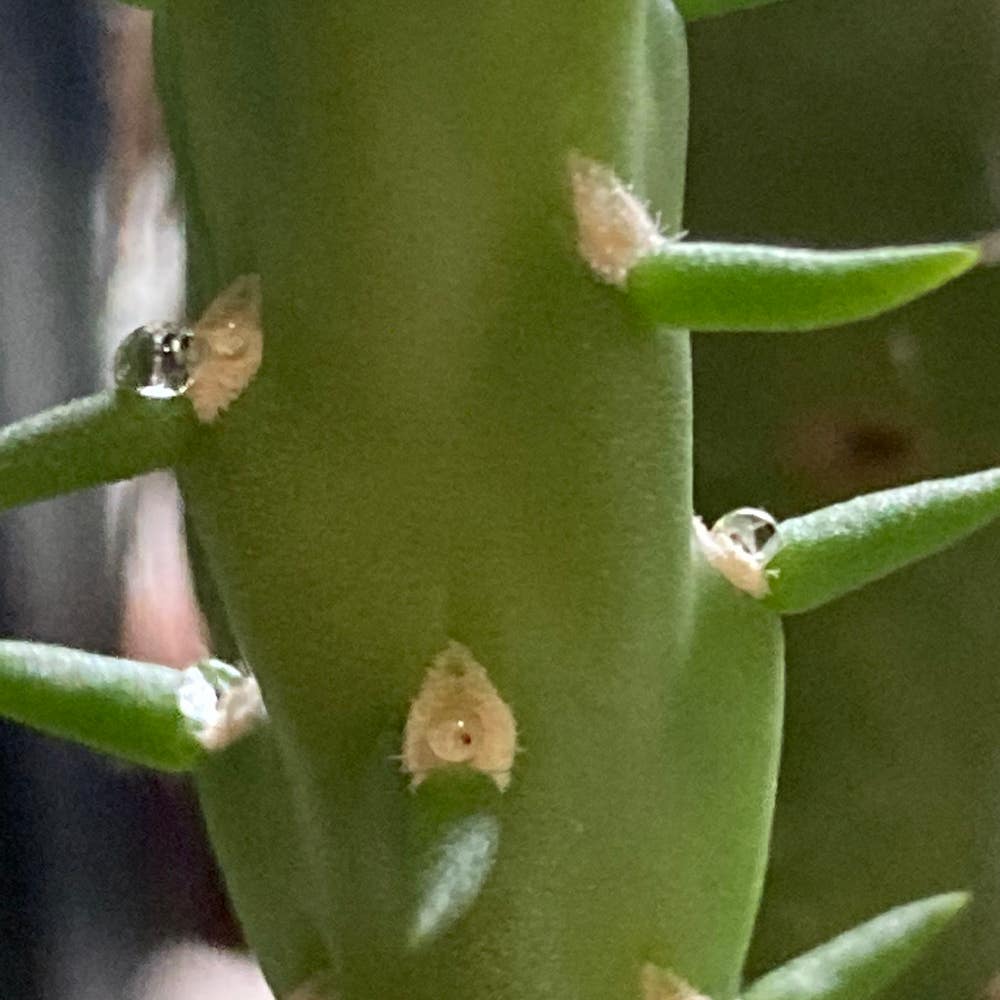
🌵 Managing Black Spots on Your Cholla Cactus Leaves
Cylindropuntia kleiniae
By the Greg Editorial Team
Oct 04, 2024•6 min read
This article was created with the help of AI so we can cover more plants for you. May contain errors. See one? Report it here.
Revive your Cholla cactus and banish black spots with these essential care tips! 🌵
- 🌵 Black spots on Cholla cacti arise from stress, fungi, or pests—identify the cause!
- ☀️❄️ Temperature and light fluctuations can stress your cactus, leading to black spots.
- 🧪 Treat fungal infections with copper fungicides or natural remedies like neem oil.
Causes of Black Spots
Understanding the causes of black spots on your Cholla cactus leaves is crucial for effective management. Let's break down the primary culprits.
🌡️ Environmental Stress
Sudden temperature changes can shock your cactus, leading to unsightly black spots. Inadequate sunlight also plays a significant role; Cholla cacti thrive in bright light, and lack of it can cause stress.
🍄 Fungal Infections
Fungal infections are another common issue for cacti. Pathogens like Fusarium and Botrytis can invade your plant, resulting in dark, mushy spots that spread if left untreated.
🐞 Pest Infestations
Pests can wreak havoc on your Cholla cactus, causing leaf discoloration. Mealybugs and scale insects are notorious for infesting cacti, sucking sap and leaving behind black spots as a telltale sign of their presence.
Identifying the cause of black spots is the first step toward restoring your cactus's health. Understanding these factors will guide you in diagnosing and treating the problem effectively.
Diagnosing the Problem
🦠 Differentiating Between Fungal Infections and Pests
Identifying the root cause of black spots on your Cholla cactus is crucial. Fungal infections often present with texture changes and spreading patterns on the leaves.
In contrast, pests like mealybugs and scale can lead to similar discoloration. Knowing how to spot these pests is essential for effective treatment.
🔍 Diagnostic Methods
Start with a thorough visual inspection of your cactus. If the black spots are accompanied by fuzzy white patches, you might be dealing with pests.
For more complex cases, consider lab testing to confirm fungal infections. This step can provide clarity and guide your treatment approach.
🌧️ Environmental Factors Contributing to Black Spots
Soil moisture plays a significant role in cactus health. Cholla cacti thrive in well-draining soil, which prevents excess moisture that can lead to black spots.
Sunburn is another common issue. Symptoms include bleached areas on the leaves, indicating that your cactus needs better protection from harsh sunlight.
⚠️ Other Stress Factors
Overwatering can also contribute to black spots. Ensure you're not saturating the soil, as cacti prefer drier conditions.
Poor air circulation and high humidity levels can stress your cactus, making it more susceptible to diseases. Regularly check your plant's environment to maintain optimal conditions.
By diagnosing the problem accurately, you can take the right steps toward treatment and prevention. Next, let’s explore effective treatment options to restore your Cholla cactus to health.
Treatment Options
Step-by-Step Guide to Treating Black Spots 🌱
Assess the Severity of Black Spots
Start by examining your Cholla cactus closely. Determine how widespread the black spots are and if they are affecting multiple leaves.Remove Affected Leaves
Use sharp, sterilized pruning shears to cut away the affected leaves. This prevents the spread of any potential infection.Clean the Area
After pruning, disinfect your tools and workspace. This step is crucial to avoid contaminating healthy parts of the cactus.
Recommended Fungicides and Natural Remedies 🌿
Chemical Options
Look for effective fungicides specifically designed for cacti. Products containing copper or sulfur can be particularly beneficial in treating fungal infections.
Natural Remedies
Consider homemade solutions like baking soda mixed with water or neem oil. These options can be gentler on your plant while still combating black spots.
Application Methods
When applying treatments, ensure even coverage on the affected areas. Follow the manufacturer's instructions for chemical options and use a spray bottle for natural remedies.
How to Prune Affected Leaves Safely ✂️
Best Practices for Pruning
Timing is key; prune during the growing season for optimal recovery. Use clean, sharp tools to make precise cuts, minimizing stress on the plant.
Aftercare for Pruned Areas
After pruning, monitor the cut areas for signs of infection. Ensure your cactus receives proper care, including adequate sunlight and moisture, to promote healing.
By following these treatment options, you can effectively manage black spots on your Cholla cactus. With the right approach, your cactus can thrive and remain a stunning addition to your collection. Next, let’s explore preventive measures to keep your cactus healthy and vibrant.
Preventive Measures
🌊 Best Practices for Watering and Soil Management
Proper watering is crucial for the health of your Cholla cactus. Aim to water only when the top inch of soil feels dry, typically every two to three weeks during the growing season.
Soil composition plays a vital role as well. Use a well-draining cactus mix or create your own by combining potting soil with sand and perlite.
☀️ Importance of Sunlight and Temperature Control
Cholla cacti thrive in bright, indirect sunlight. Ideally, they need at least six hours of light daily to flourish without developing black spots.
Temperature management is equally important. Protect your cactus from sudden temperature changes, as they prefer a stable environment between 70°F and 100°F.
🔍 Regular Inspection and Maintenance Tips
Regular inspections can catch issues before they escalate. Aim to check your cactus every two weeks for any signs of black spots or other problems.
Look for early indicators such as discoloration or wilting. Addressing these signs promptly can save your cactus from more severe damage down the line.
By implementing these preventive measures, you can maintain a healthy Cholla cactus and minimize the risk of black spots. Next, we’ll explore long-term care strategies to ensure your cactus continues to thrive.
Long-term Care
🌱 Nutritional Needs and Fertilization
To keep your Cholla cactus thriving, understanding its nutritional needs is crucial. A balanced fertilization schedule can make all the difference in promoting healthy growth.
📅 Fertilization Schedule
Fertilize your Cholla cactus during the growing season, typically from spring to early fall. Use a diluted cactus fertilizer every four to six weeks to provide essential nutrients.
🧪 Nutrient Requirements
Cholla cacti require specific nutrients for optimal health. Key nutrients include nitrogen for growth, phosphorus for root development, and potassium for overall vigor.
🍂 Seasonal Care Adjustments
As seasons change, so should your care routine. Adapting your approach can help prevent black spots and ensure your cactus remains healthy.
🔄 Adapting Care Routines
In the warmer months, increase watering frequency, but reduce it during the cooler months. This adjustment helps mimic the cactus's natural environment.
🌡️ Monitoring Environmental Conditions
Keep a close eye on temperature and humidity levels. Cholla cacti thrive in dry conditions, so ensure your environment reflects that.
🔍 Monitoring for Recurring Issues
Regular monitoring is essential for long-term health. Keeping track of any changes can help you catch potential problems early.
📖 Keeping Records
Documenting treatments and observations can provide valuable insights into your cactus's health. This practice allows you to identify patterns and adjust care accordingly.
🛠️ Strategies for Ongoing Health
Implementing a few simple strategies can enhance your cactus's resilience. Regularly inspect for signs of distress and adjust care as needed to maintain its vitality.
By following these long-term care tips, you can ensure your Cholla cactus remains healthy and vibrant. Next, let’s explore preventive measures to keep those pesky black spots at bay.
⚠️ Safety First
This content is for general information and may contain errors, omissions, or outdated details. It is not medical, veterinary advice, or an endorsement of therapeutic claims.
Always consult a qualified healthcare professional before using any plant as food, medicine, or supplement.
Never eat any plant (or feed one to pets) without confirming its identity with at least two trusted sources.
If you suspect poisoning, call Poison Control (800) 222-1222, the Pet Poison Helpline (800) 213-6680, or your local emergency service immediately.
Spotted an error? Please report it here.
Keep your Cholla cactus spot-free 🌵 by using Greg's tailored care tips and reminders to create the perfect environment for thriving growth!