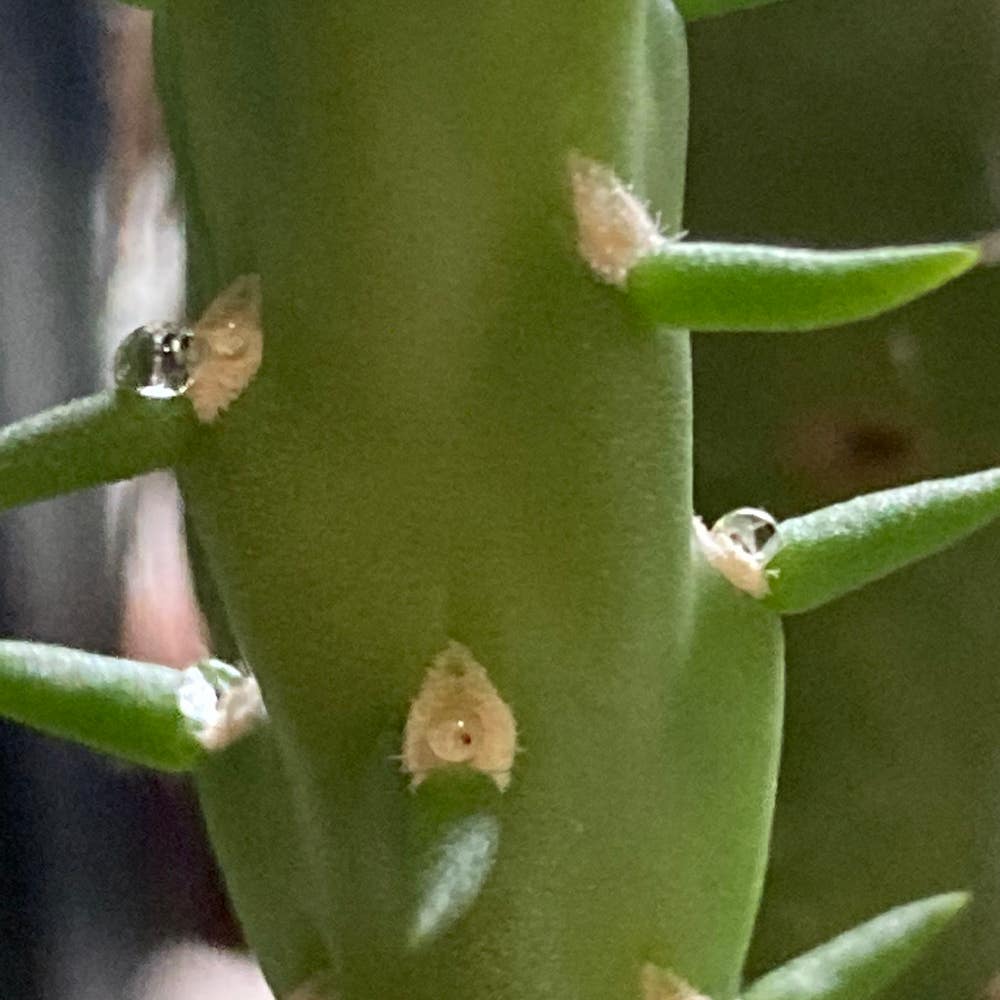
Klein's Cholla: A Comprehensive Overview 🌵
Cylindropuntia kleiniae
By the Greg Editorial Team
Jan 24, 2025•12 min read
This article was created with the help of AI so we can cover more plants for you. May contain errors. See one? Report it here.
Elevate your garden with the stunning Klein's Cholla, a low-maintenance cactus that thrives in arid conditions! 🌵
- 🌞 Klein's Cholla needs 6-8 hours of sunlight daily for optimal growth.
- 🌵 Well-draining sandy soil with pH 6.0-7.5 is ideal for Klein's Cholla.
- 💧 Water sparingly; let soil dry completely to prevent root rot.
How to Grow
Choosing a Location 🌞
Klein's Cholla thrives in full sun, requiring 6 to 8 hours of direct sunlight daily. It prefers warm, arid conditions, with an ideal temperature range between 70°F and 100°F.
Soil Preparation 🏜️
For optimal growth, plant Klein's Cholla in well-draining sandy or rocky soil. Aim for a pH level between 6.0 and 7.5 to ensure the best nutrient availability.
Planting Techniques 🌱
When planting, space your cholla 3 to 5 feet apart to allow for their natural growth. Seeds or cuttings should be planted at a depth of 2 to 3 inches for successful establishment.
Watering Requirements 🚰
Water sparingly, allowing the soil to dry out completely between waterings. Deep watering encourages robust root growth, so avoid overhead watering to prevent moisture on the plant's segments.
Fertilizing 🍽️
Use a low-nitrogen, slow-release cactus fertilizer to nourish your Klein's Cholla. Fertilize once in early spring and again in mid-summer for optimal growth.
Pruning ✂️
Prune your cholla in late winter or early spring, just before new growth begins. Carefully remove any dead or damaged segments to promote healthy development.
Ongoing Care 🛡️
Regularly monitor your cholla for signs of stress or pest infestations. As seasons change, reduce watering during the winter months to accommodate the plant's dormant phase.
With these guidelines, you'll be well on your way to cultivating a thriving Klein's Cholla that adds beauty and resilience to your garden. Next, let’s explore the fascinating world of propagation techniques for this unique cactus.
Propagation
🌱 Methods of Propagation
Klein's Cholla can be propagated through two primary methods: seed propagation and cutting propagation. Each method has its unique steps and benefits.
📋 Step-by-Step Instructions for Each Method
1. Seed Propagation
To start with seed propagation, soak the seeds in water for 24 hours before planting. Next, sow the seeds in well-draining soil, covering them lightly, and maintain humidity until germination, which typically takes 2-4 weeks.
2. Cutting Propagation
For cutting propagation, select healthy segments that are 4-6 inches long. Allow the cuttings to callous for 1-2 days before planting them in well-draining soil, watering lightly to avoid over-saturation.
🏆 Best Practices for Successful Propagation
Using sterile tools is crucial to prevent disease during propagation. Additionally, providing bright, indirect light during the rooting phase will enhance the chances of successful growth.
By following these methods and best practices, you can effectively propagate Klein's Cholla and enjoy the beauty of this resilient cactus in your garden. Next, let’s explore the lifecycle of this fascinating plant.
Lifecycle
🌱 Lifecycle Overview
Klein's Cholla goes through several distinct stages in its lifecycle. It starts with germination, which takes about 2-4 weeks for seeds.
Following germination, the seedling stage lasts 4-6 weeks until the plant develops true leaves. After this, it enters vegetative growth, where it can take 1-3 years to reach maturity.
Flowering typically occurs in late spring to early summer, followed by seed production in late summer. This cycle is crucial for the plant's reproduction and survival.
⏳ Lifespan and Growth Rate
Under optimal conditions, Klein's Cholla can live for an impressive 20-30 years. It generally takes about 3 years to reach maturity, making it a long-term addition to your garden.
The growth rate is moderate, averaging around 6-12 inches per year. This steady growth allows it to adapt well to its environment while providing a unique aesthetic to any landscape.
As you nurture your Klein's Cholla, remember that its lifecycle is a testament to resilience and beauty in arid conditions. Understanding these stages will help you provide the best care for this remarkable cactus.
Next, we will explore the size of Klein's Cholla and what to expect as it matures.
Size
Mature Dimensions 🌵
Klein's Cholla can reach impressive heights of 3 to 6 feet tall. Its mature spread typically ranges from 2 to 4 feet wide, making it a striking addition to any desert landscape.
Growth Rate and Size Variability 📈
This cactus exhibits a moderate growth rate, generally influenced by factors like water availability and sunlight exposure. Size can vary significantly based on soil quality and environmental conditions, so keep these elements in mind when planning your garden.
Understanding these dimensions and growth patterns will help you create a thriving environment for your Klein's Cholla. Next, let's explore the fascinating lifecycle of this resilient plant.
Roots
Characteristics of the Root System 🌱
Klein's Cholla features a fibrous root system that is essential for its stability. These roots can extend up to 3 feet deep, allowing the plant to access moisture and nutrients effectively.
Spread and Stability 🌍
The roots also spread laterally, which helps stabilize the plant in its arid environment. This adaptability is crucial for thriving in sandy or rocky soils.
Common Root-Related Issues ⚠️
Despite their resilience, Klein's Cholla can face root-related problems. Root rot is a significant concern, often caused by overwatering, leading to mushy roots that can threaten the plant's health.
Recognizing Rootbound Conditions 🔄
Another issue is becoming rootbound, particularly in container settings. This occurs when roots circle the pot, restricting growth and nutrient uptake.
Visual Cues for Healthy vs. Unhealthy Roots 👀
To maintain a healthy Klein's Cholla, it's vital to recognize the signs of root health. Healthy roots are firm, white, and spread out, while unhealthy roots appear brown, mushy, or emit a foul smell.
Tips for Managing Root Health 🛠️
To ensure your Klein's Cholla thrives, focus on proper drainage in pots. If you notice rootbound conditions, repot the plant using fresh soil to encourage healthy growth.
Conclusion 📜
By understanding the root system and addressing common issues, you can help your Klein's Cholla flourish. Next, let’s explore the benefits of growing this unique cactus and how it can enhance your garden.
Benefits
Klein's Cholla offers a range of benefits that make it a fantastic addition to any garden, especially in arid climates.
Top 5 Benefits of Growing 🌵
1. Drought Resistance
This cactus thrives on minimal water, making it perfect for dry environments. Its ability to survive with little moisture is a game-changer for water-conscious gardeners.
2. Aesthetic Appeal
With its unique segmented structure, Klein's Cholla adds a strKlein's Chollalement to landscapes. Its distinct form can serve as a focal point or complement other desert plants beautifully.
3. Wildlife Attraction
Klein's Cholla is a haven for wildlife, providing essential habitat for pollinators and birds. By planting this cactus, you contribute to the local ecosystem and support biodiversity.
4. Cultural Significance
Historically, Native Americans utilized Klein's Cholla for food and crafts. Growing this cactus connects you to rich traditions and cultural practices that honor nature's resources.
#Klein's Chollantenance Once established, Klein's Cholla requires minimal care. Its resilience means you can enjoy its beauty without the constant upkeep that many other plants demand.
Incorporating Klein's Cholla into your garden not only enhances its beauty but also supports sustainability and wildlife. Next, let's explore the best companion plants that can thrive alongside this remarkable cactus.
Companion Plants
🌱 Companion Planting Benefits
Companion planting is a fantastic way to enhance your garden's diversity and improve pest management. By strategicallKlein's Chollats together, you can create a more resilient ecosystem that benefits all your plants.
🌼 Compatible Plants
When it comes to Klein's Cholla, several plants make excellent companions:
- Agave: This succulent thrives in similar conditions, requiring minimal water and full sun.
- Desert Marigold: Not only does it add a splash of color, but it also attracts beneficial insects that help pollinate your cholla.
- Yucca: Sharing similar soil and sunlight needs, yucca can create a harmonious garden environment alongside your cholla.
🚫 Plants to Avoid
While some plants thrive next to Klein's Cholla, others can compete for nutrients and hinder growth. Heavy feeders like tomatoes or corn should be avoided, as they may drain the soil of essential resources needed for your cholla to flourish.
By choosing the right companions, you can create a thriving garden that showcases the beauty of Klein's Cholla while promoting a healthy growing environment. Next, let's explore the potential toxicity of Klein's Cholla to humans, dogs, and cats.
Toxicity to Humans
🛡️ Safety Overview
Klein's Cholla is generally safe for humans and is not listeKlein's Chollamajor poison control centers. This makes it a great choice for gardens, especially in arid regions.
⚠️ Potential Minor Issues
While the plant is mostly harmless, there are a couple of minor concerns to keep in mind. The spines can cause mild skin irritation, and consuming large quantities may lead to minor digestive discomfort.
🤔 Recommendations for Caution
It's always wise to exercise caution when handling any plant. If you experience unusual symptoms after contact or consumption, seeking medical advice is recommended.
With these considerations in mind, you can enjoy the beauty of Klein's Cholla without worry. Next, let’s explore its effects on our furry friends—dogs and cats.
Toxicity to Dogs
🛡️ Safety Overview
Klein's Cholla is not listed as toxic by major pet poison control centers. This means you can enjoy this unique cactus without worrying too much about your furry friends.
⚠️ Potential Minor Issues
However, if your dog happens to munch on a significant amount, it may experience mild gastrointestinal upset. It's always best to keep an eye on their behavior just in case.
🐶 Tips for Introducing to Homes with Dogs
To ensure a safe environment, place your Klein's Cholla out of reach of curious paws. Regularly monitor your dog's interactions with the plant to prevent any unwanted snacking.
With these precautions, you can enjoy the beauty of Klein's Cholla while keeping your canine companions safe.
Toxicity to Cats
Safety Overview 🐱
Klein's Cholla is not listed as toxic by major pet poisoKlein's Chollaers. This means that, generally speaking, your feline friends can coexist with this cactus without significant risk.
Potential Minor Issues 🤢
However, if a cat consumes large quantities of Klein's Cholla, it may experience mild gastrointestinal upset. It's always best to monitor your pet's behavior around any new plant.
Tips for Introducing to Homes with Cats 🏠
To keep your curious cats safe, position Klein's Cholla in areas that are less accessible. Consider placing it on high shelves or in hanging planters to prevent any unwanted nibbling.
With a little precaution, you can enjoy the beauty of Klein's Cholla while ensuring your cats remain healthy and happy.
Problems
🌱 Common Problems Faced
Incorrect Watering
Watering is crucial for Klein's Cholla health. Overwatering leads to wilting, while underwatering causes shriveling.
- Solution: Regularly check soil moisture and adjust your watering frequency accordingly.
Incorrect Light Conditions
Light plays a vital role in the growth of Klein's Cholla. Insufficient light can result in etiolated growth or leaf drop.
- Solution: If you notice these symptoms, relocate your plant to a sunnier spot.
Incorrect Temperature
Temperature fluctuations can stress your cactus. Symptoms of temperature issues include stunted growth or discoloration.
- Solution: Protect your plant from extreme temperature changes to maintain its health.
Diseases
Klein's Cholla can fall victim to fungal diseases, such as powdery mildew, which appears as white spots on the plant.
- Solution: Enhance airflow around the plant and reduce humidity to combat these issues.
Leaf Issues
Leaf problems can manifest as scorching or yellowing. These symptoms often indicate environmental stress.
- Solution: Adjust light exposure and fertilization to help your cactus recover.
By staying vigilant and addressing these common problems, you can ensure your Klein's Cholla thrives in your garden. Next, let’s explore the pests that might disrupt its growth.
Bugs
Potential Pest Issues 🐜
Klein's Cholla is known for its moderate pest resistance, but it can still fall victim to certain pests. Keeping an eye on your plant is essential to catch any issues early.
Identification and Damage Caused by Pests 🔍
Spider Mites
- Signs: Look for fine webbing and stippled leaves.
- Damage: These pests weaken plant health significantly.
- Treatment: Increase humidity around the plant and apply miticides to combat them.
Scale Insects
- Signs: Sticky residue and small bumps on stems are telltale signs.
- Damage: Scale insects sap the plant's strength, leading to stunted growth.
- Treatment: Remove them by hand or use insecticidal soap for effective control.
Mealybugs
- Signs: Cotton-like masses on stems indicate a mealybug infestation.
- Damage: They weaken the plant's vigor, making it more susceptible to other issues.
- Treatment: Use alcohol swabs or insecticidal soap to eliminate these pests.
Whiteflies
- Signs: Tiny white insects flying around when disturbed are a clear indicator.
- Damage: Whiteflies reduce photosynthesis, impacting overall plant health.
- Treatment: Employ yellow sticky traps and insecticidal soap to manage their population.
Monitoring for these pests can save your Klein's Cholla from serious damage. If you notice any signs, act quickly to ensure your plant remains healthy and vibrant.
What Eats Klein's Cholla
🦌 Common Animals That May Eat or Damage
Klein's Cholla, while resilient, is not immune to the appetites of various animals. Common culprits include deer, rabbits, squirrels, birds, rodents, and groundhogs. These creatures may find the succulent segments of the cactus quite tempting.
🐾 Signs of Animal Presence and Types of Damage
If you notice browsing marks on the stems or missing segments, it's a clear sign that wildlife has taken an interest in your Klein's Cholla. These signs can indicate not only feeding but also potential damage that may affect the plant's overall health.
🚫 Methods for Deterring or Managing Animal Interactions
To protect your cactus, consider using chemical repellents, such as commercial deer repellents, which can effectively keep larger animals at bay.
For a more organic approach, plant deterrent species nearby, like strong-smelling herbs, which can help mask the scent of your cholla and discourage herbivores from venturing too close.
By implementing these strategies, you can enjoy the beauty of your Klein's Cholla while minimizing the risk of animal damage.
⚠️ Safety First
This content is for general information and may contain errors, omissions, or outdated details. It is not medical, veterinary advice, or an endorsement of therapeutic claims.
Always consult a qualified healthcare professional before using any plant as food, medicine, or supplement.
Never eat any plant (or feed one to pets) without confirming its identity with at least two trusted sources.
If you suspect poisoning, call Poison Control (800) 222-1222, the Pet Poison Helpline (800) 213-6680, or your local emergency service immediately.
Spotted an error? Please report it here.
Cultivate a thriving Klein's Cholla 🌵 with Greg's tailored watering reminders and expert care tips, ensuring your cactus flourishes in your garden for decades!