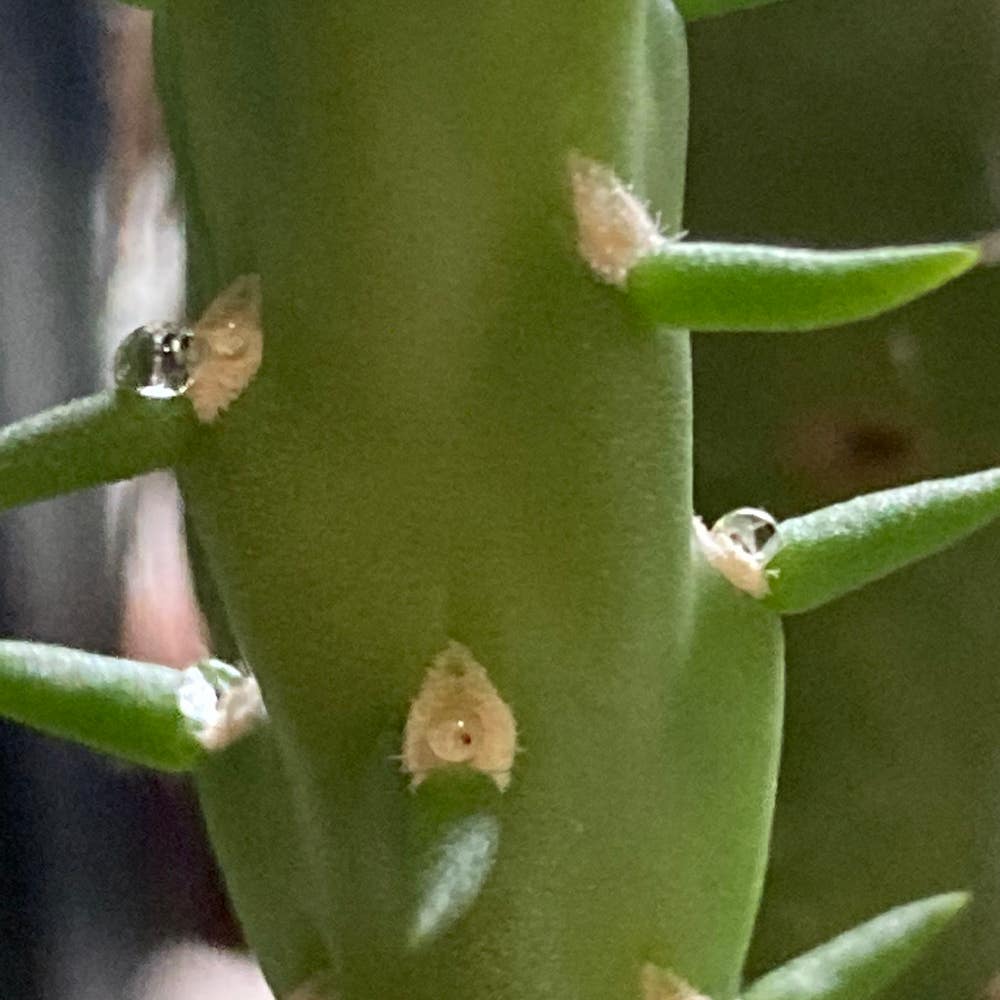
🌵 Ultimate Guide to Repotting Cholla Cactus
Cylindropuntia kleiniae
By the Greg Editorial Team
Nov 23, 2024•8 min read
This article was created with the help of AI so we can cover more plants for you. May contain errors. See one? Report it here.
Revitalize your cactus care 🌵 by learning the key signs it needs repotting for thriving growth and health! 🌱
- 🌵 Signs your cholla cactus needs repotting: visible roots, compacted soil, or wilting.
- 🌞 Best time to repot is early spring when temperatures exceed 60°F (15°C).
- 🛠️ Essential tools: gloves, sterilized scissors, and a small shovel for safe repotting.
Signs that Cactus Needs Repotting
🌱 Root Bound Indicators
Recognizing when your cactus needs repotting is crucial for its health. One of the first signs is roots visible through the drainage holes, indicating that the plant has outgrown its pot.
Another indicator is roots circling the pot's interior. This behavior suggests that the cactus is root-bound, which can lead to stunted growth despite your best care efforts.
🏺 Soil Condition
Next, examine the soil condition. If it feels compacted and fails to drain well, it's time for a change.
Additionally, the presence of mold or algae on the soil surface is a red flag. This can signal overwatering or poor drainage, both of which can harm your cactus.
🌵 Growth Patterns
Pay attention to your cactus's growth patterns as well. A reduction in flowering or new growth can indicate that the plant is stressed and may need more space.
Lastly, if your cactus is wilting despite adequate watering, it’s a sign that it may be time to repot. This could be due to root issues or soil problems that are hindering its ability to absorb water effectively.
Recognizing these signs early can help ensure your cactus remains healthy and vibrant. Next, let’s explore the best time of year to repot your cactus for optimal results.
Best Time of Year to Repot Cactus
🌱 Optimal Seasons
The best time to repot your cactus is early spring. This season is perfect for minimizing stress on the plant and encouraging new growth.
Avoid repotting during the dormant winter months. Cacti need their energy for survival during this time, and disturbing them can hinder their health.
⏰ Timing Considerations
When planning to repot, monitor the temperature closely. Aim for temperatures above 60°F (15°C) to ensure your cactus can adapt well to its new environment.
Additionally, consider local climate variations that may affect timing. Different regions may have unique seasonal cues, so adjust your repotting schedule accordingly.
With the right timing, your cactus will thrive in its new pot, setting the stage for healthy growth ahead.
Step-by-Step Guide to Repotting Cactus
Repotting your cactus can seem daunting, but with the right approach, it’s a straightforward process. Follow these steps to ensure your cactus thrives in its new home.
1. Gather Necessary Tools and Supplies 🛠️
Before you start, make sure you have everything you need. You'll require gloves or tongs for handling, sterilized scissors for trimming, and a small shovel or trowel for transferring soil.
2. Prepare the New Pot 🪴
Choosing the right pot is crucial. Ensure it has adequate drainage holes and select one that is 1-2 inches larger in diameter than the current pot.
3. Remove the Cactus from Its Current Pot 🌵
Carefully handle your cactus to avoid injury. Use gloves or tongs, and gently tap the pot to loosen the soil and roots.
4. Inspect the Roots 🔍
Once out of the pot, take a close look at the roots. Check for any signs of rot or damage, and trim any unhealthy roots with your sterilized scissors.
5. Prepare the New Pot 🌱
Start by adding a layer of cactus potting soil at the bottom of the new pot. Position the cactus in the center and fill around it with more soil, ensuring it’s secure.
6. Water Lightly to Settle the Soil 💧
After potting, water your cactus lightly. Be cautious not to overwater, as this can lead to root rot.
7. Place the Repotted Cactus in a Shaded Area 🌤️
To help your cactus adjust, place it in a shaded area for a few days. This will reduce stress and allow it to acclimate to its new environment.
By following these steps, you’ll set your cactus up for success in its new pot. Next, let’s explore the best practices for post-repotting care to ensure your cactus continues to thrive.
Pot Material Options
Choosing the right pot material is crucial for the health of your cholla cactus. Each option has its unique benefits and drawbacks, so let's break them down.
🎨 Ceramic
Ceramic pots are often favored for their aesthetic appeal and excellent insulation properties. However, they can be heavy and may retain moisture, which could lead to root rot if not monitored closely.
🥤 Plastic
Plastic pots are lightweight and affordable, making them a popular choice among cactus enthusiasts. They offer good drainage options but are less breathable and can heat up quickly, potentially stressing your cactus.
🍂 Terracotta
Terracotta pots excel in drainage due to their porous nature, allowing air to circulate around the roots. On the downside, they are prone to cracking and can dry out quickly, requiring more frequent watering.
📏 Recommended Pot Sizes
When repotting your cholla cactus, aim for a pot that is 1-2 inches larger in diameter than the current one. Additionally, ensure the pot has adequate depth to accommodate the shallow root systems typical of cacti.
Selecting the right pot material and size is essential for your cactus's health. Next, let's explore the ideal soil requirements for repotting your cholla cactus.
Soil Requirements
Best Soil Mix for Cactus 🌵
To ensure your cholla cactus thrives, use a soil mix that consists of 50% cactus potting soil and 50% perlite or coarse sand. This combination provides the right balance of nutrients and drainage, crucial for healthy growth.
Importance of Drainage 🚰
Proper drainage is vital for preventing root rot, a common issue with cacti. The ideal soil texture allows excess water to escape, keeping roots dry and healthy while still providing necessary moisture.
How to Prepare Soil for Repotting 🛠️
When preparing your soil, mix the components thoroughly to achieve an even consistency. Make sure there are no clumps remaining, as these can hinder drainage and negatively affect your cactus's health.
With the right soil mix and preparation, your cholla cactus will be set for a successful repotting. Next, let’s explore how to care for your cactus after repotting to ensure it continues to flourish.
Post-Repotting Care
How to Care After Repotting 🌱
After repotting your cholla cactus, it's crucial to give it some time to adjust. Wait 1-2 weeks before watering to allow the roots to settle into their new environment.
During this period, be mindful of light exposure. Gradually reintroduce your cactus to full sunlight to prevent shock and promote healthy growth.
Signs of Stress After Repotting and How to Address Them 🚨
Keep an eye out for signs of stress in your cactus. If you notice wilting or discoloration, it may be time to adjust your watering and light conditions.
Another red flag is dropping spines, which can indicate overwatering or root damage. If this happens, reassess your watering habits and check for any underlying issues with the roots.
By monitoring these signs and making necessary adjustments, you can help your cholla cactus thrive in its new pot. Next, let’s explore common mistakes to avoid during the repotting process to ensure your cactus remains healthy and vibrant.
Common Mistakes in Repotting
Mistakes to Avoid 🌵
Repotting your cholla cactus can be a rewarding experience, but it's easy to make a few common mistakes. One major pitfall is overwatering immediately after repotting; this can lead to root rot, which is often fatal for cacti.
Another mistake is choosing a pot that is too large. A pot that's excessively spacious can retain too much moisture, making it difficult for the roots to establish themselves effectively.
How to Prevent Root Damage 🛡️
To prevent root damage during the repotting process, gentle handling is key. Always use gloves or tongs to avoid puncturing your skin on those sharp spines, and be careful when loosening the roots from the old soil.
Additionally, using sterilized tools is crucial. This practice helps prevent infections that can arise from bacteria or fungi, ensuring your cactus has the best chance to thrive in its new home.
By avoiding these mistakes and taking care during the repotting process, you set your cholla cactus up for success. Now that you’re aware of common pitfalls, let’s explore the essential tools and supplies needed for a smooth repotting experience.
Tools and Supplies Needed
Essential Tools for Repotting 🛠️
When it comes to repotting your cholla cactus, having the right tools is crucial for a smooth process. Start with gloves or tongs to handle the cactus safely, protecting your hands from its spines.
You'll also need sterilized scissors or pruning shears to trim any unhealthy roots. A small shovel or trowel will help you transfer soil efficiently, ensuring you don’t disturb the roots too much during the process.
Recommended Products 🏷️
Choosing the right products can make all the difference in your cactus's health. Opt for high-quality cactus potting soil, which provides the necessary nutrients and structure for your plant.
Incorporate perlite or coarse sand into your soil mix for improved drainage. Lastly, select pot materials that suit your style and the needs of your cactus, whether you prefer ceramic, plastic, or terracotta options.
With the right tools and supplies in hand, you're well on your way to successfully repotting your cholla cactus. Next, let's explore the best soil requirements to ensure your cactus thrives in its new home.
⚠️ Safety First
This content is for general information and may contain errors, omissions, or outdated details. It is not medical, veterinary advice, or an endorsement of therapeutic claims.
Always consult a qualified healthcare professional before using any plant as food, medicine, or supplement.
Never eat any plant (or feed one to pets) without confirming its identity with at least two trusted sources.
If you suspect poisoning, call Poison Control (800) 222-1222, the Pet Poison Helpline (800) 213-6680, or your local emergency service immediately.
Spotted an error? Please report it here.
Repotting your cholla cactus can be a game-changer for its health, and with Greg's tailored watering reminders and expert advice, you'll ensure your cactus thrives in its new home! 🌵