Getting Your Cholla Cactus to Bloom 🌸
Cylindropuntia kleiniae
By the Greg Editorial Team
Nov 23, 2024•5 min read
This article was created with the help of AI so we can cover more plants for you. May contain errors. See one? Report it here.
Discover how to make your Cholla Cactus bloom beautifully 🌸 with these essential care tips for vibrant growth!
- 🌞 Cholla Cactus needs 6-8 hours of sunlight daily to bloom beautifully.
- 💧🌱 Proper watering and nutrients are essential for encouraging Cholla Cactus flowers.
- 🌼 Blooming occurs in late spring to early summer, influenced by care and environment.
Flowering Status of Cholla Cactus
🌸 Clarification on Flower Production
Cholla Cactus does indeed produce flowers, typically blooming from late spring to early summer. The timing and abundance of blooms can vary based on environmental conditions, species differences, and the care practices you implement.
❌ Reasons for Non-Flowering
If your Cholla Cactus isn't flowering, several factors could be at play.
- Insufficient sunlight exposure: These cacti thrive on 6-8 hours of direct sunlight daily.
- Inadequate watering or nutrient deficiencies: Proper hydration and nutrients are essential for blooming.
- Stress from extreme temperatures or pests: Both heat and pests can hinder the flowering process.
Understanding these elements can help you create the ideal conditions for your Cholla Cactus to flourish. By addressing these factors, you can encourage your cactus to bloom beautifully in the right season.
With the basics of flowering established, let’s explore what happens when your Cholla Cactus does bloom.
If Cholla Cactus Flowers
🌼 Flower Characteristics
Description of Colors and Structure
Cholla Cactus flowers are a stunning sight, typically tubular in shape. Depending on the species, you can find them in vibrant colors like yellow, pink, red, or white.
Their structure features elongated petals with a waxy texture, a central stigma, and multiple stamens, creating a unique floral display that attracts attention.
Self-Pollination vs. External Pollination
Interestingly, Cholla Cactus can self-pollinate, which is a handy trait for survival. However, many species thrive on cross-pollination, relying on pollinators like bees and butterflies to enhance their reproductive success.
🌸 Blooming Process
Stages of Blooming
The blooming process unfolds in three distinct stages:
- Bud formation: This is when the initial flower buds develop.
- Opening: Buds expand, and petals begin to unfurl.
- Full bloom: At this stage, flowers reach their peak size and vibrant color.
Typical Bloom Time and Duration
Cholla Cactus typically blooms from late spring to early summer. The time from bud formation to full bloom takes about 2-4 weeks, while individual flowers usually last from a few days to a week, depending on environmental conditions.
🌱 Encouraging Blooms
Tips for Promoting Flowering
To encourage your Cholla Cactus to bloom, consider these essential tips:
- Ensure adequate sunlight: Aim for 6-8 hours of direct sunlight daily.
- Maintain proper watering: Allow the soil to dry out between waterings.
- Fertilize during the growing season: Use a balanced cactus fertilizer to provide necessary nutrients.
Factors Influencing Flowering
Several factors can influence flowering, including:
- Environmental conditions: Temperature, humidity, and soil quality play significant roles.
- Plant health: Pests and diseases can hinder blooming, so keep an eye on your cactus.
🍉 Post-Flowering
What Happens After Flowering
After flowering, the Cholla Cactus may produce fruit containing seeds. Fortunately, the plant does not die after blooming; it continues to grow and may even bloom again in subsequent seasons.
Discussion on Viability Post-Bloom
Unlike some plants that experience a "death bloom," Cholla Cactus remains viable after flowering. This resilience allows it to thrive and produce more blooms in the future, making it a fascinating addition to any garden.
As we explore the reasons why a Cholla Cactus might not flower, we’ll uncover its ornamental features and unique reproductive methods.
If Cholla Cactus Doesn't Flower
🌵 Primary Ornamental Features
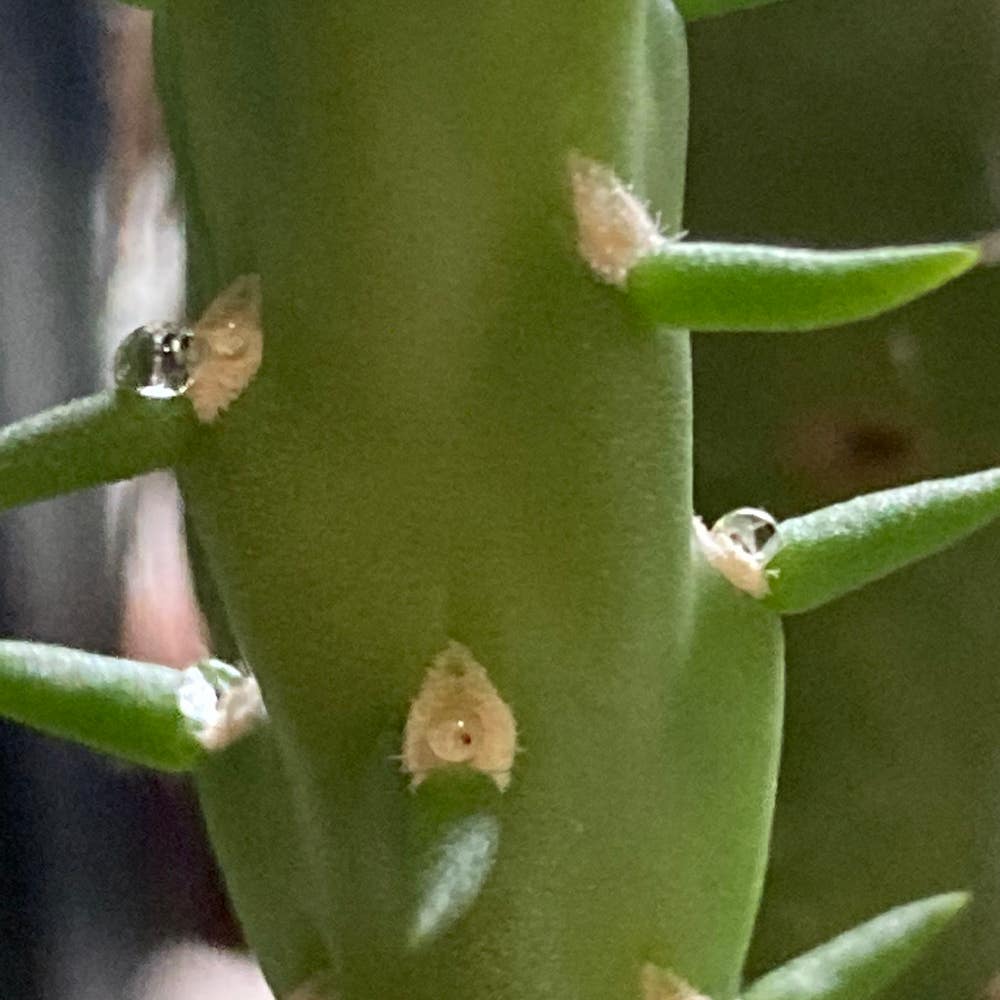
Cholla Cactus is a stunning addition to any landscape, celebrated for its striking cylindrical stems adorned with sharp spines. The attractive pads create a unique texture that enhances the visual appeal, making it a favorite among gardeners and landscape designers alike.
🌱 Reproduction Methods Without Flowers
Even if your Cholla Cactus doesn't bloom, it can still thrive and reproduce. This resilient plant can engage in vegetative propagation, where segments of the cactus detach and root in the soil, forming new plants.
This method of reproduction ensures that the Cholla Cactus can continue to spread and flourish, even in challenging environments. So, while you may miss out on the vibrant flowers, the cactus's ability to propagate itself showcases its adaptability and strength.
In summary, the Cholla Cactus remains a captivating plant, whether it flowers or not. Its ornamental features and unique reproductive strategies ensure it remains a valuable asset in any garden.
Next, let's explore some unique aspects of the Cholla Cactus that relate to its flowering behavior.
Unique Aspects
🌸 Unusual Characteristics Related to Flowering
Cholla Cactus is uniquely adapted to thrive in arid environments, which significantly influences its flowering behavior. While some species may produce a "death bloom," a final flourish of flowers before dying, this phenomenon isn't common across all varieties.
🐝 Interesting Facts About Reproductive Strategy
The flowers of Cholla Cactus are not just beautiful; they also serve as a vital food source for various pollinators, including bees and butterflies. Additionally, Cholla Cactus can reproduce vegetatively, meaning segments can detach and root in the soil, allowing the plant to spread rapidly in suitable conditions.
This resilience makes Cholla Cactus a fascinating specimen in harsh environments, showcasing nature's ability to adapt and thrive. As you explore the world of Cholla Cactus, you'll discover not just its beauty but also its remarkable survival strategies.
⚠️ Safety First
This content is for general information and may contain errors, omissions, or outdated details. It is not medical, veterinary advice, or an endorsement of therapeutic claims.
Always consult a qualified healthcare professional before using any plant as food, medicine, or supplement.
Never eat any plant (or feed one to pets) without confirming its identity with at least two trusted sources.
If you suspect poisoning, call Poison Control (800) 222-1222, the Pet Poison Helpline (800) 213-6680, or your local emergency service immediately.
Spotted an error? Please report it here.
Get your Cholla Cactus to bloom beautifully 🌵 with Greg's personalized care reminders for sunlight and watering that ensure your plant thrives!