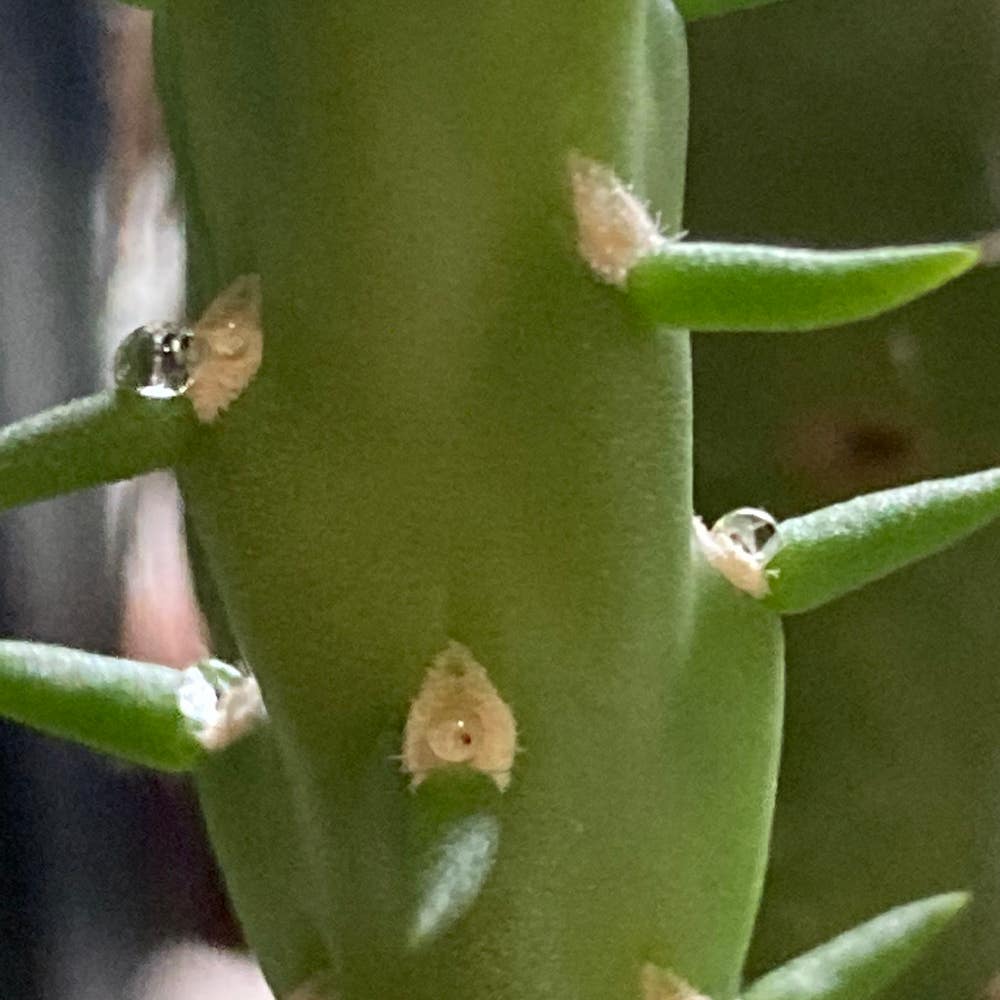
🌵 Identifying What is Eating Your Cholla Cactus
Cylindropuntia kleiniae
By the Greg Editorial Team
Oct 04, 2024•7 min read
This article was created with the help of AI so we can cover more plants for you. May contain errors. See one? Report it here.
Safeguard your cholla cactus from pesky herbivores while nurturing a vibrant garden ecosystem! 🌵✨
- 🦌 Identify common herbivores like deer, rabbits, and squirrels damaging your cholla cactus.
- 🔍 Look for signs of damage such as hoof prints, droppings, and chewed stems.
- 🚫 Use deterrents like fencing and repellents to protect your cholla cactus effectively.
Common Herbivores Affecting Cholla Cactus
🦌 Deer
Signs of presence and damage caused
Look for hoof prints near your cholla cactus; these tracks indicate deer activity. Additionally, you may notice leaves and young shoots stripped away, showcasing their browsing habits.
Beneficial vs. harmful interaction
Deer interactions are generally harmful, especially to young plants, which can be severely damaged or even killed.
Deterrent methods
To deter deer, consider using commercial deer repellents. Alternatively, planting strong-scented herbs nearby can create a natural barrier.
🐇 Rabbits
Signs of presence and damage caused
Rabbits leave small, round droppings near the base of the cactus. You might also find clean cuts on chewed stems and leaves, indicating their feeding.
Beneficial vs. harmful interaction
Rabbits are generally harmful, as they can lead to significant damage to your cholla cactus.
Deterrent methods
For easy deterrence, use bitter-tasting sprays to repel rabbits. Fencing or planting rabbit-resistant plants can also serve as effective barriers.
🐿️ Squirrels
Signs of presence and damage caused
Look for gnaw marks on the stems of your cactus, which indicate squirrel feeding. You may also find nesting materials nearby, suggesting their habitation.
Beneficial vs. harmful interaction
Squirrels are generally harmful, as they can damage young plants and fruits.
Deterrent methods
Consider using squirrel repellents for chemical deterrence. Organic methods like motion-activated sprinklers or noise deterrents can also help keep them at bay.
🐦 Birds
Signs of presence and damage caused
Pecking marks on fruits and flowers are clear signs of bird activity. Additionally, droppings around the base of the cactus can indicate their presence.
Beneficial vs. harmful interaction
Birds are generally beneficial, aiding in pollination and seed dispersal.
Deterrent methods
To deter birds, use non-toxic bird repellents. Scare devices like reflective tape can also be effective in keeping them away.
🐭 Rodents (mice, voles, etc.)
Signs of presence and damage caused
Look for burrows near the base of your cactus, as well as gnawed roots and stems, which indicate rodent activity.
Beneficial vs. harmful interaction
Rodents are generally harmful, as they can undermine the stability and health of your cactus.
Deterrent methods
For moderate difficulty, consider using rodent bait stations as a chemical deterrent. Organic methods like traps and encouraging natural predators, such as owls, can also be effective.
🦡 Groundhogs/Woodchucks
Signs of presence and damage caused
Large burrows near the cactus and chewed stems and leaves are signs of groundhog or woodchuck activity.
Beneficial vs. harmful interaction
These animals are generally harmful and can decimate cactus populations.
Deterrent methods
For a harder challenge, use commercial repellents to deter groundhogs. Fencing at least three feet high and habitat modification can also help protect your plants.
Understanding these common herbivores and their interactions with cholla cactus is crucial for effective management. In the next section, we’ll explore beneficial animals and their roles in the ecosystem surrounding your cactus.
Beneficial Animals and Ecosystem Role
🐝 Pollinators: The Unsung Heroes
Cholla cacti attract a variety of beneficial animals, notably pollinators like bees and butterflies. These creatures play a crucial role in enhancing flowering, ensuring that your cactus not only survives but thrives.
🐦 Seed Dispersers: Nature's Helpers
Birds and small mammals also contribute significantly by acting as seed dispersers. They help propagate the cactus, spreading its seeds across the landscape and promoting new growth.
🌱 Positive Impacts on Biodiversity
The presence of these beneficial animals leads to increased biodiversity in your garden. A diverse ecosystem is more resilient and can better withstand pests and diseases.
🐾 Natural Pest Control
Additionally, these animals contribute to natural pest control through predation. By maintaining a balance, they help keep harmful herbivore populations in check, allowing your cholla cactus to flourish.
Incorporating these beneficial animals into your gardening strategy not only supports the health of your cholla cactus but also enriches the entire ecosystem. As we explore strategies for protection, remember that fostering beneficial relationships with wildlife can lead to a thriving garden.
General Strategies for Protection
🛡️ Preventive Measures for Protecting Cholla Cactus
To keep your Cholla cactus safe, regular monitoring is essential. Look for signs of herbivores, such as droppings or chewed leaves, to catch any issues early.
Creating physical barriers can also be highly effective. Fencing or netting around your cactus can deter many herbivores from getting too close.
⚠️ Reactive Solutions for Managing Animal Interactions
If you notice damage, act quickly by removing the affected parts. This encourages regrowth and helps the plant recover faster.
Using repellents can provide an additional layer of protection. Whether chemical or organic, these products can help keep unwanted visitors at bay.
🌱 Balancing Ecosystem Health While Protecting Plants
It's crucial to strike a balance between protecting your plants and maintaining a healthy ecosystem. Encourage beneficial animals, like pollinators, while finding ways to deter harmful ones.
Understanding the role of herbivores in your local ecosystem can also guide your approach. Some herbivores can contribute positively, so consider their impact before taking action.
By implementing these strategies, you can enjoy a thriving Cholla cactus while fostering a vibrant garden ecosystem. Next, let’s explore how seasonal changes affect animal interactions with your cactus.
Seasonal Considerations
Seasonal Variations in Animal Attraction 🦙
Cholla cacti experience heightened herbivore activity during their flowering and fruiting seasons. As these vibrant blooms emerge, they attract a variety of animals eager to feast on the succulent parts of the plant.
Timing of Flowering and Fruiting ⏰
The timing of flowering and fruiting can significantly impact herbivore behavior. When cholla cacti are in full bloom, they become a buffet for hungry critters, making it crucial for gardeners to be vigilant.
Strategies for Seasonal Protection 🛡️
To protect your cholla cactus during these peak times, consider adjusting your deterrent methods. For instance, using stronger repellents or enhancing physical barriers can help keep herbivores at bay.
Monitoring and Adaptation 🔍
Regularly monitor your cactus for signs of herbivore activity. Adapting your strategies based on seasonal behavior patterns will ensure your cholla remains healthy and thriving throughout the year.
Understanding these seasonal dynamics not only protects your plants but also fosters a deeper appreciation for the intricate relationships within your garden ecosystem. As we move forward, let’s explore the beneficial animals that play a vital role in supporting cholla cactus health.
Toxicity and Safety
🧪 Understanding Cholla Cactus Toxicity
Cholla cactus can pose mild toxicity risks to certain herbivores. While not lethal, consuming parts of the cactus may lead to digestive discomfort or other mild reactions.
🐾 Implications for Herbivores
Herbivores that munch on Cholla may experience adverse effects. This can deter them from frequenting your garden, but it’s essential to monitor their health if they do consume the plant.
📚 Educating Gardeners
Understanding the toxicity of Cholla cactus is crucial for effective animal management. Gardeners should be aware of safe practices to minimize risks while caring for their plants.
🛡️ Safe Practices for Plant Care
- Monitor Animal Interactions: Keep an eye on which animals are visiting your garden and how they interact with your Cholla.
- Educate Yourself: Learn about the specific herbivores in your area and their dietary preferences.
⚖️ Balancing Safety and Care
By being informed about the toxicity of Cholla cactus, you can create a safer environment for both your plants and local wildlife. This knowledge empowers you to manage interactions effectively, ensuring a thriving garden ecosystem.
As you navigate the complexities of plant care and animal interactions, remember that understanding these dynamics is key to fostering a healthy garden. Next, let’s explore general strategies for protecting your Cholla cactus from herbivores.
⚠️ Safety First
This content is for general information and may contain errors, omissions, or outdated details. It is not medical, veterinary advice, or an endorsement of therapeutic claims.
Always consult a qualified healthcare professional before using any plant as food, medicine, or supplement.
Never eat any plant (or feed one to pets) without confirming its identity with at least two trusted sources.
If you suspect poisoning, call Poison Control (800) 222-1222, the Pet Poison Helpline (800) 213-6680, or your local emergency service immediately.
Spotted an error? Please report it here.
Keep your cholla cactus thriving 🌱 by using Greg's tailored tips to identify herbivores and implement effective deterrents for a balanced garden ecosystem!