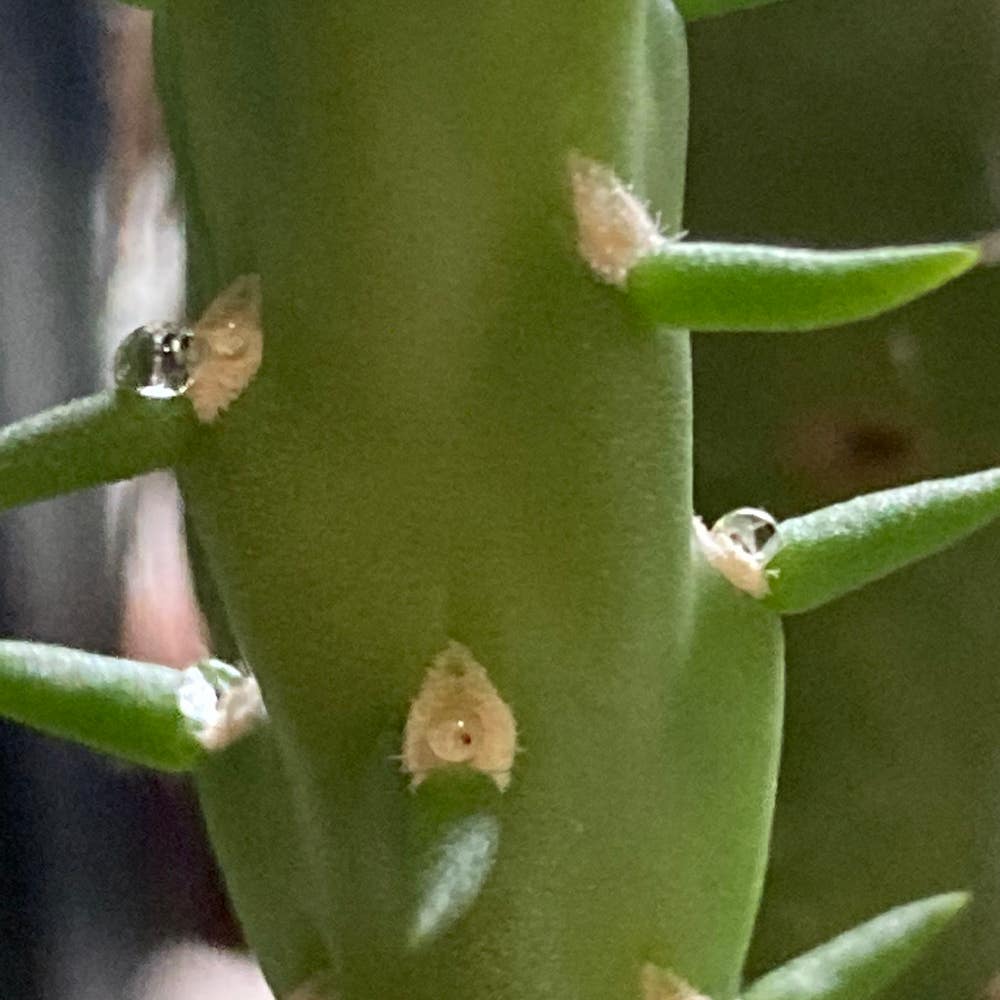
Best Potting Soil Mix for Cholla Cactus 🌵
Cylindropuntia kleiniae
By the Greg Editorial Team
Nov 23, 2024•6 min read
This article was created with the help of AI so we can cover more plants for you. May contain errors. See one? Report it here.
Craft the perfect soil mix for your Cholla cactus 🌵 to ensure vibrant growth and prevent root rot!
- 🌵 Cholla cacti thrive in well-draining soil to prevent root rot.
- 🧪 Ideal mix: 50% sand, 30% perlite, 20% organic matter for optimal growth.
- 🔍 Monitor soil pH (6.0-7.0) for nutrient availability and cactus health.
Soil Composition for Cholla Cactus
Ideal Soil Composition 🌵
Creating the perfect soil mix for your Cholla cactus is essential for its health and growth. The ideal soil should be well-draining to prevent root rot, which is a common issue for cacti, and it should have low nutrient content that suits their needs.
To achieve this, consider the following recommended components:
- Coarse sand (50%): This is crucial for drainage, allowing excess water to escape quickly.
- Perlite or pumice (30%): These materials enhance aeration and further improve drainage, creating an ideal environment for root development.
- Organic matter (20%): While cacti don't require a lot of nutrients, a small amount of organic matter can provide essential elements without overwhelming the plant.
By combining these components, you create a balanced potting mix that supports the unique needs of your Cholla cactus. This mix not only promotes healthy growth but also helps prevent common issues associated with improper soil conditions.
Characteristics of Ideal Soil 🌱
When selecting or mixing soil for your Cholla cactus, focus on two key characteristics: drainage and nutrient content.
- Well-draining: Cacti thrive in environments where water doesn't linger. A well-draining mix prevents root rot, which can quickly kill your plant.
- Low nutrient content: Cacti, including Cholla, prefer a nutrient-poor environment. Too many nutrients can lead to excessive growth and weaken the plant's structure.
Understanding these characteristics will help you create a thriving environment for your Cholla cactus.
With the right soil composition in place, you'll be well on your way to nurturing a healthy and vibrant cactus. Next, let’s explore how to create your own homemade soil mix tailored specifically for your Cholla cactus.
Homemade Soil Mix
Creating the perfect potting soil mix for your Cholla cactus is both simple and rewarding. Follow this step-by-step guide to ensure your cactus thrives in its new home.
📝 Step-by-Step Guide
Gather Materials: Start by collecting coarse sand, perlite, and organic matter. These components are essential for a well-draining mix.
Mix Components: In a large container, combine the gathered materials. This is where the magic happens!
Ensure Uniform Consistency: Stir the mixture thoroughly to achieve a consistent texture. This step is crucial for providing your cactus with the best environment.
⚖️ Ratios for Mixing
To create an ideal soil mix, adhere to these recommended ratios:
- 50% Coarse Sand: This ensures excellent drainage, preventing root rot.
- 30% Perlite or Pumice: These materials enhance aeration and further improve drainage.
- 20% Organic Matter: This adds some nutrients without overwhelming your cactus.
Adjust these ratios based on the specific needs of your Cholla cactus variety. Some may thrive with slightly different compositions, so don’t hesitate to experiment a bit!
With your homemade soil mix ready, your Cholla cactus will have the perfect foundation to grow strong and healthy. Next, let’s explore the ideal soil pH and nutrient needs for your cactus.
Soil pH and Nutrient Needs
Ideal pH Range 🌱
For Cholla cactus, the optimal soil pH level is between 6.0 and 7.0. This range is crucial as it directly influences nutrient availability for your cactus.
Testing Soil pH 🧪
To ensure your Cholla cactus thrives, testing the soil pH is essential. Here are two effective methods:
pH Test Kits
- Purchase a pH test kit from a garden center.
- Follow the instructions provided, usually involving mixing soil with water and a testing solution.
- Compare the color change to the pH scale included in the kit.
Using a Digital pH Meter
- Calibrate the meter according to the manufacturer's instructions.
- Insert the probe into the moist soil.
- Read the pH level displayed on the meter for accurate results.
Adjusting Soil pH ⚖️
If your soil pH is outside the ideal range, adjustments are necessary to support your Cholla cactus.
Techniques for Raising pH ⬆️
- Add lime or calcium carbonate to increase alkalinity. This method is effective and straightforward.
Techniques for Lowering pH ⬇️
- Incorporate sulfur or peat moss to lower the pH. These amendments help create a more acidic environment, which can be beneficial for certain cactus varieties.
Maintaining the right soil pH is vital for the health of your Cholla cactus. With proper testing and adjustments, you can ensure your cactus receives the nutrients it needs to flourish. Next, let's explore how to identify and resolve unhealthy soil conditions.
Identifying and Resolving Unhealthy Soil
Signs of Unhealthy Soil 🌱
Identifying unhealthy soil is crucial for the well-being of your Cholla cactus. Look for common indicators such as stunted growth or yellowing stems, which signal that your plant isn't thriving.
Another telltale sign is excessive moisture retention. If the soil remains soggy for too long, it can lead to root rot, a serious issue for cacti.
Recognizing Moldy Soil 🦠
Moldy soil presents its own set of visual cues. You might notice white or fuzzy growth on the soil surface, which is a clear indication of fungal activity.
Additionally, unpleasant odors can indicate decay. If your soil smells off, it's time to take action.
Solutions for Unhealthy Soil 🛠️
Fortunately, there are effective steps to remedy unhealthy soil conditions. Start by replacing moldy soil with a fresh mix tailored for cacti.
Improving drainage and aeration is also essential. Consider adding materials like perlite or coarse sand to enhance the soil structure and prevent future issues.
By addressing these concerns promptly, you can ensure your Cholla cactus remains healthy and vibrant. Next, let’s explore soil amendments that can further support your cactus's growth.
Soil Amendments
🌱 Recommended Amendments
When it comes to enhancing the soil for your Cholla cactus, certain amendments can make a world of difference.
Perlite: This lightweight volcanic glass is a game-changer for drainage and aeration. It helps prevent soil compaction, allowing roots to breathe and thrive.
Sand: Coarse sand is another essential component. It improves soil texture and drainage, ensuring that excess water doesn’t linger around the roots.
🌿 Organic vs. Inorganic Amendments
Understanding the difference between organic and inorganic amendments is crucial for your cactus care.
Organic Amendments: Options like coconut coir and compost provide slow-release nutrients. They enrich the soil over time, promoting healthy growth without overwhelming your cactus.
Inorganic Amendments: On the other hand, materials like perlite and sand offer immediate benefits. They enhance drainage right away, which is vital for preventing root rot.
For the specific needs of your Cholla cactus, a balanced mix of both organic and inorganic amendments is ideal. This combination ensures your cactus has the nutrients it needs while maintaining excellent drainage.
With the right soil amendments in place, your Cholla cactus will be well-equipped to flourish. Next, let’s explore how to identify and resolve unhealthy soil conditions that could hinder your cactus's growth.
⚠️ Safety First
This content is for general information and may contain errors, omissions, or outdated details. It is not medical, veterinary advice, or an endorsement of therapeutic claims.
Always consult a qualified healthcare professional before using any plant as food, medicine, or supplement.
Never eat any plant (or feed one to pets) without confirming its identity with at least two trusted sources.
If you suspect poisoning, call Poison Control (800) 222-1222, the Pet Poison Helpline (800) 213-6680, or your local emergency service immediately.
Spotted an error? Please report it here.
Keep your Cholla cactus thriving 🌵 by using Greg's tailored soil mix recommendations to create the ideal drainage and nutrient balance for your plant!