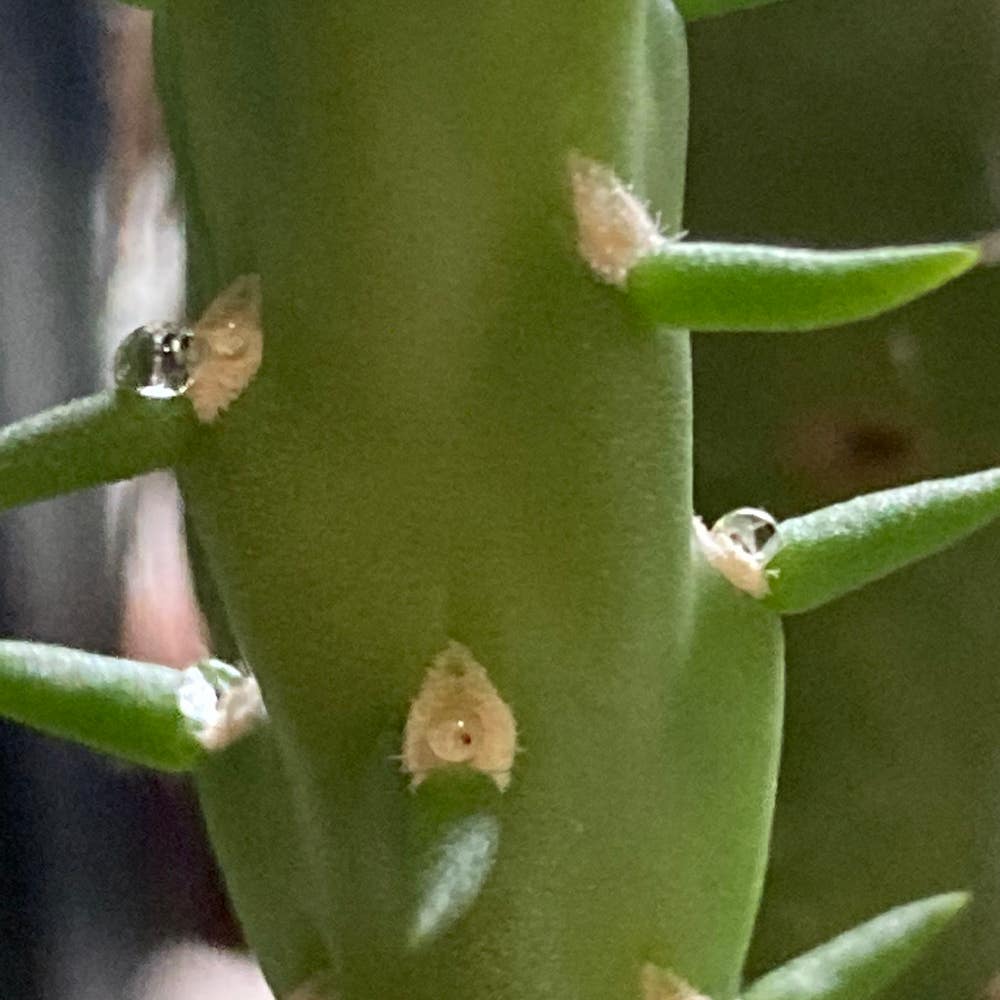
Best Tips for Cholla Cactus Health 🌵
Cylindropuntia kleiniae
By the Greg Editorial Team
Oct 04, 2024•5 min read
This article was created with the help of AI so we can cover more plants for you. May contain errors. See one? Report it here.
Master early signs of distress 🌵 to keep your cholla cactus thriving and vibrant with simple care techniques!
- 🌵 Regular monitoring helps detect health issues early in your cholla cactus.
- 💧 Overwatering causes yellow stems; underwatering leads to shriveled segments—balance is key!
- ☀️ Proper light exposure prevents etiolated growth and scorching—adjust as needed!
Recognizing Unhealthy Cactus
Signs of Distress 🌵
Keeping an eye on your cholla cactus is crucial for its health. Look out for color changes; yellowing or browning of stems can indicate trouble.
Wilting is another red flag. If segments start drooping or feel soft, it’s time to investigate.
Lastly, poor growth can signal distress. A stunted or leggy appearance often means your cactus is not thriving.
Importance of Early Detection 🔍
Catching issues early can make all the difference. Early intervention can prevent irreversible damage to your cactus.
Regular monitoring is key. By checking in on your cactus frequently, you can catch problems before they escalate into bigger issues.
With these signs in mind, you’ll be better equipped to maintain a healthy cholla cactus. Next, let’s explore some common problems that can affect its well-being.
Common Problems
💧 Incorrect Watering
Identifying Overwatering and Underwatering
Overwatering can lead to yellow stems, a mushy texture, and signs of root rot. Conversely, underwatered cacti exhibit wrinkled, shriveled segments and dry soil.
Causes and Effects
Overwatering often results from poor drainage or excessive rainfall. Underwatering typically occurs due to infrequent watering or a dry climate.
Resolution Steps
For overwatered cactus:
- Reduce watering frequency.
- Improve drainage by repotting in well-draining soil.
- Allow the soil to dry out completely before the next watering.
For underwatered cactus:
- Increase watering frequency.
- Ensure consistent moisture without waterlogging.
💡 Incorrect Light Conditions
Symptoms of Inadequate or Excessive Light
Inadequate light causes etiolated growth, with the cactus leaning toward the light source. Excessive light results in scorched segments and faded color.
Causes and Effects
Inadequate light stems from insufficient sunlight exposure. Excessive light usually comes from direct, harsh sunlight without any protection.
Resolution Steps
For inadequate light:
- Move the cactus to a brighter location.
- Use grow lights if necessary.
For excessive light:
- Provide shade during peak sunlight hours.
- Use sheer curtains to diffuse light.
🐞 Pests
Common Pests Affecting Cactus
Mealybugs, scale insects, and spider mites are common culprits. Each can wreak havoc on your cactus if not addressed promptly.
Identification and Symptoms
- Mealybugs: Look for white, cottony masses on stems.
- Scale insects: Identify them by hard, shell-like bumps on the cactus.
- Spider mites: Check for fine webbing and stippled leaves.
Treatment Options
- Manual removal: Wipe off pests with a damp cloth.
- Insecticidal soap: Apply according to instructions.
- Neem oil: Use as a preventive measure.
🦠 Diseases
Fungal Issues
Common fungal issues include powdery mildew, rust, black rot, and blight. Each presents unique challenges for cactus health.
Identification and Symptoms
- Powdery mildew: Look for white, powdery spots on stems.
- Rust: Identify orange or brown pustules on the cactus.
- Black rot: Notice dark, mushy areas at the base.
- Blight: Watch for rapid wilting and browning of segments.
Treatment Options
Powdery mildew treatment:
- Increase air circulation.
- Apply fungicide as directed.
Rust treatment:
- Remove affected areas.
- Apply fungicide to prevent spread.
Black rot and blight:
- Cut away affected parts.
- Ensure proper watering and drainage.
🌱 Growth Problems
Identifying Issues Like Not Growing, Not Fruiting, Leaning, Leggy, and Etiolated
If your cactus isn't growing, it may be stagnant. A lack of flowers or fruit indicates it's not fruiting, while leaning suggests unbalanced growth toward light.
Causes and Effects
Growth issues often arise from insufficient light, nutrients, or improper watering. These factors can lead to leggy and etiolated growth, characterized by long, weak stems with sparse leaves.
Resolution Steps
For not growing or fruiting:
- Ensure adequate light and nutrients.
- Adjust watering practices.
For leaning or leggy growth:
- Rotate the cactus regularly for even light exposure.
- Prune back leggy growth to encourage a bushier appearance.
Understanding these common problems will empower you to take action and keep your cholla cactus thriving. Next, let’s explore preventive measures to ensure long-term health and vitality.
Preventive Measures
🌵 Best Practices for Cactus Care
To keep your cholla cactus thriving, start with well-draining soil and pots that have drainage holes. This setup prevents water from pooling, which is crucial for cactus health.
Water your cactus only when the soil feels dry to the touch. This simple habit helps avoid overwatering, a common mistake among cactus owners.
Provide full sun exposure for optimal growth. Cholla cacti love the sun, so placing them in a bright spot will encourage healthy development.
🌦️ Seasonal Considerations for Prevention
As the seasons change, so should your care routine. During warmer months, keep a close eye on your cactus for pests and diseases, as these can thrive in heat.
Adjust your watering frequency based on seasonal changes. In hotter months, your cactus may need more water, while cooler months may require less.
🔍 Importance of Monitoring and Maintenance
Regularly check your cactus for signs of distress. Early detection can save your plant from irreversible damage.
Consider using the Greg plant care app for reminders and monitoring. This tool can help you stay on top of your cactus care routine, ensuring your plant remains healthy and vibrant.
With these preventive measures in place, you’ll set your cholla cactus up for success. Next, let’s explore common problems that can arise and how to tackle them effectively.
⚠️ Safety First
This content is for general information and may contain errors, omissions, or outdated details. It is not medical, veterinary advice, or an endorsement of therapeutic claims.
Always consult a qualified healthcare professional before using any plant as food, medicine, or supplement.
Never eat any plant (or feed one to pets) without confirming its identity with at least two trusted sources.
If you suspect poisoning, call Poison Control (800) 222-1222, the Pet Poison Helpline (800) 213-6680, or your local emergency service immediately.
Spotted an error? Please report it here.
Keep your cholla cactus thriving 🌵 by monitoring its health and using Greg's tailored reminders to ensure it gets the care it needs!