Cholla Cactus Is Not Considered a Weed 🌵
Cylindropuntia kleiniae
By the Greg Editorial Team
Nov 23, 2024•6 min read
This article was created with the help of AI so we can cover more plants for you. May contain errors. See one? Report it here.
Transform your garden with Cholla cactus 🌵, a stunning plant that supports wildlife without being invasive!
- 🌵 Cholla cactus coexists with native plants, not classified as invasive or a weed.
- 🐝 Supports biodiversity by attracting pollinators and providing habitat for wildlife.
- 🌞 Thrives in full sun and well-draining soil, ideal for low-maintenance gardens.
Plant Classification
Definition of Invasive Species 🌍
Invasive species are plants or animals that thrive in new environments, often outcompeting native species. They typically exhibit rapid growth and spread, displacing local flora and negatively impacting ecosystems.
Characteristics of Cholla Cactus that Prevent It from Being Invasive 🌵
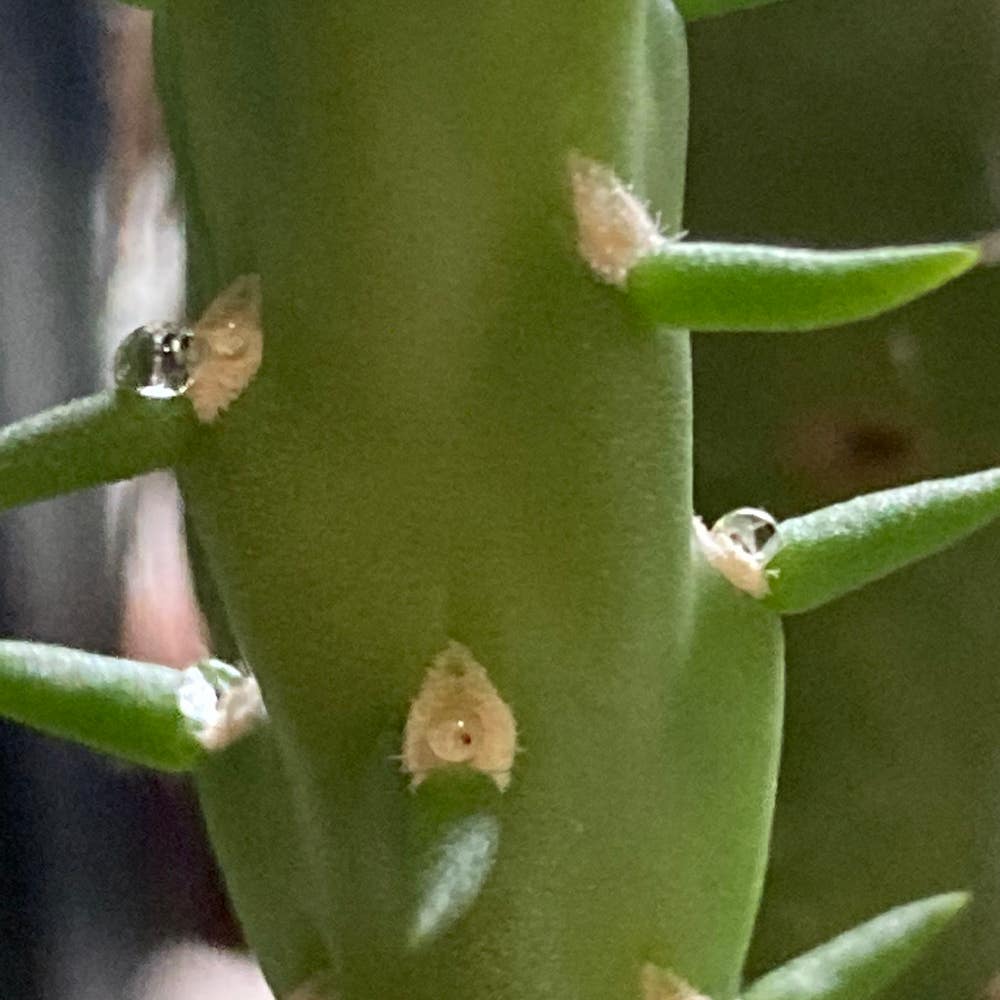
Cholla cactus, with its segmented stems, can detach and root in nearby soil, but this does not lead to aggressive spreading. Its growth is naturally limited by environmental conditions and competition with other native plants, keeping it in check within its habitat.
This unique growth pattern allows cholla to coexist harmoniously with other desert flora, rather than overwhelming them. Understanding these characteristics helps clarify why cholla cactus is not classified as an invasive species, making it a valuable addition to gardens and natural landscapes alike.
As we explore its growth habits next, we’ll see how these traits contribute to its appeal in garden settings.
Growth Habits
Typical Growth Patterns in Gardens 🌼
Cholla cactus showcases an upright growth form with segmented stems, reaching heights between 3 to 10 feet, depending on the variety. In spring and summer, it bursts into vibrant blooms, attracting a variety of pollinators that play a crucial role in the ecosystem.
Natural Limits to Cholla Cactus Growth 🌵
This cactus thrives in well-draining soil and requires full sun exposure to flourish. However, its growth is naturally limited by competition from other native desert plants that occupy similar habitats.
Spread Potential and Management 🔍
Cholla cactus has a limited natural spread, primarily occurring through the detachment of its segments, which can root nearby. To manage its growth effectively, regular monitoring and strategic placement in garden designs are essential to prevent any unwanted spread.
With these growth habits in mind, gardeners can appreciate the unique role of Cholla cactus while ensuring it remains a beautiful and controlled addition to their landscapes.
Ecological Role
🌵 Benefits of Cholla Cactus in Ecosystems
Cholla cactus plays a vital role in its ecosystem by providing essential habitat and food for various wildlife. Birds and small mammals find refuge among its segmented stems, while the cactus itself serves as a nutritious food source.
The roots of the cholla cactus contribute significantly to soil health. They help stabilize the soil, preventing erosion and promoting a healthier environment for other plants to thrive.
🦋 Interactions with Local Wildlife
Cholla cactus is a magnet for pollinators, attracting bees and butterflies with its vibrant flowers. This interaction not only supports the pollinators but also enhances the overall biodiversity of the area.
Moreover, the cactus serves as a food source for various birds and small mammals. By supporting these species, cholla cactus helps maintain a balanced ecosystem, showcasing its importance beyond just being a beautiful garden addition.
Incorporating cholla cactus into your garden can create a thriving habitat for local wildlife. As we explore garden management techniques next, consider how these ecological benefits can enhance your outdoor space.
Garden Management
Effective Incorporation into Garden Designs 🌵
Cholla cactus can serve as stunning focal points in your garden. Grouping them together creates visual interest and highlights their unique segmented structure.
Companion planting is another effective strategy. Pairing cholla with other native desert plants fosters a cohesive look while enhancing the overall ecosystem.
Aesthetic Considerations for Placement 🎨
When placing cholla cactus in garden beds, consider their height and spread. This ensures they complement other plants without overshadowing them.
Seasonal interest is key. Highlight their vibrant flowers during blooming periods and showcase their striking stem structures year-round.
Methods for Controlling Growth if Necessary ✂️
To maintain your cholla cactus's desired size and shape, regular pruning is essential. This keeps your garden looking tidy and well-kept.
If you need to contain their growth, consider using physical barriers like landscape edging. This simple method can effectively manage their spread while maintaining the garden's aesthetic appeal.
Incorporating cholla cactus into your garden not only enhances its beauty but also supports local wildlife. As you plan your garden, keep these tips in mind for a thriving, vibrant space.
Comparison to Other Plants
🌵 Similar Non-Invasive Plants for Comparison
When considering non-invasive desert plants, Agave, Yucca, and Desert Marigold stand out. Each of these plants shares the ability to thrive in arid conditions without overwhelming local ecosystems.
🔍 Characteristics that Differentiate Cholla Cactus from These Plants
Cholla Cactus is unique due to its segmented stems and vibrant flowers. Unlike Agave and Yucca, which have more rigid structures, Cholla's flexibility allows it to adapt to various environments while maintaining a non-invasive presence.
🌼 Unique Qualities of Cholla Cactus
Cholla Cactus boasts a distinct segmented appearance that adds visual intrigue to any garden. Its vibrant flowers bloom in spring and summer, attracting pollinators and enhancing the garden's aesthetic appeal.
🌍 Adaptability to Various Soil Types and Conditions
This cactus thrives in diverse soil types, making it a versatile choice for gardeners. Its resilience to drought conditions further solidifies its status as a low-maintenance plant.
🌱 Benefits of Including Cholla Cactus in Garden Settings
Incorporating Cholla Cactus into your garden not only enhances visual appeal but also provides ecological benefits. Its low maintenance requirements mean you can enjoy its beauty without constant care.
🎨 Enhances Visual Appeal and Provides Ecological Benefits
Cholla Cactus serves as a striking focal point, drawing the eye with its unique form and colorful blooms. Additionally, it supports local wildlife, contributing to a balanced ecosystem.
🧑🌾 Low Maintenance Requirements Once Established
Once established, Cholla Cactus requires minimal care, making it ideal for busy gardeners. Its ability to thrive in harsh conditions means you can enjoy a vibrant garden with less effort.
In summary, Cholla Cactus stands out among non-invasive desert plants for its unique qualities and ecological contributions. As we explore the legal and environmental considerations surrounding this remarkable plant, you'll discover how to responsibly incorporate it into your gardening practices.
Legal and Environmental Considerations
🌵 Relevant Classifications and Guidelines for Cholla Cactus
When considering the Cholla cactus for your garden, it's essential to be aware of local regulations. Many regions have specific guidelines regarding the planting and harvesting of native plants, including Cholla, to protect local ecosystems.
Sourcing your Cholla cactus from reputable nurseries is crucial. This practice not only ensures that you are getting healthy plants but also helps prevent the illegal collection of wild specimens, which can harm native populations.
♻️ Sustainable Gardening Practices Involving Cholla Cactus
Incorporating Cholla cactus into your garden can significantly promote local biodiversity. Pairing it with other native plants creates a thriving ecosystem that supports various wildlife.
Additionally, employing water conservation techniques is vital when working with desert plants like Cholla. Techniques such as drip irrigation and mulching can help maintain moisture levels while minimizing water waste, ensuring your garden flourishes sustainably.
By understanding these legal and environmental considerations, you can enjoy the beauty of Cholla cactus while contributing positively to your local ecosystem. Next, we will explore effective strategies for incorporating Cholla cactus into your garden designs.
⚠️ Safety First
This content is for general information and may contain errors, omissions, or outdated details. It is not medical, veterinary advice, or an endorsement of therapeutic claims.
Always consult a qualified healthcare professional before using any plant as food, medicine, or supplement.
Never eat any plant (or feed one to pets) without confirming its identity with at least two trusted sources.
If you suspect poisoning, call Poison Control (800) 222-1222, the Pet Poison Helpline (800) 213-6680, or your local emergency service immediately.
Spotted an error? Please report it here.
Transform your garden with the vibrant cholla cactus 🌵 by using Greg's tailored care tips to ensure it thrives while supporting local wildlife and enhancing biodiversity!