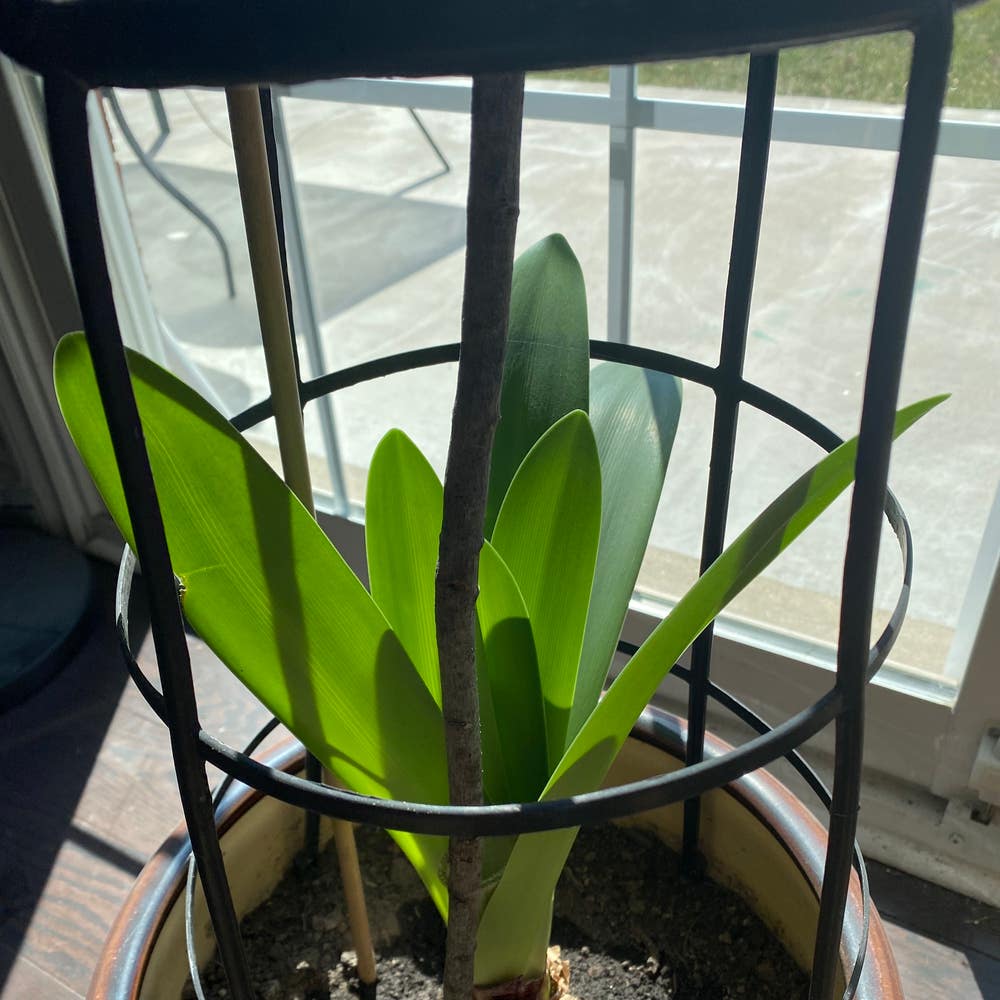
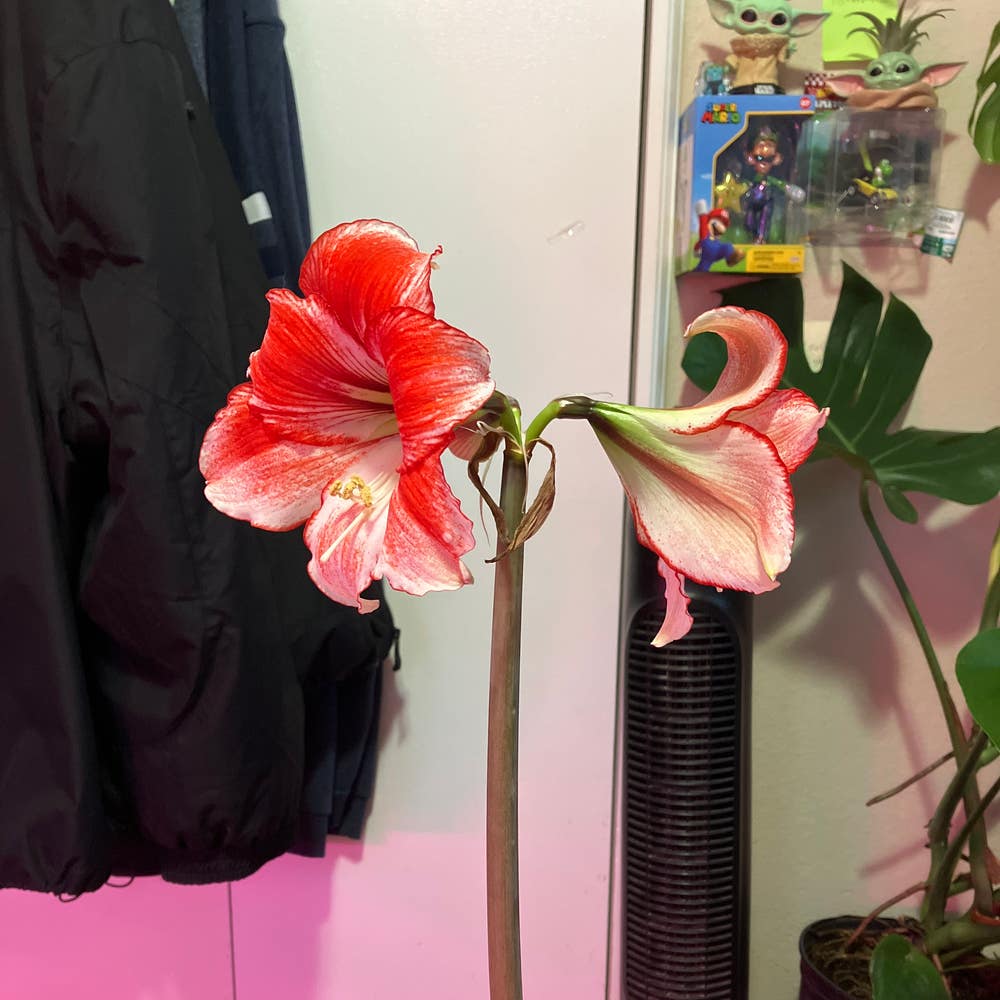
🥚 Why Are My Easter Lily Leaves Mushy?
Amaryllis belladonna
By the Greg Editorial Team
Jun 14, 2024•6 min read
This article was created with the help of AI so we can cover more plants for you. May contain errors. See one? Report it here.
Rescue your Easter Lily from mushy leaf misery 🌿 by pinpointing and tackling the real issues!
- Immediate action is crucial for mushy Easter Lily leaves to prevent damage.
- Overwatering and fungal infections are common causes; adjust watering and inspect for mold.
- Prune and dispose of affected leaves, ensure proper drainage, and consider fungicides.
Initial Response to Mushy Leaves
When your Easter Lily's leaves go from firm to mushy, it's like a red flag on a sinking ship – time to act fast. Here's how to navigate these murky waters:
🚨 Immediate Steps
- Isolate the plant. Think quarantine; you don't want any potential disease party-crashing your other green buddies.
- Inspect the damage. Are we talking a few soggy leaves or a full-blown mush-fest? This will dictate your next move.
🔍 Severity Assessment
- Minor mushiness? Maybe it's just overindulgence in water. Adjust your watering habits and keep a close eye.
- Major mush? We could be dealing with a fungal fiesta or root rot rave. Time to break out the big guns.
🚑 Immediate Actions
- Prune the affected leaves. It's surgery time – remove the damaged parts to prevent spread.
- Check the soil moisture. If it's wetter than a rainforest floor, let it dry out before you even think about watering again.
- Improve drainage if necessary. Consider repotting with a well-draining mix, and ensure your pot's not holding water like a camel's hump.
Remember, your Easter Lily's leaves didn't turn to mush overnight. It's a symptom of a deeper issue, so be a detective and get to the root of it. Literally.

Diagnosing the Cause of Mushiness
When your Easter Lily's leaves turn into a mushy mess, it's time for some plant CSI. Overwatering is often the prime suspect, but don't overlook a fungal infection's M.O.
💦 Overwatering: The Usual Culprit
Check the soil: if it's more waterlogged than a sunken pirate ship, you've probably found your culprit. Easter Lilies like their drinks, but not a deluge.
🍄 Fungal Infections: The Stealthy Perpetrators
Fungal infections are like unwanted party guests; they show up uninvited and wreak havoc. Look for discoloration or a moldy scent as telltale signs.
🌱 Getting to the Root of It
Don't just eyeball it; get your hands dirty. Gently unearth the bulb and inspect for rot or mushiness. If it's softer than overripe fruit, you've got issues.
🌡 Other Factors: The Plot Thickens
Temperature swings can turn your lily into a drama queen with mushy leaf tantrums. Ensure your plant's environment is as stable as your favorite sitcom character.
🚱 Prevention: The Best Medicine
Keep your lily on a strict watering schedule and ensure the pot has more holes than a detective's alibi. This isn't just about solving the mushy leaf mystery; it's about preventing the sequel.

Direct Treatment for Mushy Leaves
🌿 Immediate Pruning Measures
Prune affected leaves as soon as you spot them. This isn't a leisurely garden trim; it's an emergency amputation to save your plant's life. Dispose of these leaves in the trash—composting is a no-go unless you're aiming to start a fungal fan club.
🌱 Choosing Your Fungicide
When organic mixtures like baking soda and soap don't cut it, it's time to bring out the big guns. Opt for fungicides with a track record of knocking out fungal infections. Copper-based products are a classic, but always play by the rules—read the label and follow it to a T.
🍄 Application Tips
Apply fungicides carefully, ensuring you're not just giving the leaves a light misting, but actually getting to the root of the problem. Remember, it's about as useful as a chocolate teapot if you don't get the dosage and frequency right.
🛡️ Sterilize Your Tools
After playing surgeon with your Easter Lily, sterilize your pruning shears. Dip them in disinfectant or give them a good alcohol rubdown. You wouldn't want to inadvertently spread the infection like some kind of plant pandemic.
🚑 Post-Pruning Care
Once you've pruned and treated your plant, don't just sit back and expect a miracle. Keep a hawk-eye on your Easter Lily for signs of recovery or further decline. Vigilance is your new best friend.

Soil and Water Management to Prevent Mushiness
💧 Adjusting Watering Schedules
Watering should be a precise science, not a guessing game. To prevent your Easter Lily from turning into a mushy mess, schedule your waterings. The soil should feel like a wrung-out sponge—moist but not dripping. If the top inch is dry, it's time to water. If not, let it be. It's a delicate balance, like walking a tightrope without a net.
🚰 Ensuring Proper Drainage
Good drainage is non-negotiable. Your Easter Lily's pot should have holes at the bottom like Swiss cheese. If water isn't draining, it's time to play doctor—check for blockages. Add perlite or coarse sand to the soil mix to improve drainage. Think of it as giving your plant's roots room to breathe.
💦 Watering Techniques
Ditch the overhead watering; it's a recipe for disaster. Aim at the soil, not the leaves. This isn't a shower; it's a drink. Use a watering can with a long spout to target the soil directly. It's like threading a needle—precision is key.
🌱 Soil Quality
Your soil should be a superhero cape for your plant, not a wet blanket. Mix in organic matter like compost to give it structure and nutrients. The right soil mix is like a good mattress—it supports without smothering.
📏 Monitoring Soil Moisture
Get intimate with your soil. Stick your finger in it; use a moisture meter if you're feeling fancy. Know your plant's watering needs like you know your favorite song. If the soil's as dry as a stand-up comedian's wit, it's time to water. If it's soggy, back off. It's all about reading the room—or in this case, the pot.
🌿 Long-Term Health
Remember, your Easter Lily isn't just another pretty face. It's a living thing that needs the right environment to thrive. Proper soil and water management isn't just about preventing mushiness; it's about fostering a plant that's robust and resilient. It's the difference between surviving and thriving.
Enhancing Plant Resilience
💡 Proper Fertilization
Fertilize your Easter Lily sparingly. Overdoing it can harm more than help. Stick to a low nitrogen fertilizer to avoid lush but fragile growth that's prone to disease. Apply it to the soil around the plant, keeping a safe distance from the stem to prevent burn.
🍽️ Soil Amendments
Amend the soil to improve drainage and provide nutrients. Consider adding compost or well-rotted manure to enrich the soil. Eggshells, crushed and sprinkled around the plant, can add calcium and promote a robust root system.
🌱 Careful Cultivation
Avoid compacting the soil around your Easter Lilies. Compaction can lead to poor drainage and suffocate roots, setting the stage for mushiness. When working the soil, be as gentle as possible.
🍂 Mulching and Insulation
Apply a layer of mulch, such as evergreen clippings, after the first hard frost. This helps insulate the bulbs, improving their chances of surviving a harsh winter. It also keeps the soil temperature more consistent, reducing stress on the plant.
👀 Ongoing Vigilance
Keep an eye out for signs of distress. Yellowing leaves or stunted growth can be early warnings. Address issues promptly, before they escalate. Remember, a healthy Easter Lily is the best defense against mushy leaves.
⚠️ Safety First
This content is for general information and may contain errors, omissions, or outdated details. It is not medical, veterinary advice, or an endorsement of therapeutic claims.
Always consult a qualified healthcare professional before using any plant as food, medicine, or supplement.
Never eat any plant (or feed one to pets) without confirming its identity with at least two trusted sources.
If you suspect poisoning, call Poison Control (800) 222-1222, the Pet Poison Helpline (800) 213-6680, or your local emergency service immediately.
Spotted an error? Please report it here.
Banish mushiness 🌱 from your Easter Lilies with Greg's precise soil moisture tracking and personalized watering reminders, plus community advice for any unexpected leaf woes.