⛰️ 4 Factors Influencing Cliff Maids Growth
Lewisia cotyledon
By the Greg Editorial Team
Oct 02, 2024•6 min read
This article was created with the help of AI so we can cover more plants for you. May contain errors. See one? Report it here.
Nurture cliff maids 🌱 through their life cycle for a thriving garden and vibrant blooms!
- 🌱 Cliff maids germinate in 2-4 weeks; temperature and moisture are key factors.
- 🌞 Optimal growth requires well-draining soil with a pH of 6.0 to 7.0.
- 🐝 Pollination by insects is vital for flowering and genetic diversity in cliff maids.
Germination Stage
🌱 Duration of Germination
The typical germination period for cliff maids is between 2 to 4 weeks. This timeframe can vary based on several factors, including temperature, moisture levels, and the viability of the seeds.
⏳ Factors Affecting Germination Duration
Temperature plays a crucial role; warmer conditions can speed up the process, while cooler temperatures may delay it. Additionally, consistent moisture is essential, as dry conditions can hinder germination.
🌡️ Conditions for Successful Germination
To achieve successful germination, maintaining an optimal temperature range of 15°C to 20°C (59°F to 68°F) is vital.
Soil Requirements
The soil should be well-draining with a slightly acidic to neutral pH, ideally between 6.0 and 7.0. This balance helps create an environment conducive to seed sprouting.
Light Exposure
Light exposure can vary by species. Some cliff maids thrive in light, while others prefer darkness for germination. Understanding the specific needs of your seeds is key to successful growth.
In summary, the germination stage sets the foundation for cliff maids' growth. By providing the right conditions, you can ensure a healthy start for these resilient plants, paving the way for their journey through the subsequent growth stages.
Seedling Stage
Duration of Seedling Growth 🌱
The seedling stage typically lasts between 4 to 8 weeks. This phase transitions to vegetative growth once true leaves have developed.
Characteristics of Seedlings 🌿
Seedlings begin with small, tender leaves that have a unique shape.
Root development is crucial during this stage, as seedlings establish a robust root system for optimal nutrient uptake.
Vulnerability of Seedlings ⚠️
Seedlings are particularly vulnerable to environmental stressors. Factors like drought and pests can significantly impact their growth and health.
Understanding these characteristics helps in nurturing seedlings effectively. By providing the right conditions, you can ensure a strong foundation for future growth.
As we move forward, let’s explore the vegetative growth stage and what it entails.
Vegetative Growth Stage
🌱 Duration of Vegetative Growth
The vegetative growth stage typically lasts between 3 to 6 months. This duration can vary significantly based on environmental conditions such as soil fertility, water availability, and light exposure.
🌿 Changes in Plant Structure and Health
During this stage, you'll notice distinct growth patterns. Leaves increase in size, and stems become thicker, showcasing the plant's robust development.
Health Indicators
Dark green foliage is a sign of optimal health, while yellowing leaves often indicate nutrient deficiencies. Keeping an eye on these changes can help you maintain plant vitality.
Adaptations for Survival
Plants also adapt during this phase, developing specialized structures that enhance water retention, especially in arid conditions. These adaptations are crucial for thriving in less-than-ideal environments.
Understanding the vegetative growth stage is essential for nurturing healthy plants. As we transition to the flowering stage, we'll explore how these plants prepare for reproduction and the fascinating processes involved.
Flowering Stage
Duration of Flowering 🌸
The flowering stage typically lasts between 2 to 4 weeks. This vibrant period usually unfolds in late spring to early summer, marking a crucial time in the plant's life cycle.
Pollination and Fertilization Process 🐝
Pollination is primarily carried out by insects, although some plants can self-pollinate. Shortly after pollination, fertilization occurs, leading to the development of seeds.
Importance of Flowering 🌼
Flowering is vital for genetic diversity and the propagation of species. It ensures that plants can adapt and thrive in their environments, contributing to the ecosystem's overall health.
Understanding the flowering stage is essential for anyone looking to cultivate healthy plants. This phase not only enhances the beauty of the garden but also plays a critical role in the plant's lifecycle.
As we transition to the next stage, let's explore the seed production phase and its significance in the plant's journey.
Seed Production Stage
Duration of Seed Production 🌱
The seed production phase typically lasts 4-6 weeks after flowering. This duration can vary based on environmental conditions and the success of pollination.
Seed Dispersal Mechanisms 🌬️
Seeds have evolved various mechanisms for dispersal. They can be carried by wind, water, or even animals, ensuring they reach new locations.
Lightweight seeds often come equipped with structures that aid in effective dispersal. This adaptability is crucial for the continuation of the species in its native habitat.
Understanding these mechanisms highlights the importance of seed production. It not only ensures survival but also promotes genetic diversity, which is vital for resilience in changing environments.
As we explore the next stage, let’s dive into how growth rates and maturation times influence the life cycle of cliff maids.
Growth Rate and Maturation
🌱 How Long Until Fully Grown?
The journey from seed to full maturity typically takes about 1 to 2 years. This timeline can vary significantly based on environmental factors and the care provided.
⏳ Factors Influencing Growth Rate
Several key elements can speed up or slow down growth:
Soil Quality: Nutrient-rich soils are essential for faster growth. They provide the necessary elements for robust development.
Water Availability: Consistent moisture is crucial. Plants thrive when they have access to adequate water, promoting healthy growth.
Light Conditions: Full sun exposure is a game changer. It enhances growth rates and ensures plants receive the energy they need.
📅 Average Maturation Time
On average, expect a maturation timeline of 12 to 24 months. This period can fluctuate depending on the specific species and growing conditions.
Understanding these factors can empower you to cultivate healthier plants. With the right care, you can witness remarkable growth and vitality in your cliff maids.
As we explore the notable changes throughout the life cycle, you'll see how each stage contributes to the plant's overall development.
Notable Changes Throughout the Life Cycle
Germination: Emergence of Cotyledons 🌱
During germination, the first signs of life appear as cotyledons break through the soil. These initial leaves are crucial for photosynthesis, providing energy for the young plant.
Seedling: Development of True Leaves and Root Systems 🌿
As the plant transitions to the seedling stage, it develops true leaves that are distinct from cotyledons. A robust root system also begins to form, anchoring the plant and enhancing nutrient uptake.
Vegetative: Increased Height and Leaf Density 📈
In the vegetative stage, plants experience significant growth in height and leaf density. This is when they start to establish their structure, preparing for future flowering.
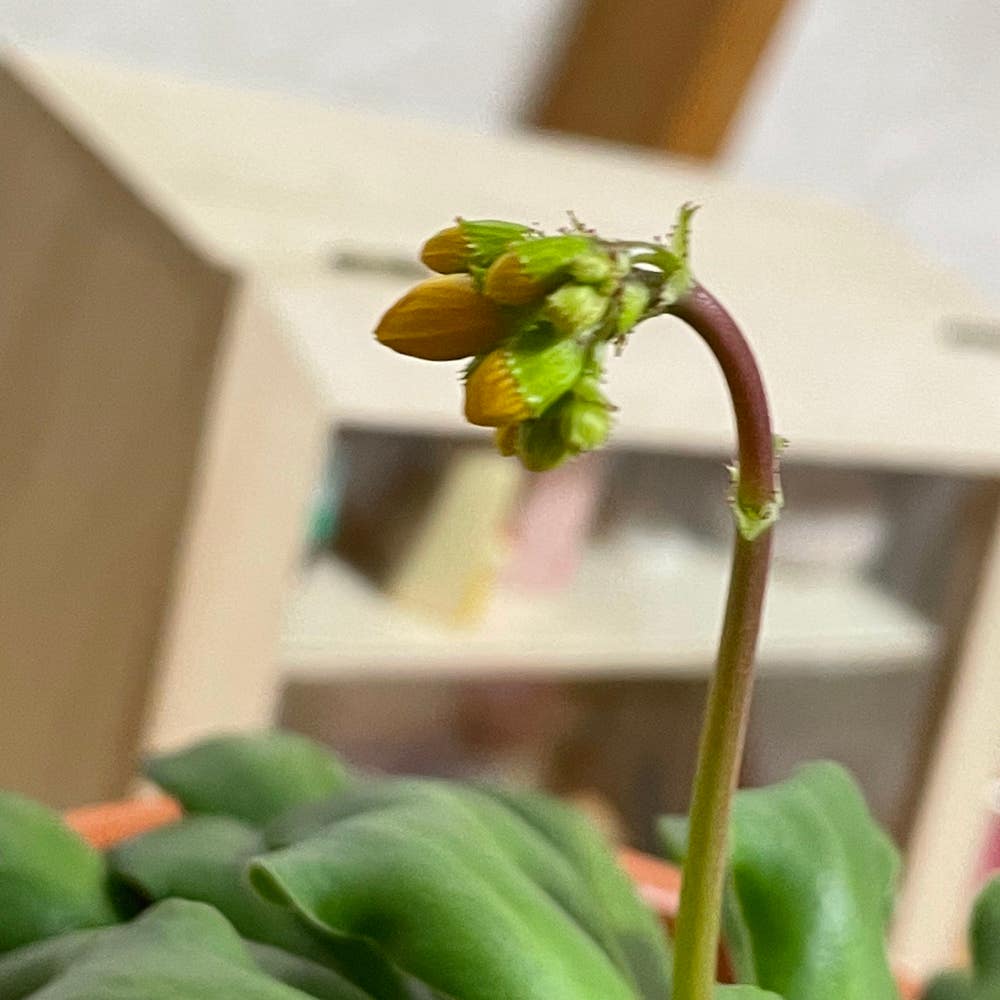
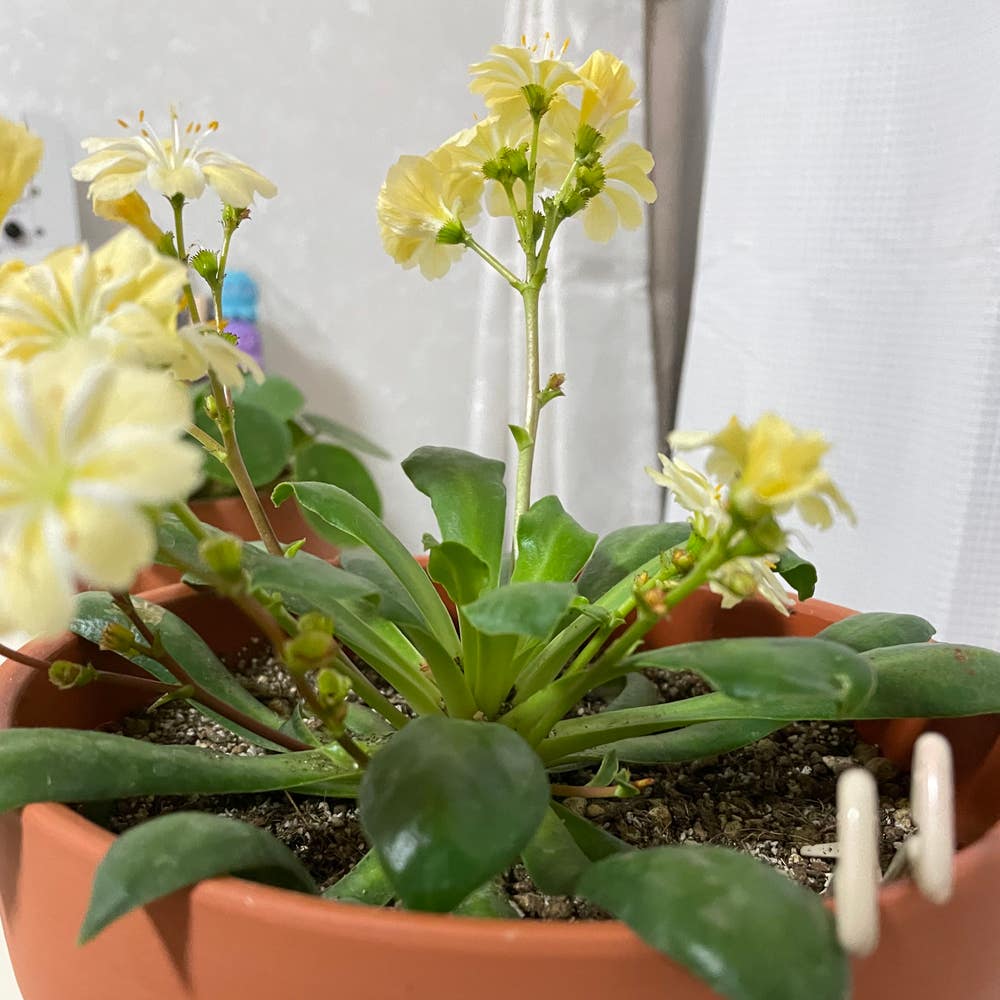
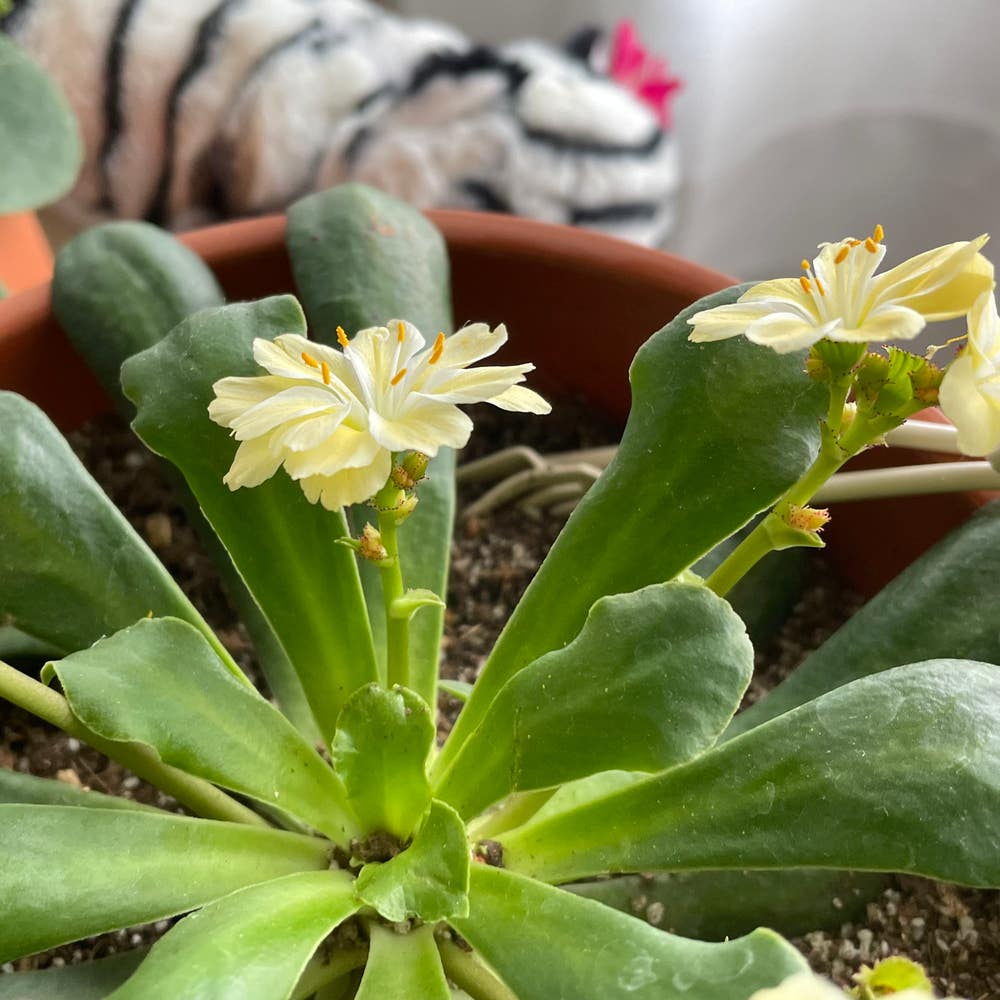
Flowering: Appearance of Flowers and Reproductive Structures 🌸
The flowering stage brings vibrant blooms and reproductive structures, signaling the plant's readiness to reproduce. This is a critical phase for attracting pollinators and ensuring genetic diversity.
Seed Production: Formation of Seed Pods or Capsules 🌾
Finally, during seed production, the plant forms seed pods or capsules. This stage is essential for the continuation of the species, allowing for dispersal and future growth.
Understanding these physical changes helps appreciate the intricate life cycle of cliff maids. Each stage is a testament to nature's resilience and adaptability, setting the stage for the next phase of growth.
⚠️ Safety First
This content is for general information and may contain errors, omissions, or outdated details. It is not medical, veterinary advice, or an endorsement of therapeutic claims.
Always consult a qualified healthcare professional before using any plant as food, medicine, or supplement.
Never eat any plant (or feed one to pets) without confirming its identity with at least two trusted sources.
If you suspect poisoning, call Poison Control (800) 222-1222, the Pet Poison Helpline (800) 213-6680, or your local emergency service immediately.
Spotted an error? Please report it here.
Master the growth journey of cliff maids and cultivate thriving plants 🌿 with Greg's tailored care tips and reminders that ensure they flourish beautifully!