The #1 Top Companion Plant for Lewisia 🌸
Lewisia cotyledon
By the Greg Editorial Team
Nov 08, 2024•4 min read
This article was created with the help of AI so we can cover more plants for you. May contain errors. See one? Report it here.
Elevate your garden's beauty 🌼 and health by discovering the best companion plants for Lewisia!
- 🌼 Companion planting boosts Lewisia's health with suitable partners like Sedum and Echinacea.
- 🐞 Echinacea and Achillea attract beneficial insects, enhancing biodiversity and pest control.
- ❌ Avoid brassicas and nightshades near Lewisia to prevent nutrient competition and pest attraction.
Best Companion Plants for Lewisia
🌱 Description of Suitable Companion Plants
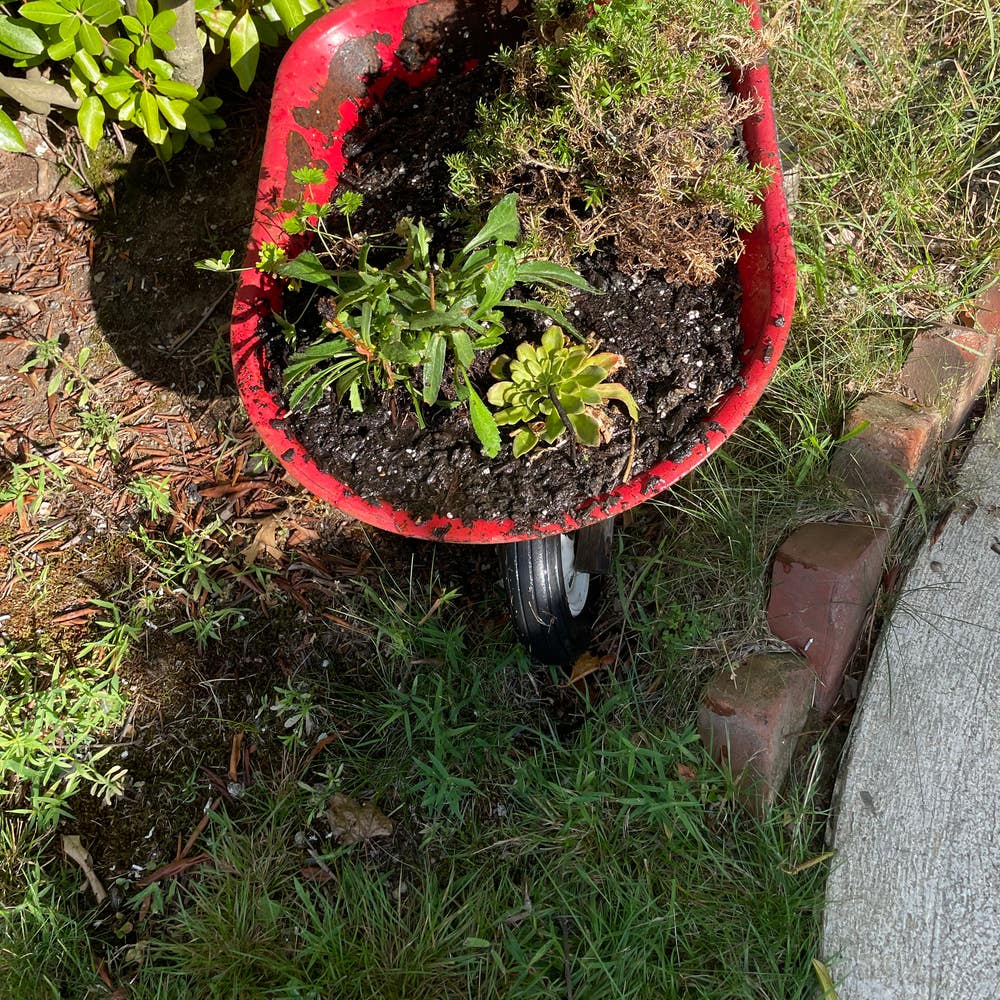
Companion planting can significantly enhance the health and beauty of your Lewisia. Here are some top choices that thrive alongside this stunning succulent.
Sedum
Sedum is a drought-tolerant plant known for its succulent leaves and vibrant flowers. It shares similar care needs with Lewisia, making it an ideal companion that enhances visual appeal through contrasting textures.
Echinacea
Echinacea, or coneflower, is a perennial featuring large, daisy-like flowers that attract pollinators. This plant complements Lewisia's blooming period and supports pollinator populations, enriching your garden's biodiversity.
Thymus
Thymus, commonly known as thyme, is a low-growing, aromatic herb that thrives in well-drained soil. It acts as a ground cover, reducing weed competition, while its scent can deter pests, making it a practical choice for your garden.
Achillea
Achillea, or yarrow, is a hardy perennial with flat-topped flower clusters that are drought-resistant. It attracts beneficial insects and provides a contrasting color palette to Lewisia, enhancing the overall garden aesthetic.
🐞 Pest Management with Companion Plants
How Companion Plants Help in Pest Management
Companion plants play a crucial role in natural pest management. They can deter pests and reduce the need for chemical pesticides, promoting a healthier garden ecosystem.
Specific Pest-Repellent Properties of Chosen Companions
- Sedum: Deters aphids and other soft-bodied insects.
- Echinacea: Attracts predatory insects that feed on pests.
- Thymus: Its strong aroma repels certain pests, like cabbage moths.
- Achillea: Known for repelling aphids while attracting beneficial insects.
By incorporating these companion plants, you can create a thriving environment for your Lewisia, ensuring it remains healthy and vibrant. Next, we’ll explore which plants to avoid to maintain the best growing conditions for your Lewisia.
Plants to Avoid Near Lewisia
🌱 Description of Incompatible Plants
When planning your garden, it's crucial to know which plants to steer clear of near Lewisia. Certain aggressive weeds and heavy feeders can disrupt the harmony of your garden.
- Brassicas (e.g., cabbage): These plants are notorious for competing fiercely for nutrients and can attract pests that threaten Lewisia.
- Nightshades (e.g., tomatoes): While popular in many gardens, nightshades can lure pests that may harm Lewisia, making them a risky neighbor.
⚠️ Reasons for Incompatibility
Understanding why some plants don't mix well with Lewisia can save you a lot of trouble.
- Competition for Resources: Heavy feeders like brassicas can drain the soil of essential nutrients and water, weakening Lewisia over time.
- Pest Attraction: Certain plants, especially nightshades, can attract unwanted pests, putting your Lewisia at risk of damage.
By avoiding these incompatible plants, you can create a thriving environment for your Lewisia to flourish. Next, let’s explore the seasonal considerations that will help you maximize the benefits of your companion planting strategy.
Seasonal Considerations
🌸 Seasonal Growth Patterns of Lewisia and Companions
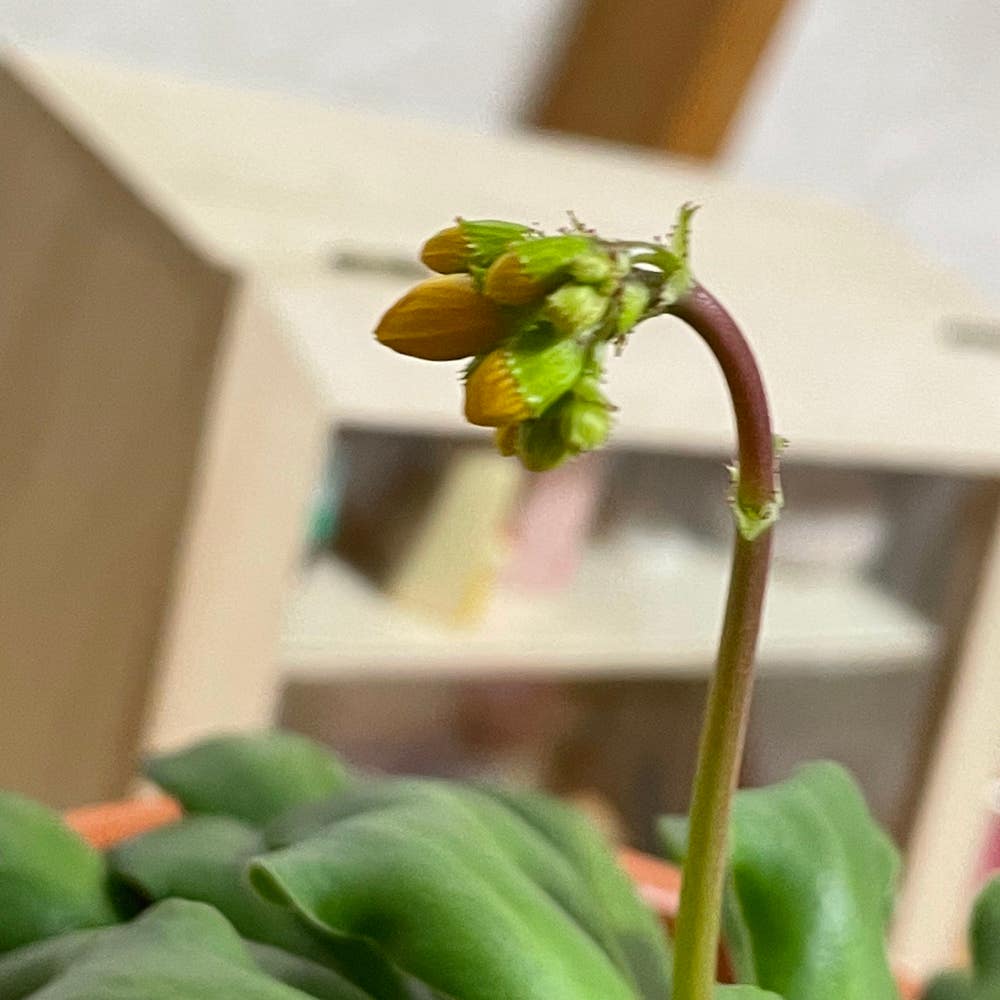
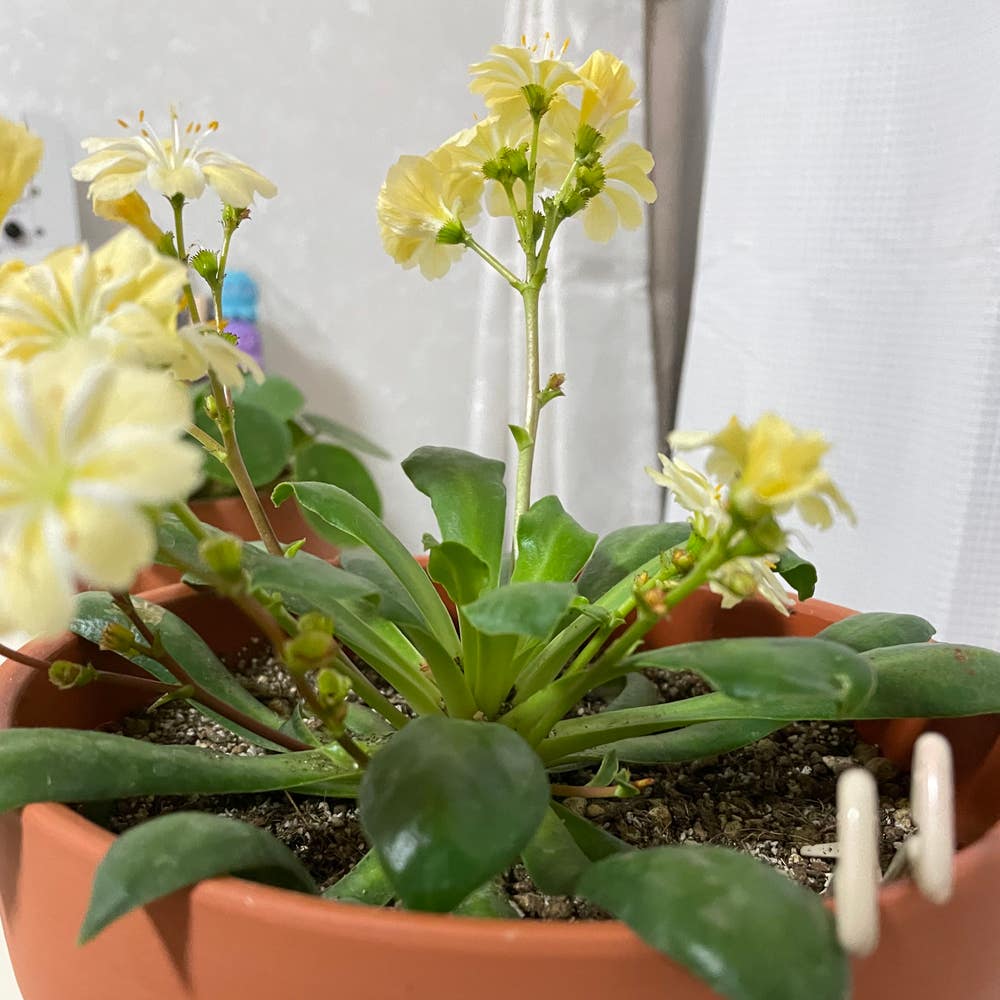
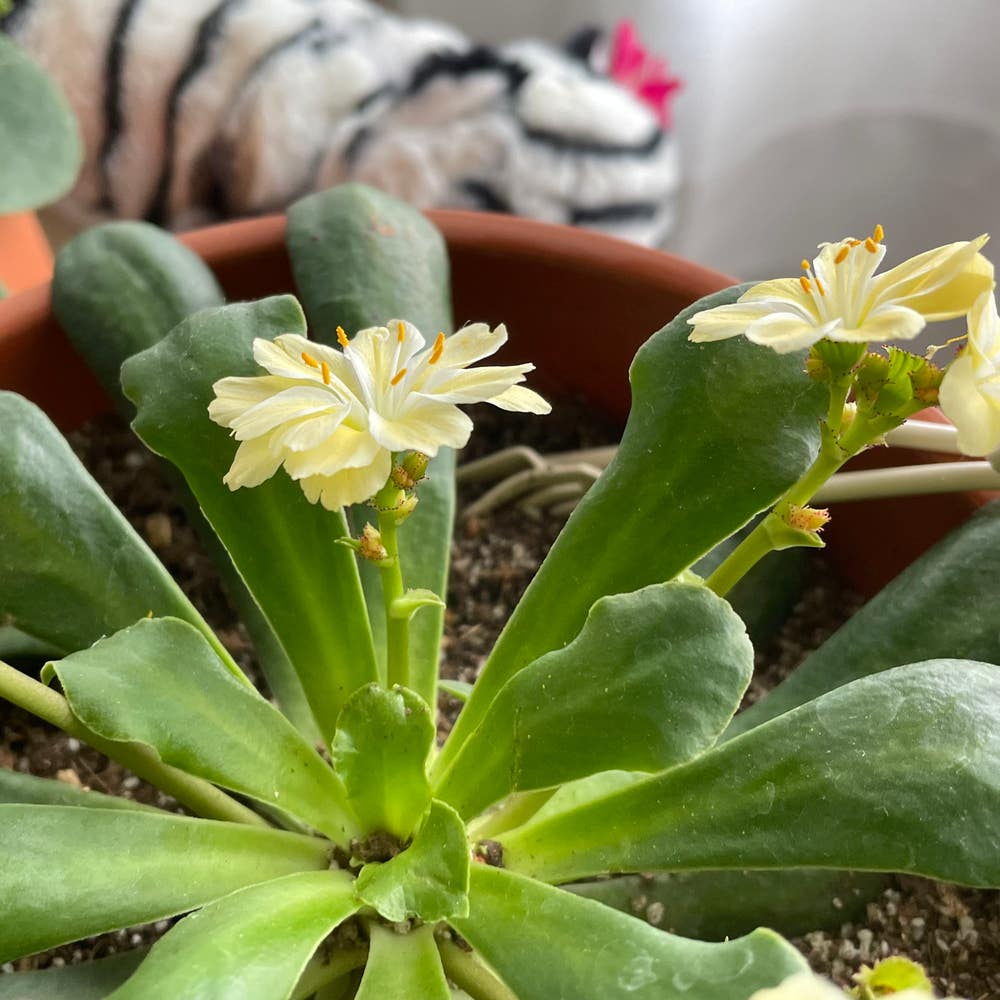
Lewisia is a fascinating plant that blooms in spring, showcasing its vibrant flowers before entering a summer dormancy. This growth cycle is crucial for understanding how to pair it with companion plants that thrive alongside it.
Companion plants often have growth patterns that complement Lewisia's cycle. For instance, many companions may bloom in late spring or early summer, providing visual interest while Lewisia is active. This alignment not only enhances the garden's aesthetic but also supports a healthy ecosystem.
⏰ Timing for Planting Companions with Lewisia
Timing is everything when it comes to planting companions with Lewisia. The best planting time for these companions is in early spring, just as the last frost passes. This ensures that they establish roots before the heat of summer sets in.
To maximize benefits, consider staggered planting. Start with early bloomers like Echinacea, followed by later bloomers such as Achillea. This strategy not only extends the blooming period but also creates a dynamic and engaging garden space.
With the right timing and plant choices, you can create a thriving environment that supports Lewisia and its companions beautifully. Next, let’s explore which plants to avoid near Lewisia to ensure a harmonious garden.
⚠️ Safety First
This content is for general information and may contain errors, omissions, or outdated details. It is not medical, veterinary advice, or an endorsement of therapeutic claims.
Always consult a qualified healthcare professional before using any plant as food, medicine, or supplement.
Never eat any plant (or feed one to pets) without confirming its identity with at least two trusted sources.
If you suspect poisoning, call Poison Control (800) 222-1222, the Pet Poison Helpline (800) 213-6680, or your local emergency service immediately.
Spotted an error? Please report it here.
Boost your Lewisia's health and beauty with the perfect companions 🌼, and let Greg guide you with tailored care tips and reminders for a thriving garden!