How to Propagate Your Lewisia
Lewisia cotyledon
By the Greg Editorial Team
Nov 08, 2024•5 min read
This article was created with the help of AI so we can cover more plants for you. May contain errors. See one? Report it here.
Master Lewisia propagation 🌱 with expert tips on seeds, cuttings, and divisions for a thriving garden! 🌼
- 🌱 Collect Lewisia seeds in late summer for optimal germination success.
- 💧 Use well-draining soil and mist gently to prevent waterlogging during propagation.
- ✂️ Take cuttings in late spring for best results; apply rooting hormone for growth.
Propagating from Seeds
🌱 Step-by-step guide on seed collection
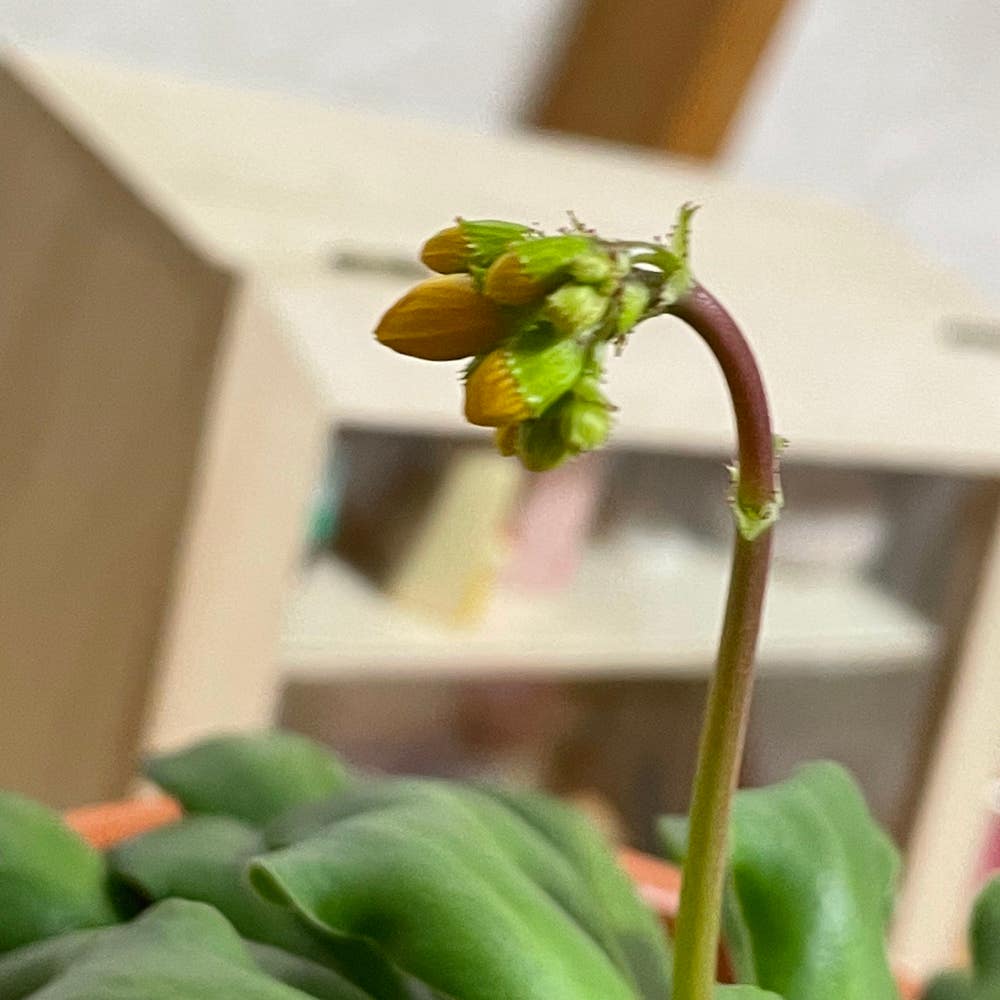
Collecting seeds from your Lewisia is a straightforward process. Aim to gather seeds in late summer to early fall when the seed pods have dried out.
To collect, gently squeeze the seed pods to release the seeds into a paper bag. This method ensures you capture all the seeds without damaging them. Once collected, store the seeds in a cool, dry place until you're ready to sow them.
🌼 Germination process and conditions
Preparing for germination is crucial for successful propagation. Start with a well-draining seed starting mix to give your seeds the best chance to thrive.
When sowing, scatter the seeds on the surface of the soil and lightly press them in. Be careful not to bury them too deep. Mist the soil gently to moisten it without causing waterlogging, which can harm the seeds.
⏰ Timing for sowing seeds
Timing is everything when it comes to sowing seeds. The best time to plant your Lewisia seeds is in early spring, as this aligns with their natural growth cycle.
Under ideal conditions, you can expect germination within 2-4 weeks. This quick turnaround will have you on your way to enjoying new plants in no time.
With these steps, you're well-equipped to propagate your Lewisia from seeds. Next, let's explore how to propagate this beautiful plant from cuttings, offering another exciting method to expand your garden.
Propagating from Cuttings
🌱 Best time to take cuttings
The ideal time to take cuttings from your Lewisia is during late spring to early summer. This period coincides with the plant's active growth phase, ensuring your cuttings have the best chance of thriving.
✂️ Preparing cuttings for propagation
When preparing your cuttings, start by selecting healthy stems that have at least 2-3 leaves. Cut these stems to a length of 4-6 inches, making your cut just below a leaf node for optimal rooting.
Next, remove the lower leaves from the cuttings. This step is crucial as it helps reduce moisture loss, giving your cuttings a better chance to establish roots.
🌿 Rooting hormone application
To encourage robust root development, consider using a rooting hormone powder or gel. Simply dip the cut end of your stem into the hormone before planting; this can significantly enhance your success rate.
🌞 Ideal conditions for rooting
For rooting, choose small pots or trays filled with a well-draining succulent mix. This type of soil helps prevent waterlogging, which can be detrimental to your cuttings.
Lightly water the soil after planting your cuttings. To maintain humidity, cover the pots with a plastic bag, creating a mini greenhouse effect that promotes healthy growth.
Place your setup in bright, indirect light. Avoid direct sunlight, as it can scorch the delicate cuttings and hinder their development.
With these steps, you’ll be well on your way to successfully propagating your Lewisia from cuttings. Next, let’s explore how to divide your plants for even more propagation opportunities.
Dividing Plants
When to divide 🌱
Timing is crucial when dividing your Lewisia. The best periods are early spring or fall, ensuring the plant is not in bloom, which helps minimize stress.
Tools needed for division 🛠️
Before you start, gather your essential tools. You'll need a sharp garden spade, pruning shears, and gloves to protect your hands during the process.
Step-by-step division process 📝
- Water the plant a day before division to reduce stress on the roots.
- Carefully dig around the plant to lift it from the soil, being gentle to avoid damaging the roots.
- Gently separate the root ball into sections, ensuring each section has both roots and leaves for successful replanting.
- Trim any damaged roots with clean shears to promote healthy growth.
Aftercare for divided plants 🌿
Once you've divided your plants, it's time for aftercare. Replant the divisions in well-draining soil and water them lightly to settle the soil around the roots.
Location and watering schedule 💧
Keep the newly divided plants in a shaded area for about a week. This helps reduce transplant shock. Water sparingly until you see new growth, signaling that the plants are adjusting well.
Dividing your Lewisia not only rejuvenates the plant but also gives you more to enjoy or share. Next, let’s explore common challenges you might face during propagation.
Common Challenges in Propagation
🐛 Pests and Diseases
Identifying pests early can save your Lewisia from serious damage.
Identifying common pests
- Aphids: Look for small, green insects clustered on new growth.
- Mealybugs: These pests appear as white, cotton-like clusters on leaves and stems.
Preventative measures and treatments
Regular inspections are key. Check your plants weekly for any signs of pests.
If you spot an infestation, treatment options include insecticidal soap or neem oil. These solutions can effectively manage pest populations without harming your plants.
🚫 Propagation Failures
Even experienced gardeners face challenges when propagating Lewisia.
Common reasons for failure
- Overwatering: This is a leading cause of root rot. Ensure the soil dries out between waterings to keep your plants healthy.
- Insufficient light: Weak, leggy growth often results from inadequate light. Adjust the light exposure to promote stronger growth.
Troubleshooting tips
Adjusting your care routine can make a significant difference. Modify watering and light conditions based on how your plants respond.
Lastly, be patient. Some cuttings take longer to develop roots than others, so give them the time they need to thrive.
With these insights, you'll be better equipped to tackle common challenges in propagating your Lewisia. Next, let’s explore how to divide plants effectively for propagation.
⚠️ Safety First
This content is for general information and may contain errors, omissions, or outdated details. It is not medical, veterinary advice, or an endorsement of therapeutic claims.
Always consult a qualified healthcare professional before using any plant as food, medicine, or supplement.
Never eat any plant (or feed one to pets) without confirming its identity with at least two trusted sources.
If you suspect poisoning, call Poison Control (800) 222-1222, the Pet Poison Helpline (800) 213-6680, or your local emergency service immediately.
Spotted an error? Please report it here.
Propagate your Lewisia like a pro 🌿 with Greg's tailored watering alerts and expert tips to ensure your plants thrive every step of the way!