How Fast A Lewisia Grows
Lewisia cotyledon
By the Greg Editorial Team
Nov 08, 2024•7 min read
This article was created with the help of AI so we can cover more plants for you. May contain errors. See one? Report it here.
Transform your garden into a vibrant oasis 🌸 by mastering the art of nurturing Lewisia from seed to bloom!
- 🌱 Lewisia seeds germinate best in 15°C to 20°C with well-draining soil.
- 🌼 Full size and flowering take 1 to 2 years, varying by species.
- 🌞 Environmental factors like soil and sunlight significantly affect Lewisia growth rates.
Germination Stage
Conditions for Germination 🌱
To kick off the growth of Lewisia, specific conditions are essential. The optimal temperature for germination ranges from 15°C to 20°C (59°F to 68°F), creating a cozy environment for the seeds.
Soil plays a crucial role too. Lewisia thrives in well-draining, sandy, or rocky soil, which mimics its natural habitat. Additionally, these seeds prefer indirect sunlight or partial shade, ensuring they don’t get scorched while they sprout.
Timeframe for Germination ⏳
Germination typically takes about 2 to 4 weeks. However, this timeframe can vary based on several factors.
Soil moisture, temperature stability, and seed quality all influence how quickly the seeds will germinate. Keeping these conditions in check will help you achieve the best results in your gardening journey.
With the right setup, you’ll soon witness the first signs of life as those seeds break through the soil!
Seedling Stage
🌱 Characteristics of Seedlings
During the seedling stage, Lewisia plants exhibit a charming appearance characterized by small rosettes. These rosettes are adorned with succulent leaves that not only look appealing but also serve a vital function: they store water.
The leaves are thick and fleshy, a perfect adaptation for survival in arid environments. Initially, the root system is shallow, but as the plant matures, it expands to support its growing structure and water needs.
⏳ Duration of the Seedling Stage
The seedling stage typically lasts between 4 to 8 weeks. During this time, the seedlings develop and strengthen, preparing for their next phase of growth.
You can tell when your Lewisia is ready for transplanting by observing the development of 3 to 4 true leaves. This is an exciting milestone, signaling that your plant is on its way to thriving in its new environment.
As you nurture your seedlings, keep an eye on their progress. The transition from seedling to the next growth stage is a rewarding journey, filled with anticipation for the vibrant blooms to come.
Vegetative Growth Stage
🌱 Growth Patterns and Changes
During the vegetative growth stage, Lewisia plants exhibit a striking growth habit characterized by the formation of a dense rosette. As the plant matures, the leaves may spread out, creating a lush and vibrant appearance.
The leaf color can vary significantly, ranging from bright green to a slightly reddish hue, influenced by the amount of light exposure. This color change not only adds visual interest but also indicates the plant's health and adaptability to its environment.
As the leaves thicken, they serve a crucial function: water storage. This adaptation allows Lewisia to thrive in its often arid, rocky habitats, making it a resilient choice for gardeners seeking low-maintenance plants.
⏳ Duration of Vegetative Growth
The average duration of the vegetative growth stage spans from 6 months to 1 year. This timeframe can fluctuate based on environmental conditions, such as soil quality and moisture levels.
Lewisias typically experience active growth in the spring and early summer, taking full advantage of the warmer temperatures and longer daylight hours. Conversely, they enter a state of dormancy during the winter months, conserving energy and resources until the next growing season.
As you observe your Lewisia during this stage, you'll witness its transformation and resilience, setting the stage for the exciting flowering phase ahead.
Flowering Stage
Timing of Flowering 🌸
The flowering stage of Lewisia typically occurs from spring to early summer, specifically between April and June. This vibrant display is triggered by the length of daylight and shifts in temperature, signaling the plant to bloom.
Flower Characteristics and Changes 🌼
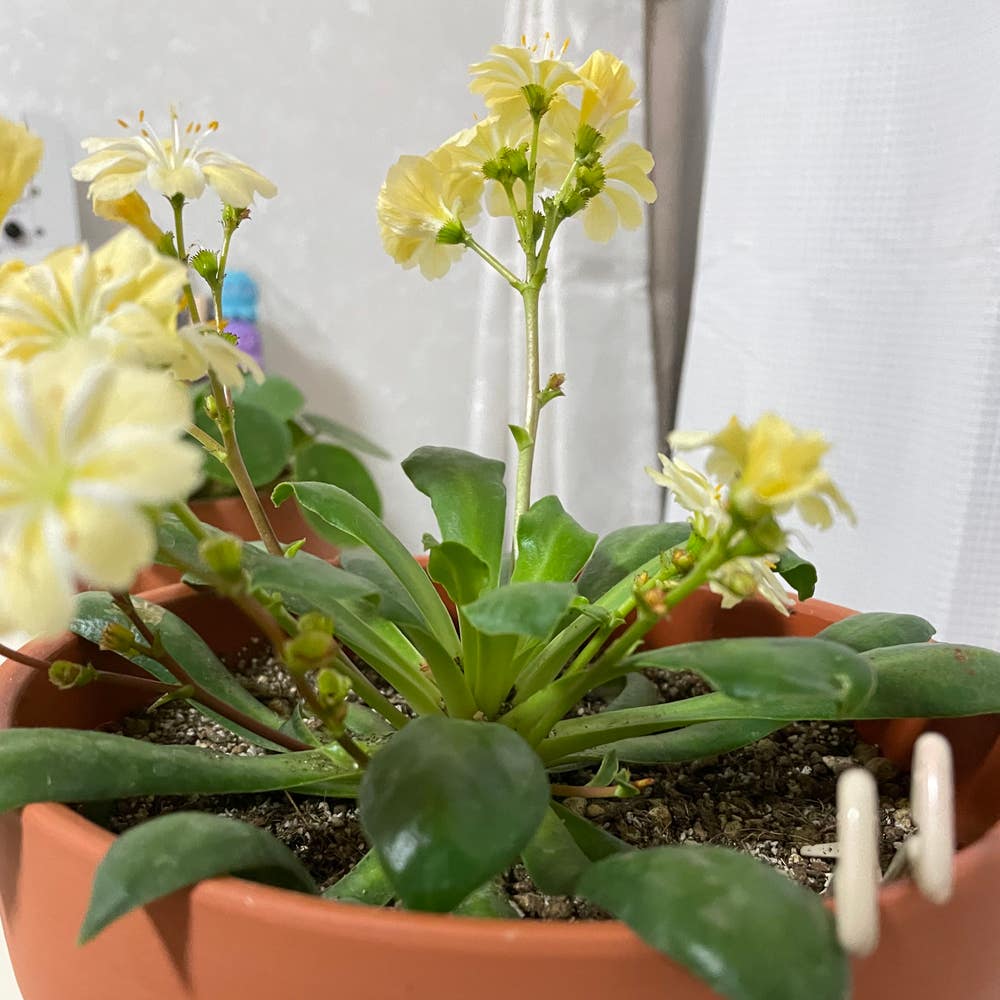
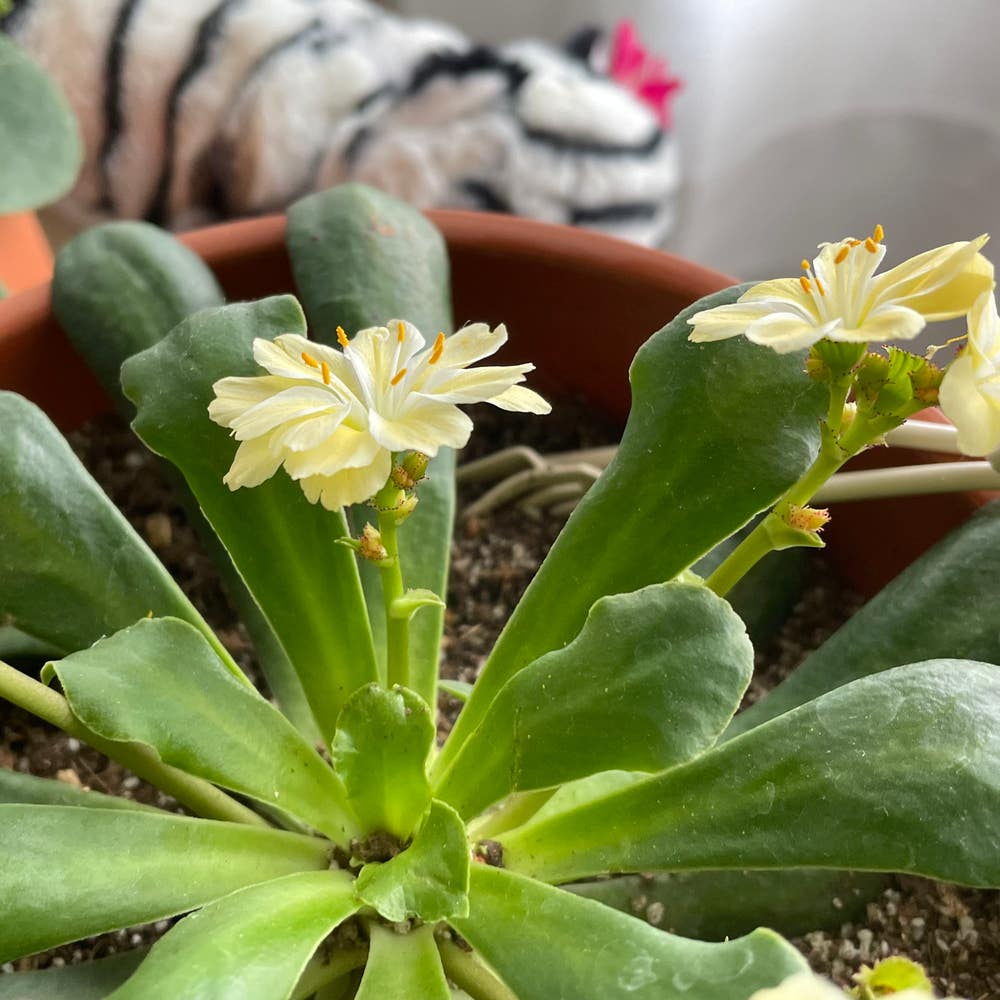
Lewisia flowers are a sight to behold, forming clusters of vibrant colors, including pink, yellow, and white. Each individual flower lasts about 1 to 2 weeks, but the plant continues to produce multiple blooms throughout the season, creating a stunning visual impact.
Pollination and Its Importance 🐝
These flowers are not just pretty; they play a crucial role in attracting bees and other pollinators. This interaction enhances the plant's reproductive success, ensuring that the cycle of life continues.
As we transition from the flowering stage, it's essential to understand how Lewisia progresses to seed production, which is the next critical phase in its life cycle.
Seed Production Stage
Process of Seed Production 🌼
Once flowering occurs, the fascinating process of seed production begins. Lewisia plants utilize both self-pollination and cross-pollination, often aided by insects, to ensure genetic diversity and successful reproduction.
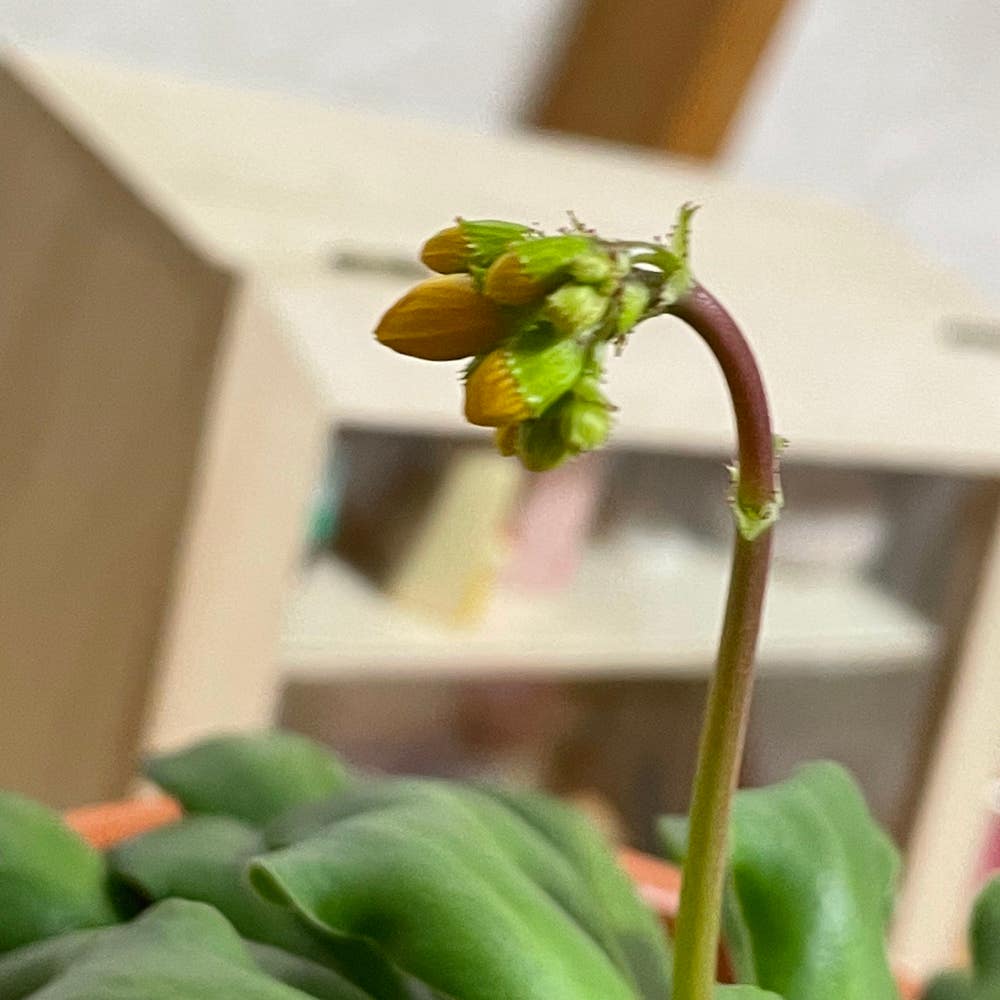
After pollination, seed pods start to develop. These pods are crucial as they house the seeds that will eventually ensure the continuation of the species.
Timeframe for Seed Production ⏳
The journey from flowering to seed maturity typically takes about 4 to 6 weeks. During this time, the plant focuses on nurturing the seeds within the pods.
Once mature, seeds are dispersed through natural shedding or by wind. This method allows Lewisia to spread its offspring across various terrains, increasing its chances of thriving in new environments.
As we explore the growth rate and maturation of Lewisia, we’ll see how these seeds contribute to the plant's life cycle and overall resilience.
Growth Rate and Maturation
How Long Until Lewisia is Fully Grown? 🌱
Lewisias typically take about 1 to 2 years to reach full size and flowering. However, the exact maturation time can vary significantly between species, with some varieties maturing faster than others.
Factors Affecting Growth Rate 🌦️
Several factors influence how quickly Lewisia grows. Environmental conditions such as soil quality, moisture levels, and sunlight exposure play a crucial role in determining growth speed.
Care practices also significantly impact growth rates. Proper watering and minimal disturbance during the plant's development can enhance its overall health and maturation.
Comparison of Growth Rates Among Varieties 📊
When comparing different Lewisia varieties, notable differences emerge. For instance, Lewisia cotyledon generally exhibits faster growth and flowers earlier, making it a popular choice for gardeners seeking quick results.
On the other hand, Lewisia rediviva grows more slowly but boasts a longer lifespan and greater resilience, thriving even in challenging conditions. Understanding these differences can help you choose the right variety for your gardening needs.
As you explore the growth patterns of Lewisia, keep in mind that nurturing these plants with the right conditions can lead to a thriving garden. Next, we will delve into the notable changes throughout the life cycle of Lewisia, highlighting its fascinating adaptations and growth stages.
Notable Changes Throughout Life Cycle
🌱 Physical Changes During Each Growth Stage
The life cycle of Lewisia is marked by distinct physical transformations.
During germination, the first signs of life appear with the emergence of cotyledons and initial leaf formation.
As the plant transitions into the seedling stage, it develops a robust rosette and a shallow root system that will expand over time.
In the vegetative stage, leaves undergo significant expansion and thickening, enhancing their ability to store water.
Finally, during the flowering stage, the plant shifts focus from growth to reproduction, showcasing vibrant flowers that attract pollinators.
🌍 Environmental Influences on Growth Stages
Lewisias are sensitive to their environment, which plays a crucial role in their development.
Temperature fluctuations can significantly impact both germination and flowering timing, with warmer conditions often accelerating growth.
Additionally, soil moisture levels are vital; adequate moisture promotes healthy growth, while drought can stunt development.
🌿 Adaptations of Lewisia During Its Life Cycle
Lewisias have evolved remarkable adaptations that enable them to thrive in challenging environments.
Their succulent leaves are a key feature, allowing them to conserve water and survive in rocky habitats.
These plants exhibit resilience to harsh conditions, thriving even in poor soil and during droughts.
Moreover, many species display perennial growth habits, living for several years and adapting to seasonal changes, which enhances their survival prospects.
As we explore the growth stages of Lewisia, it's clear that these plants are not just survivors; they are remarkable examples of nature's ingenuity. Next, we'll delve into the growth rate and maturation of Lewisia, uncovering how long it takes for these beauties to reach their full potential.
⚠️ Safety First
This content is for general information and may contain errors, omissions, or outdated details. It is not medical, veterinary advice, or an endorsement of therapeutic claims.
Always consult a qualified healthcare professional before using any plant as food, medicine, or supplement.
Never eat any plant (or feed one to pets) without confirming its identity with at least two trusted sources.
If you suspect poisoning, call Poison Control (800) 222-1222, the Pet Poison Helpline (800) 213-6680, or your local emergency service immediately.
Spotted an error? Please report it here.
Unlock the beauty of Lewisia in your garden 🌸 by using Greg's tailored care reminders to guide your plants from seedling to stunning bloom!