Best Soil for Lewisia 🌸
Lewisia cotyledon
By the Greg Editorial Team
Nov 08, 2024•5 min read
This article was created with the help of AI so we can cover more plants for you. May contain errors. See one? Report it here.
Unlock vibrant growth for your Lewisia by mastering soil care and creating the perfect mix! 🌿
- 🌱 Healthy Lewisia soil requires good drainage; avoid compacted and moldy conditions.
- 🧪 Regular soil testing ensures optimal pH and nutrient balance for Lewisia growth.
- 🏡 Create a homemade mix: 50% coarse sand, 30% low-nutrient soil, 20% pumice/gravel.
Identifying Unhealthy Soil
🚩 Signs of Unhealthy Soil
Identifying unhealthy soil is crucial for the health of your Lewisia plants. Look for visual indicators such as a compacted soil structure, which can hinder root growth and water absorption.
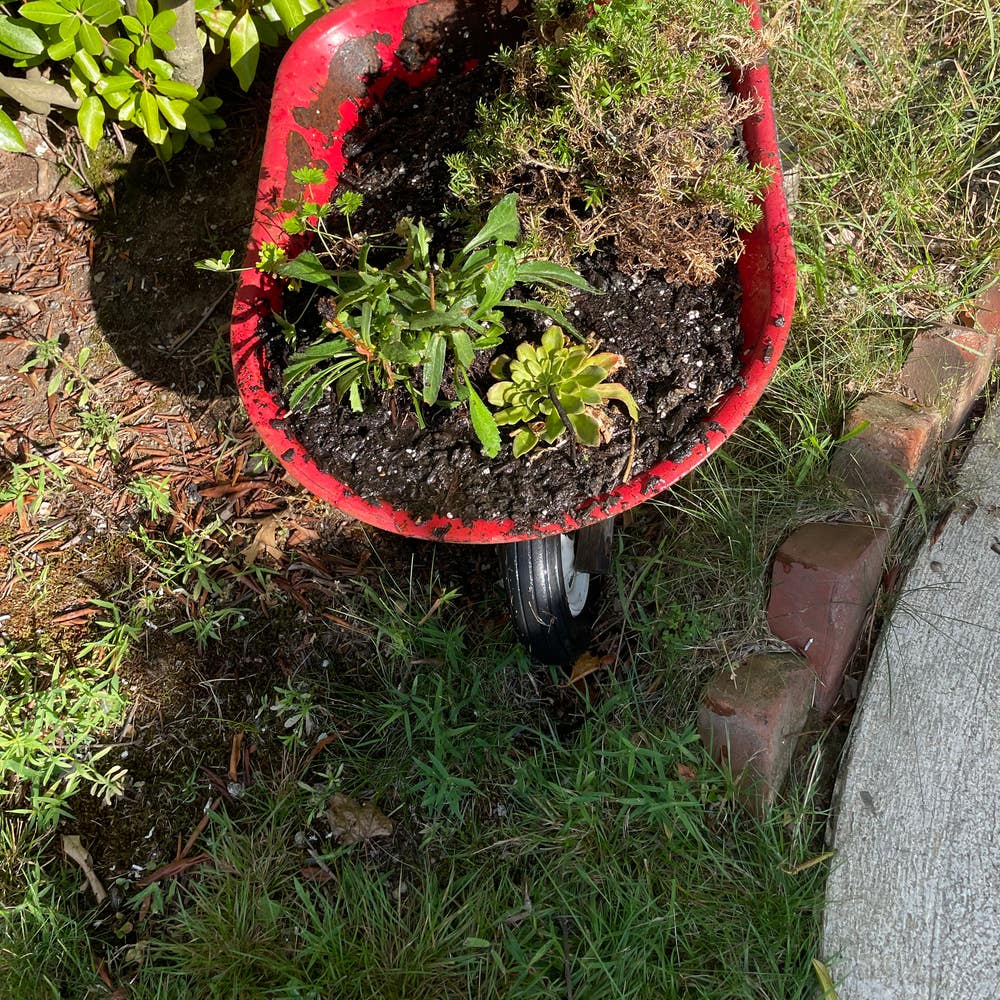
Excessive moisture retention is another red flag, as it can lead to root rot. Additionally, the presence of mold or fungal growth often signals that the soil is not in optimal condition.
🦠 How to Identify Moldy Soil and Its Implications
Moldy soil typically exhibits fuzzy white or green growth on the surface. This growth indicates anaerobic conditions, often accompanied by a sour smell.
These conditions can have serious implications for your Lewisia. They increase the risk of root rot and the spread of diseases, which can be detrimental to plant health.
🛠️ Solutions for Unhealthy Soil Conditions
Fortunately, there are effective steps to remediate unhealthy soil. Start by improving drainage through soil amendments, which can help prevent waterlogging.
If the soil is heavily moldy, consider replacing it with a fresh, well-draining mix. Regularly aerating the soil is also essential to prevent compaction and promote healthy root development.
By addressing these issues, you can create a thriving environment for your Lewisia plants.
Creating a Homemade Soil Mix
Step-by-Step Guide to Making a Soil Mix 🌱
Creating the perfect soil mix for your Lewisia is straightforward. Start by gathering your materials: coarse sand, low-nutrient potting soil, and pumice or gravel.
Next, mix the ingredients in a large container. Aim for a blend of 50% coarse sand, 30% potting soil, and 20% pumice.
Finally, check the consistency of your mix. It should feel gritty and loose, allowing for excellent drainage and aeration.
Recommended Ingredients for the Ideal Mix 🥗
Choosing the right ingredients is crucial for your Lewisia's health.
- Coarse sand: This enhances drainage, preventing water from pooling around the roots.
- Low-nutrient potting soil: It provides minimal organic matter, which is essential for these plants.
- Pumice or small gravel: This improves aeration and prevents soil compaction, ensuring your Lewisia thrives.
Adjusting Soil pH for Lewisia ⚖️
Maintaining the right soil pH is vital for optimal growth.
To test your soil pH, use pH test kits or meters available at garden centers.
If adjustments are necessary, you can easily modify the pH. Add lime to raise the pH or incorporate sulfur to lower it, ensuring your Lewisia has the best environment to flourish.
With the right homemade soil mix, your Lewisia will be set for success. Next, let’s explore soil amendments and enhancements that can further boost your plant's health.
Soil Amendments and Enhancements
🌱 Types of Soil Amendments Beneficial for Lewisia
To keep your Lewisia thriving, consider using both organic and inorganic soil amendments.
Organic Amendments
- Compost: Use it sparingly to avoid nutrient overload, as too much can harm your plant.
- Well-rotted leaf mold: This enriches the soil while maintaining a light texture.
Inorganic Amendments
- Perlite or vermiculite: These materials significantly improve aeration, allowing roots to breathe.
- Gypsum: It enhances soil structure, making it easier for roots to penetrate.
💧 How to Improve Drainage and Aeration in Soil
Proper drainage and aeration are crucial for the health of Lewisia. Here are some effective techniques:
- Mix in Additional Coarse Materials: Incorporate sand or gravel to enhance drainage. This prevents water from pooling around the roots.
- Create Raised Beds: Raised beds facilitate better water runoff, reducing the risk of waterlogged soil.
⚖️ Organic vs. Inorganic Amendments for Lewisia
Understanding the differences between organic and inorganic amendments can help you make informed choices.
Benefits of Organic Amendments
- They provide a slow release of nutrients, feeding your plants gradually.
- Over time, they improve soil structure, creating a healthier environment for roots.
Benefits of Inorganic Amendments
- They offer an immediate impact on drainage and aeration, which is essential for Lewisia.
- Their consistent performance ensures that you won't face unexpected nutrient variability.
By selecting the right amendments and techniques, you can create an optimal growing environment for your Lewisia. This foundation will set the stage for healthy growth and vibrant blooms. Next, let’s explore how to test and maintain soil health effectively.
Soil Testing and Maintenance
How to Test Soil pH for Lewisia 🌱
Testing soil pH is crucial for the health of your Lewisia. Start by collecting a soil sample from the root zone, ensuring you gather enough for accurate results.
Next, follow the instructions provided with your pH test kit or meter. This usually involves mixing the soil with water and a testing solution. Finally, record the pH level for future reference, as this will guide your soil amendment decisions.
Frequency of Soil Testing for Optimal Health 📅
To keep your Lewisia thriving, regular soil testing is essential. Aim to test the soil every 6-12 months for established plants to monitor any changes.
Before planting new Lewisia varieties, conduct a soil test to ensure the conditions are just right. This proactive approach helps prevent potential issues down the line.
Maintaining Soil Health Over Time 🌿
Ongoing soil care is vital for the longevity of your plants. Regularly aerate the soil to prevent compaction, which can hinder root growth and water absorption.
Monitoring moisture levels is equally important to avoid overwatering, which can lead to root rot. Adjust your soil amendments based on test results to maintain the ideal environment for your Lewisia.
With these practices, you’ll create a thriving habitat for your plants, ensuring they flourish season after season. Next, let’s explore the various soil amendments that can enhance your Lewisia's growth even further.
⚠️ Safety First
This content is for general information and may contain errors, omissions, or outdated details. It is not medical, veterinary advice, or an endorsement of therapeutic claims.
Always consult a qualified healthcare professional before using any plant as food, medicine, or supplement.
Never eat any plant (or feed one to pets) without confirming its identity with at least two trusted sources.
If you suspect poisoning, call Poison Control (800) 222-1222, the Pet Poison Helpline (800) 213-6680, or your local emergency service immediately.
Spotted an error? Please report it here.
Create thriving soil for your Lewisia 🌱 with Greg's personalized tips and reminders to keep your plants blooming beautifully!