🌸 Lewisia: Not an Annual
Lewisia cotyledon
By the Greg Editorial Team
Nov 08, 2024•4 min read
This article was created with the help of AI so we can cover more plants for you. May contain errors. See one? Report it here.
Unlock the secrets to thriving Lewisia plants 🌱 that bloom beautifully year after year in your garden!
- 🌼 Lewisia is a perennial, thriving for years with multiple blooming cycles.
- 🌵 Drought-resistant and adaptable, Lewisia flourishes in low-water gardens and various climates.
- 🌱 Proper care ensures longevity; avoid overwatering and provide winter protection for success.
Lewisia's Perennial Nature
🌱 Genetic and Physiological Characteristics
Lewisia plants exhibit unique genetic traits that enable their long-term survival. Their chromosomal structure is adapted to withstand various environmental challenges, ensuring resilience over the years.
The leaf structure of Lewisia is particularly fascinating. With fleshy leaves designed for water storage, these plants can thrive in arid conditions, making them ideal for low-water gardens.
Their root system is another key feature. Deep and extensive roots allow Lewisia to access vital nutrients, supporting their growth and longevity.
🌼 Long-Term Lifecycle and Growth Patterns
Lewisia typically enjoys a lifespan of several years, showcasing multiple blooming cycles throughout its life. This perennial nature means that gardeners can enjoy vibrant flowers year after year.
Seasonal growth patterns are also noteworthy. During winter, Lewisia enters a state of dormancy, conserving energy, while spring and summer bring a burst of active growth.
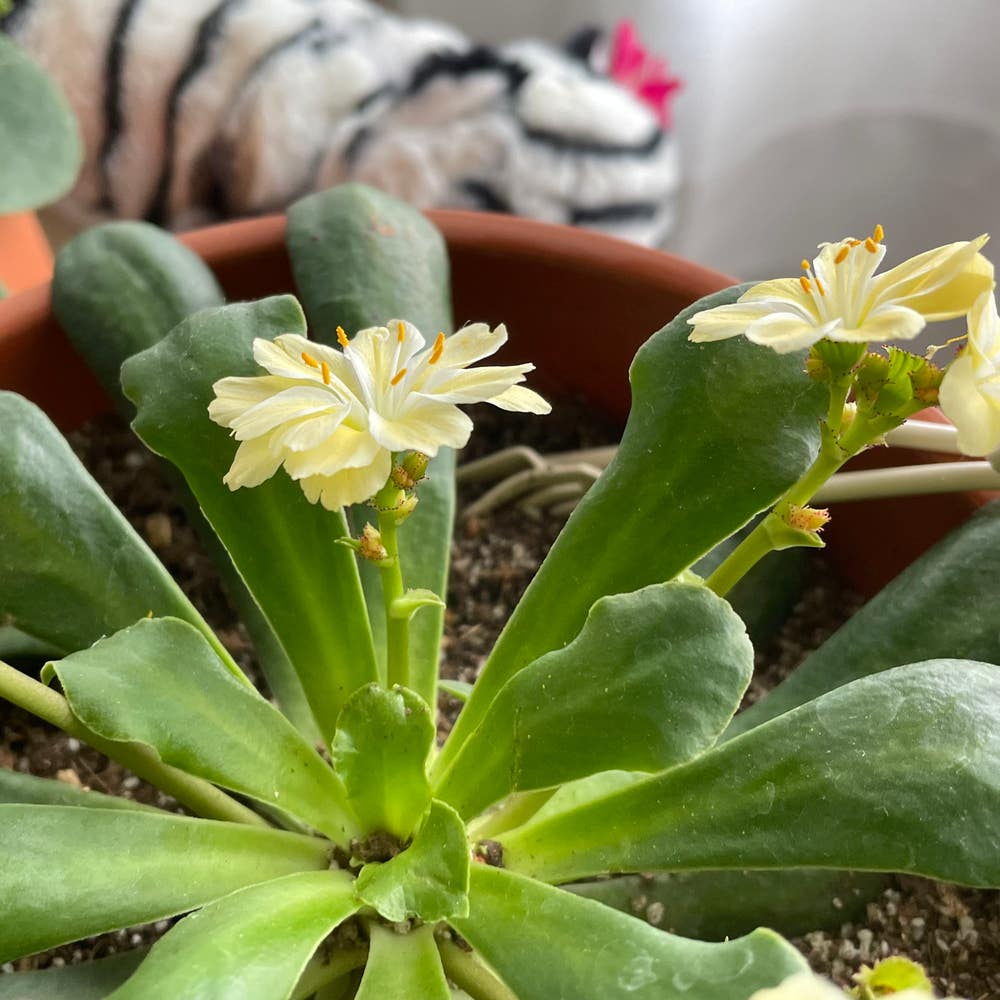
The rosette growth form is a distinctive characteristic of Lewisia. This unique structure not only supports perennial growth but also enhances the plant's aesthetic appeal in gardens.
🌸 Reproductive Strategies and Seed Production
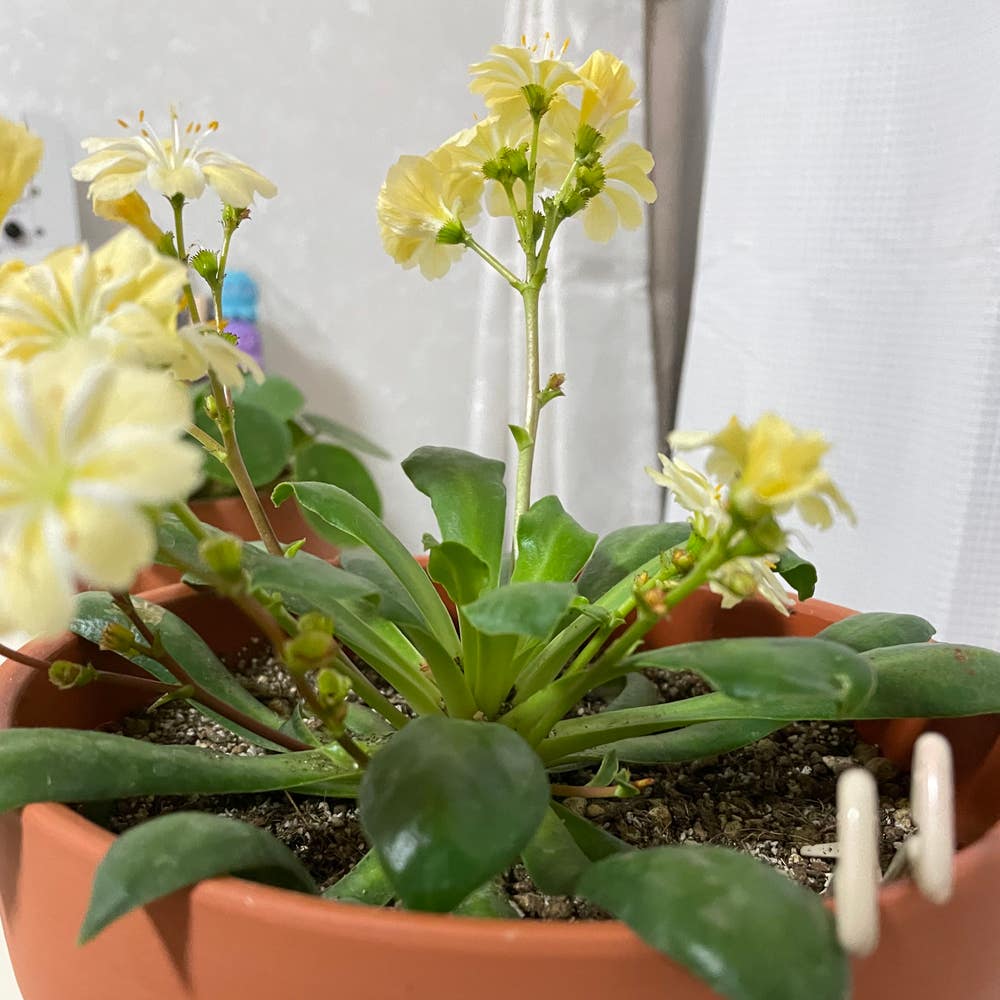
Lewisia's flowering patterns are a visual delight, featuring clusters of flowers in various colors and sizes. This diversity adds charm to any garden setting.
Clonal propagation is another fascinating aspect of Lewisia. The ability to produce offsets or pups allows these plants to spread and thrive in their environment.
Seed viability is crucial for the plant's survival. Lewisia seeds can remain dormant for extended periods, with specific triggers needed for germination, ensuring the species continues to flourish even in challenging conditions.
As we explore the misconceptions surrounding Lewisia, it's essential to understand how these remarkable plants adapt and thrive in diverse environments.
Misconceptions and Exceptions
🌱 Conditions Where Lewisia May Be Mistaken for an Annual
Lewisia plants can sometimes be misidentified as annuals due to environmental stressors. Drought or extreme temperatures can cause them to appear less vibrant, leading gardeners to believe they have died off.
Additionally, the seasonal dieback of Lewisia can confuse observers. When these plants go dormant, their lack of visible growth may be mistaken for the end of their lifecycle, reinforcing the misconception that they are annuals.
🌍 Regional Variations Affecting Lewisia's Classification
Climate plays a significant role in how Lewisia grows and blooms. In different regions, variations in temperature and precipitation can lead to distinct growth patterns and flowering times.
Soil types also influence Lewisia's longevity and health. Well-draining soils can enhance their growth habits, while poor soil conditions may stunt their development, further complicating their classification as perennials.
Understanding these misconceptions and regional variations is crucial for appreciating the true nature of Lewisia. By recognizing their perennial characteristics, gardeners can better care for and enjoy these resilient plants.
Garden Design and Planting Strategies
🌼 Advantages of Using Lewisia in Perennial Gardens
Lewisia brings a burst of color to any garden with its long-lasting blooms. These plants can flower multiple times throughout the growing season, making them a visual delight.
Additionally, Lewisia is drought-resistant, which makes it perfect for low-maintenance gardens. This resilience allows gardeners to enjoy beautiful landscapes without the constant worry of watering.
🌿 Tips for Integrating Lewisia into Garden Design
Companion planting is a fantastic strategy when incorporating Lewisia into your garden. Pairing it with other perennials can create stunning visual contrasts and enhance the overall aesthetic.
Placement is crucial for the success of Lewisia. Choose locations that provide adequate sunlight and good drainage to ensure these plants thrive and showcase their vibrant blooms.
By thoughtfully integrating Lewisia into your garden design, you can create a perennial paradise that requires minimal upkeep while delivering maximum beauty.
Maximizing Longevity of Lewisia
🌱 Best Practices for Managing Lewisia as a Perennial
To ensure your Lewisia thrives as a perennial, proper watering techniques are essential. Aim for consistent moisture, but avoid waterlogging, as this can lead to root rot.
Soil amendments play a crucial role in enhancing growth. Incorporate organic matter or well-rotted compost to improve soil structure and nutrient availability.
🌦️ Seasonal Considerations for Lewisia Care
Winter protection is vital for safeguarding Lewisia during dormancy. Consider using mulch to insulate the roots and prevent freeze-thaw cycles that can damage the plant.
As spring approaches, watch for signs of growth. Adjust your care routine by gradually increasing water and removing any protective coverings to allow the plant to awaken fully.
By following these practices, you can maximize the longevity of your Lewisia, ensuring it remains a vibrant part of your garden for years to come. Next, we’ll explore how to effectively integrate Lewisia into your garden design for optimal visual impact.
⚠️ Safety First
This content is for general information and may contain errors, omissions, or outdated details. It is not medical, veterinary advice, or an endorsement of therapeutic claims.
Always consult a qualified healthcare professional before using any plant as food, medicine, or supplement.
Never eat any plant (or feed one to pets) without confirming its identity with at least two trusted sources.
If you suspect poisoning, call Poison Control (800) 222-1222, the Pet Poison Helpline (800) 213-6680, or your local emergency service immediately.
Spotted an error? Please report it here.
Unlock the true potential of your Lewisia 🌱 with Greg's tailored care reminders, ensuring this resilient perennial flourishes beautifully in your garden for years to come!