🌸 4 Tips for Pollinating Lewisia
Lewisia cotyledon
By the Greg Editorial Team
Nov 08, 2024•6 min read
This article was created with the help of AI so we can cover more plants for you. May contain errors. See one? Report it here.
Unlock the secrets of Lewisia pollination 🌸 to boost your garden's blooms and support thriving ecosystems!
- 🌼 Lewisia can self-pollinate, thriving even in isolated environments without external help.
- 🌍 Cross-pollination boosts genetic diversity, leading to healthier and more resilient Lewisia plants.
- 🐝 Attract pollinators by planting diverse flowers and providing water sources for effective pollination.
Self-Pollination vs. Cross-Pollination
🌱 Self-Pollination
Lewisia plants have a fascinating ability to self-pollinate, meaning they can reproduce without the help of external pollinators. This trait is particularly beneficial in isolated environments where pollinators may be scarce.
Self-pollination ensures seed production even when conditions are less than ideal. It also reduces the plant's dependency on pollinator species, allowing Lewisia to thrive in a variety of settings.
🌼 Cross-Pollination
On the flip side, many Lewisia species thrive through cross-pollination, which enhances their genetic diversity. This process is crucial for the overall health of the species.
Cross-pollination increases resilience to diseases and environmental changes, promoting stronger and healthier offspring. By mixing genetic material, these plants can adapt better to their surroundings, ensuring their survival in fluctuating conditions.
Flower Structure
🌸 Description of Flower Parts
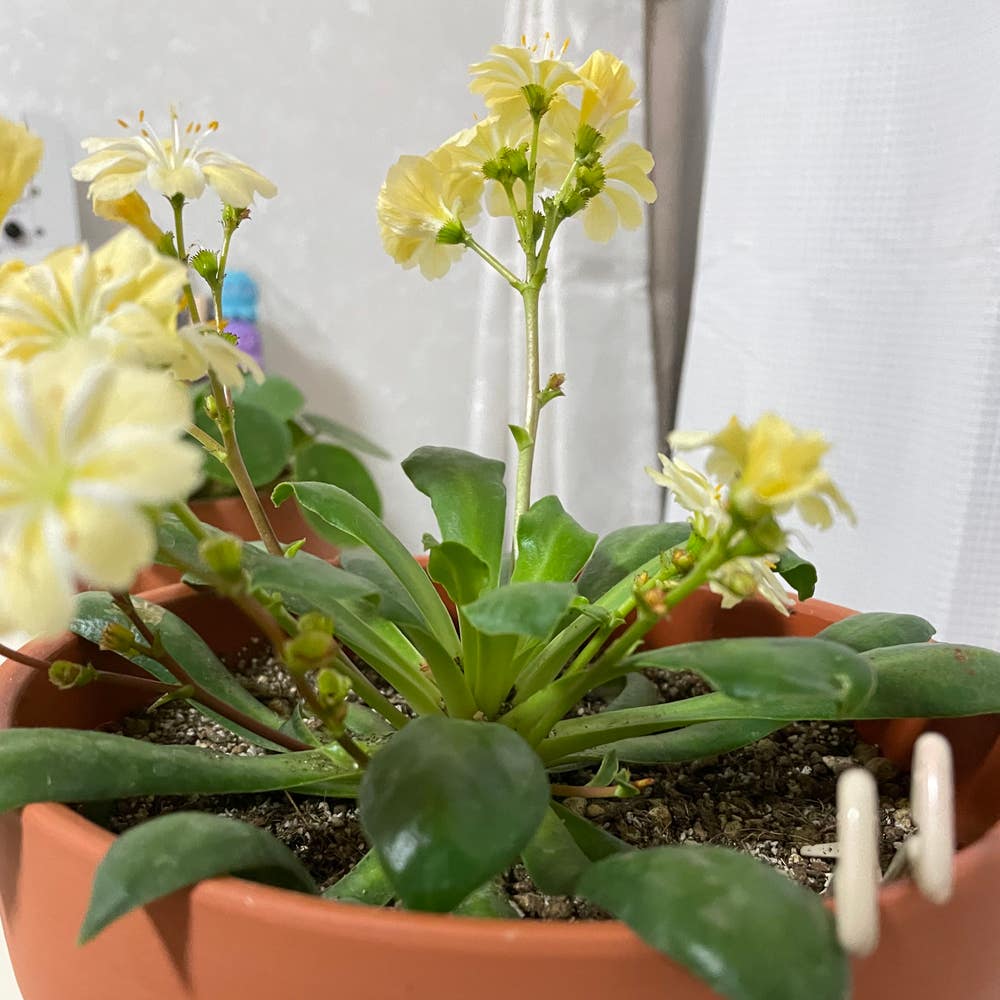
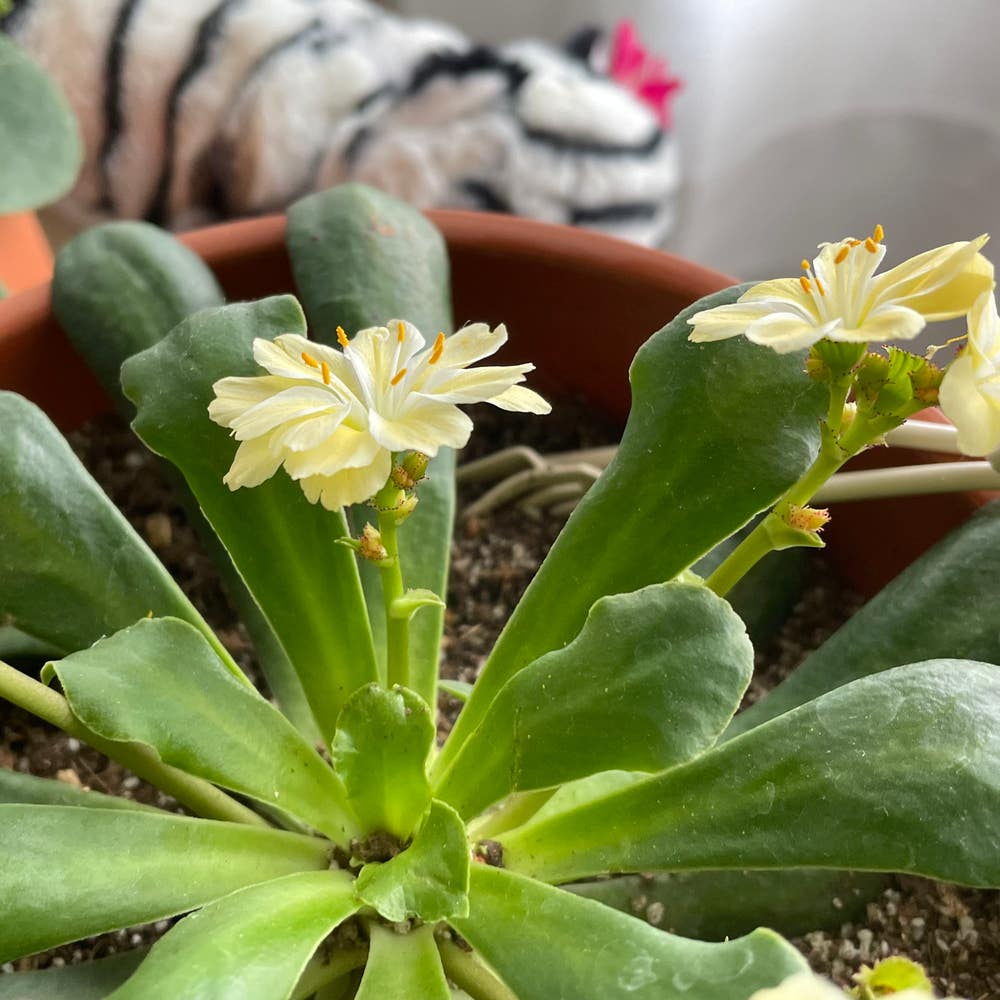
Lewisia flowers are a sight to behold, featuring star-shaped petals in vibrant hues like pink and white. These eye-catching colors play a crucial role in attracting pollinators.
The sepals, typically green, provide essential support and protection to the delicate flower structure. Meanwhile, the stamens are strategically arranged to facilitate pollen transfer, ensuring maximum contact with visiting pollinators.
🐝 How Flower Structure Facilitates Pollination
The unique arrangement of stamens and pistils in Lewisia flowers promotes efficient pollen transfer. This design is beneficial for both self-pollination and attracting pollinators.
Bright colors and the star shape of the petals enhance visibility, making it easier for pollinators to locate these flowers. This combination of features not only aids in reproduction but also contributes to the overall health of the plant population.
With such an effective floral structure, Lewisia thrives in various environments, showcasing the beauty of nature's design. As we explore further, we’ll delve into the pollination process that brings these flowers to life.
Pollination Process
🌱 Mechanisms of Self-Pollination
Lewisia plants have a fascinating ability to self-pollinate. This process occurs when pollen from the stamens falls directly onto the pistil of the same flower, ensuring reproduction even in the absence of external pollinators.
Self-pollination is particularly advantageous in isolated environments or during periods of environmental stress. When pollinator activity is low, this method guarantees that Lewisia can still produce seeds.
🦋 Role of Pollinators in Cross-Pollination
While self-pollination is effective, many Lewisia species thrive through cross-pollination, which enhances genetic diversity. Key pollinators include:
- Bees: They collect nectar and pollen, playing a crucial role in transferring pollen between flowers.
- Butterflies: Their attraction to vibrant colors aids in the movement of pollen.
- Hummingbirds: These birds visit for nectar, contributing significantly to the pollination process.
Lewisia employs various strategies to attract these pollinators. The bright colors and delightful fragrances of its flowers serve as beacons, drawing in these essential species. By creating an inviting environment, Lewisia ensures a robust pollination process that supports its growth and reproduction.
As we explore further, we'll discuss how to support these vital pollinators and create a thriving ecosystem for Lewisia.
Hand Pollination ((difficulty:moderate))
Step-by-Step Instructions for Hand Pollination 🌼
Hand pollination can be a rewarding process for ensuring your Lewisia plants thrive. Follow these simple steps to get started:
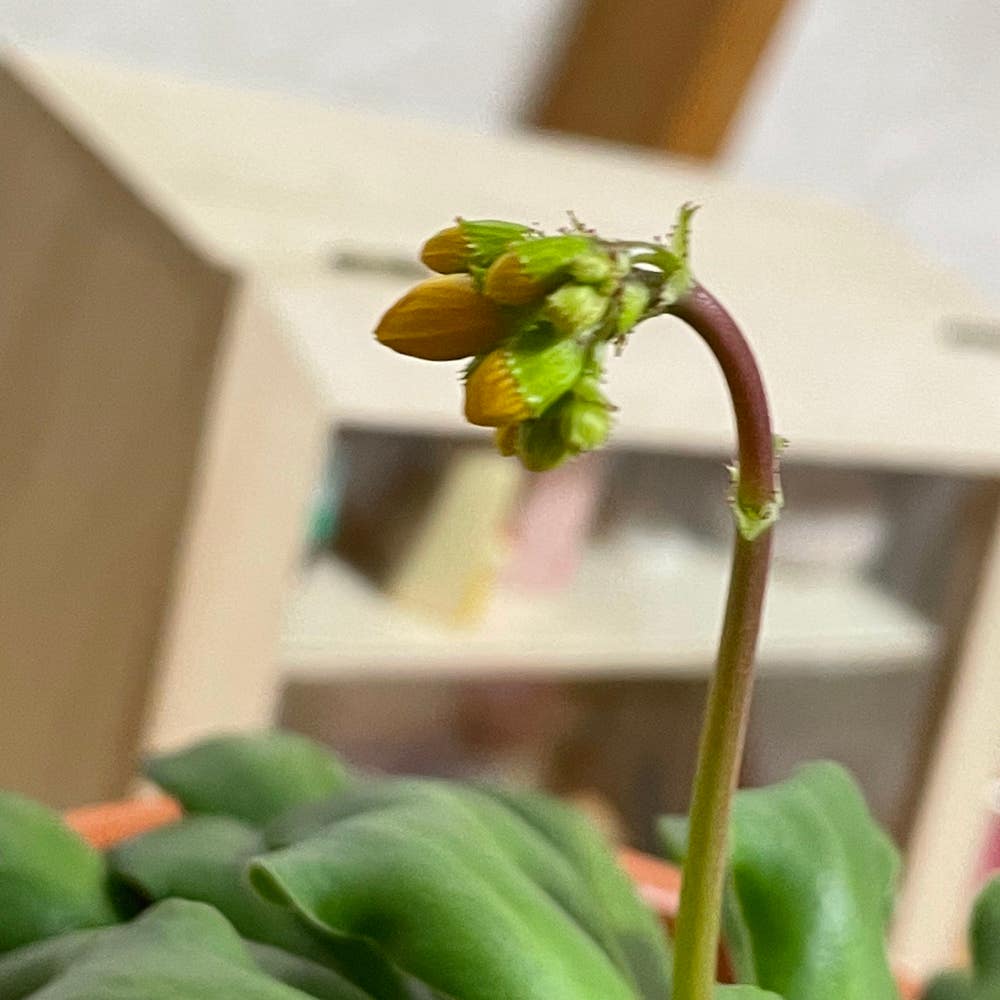
Identify Flowers Ready for Pollination: Look for open blooms that are fully developed and ready to receive pollen.
Collect Pollen: Use a clean tool, like a cotton swab, to gently tap or brush the stamens. This will gather the pollen without damaging the flower.
Transfer Pollen: Carefully apply the collected pollen to the stigma of the same flower or another compatible bloom. This step is crucial for successful fertilization.
Timing: The best time to perform hand pollination is in the morning when flowers are fully open and most receptive.
Identifying Male and Female Flower Parts 🌸
Understanding the anatomy of your Lewisia flowers is essential for effective hand pollination.
Male Parts: The stamens, which include the anthers and filaments, are responsible for producing pollen.
Female Parts: The pistil, consisting of the stigma, style, and ovary, is where fertilization occurs.
To distinguish between the two, look for the prominent, pollen-producing stamens versus the central structure of the pistil, which is designed to receive pollen.
With these steps and insights, you can enhance the pollination success of your Lewisia plants. This hands-on approach not only boosts seed production but also deepens your connection with these beautiful flowers.
Next, let’s explore how to create a pollinator-friendly environment that supports not just your plants but also the vital pollinators that help them thrive.
Supporting Pollinators
🌼 Creating a Pollinator-Friendly Environment
To support pollinators, start by planting a variety of flowering species. This diversity attracts different pollinators, ensuring a vibrant ecosystem.
Providing water sources is crucial for pollinators, especially during dry spells. Additionally, creating shelter with native plants or small structures can offer refuge for these beneficial insects.
Avoiding pesticides is essential. Many chemicals harm pollinators, so opt for natural pest control methods to keep your garden thriving.
🌸 Companion Plants to Attract Pollinators
Companion planting can significantly enhance your garden's appeal to pollinators. Consider adding lavender, which is a magnet for bees and butterflies.
Echinacea is another excellent choice, offering nectar that various pollinators love. Marigolds not only deter pests but also attract beneficial insects, making them a win-win for your garden.
By cultivating a pollinator-friendly environment and incorporating companion plants, you can create a thriving habitat that supports Lewisia and its pollinators. This proactive approach not only benefits your plants but also contributes to the overall health of the ecosystem.
Next, let’s explore the challenges that can arise during the pollination process and how to overcome them effectively.
Pollination Challenges
🌪️ Common Obstacles to Successful Pollination
Pollination can be a tricky business for Lewisia plants. Environmental factors like extreme temperatures and high humidity can deter pollinator activity, making it harder for flowers to get the attention they need.
Additionally, a lack of nearby pollinator habitats can significantly reduce opportunities for cross-pollination. Without these essential visitors, the genetic diversity that strengthens plant resilience is at risk.
🛠️ Solutions for Overcoming Pollination Challenges
Fortunately, there are effective strategies to enhance pollination success. One of the best approaches is to create a diverse garden ecosystem that attracts a variety of pollinators.
Consider planting a mix of flowering species that bloom at different times to keep pollinators engaged throughout the growing season.
If natural pollination proves insufficient, implementing hand pollination techniques can be a game-changer. This method ensures that pollen gets where it needs to go, even when nature falls short.
Monitoring environmental conditions is also crucial. Adjusting care practices based on weather patterns can help mitigate the impact of unfavorable conditions on pollination success.
By taking these proactive steps, you can support your Lewisia plants and ensure they thrive, even in challenging circumstances.
⚠️ Safety First
This content is for general information and may contain errors, omissions, or outdated details. It is not medical, veterinary advice, or an endorsement of therapeutic claims.
Always consult a qualified healthcare professional before using any plant as food, medicine, or supplement.
Never eat any plant (or feed one to pets) without confirming its identity with at least two trusted sources.
If you suspect poisoning, call Poison Control (800) 222-1222, the Pet Poison Helpline (800) 213-6680, or your local emergency service immediately.
Spotted an error? Please report it here.
Boost your Lewisia's pollination success 🌱 with Greg's tailored tips that help create a thriving ecosystem for both your plants and their pollinators!