🌸 Getting Your Lewisia to Bloom
Lewisia cotyledon
By the Greg Editorial Team
Nov 08, 2024•5 min read
This article was created with the help of AI so we can cover more plants for you. May contain errors. See one? Report it here.
Unlock stunning Lewisia blooms 🌼 with expert tips to nurture your garden's beauty and resilience!
- 🌼 Lewisia blooms in vibrant colors like pink, white, yellow, and orange.
- ☀️ Ensure 6-8 hours of sunlight and well-draining soil for optimal blooming.
- 🌱 Proper care and environmental conditions are key to encouraging Lewisia flowers.
Flowering Status of Lewisia
Clarification on Flower Production 🌸
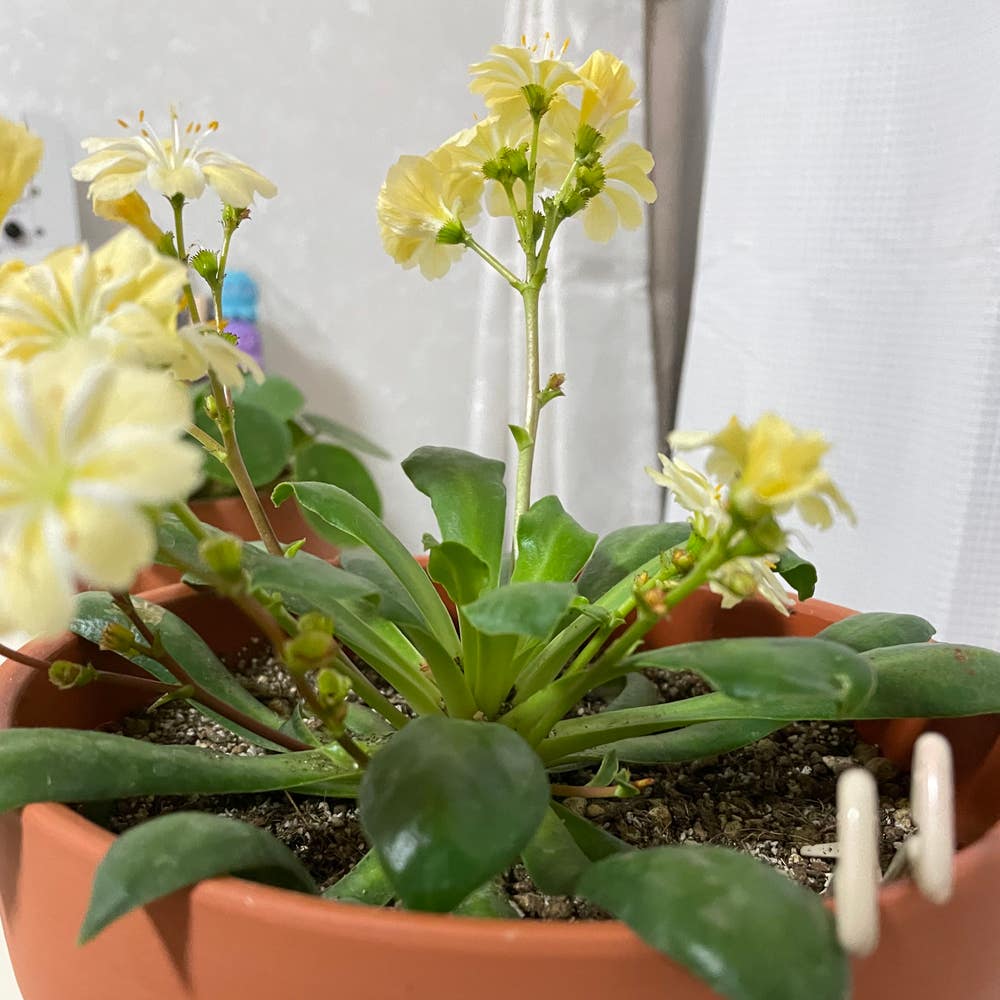
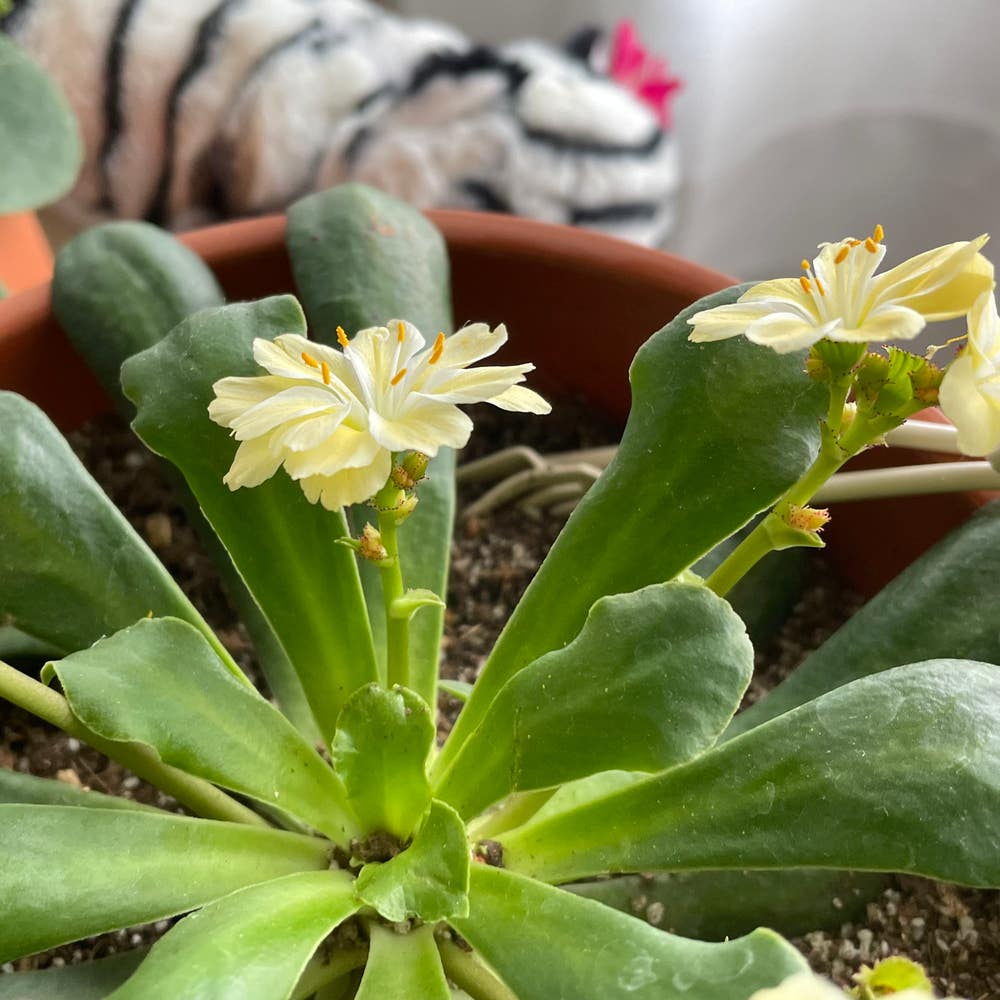
Lewisia is indeed a flowering plant, showcasing a stunning array of colors like pink, white, yellow, and orange. Its flowers are star-like, featuring multiple petals that enhance its ornamental charm.
Reasons for Non-Flowering 🚫
Several factors can prevent Lewisia from blooming.
- Environmental Stressors: Poor soil quality and inadequate sunlight can hinder flower production.
- Improper Care: Neglecting maintenance routines may also impact flowering.
- Varietal Differences: Some specific varieties naturally exhibit reduced flowering tendencies.
Understanding these elements can help you troubleshoot and encourage your Lewisia to thrive and bloom beautifully.
If Lewisia Flowers
🌸 Flower Characteristics
Description of Flower Colors and Structure
Lewisia is celebrated for its stunning flowers, which bloom in a delightful array of colors, including pink, white, yellow, and orange. These star-like flowers feature multiple petals, often clustered on elegant flower spikes, making them a striking addition to any garden.
Self-Pollination vs. External Pollination
Primarily, Lewisia is self-pollinating, which means it can produce seeds without needing another plant. However, some varieties may benefit from cross-pollination, aided by wind and insects, enhancing genetic diversity and resilience.
🌼 Blooming Process
Outline of Blooming Stages and Typical Bloom Time
The blooming period for Lewisia typically occurs from late spring to early summer. The process unfolds in three stages:
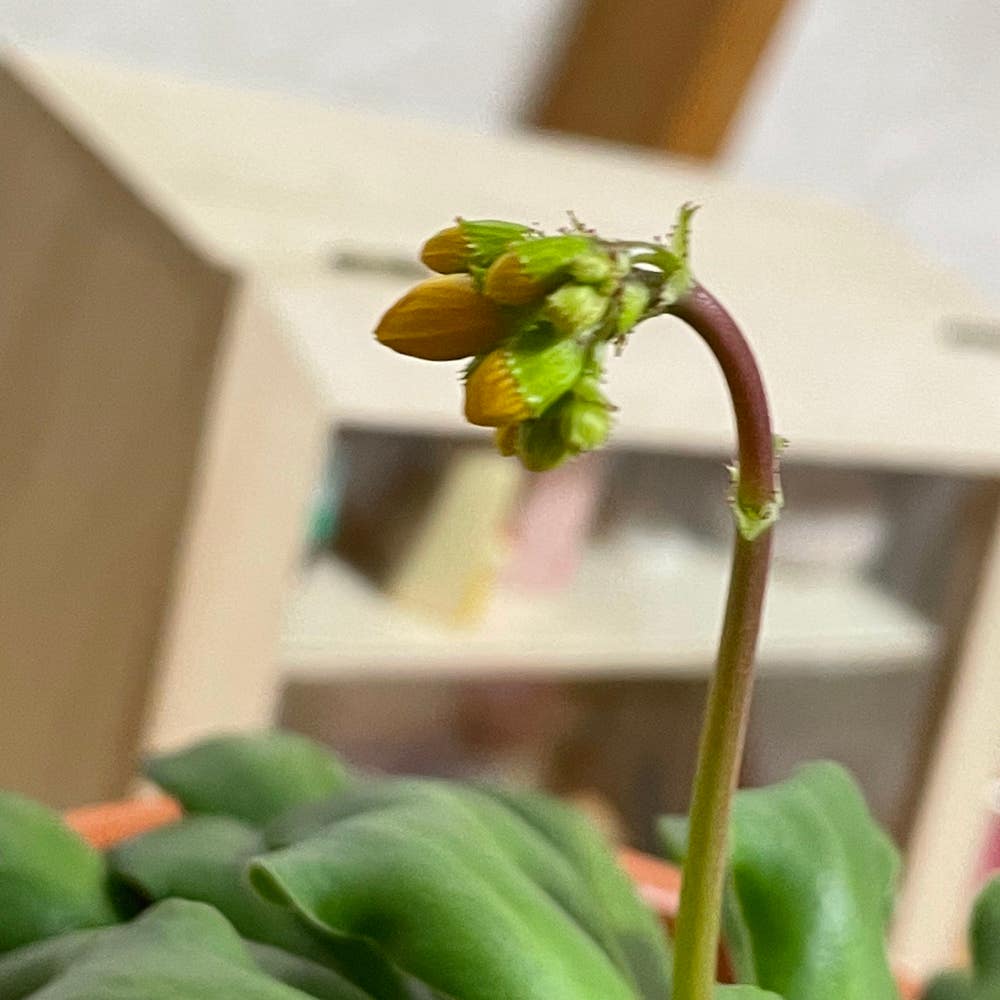
- Bud Formation: The initial development of flower buds.
- Opening: A gradual unfurling of petals.
- Full Bloom: The flowers display their complete beauty.
Time from Bud Formation to Full Bloom
On average, it takes about 2-4 weeks for Lewisia to transition from bud formation to full bloom. This timeframe can vary based on environmental conditions, such as temperature and moisture.
Duration of Flower Lifespan
Once in full bloom, the flowers of Lewisia typically last for 2-3 weeks before wilting. This relatively short lifespan is part of the plant's natural cycle, allowing it to conserve energy for future growth.
🌱 Encouraging Blooms
Tips to Encourage Lewisia to Bloom
To encourage your Lewisia to bloom, consider these simple tips:
- Ensure Adequate Sunlight: Aim for 6-8 hours of direct sunlight daily.
- Provide Well-Draining Soil: A sandy or rocky mix mimics its natural habitat.
- Water Appropriately: Allow the soil to dry out between waterings to prevent root rot.
Factors Influencing Flowering
Several factors can influence Lewisia's flowering. Nutrient-rich yet well-draining soil promotes healthy blooms, while specific seasonal conditions, such as temperature and moisture levels, can trigger the blooming response.
🌿 Post-Flowering
What Happens After the Flowering Period
After the flowering period, Lewisia may enter a dormant phase, conserving energy for the next growing season. While flower spikes may die back, the plant remains alive through its fleshy leaves, ready to thrive again.
Discussion on Whether Lewisia Dies After Flowering
Rest assured, Lewisia does not die after flowering. With proper care, it can continue to flourish for many years, showcasing its resilience and beauty season after season.
🐝 Pollination
Description of Pollination Methods for Lewisia
As a primarily self-pollinating plant, Lewisia can effectively reproduce on its own. For those interested in enhancing genetic diversity, manual pollination techniques can be employed:
- Gently shake flower spikes to distribute pollen.
- Use a small brush to transfer pollen between flowers.
This hands-on approach can help ensure a vibrant and diverse display of blooms in your garden.
With a better understanding of Lewisia's flowering process and care, you're now equipped to nurture these beautiful plants and enjoy their stunning blooms. Next, let’s explore what happens when Lewisia doesn’t flower and how it still captivates with its unique features.
If Lewisia Doesn't Flower
🌼 Primary Ornamental or Functional Features of Lewisia
Lewisia captivates with its stunning rosette of fleshy leaves, showcasing vibrant foliage and unique textures. These ornamental features make it a standout in any garden, even when flowers are absent.
In addition to its beauty, Lewisia boasts impressive functional traits. It exhibits drought resistance and thrives in poor soil conditions, making it an ideal choice for low-maintenance gardening.
🌱 Explanation of How Lewisia Reproduces Without Flowers
Even without flowering, Lewisia has a clever way to reproduce. It can spread and form new plants vegetatively through offsets, ensuring its survival and expansion in various environments.
This ability to reproduce without flowers highlights Lewisia's adaptability and resilience. It can continue to thrive and populate areas, even when conditions aren't favorable for blooming.
As we explore the unique aspects of Lewisia, you'll see how this remarkable plant continues to surprise and inspire gardeners everywhere.
Unique Aspects of Lewisia
🌼 Unusual Characteristics Related to Flowering or Non-Flowering Nature
Lewisias are fascinating plants, particularly due to their adaptation to rocky environments. They bloom in response to specific seasonal conditions, showcasing their resilience and ability to thrive where many other plants struggle.
Some varieties of Lewisia are remarkably low-maintenance, requiring minimal care while still delivering stunning displays of color. This makes them an excellent choice for gardeners seeking beauty without the burden of constant attention.
📚 Interesting Facts or Trivia About Lewisia's Reproductive Strategy
Did you know that Lewisia's flowering can be influenced by altitude and microclimates? This adaptability allows them to flourish in diverse environments, making them a unique addition to any garden.
Moreover, Lewisia can reproduce vegetatively through offsets. This means they can spread and form new plants even in areas where flowering is limited due to environmental challenges. It's a clever survival strategy that highlights their resilience and resourcefulness.
As we explore the various aspects of Lewisia, it's clear that these plants are not just beautiful; they are also a testament to nature's ingenuity. Their ability to thrive and reproduce in challenging conditions makes them a remarkable choice for any gardener looking to add a touch of resilience to their landscape.
⚠️ Safety First
This content is for general information and may contain errors, omissions, or outdated details. It is not medical, veterinary advice, or an endorsement of therapeutic claims.
Always consult a qualified healthcare professional before using any plant as food, medicine, or supplement.
Never eat any plant (or feed one to pets) without confirming its identity with at least two trusted sources.
If you suspect poisoning, call Poison Control (800) 222-1222, the Pet Poison Helpline (800) 213-6680, or your local emergency service immediately.
Spotted an error? Please report it here.
Encourage your Lewisia to bloom brilliantly 🌸 by ensuring it gets enough sunlight and well-draining soil, and let Greg guide you with tailored care tips and reminders for thriving flowers!