10 Perfect Spots to Plant Your Lewisia 🥄
Lewisia cotyledon
By the Greg Editorial Team
Nov 08, 2024•6 min read
This article was created with the help of AI so we can cover more plants for you. May contain errors. See one? Report it here.
Create a stunning garden oasis 🌼 by learning how to plant Lewisia in the perfect spot for vibrant blooms!
- 🌼 Lewisias thrive in visually appealing spots with good sunlight and airflow.
- 🌬️ Protect from harsh winds using natural windbreaks for healthier growth.
- 🌱 Well-draining soil is essential; amend with sand or gravel for optimal health.
Assessing the Best Spot
🌼 Evaluating Garden Layout and Design
When planting Lewisia, visual aesthetics play a crucial role. Position your plants where they can be seen and appreciated, ensuring maximum flower visibility.
Consider the height and spread of your Lewisia. Avoid overcrowding by placing taller plants nearby, which can overshadow these stunning blooms.
🌤️ Identifying Microclimates
Microclimates are areas within your garden that have distinct climate conditions. These can be influenced by nearby walls, trees, or water features, creating unique environments for your plants.
Assess temperature variations in your garden. Warmer spots can encourage early blooming, giving your Lewisia a head start in the growing season.
🌬️ Considering Wind Protection and Shelter
Windbreaks are essential for protecting Lewisia from harsh winds. These plants thrive better when shielded from strong gusts that can damage their delicate foliage.
Utilize natural wind barriers like shrubs or fences. Position your Lewisia in sheltered areas of the garden to ensure they flourish without the stress of relentless winds.
By carefully assessing these factors, you can create an ideal environment for your Lewisia, setting the stage for vibrant growth and stunning displays. Next, we’ll delve into soil and drainage considerations to further enhance your planting strategy.
Soil and Drainage Considerations
🌱 Importance of Well-Draining Soil
Well-draining soil is crucial for the health of your Lewisia. Waterlogged conditions can lead to root rot and significant plant stress, which can ultimately kill your plants.
The ideal soil should be loose, porous, and quick-draining. This allows excess water to escape while retaining just enough moisture for the roots to thrive.
🧪 Soil Amendments for Optimal Conditions
To enhance drainage, consider adding amendments like sand, perlite, or gravel. These materials help create a more suitable environment for your Lewisia.
A good mixing ratio is 1 part organic matter to 2 parts coarse material. This combination promotes healthy root growth and prevents water retention.
🔍 Testing Soil pH and Texture
Testing your soil's pH and texture is essential for optimal plant health. You can use home soil test kits or seek professional analysis for accurate results.
The ideal soil texture for Lewisia is loamy, which provides good drainage properties. If your soil's pH needs adjustment, you can add lime to raise it or sulfur to lower it.
With these soil and drainage considerations in mind, you're well on your way to creating a thriving environment for your Lewisia. Next, let's explore the differences between indoor and outdoor planting strategies.
Indoor vs. Outdoor Planting
🌟 Best Indoor Locations
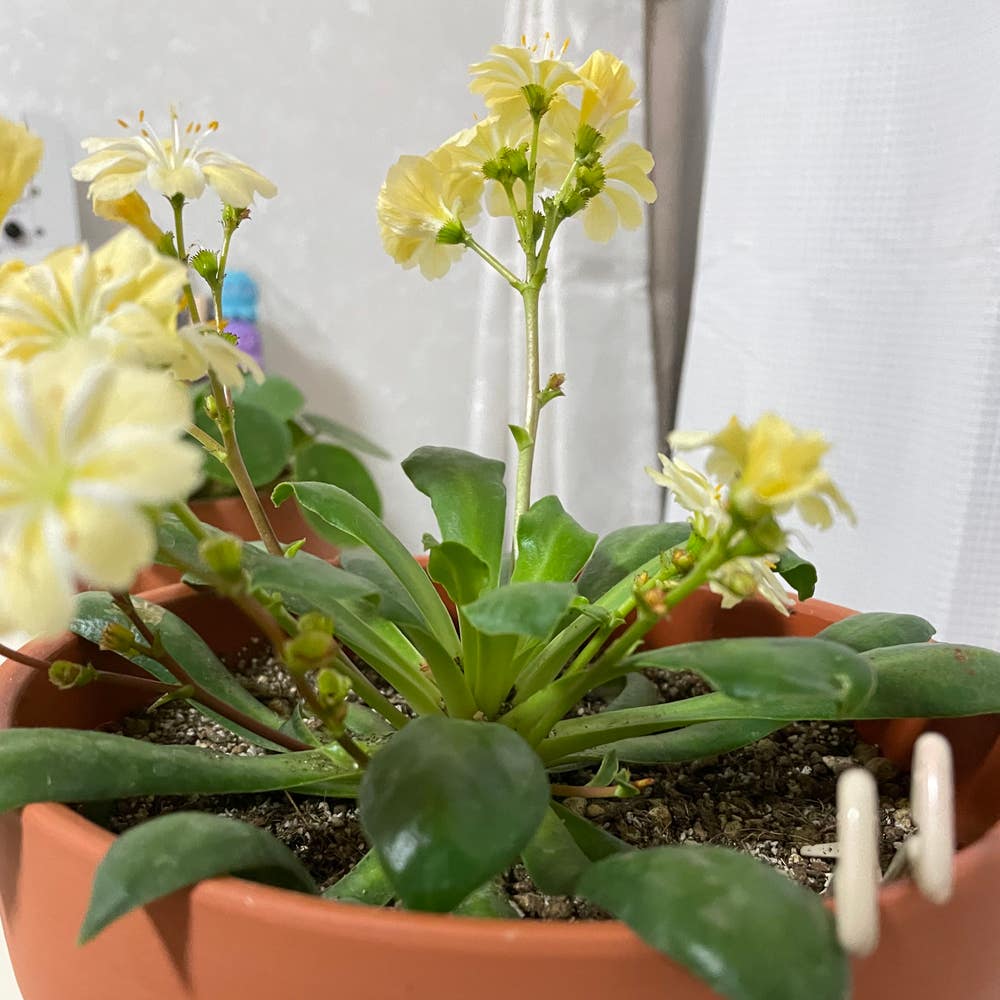
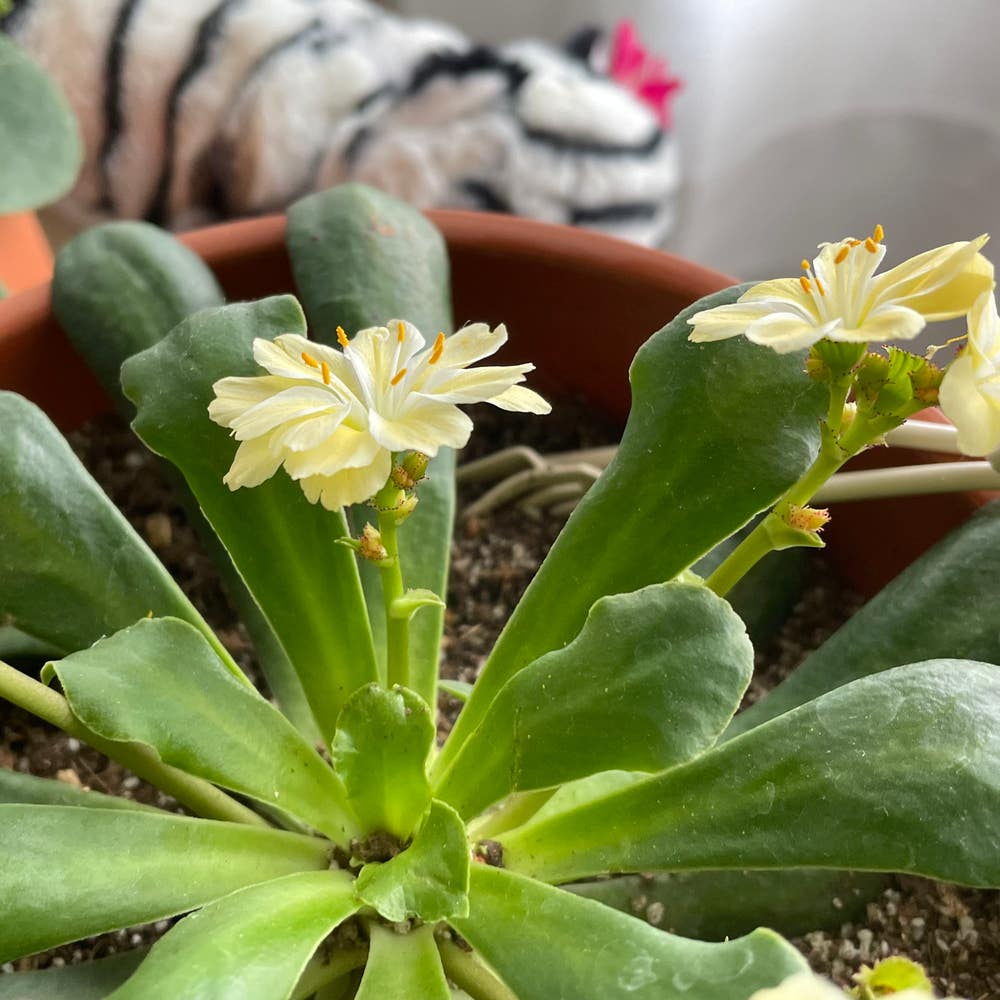
When planting Lewisia indoors, light is crucial. Aim for south or west-facing windows to ensure your plants receive maximum sunlight, which is essential for their growth.
Container choice matters too. Always use pots with drainage holes to prevent water accumulation, protecting your Lewisia from root rot.
🌳 Outdoor Planting Strategies
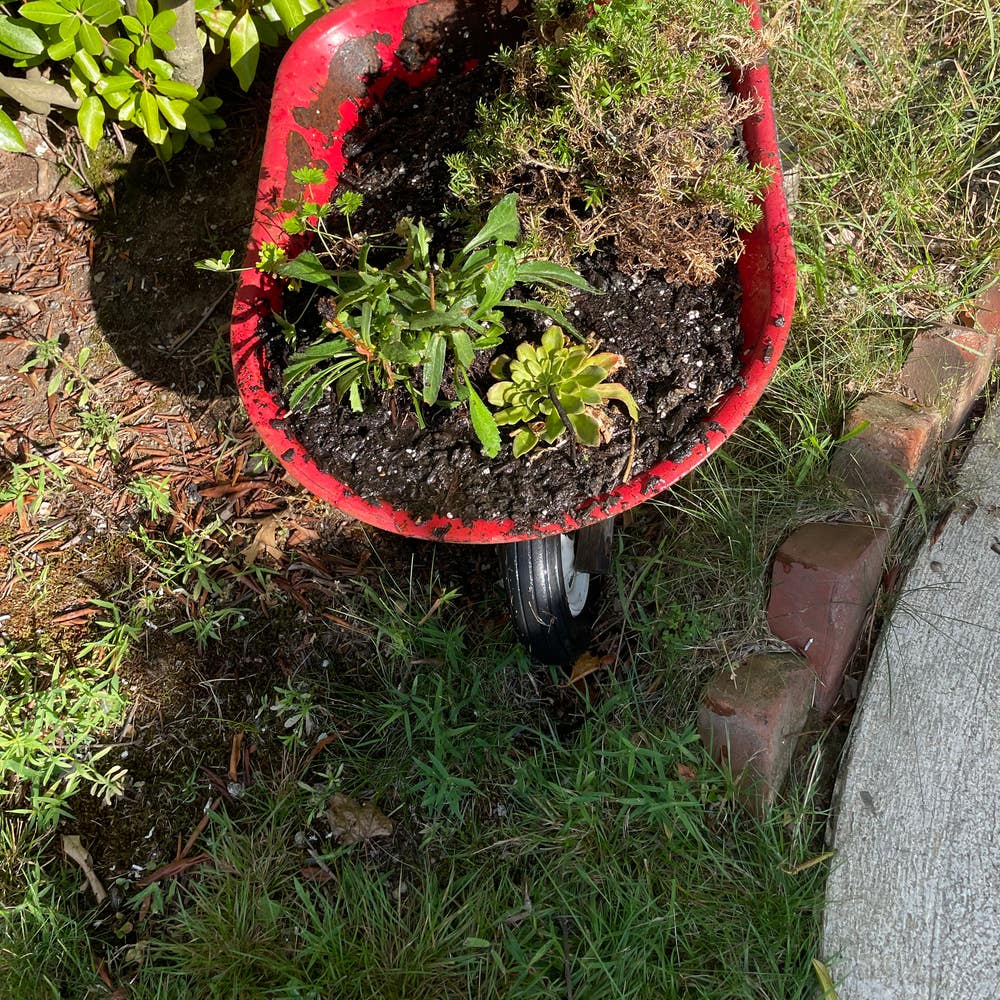
For outdoor settings, consider rock gardens or alpine gardens as ideal locations for Lewisia. These environments mimic their natural habitat and provide excellent drainage.
Spacing is key. Plant your Lewisia 12-18 inches apart to allow for airflow and growth, preventing overcrowding and promoting healthy development.
📅 Seasonal Considerations
Indoor care during winter requires attention to light and temperature. Ensure your Lewisia gets enough light and maintain a stable temperature to keep them thriving.
For outdoor planting, timing is everything. Spring or fall are the best seasons for planting Lewisia, allowing them to establish roots before the extremes of summer or winter hit.
Transitioning from indoor to outdoor planting can be seamless with the right strategies. Understanding these aspects will help you create a flourishing environment for your Lewisia, whether indoors or out.
Companion Planting with Lewisia
🌱 Suitable Companion Plants
When it comes to companion planting with Lewisia, consider low-growing succulents, alpine plants, and ornamental grasses. These companions not only complement the beauty of Lewisia but also enhance the overall aesthetics of your garden.
Diversity in plant selection can significantly boost biodiversity, creating a vibrant ecosystem that benefits all plants involved. This variety can attract beneficial insects, making your garden a lively and productive space.
🌼 Benefits of Planting with Other Species
Planting Lewisia alongside other species offers mutual benefits. For instance, certain companions can attract pollinators, which are essential for a thriving garden.
Additionally, a diverse planting scheme can improve soil health. By creating a balanced ecosystem, you can naturally reduce pest populations, leading to healthier plants and less reliance on chemical interventions.
🌿 Avoiding Competition for Resources
To ensure Lewisia thrives, it's crucial to implement effective spacing strategies. Providing adequate room for root expansion prevents competition for nutrients and water.
Select compatible plants that won’t overshadow Lewisia. Avoid aggressive growers that could outcompete your Lewisia for resources, ensuring that each plant has the space it needs to flourish.
By thoughtfully choosing companions and considering their growth habits, you can create a harmonious garden that showcases the beauty of Lewisia while promoting a healthy ecosystem.
As you plan your garden, remember that the right companions can elevate your Lewisia and enhance your gardening experience. Next, let’s explore common location challenges that may arise in your planting journey.
Common Location Challenges
🌤️ Addressing Shade vs. Sun Exposure Issues
Finding the right balance of light is crucial for your Lewisia. Too much shade can stunt growth and reduce flowering, so keep an eye on how your plants respond to their environment.
If you notice your Lewisia struggling in overly shaded areas, consider solutions like temporary shade structures during peak sunlight hours. This can help protect them from harsh conditions while still allowing them to thrive.
🚰 Solutions for Poor Drainage Areas
Poor drainage can be a significant challenge for Lewisia, leading to root rot and other issues. Look for signs like standing water or consistently soggy soil to identify these problematic areas.
To remedy drainage issues, consider building raised beds or amending the soil with materials like sand or perlite. These techniques can significantly improve drainage and create a healthier environment for your plants.
🌦️ Adapting to Changing Weather Conditions
Extreme weather can pose a threat to your Lewisia, but preparation is key. Mulching around your plants helps retain moisture and regulate temperature, providing a buffer against harsh conditions.
Additionally, be ready to make seasonal adjustments, such as moving pots indoors during severe weather events. This proactive approach can safeguard your plants and ensure they continue to flourish throughout the year.
With these strategies in mind, you'll be better equipped to tackle common location challenges and create an ideal environment for your Lewisia. Next, let's explore the importance of soil and drainage considerations for optimal growth.
⚠️ Safety First
This content is for general information and may contain errors, omissions, or outdated details. It is not medical, veterinary advice, or an endorsement of therapeutic claims.
Always consult a qualified healthcare professional before using any plant as food, medicine, or supplement.
Never eat any plant (or feed one to pets) without confirming its identity with at least two trusted sources.
If you suspect poisoning, call Poison Control (800) 222-1222, the Pet Poison Helpline (800) 213-6680, or your local emergency service immediately.
Spotted an error? Please report it here.
Transform your garden into a blooming masterpiece 🌼 with Greg's tailored care tips that ensure your Lewisia thrive in their perfect spots!