5 Essential Indoor Cliff Maids Care Routines
Lewisia cotyledon
By the Greg Editorial Team
Oct 12, 2024•6 min read
This article was created with the help of AI so we can cover more plants for you. May contain errors. See one? Report it here.
Elevate your indoor garden 🌱 with expert tips for nurturing cliff maids to vibrant health and beauty!
- 🌞 Bright, indirect light is crucial for healthy indoor cliff maids' growth and blooming.
- 💧 Water when soil is dry to prevent yellowing leaves and root rot.
- 🌿 Maintain humidity above 50% for thriving cliff maids; consider humidifiers or pebble trays.
Light Requirements
Ideal Indoor Light Levels 🌟
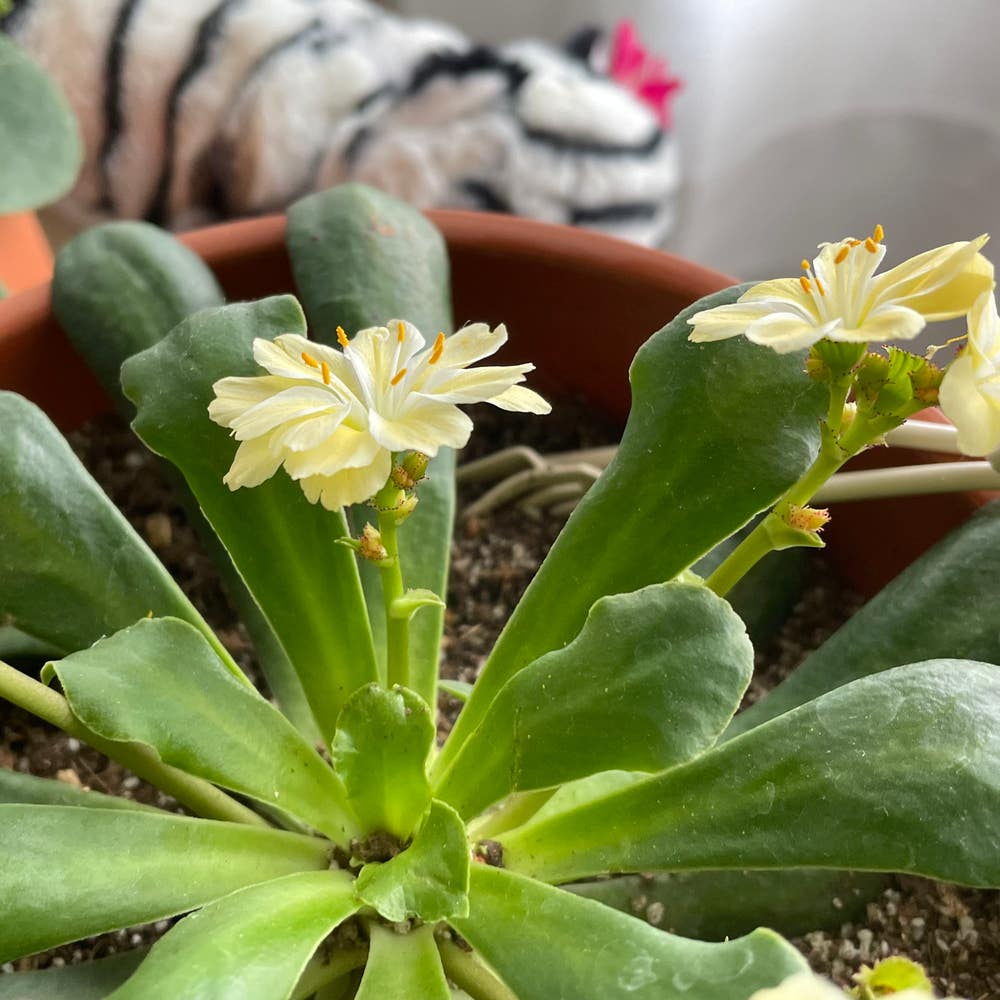
Indoor cliff maids thrive in bright, indirect light. While they can tolerate lower light levels, expect slower growth if they don't get enough brightness.
Signs of Inadequate Light 🚨
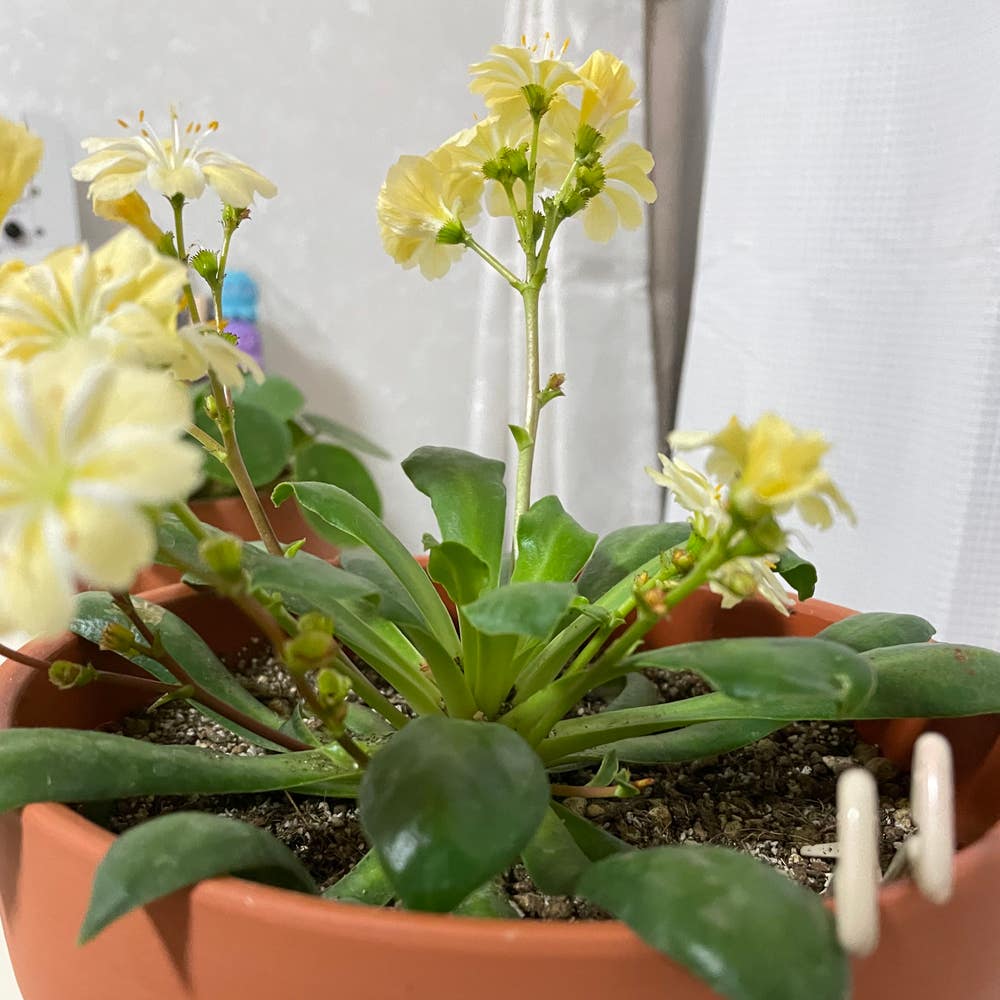
If you notice stretched stems or sparse foliage, your plant may be craving more light. Additionally, reduced flowering or a complete lack of blooms can signal that it's time to adjust its lighting conditions.
Tips for Light Placement 🪴
For optimal growth, position your cliff maids near east or west-facing windows. Just be cautious—direct sunlight can lead to leaf burn, so aim for that sweet spot of filtered light.
By ensuring your indoor cliff maids receive the right light, you set the stage for vibrant growth and blooming. Next, let’s dive into their watering needs to keep them thriving.
Watering Needs
Watering Guidelines 🌊
Indoor cliff maids thrive when you water them at the right time. Check the top 1-2 inches of soil; if it's dry, it's time to hydrate.
Aim to water every 1-2 weeks, adjusting based on humidity and temperature. Hotter, drier conditions may require more frequent watering.
Signs of Overwatering 🚫
Overwatering can be detrimental. Look out for yellowing leaves, which often signal root rot lurking beneath the surface.
If your plant seems to be drooping despite regular watering, it might be drowning rather than thriving.
Signs of Underwatering 💧
On the flip side, underwatering can also cause distress. If you notice wilting leaves or crispy edges, your cliff maid is likely thirsty.
A quick check of the soil moisture can help you determine if it's time for a drink.
Watering Techniques 🧴
When it's time to water, always use room temperature water. Cold water can shock the roots, so let it sit out for a bit if needed.
Ensure your pot has proper drainage to prevent waterlogging. This simple step can save your plant from a soggy fate.
With these watering tips, your indoor cliff maids will flourish. Next, let’s explore how humidity and temperature play a crucial role in their care.
Humidity and Temperature
🌧️ Ideal Humidity Levels
Indoor cliff maids thrive in humidity levels above 50%. A humidity meter can help you keep track of the moisture in your space.
💧 Managing Humidity Control
To boost humidity, consider using a humidifier or placing pebble trays filled with water near your plants. Grouping plants together can also create a cozy microclimate that benefits all.
🌡️ Temperature Requirements
The optimal temperature range for indoor cliff maids is between 60°F to 80°F (15°C to 27°C). It's crucial to avoid sudden temperature fluctuations and drafts, as these can stress your plants.
Maintaining the right humidity and temperature is key to keeping your indoor cliff maids healthy and vibrant. With these tips, you can create an ideal environment that promotes growth and resilience. Next, let’s explore the essential soil and fertilization needs for these beautiful plants.
Soil and Fertilization
Best Soil Type 🌱
For your indoor cliff maids, a well-draining potting mix is essential. A blend of potting soil, perlite, and orchid bark works wonders, ensuring roots have the aeration they need.
Fertilization Needs 💧
During the growing season, typically spring and summer, fertilization is key. Opt for a balanced, water-soluble fertilizer, but remember to dilute it to half strength for optimal results.
Frequency of Fertilization 📅
Fertilize every 4-6 weeks while your plants are actively growing. This regular feeding helps promote lush foliage and vibrant blooms.
Signs of Poor Soil Conditions 🚨
Watch for signs that your soil isn't up to par. Stunted growth and poor drainage are clear indicators that it’s time to reassess your soil mix.
Maintaining the right soil and fertilization routine is crucial for the health of your indoor cliff maids. With the right care, your plants will thrive and bring a vibrant touch to your space. Next, let’s explore common issues and solutions to keep your plants in top shape.
Common Issues and Solutions
🐛 Identifying and Preventing Pests
Indoor cliff maids can attract pests like mealybugs and spider mites. These tiny invaders can wreak havoc if not caught early.
🐜 Common Pests
- Mealybugs: Look for cotton-like clusters on leaves.
- Spider Mites: Check for fine webbing, especially on the undersides of leaves.
🛡️ Prevention Strategies
Regular inspections are key. Keep your plants clean and dust-free to deter pests.
Using insecticidal soap or neem oil can help manage infestations. A little prevention goes a long way in keeping your plants healthy.
💧 Addressing Watering Issues
Watering can be tricky. Monitor soil moisture levels regularly to avoid over or under-watering.
Adjust your watering frequency based on seasonal changes. Plants may need more water in warmer months and less during cooler periods.
🍂 Managing Leaf Discoloration and Drop
Leaf discoloration and drop can signal underlying issues. Identify the causes, which may include light, water, or nutrient deficiencies.
Adjust your care routines accordingly. A little tweak can often restore your plant's vibrancy and health.
With these strategies, you can tackle common issues head-on, ensuring your indoor cliff maids thrive. Next, let’s explore how to effectively use grow lights to enhance their growth.
Grow Lights
🎮 Role of Grow Lights
Grow lights are a game changer for indoor gardening. They supplement natural light during shorter days and are essential for maintaining growth in low-light conditions.
💡 Choosing the Best Grow Light
When selecting a grow light, opt for full-spectrum LED options. These lights mimic natural sunlight and often come with adjustable height and intensity settings, making them versatile for various plant needs.
📏 Placement and Usage
Position your grow light 12-24 inches above the plant for optimal results. Aim to use it for 12-16 hours a day, adjusting based on the amount of natural light your plants receive.
Incorporating grow lights into your indoor gardening routine can significantly enhance plant health and growth. Next, let’s explore advanced care techniques to take your indoor cliff maids to the next level.
Advanced Care Techniques
🌱 Propagation Methods
Propagation can be a rewarding way to expand your indoor garden. One of the most effective methods is through stem cuttings.
Stem Cuttings
- Select Healthy Stems: Choose stems that have at least 2-3 healthy leaves. This ensures your cutting has enough energy to thrive.
- Cut Below a Node: Make a clean cut just below a node, where leaves emerge. Allow the cut end to callous for 1-2 days to prevent rot.
- Root Development: Place the cutting in well-draining soil or water. Monitor until roots develop, which can take a few weeks.
✂️ Pruning and Shaping
Pruning is essential for maintaining the health and shape of your indoor cliff maids.
- Timing: Prune after flowering to encourage bushier growth. This helps the plant focus its energy on new growth.
- Regular Maintenance: Remove any dead or yellowing leaves regularly. This not only improves appearance but also prevents disease.
🍂 Seasonal Adjustments
As the seasons change, so should your care routine.
- Watering and Humidity: Adjust these based on seasonal variations. For instance, plants may require more water in warmer months.
- Pest Monitoring: Be vigilant for pests, especially during warmer months when they are more active. Regular checks can save your plants from infestations.
By mastering these advanced care techniques, you’ll ensure your indoor cliff maids thrive and flourish. Next, let’s explore how to effectively use grow lights to support their growth.
⚠️ Safety First
This content is for general information and may contain errors, omissions, or outdated details. It is not medical, veterinary advice, or an endorsement of therapeutic claims.
Always consult a qualified healthcare professional before using any plant as food, medicine, or supplement.
Never eat any plant (or feed one to pets) without confirming its identity with at least two trusted sources.
If you suspect poisoning, call Poison Control (800) 222-1222, the Pet Poison Helpline (800) 213-6680, or your local emergency service immediately.
Spotted an error? Please report it here.
Keep your indoor cliff maids thriving and blooming 🌼 with Greg's tailored watering alerts and light tips that make plant care a breeze!