What Do Cliff Maids Flowers Mean?
Lewisia cotyledon
By the Greg Editorial Team
Jun 18, 2024•4 min read
This article was created with the help of AI so we can cover more plants for you. May contain errors. See one? Report it here.
Unveil the secret language of Cliff Maids flowers 🌼 and master their blooming spectacle.
- 🌼 Visual cues and timing signal Cliff Maids' blooming season.
- Balanced light, cool temps, and humidity are key for flowering.
- Pruning and post-bloom care enhance future blooming potential.
When Do Cliff Maids Wear Their Best Dress?
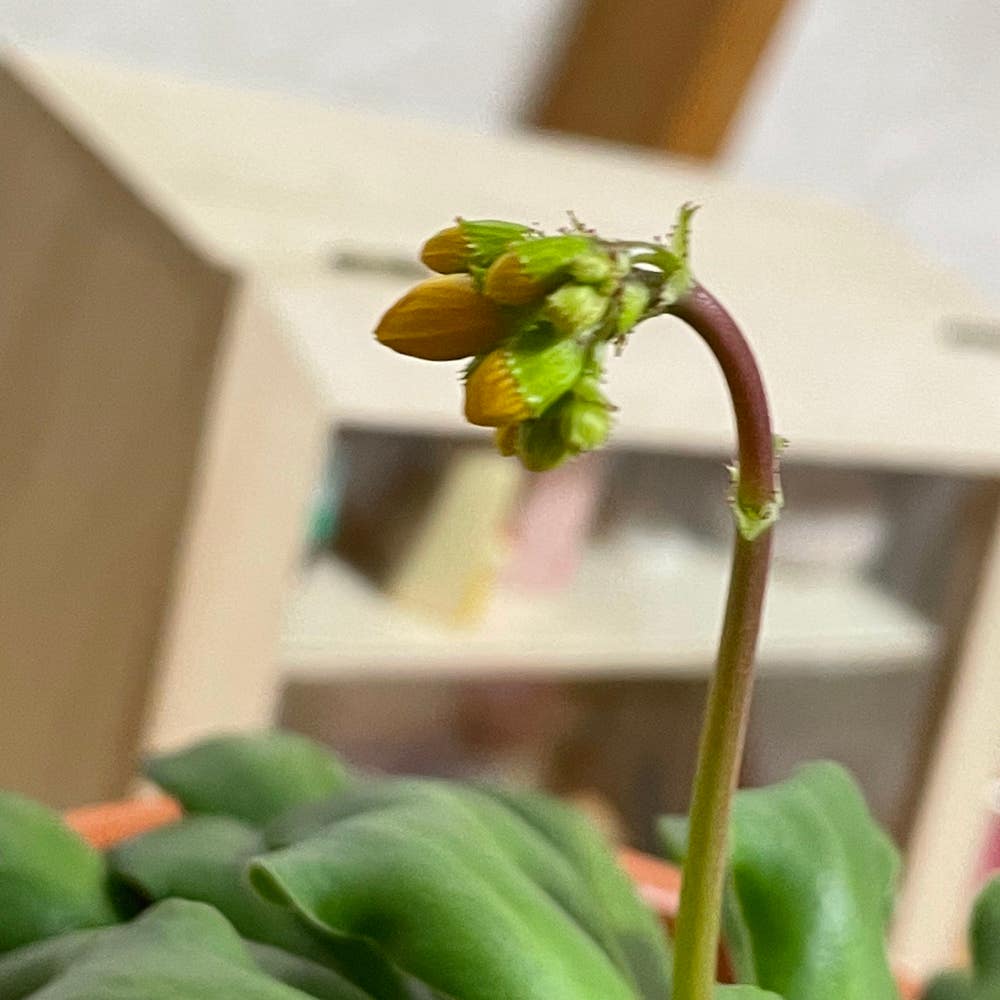
🌼 Spotting the Signs of Upcoming Blooms
Visual cues are your first hint that Cliff Maids are gearing up to flower. Look for a certain liveliness in the leaves, a prelude to the main event. As the plant prepares, you might notice subtle changes in the foliage or the beginnings of bud formation.
📅 The Timeline of a Cliff Maids' Flowering Journey
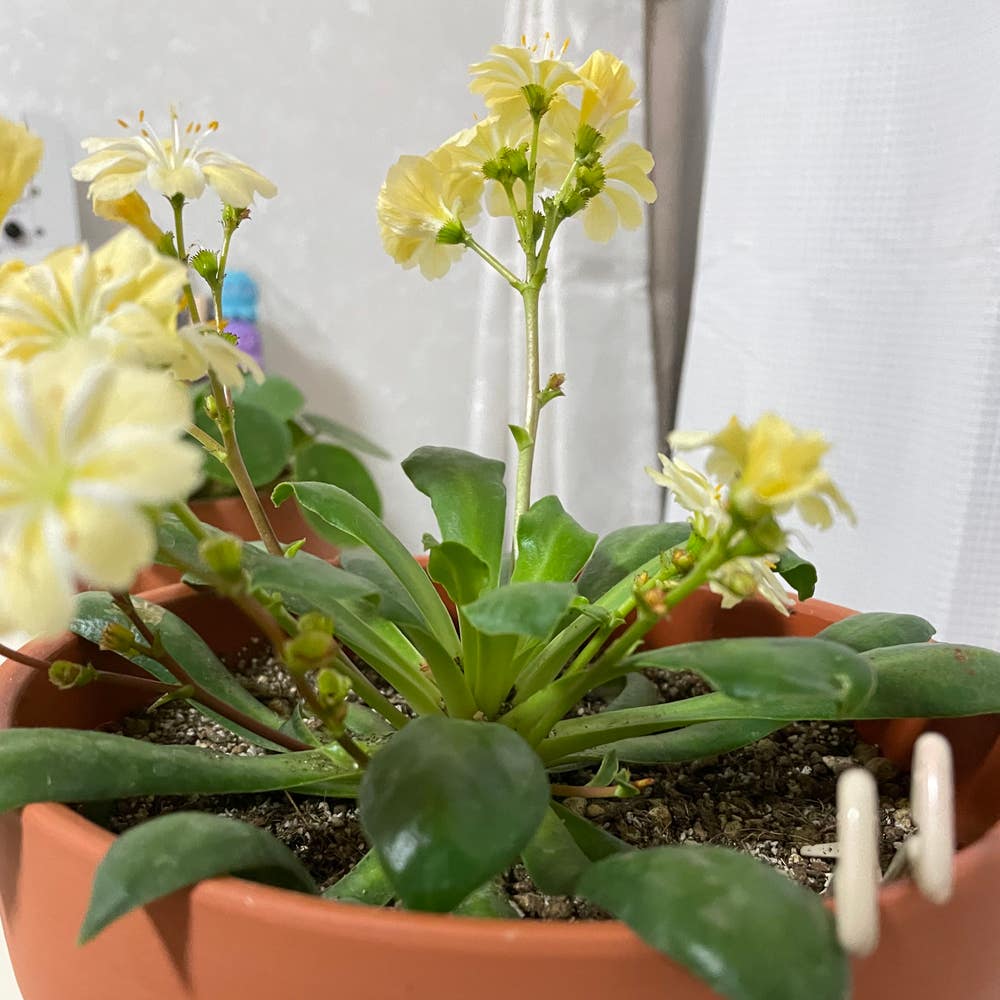
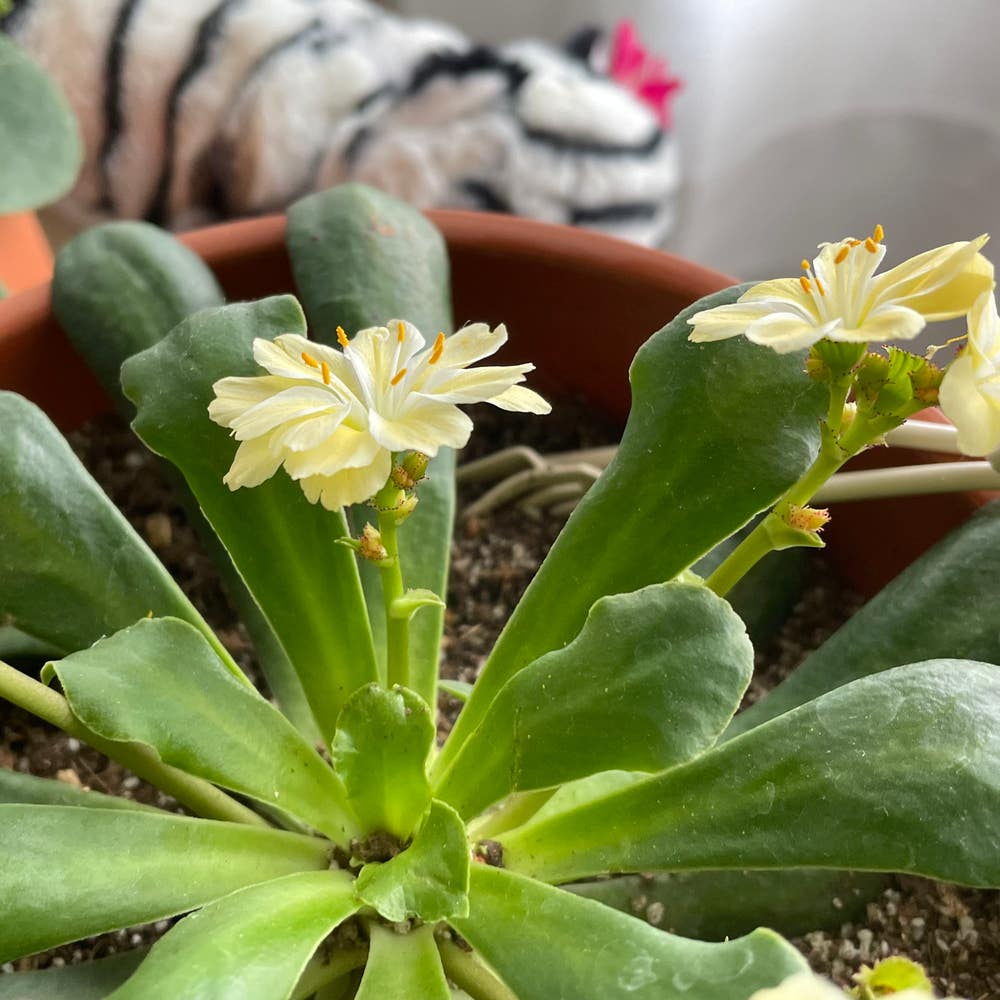
Cliff Maids don't just wake up one day and decide to bloom. It's a process, often kicking off in the spring and lasting through summer, akin to their wildflower cousins. Daylight and temperature play a big part in this timing. Watch for these signs as the seasons change, and you'll be able to predict the blooming spectacle.

The Secret Recipe for Blooming Success
💡 Let There Be Light (But Not Too Much)
Light is the maestro of the blooming symphony, but it's a delicate balance. Too much light, and your Cliff Maids might as well be sunbathing in the Sahara—expect bleached leaves. Too little, and you'll find your plant stretching out like it's trying to catch the last rays at sunset. Aim for that sweet spot of bright, indirect light where you could comfortably read a book.
🌡️ Keeping It Cool: Temperature's Role in Flowering
Temperature swings are the enemy of consistency. Keep your Cliff Maids away from drafty windows and appliances that could turn their environment into a temperature rollercoaster. The goal is to maintain a steady climate, cool but not cold, mimicking the stable conditions of their natural rocky habitats.
🌧️ The Thirst for Humidity
Cliff Maids don't just want humidity; they thirst for it. Think of their ideal environment as a mini rainforest—lush, damp, and vibrant. A pebble tray or a group plant huddle can up the humidity ante. And if you're feeling fancy, a humidifier can be your best friend during the arid winter months, keeping the air just moist enough to quench your Cliff Maids' thirst. Aim for that 40-50% humidity sweet spot to avoid turning your blooms into a dry, crumbly mess.

Feeding the Bloom: Nutrition and Soil Secrets
💧 The Perfect Soil Mix for Flowering Cliff Maids
Well-draining soil is non-negotiable for Cliff Maids in bloom. Aim for a mix that's like a backstage pass for air and water—roots need to breathe, not swim. Avoid waterlogging at all costs; think cactus mix with a bit of compost for that nutrient kick.
🌱 Fertilizer: The Bloom Booster
When it's showtime for flowers, fertilizer is your backstage crew. A balanced 10-10-10 fertilizer can work wonders, but it's not about dumping the whole bag in. Less is more; over-fertilization is like an overzealous stagehand—more likely to trip up the performance. For an organic encore, consider bone meal for phosphorus or kelp meal for trace minerals. And remember, timing is everything—feed when your Cliff Maids are gearing up for their floral number.

Pruning and Care: Setting the Stage for Spectacular Blooms
🌸 The Art of Pruning for Flower Production
Pruning isn't just a random hack job; it's the secret sauce for a Cliff Maids' floral fireworks. Strategic snips during the growing season can encourage more branches, and more branches mean more blooms. Get in there with your shears and target the overgrown and dead parts, always cutting above a leaf node to promote new growth.
🎉 The After-Party: Caring for Post-Bloom Cliff Maids
Once the Cliff Maids' flowers have taken their final bow, it's not time to rest on your laurels. Post-bloom care is crucial. Snip off spent flowers to redirect the plant's energy towards future growth. Keep an eye on the plant's response, and give it the TLC it needs with the right light, water, and nutrients. This isn't just cleanup; it's setting the stage for next season's encore.
⚠️ Safety First
This content is for general information and may contain errors, omissions, or outdated details. It is not medical, veterinary advice, or an endorsement of therapeutic claims.
Always consult a qualified healthcare professional before using any plant as food, medicine, or supplement.
Never eat any plant (or feed one to pets) without confirming its identity with at least two trusted sources.
If you suspect poisoning, call Poison Control (800) 222-1222, the Pet Poison Helpline (800) 213-6680, or your local emergency service immediately.
Spotted an error? Please report it here.
Ensure your Cliff Maids flourish 🌼 with Greg's tailored light and humidity tracking, making blooming success a breeze.