☀️ Your Lewisia's Light Requirements
Lewisia cotyledon
By the Greg Editorial Team
Nov 08, 2024•4 min read
This article was created with the help of AI so we can cover more plants for you. May contain errors. See one? Report it here.
Transform your Lewisia into a blooming beauty with essential light tips for vibrant growth! 🌞🪴
- 🌞 Lewisia needs 6-8 hours of bright, indirect sunlight for optimal growth.
- 💡 Grow lights ensure consistent light during low-light conditions or winter months.
- 🌿 Signs of insufficient light include leggy growth; adjust exposure for healthier plants.
Indoor Light Guidance
Recommended Light Levels 🌞
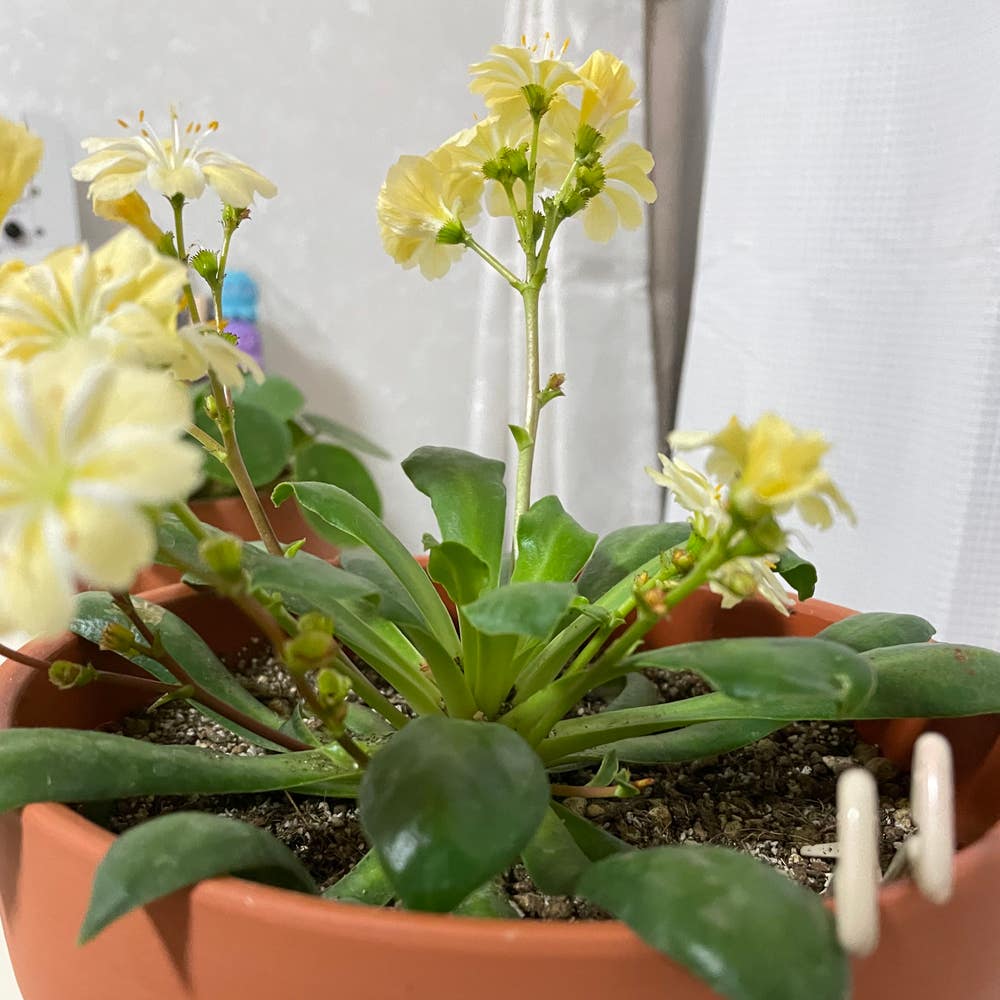
For your Lewisia to thrive, it needs bright, indirect sunlight for about 6-8 hours each day. At a minimum, ensure it receives at least 4 hours of direct sunlight to support healthy growth and vibrant flowering.
Use of Grow Lights 💡
Grow lights can be a game-changer, especially in low-light conditions or during the winter months. They provide consistent light exposure, which is crucial for your plant's health.
Types of Grow Lights
- LED Grow Lights: These are energy-efficient and have a long lifespan, making them a popular choice.
- Fluorescent Lights: These lights are effective in delivering the necessary spectrum for plant growth.
When using grow lights, aim for a duration of 12-14 hours per day to keep your Lewisia flourishing.
Placement in Indoor Settings 🪴
Finding the right spot for your Lewisia is essential. Ideally, place it near south or west-facing windows to maximize sunlight exposure.
Avoid Temperature Fluctuations
Keep your plant away from drafts or heating vents, as these can lead to temperature changes that stress the plant.
Rotating for Even Light Distribution
To ensure your Lewisia grows evenly, rotate the plant periodically. This simple step helps distribute light more uniformly across all sides.
With the right light conditions, your Lewisia will not only survive but thrive, setting the stage for a beautiful indoor garden. Next, let’s explore outdoor light guidance to further enhance your plant care skills.
Outdoor Light Guidance
🌞 Ideal Outdoor Light Conditions
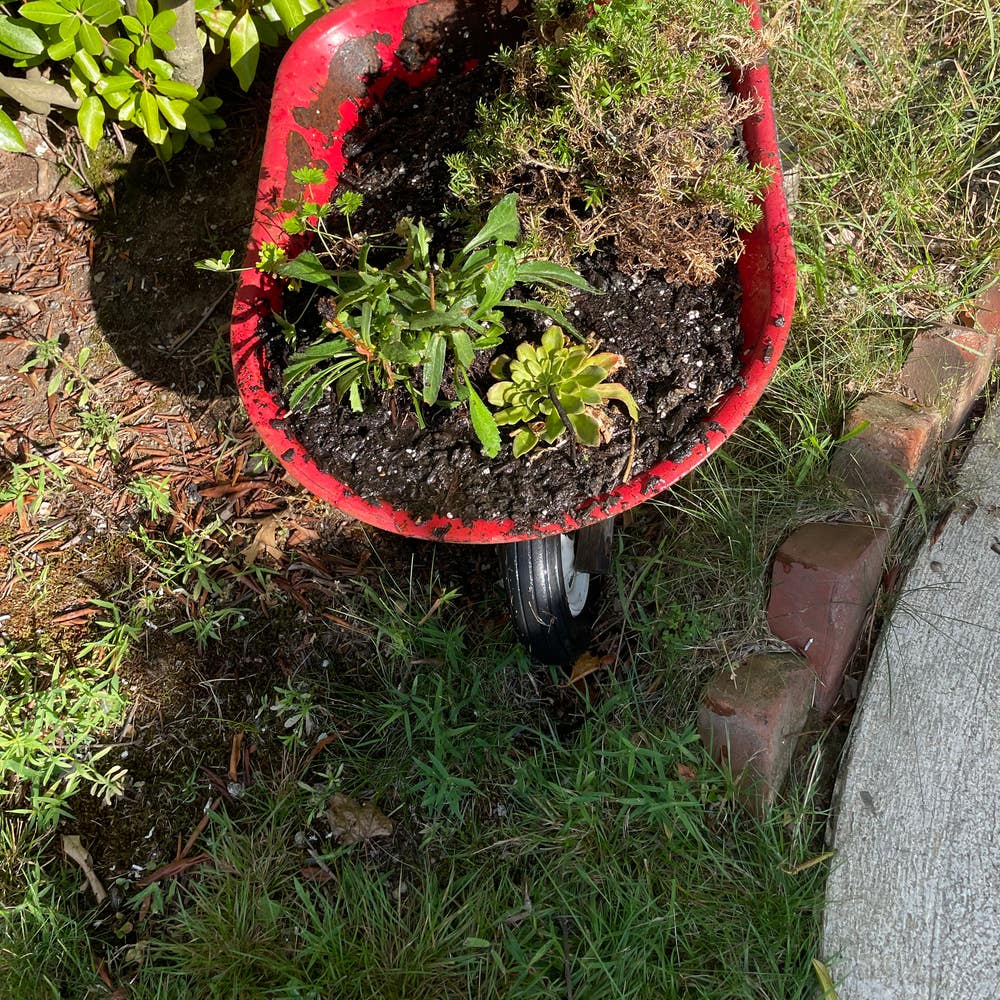
For your Lewisia to thrive, it needs optimal light exposure, which means full sun for 6-8 hours of direct sunlight daily. However, it can also tolerate partial shade, making it adaptable to areas with dappled sunlight, particularly in hotter climates.
☀️ Sun Exposure Requirements
If you’re in a cooler region, full sun Lewisia will flourish, leading to robust growth and vibrant flowering. In contrast, if you live in a hotter area, partial shade is key to preventing leaf scorch and stress, ideally positioning your plant where it can enjoy morning sun followed by afternoon shade.
🍂 Seasonal Light Variations
As the seasons change, so do your Lewisia's light needs. In spring and summer, increased light intensity fuels vigorous growth and abundant blooms. Conversely, during fall and winter, reduced light levels may necessitate adjustments in care, such as providing supplemental lighting indoors to keep your plant healthy and happy.
Understanding these outdoor light requirements will help you create the perfect environment for your Lewisia. Next, we’ll explore common issues related to light exposure and how to address them effectively.
Common Issues Related to Light
🌑 Signs of Insufficient Light
When your Lewisia isn't getting enough light, it will show clear signs. You might notice leggy growth, characterized by stretched stems and sparse foliage, as the plant reaches for more light.
Another symptom is reduced flowering. If your Lewisia produces fewer blooms or smaller flowers, it’s time to reassess its light conditions.
To remedy this, consider moving the plant to a brighter location. Alternatively, you can supplement its light exposure with grow lights to ensure it thrives.
☀️ Effects of Too Much Light
Conversely, too much light can also harm your Lewisia. Look out for leaf scorch, which manifests as brown, crispy edges on the leaves, indicating that the plant is overwhelmed.
You may also see wilting, even if you’re watering adequately. This can be a sign that the plant is stressed from excessive light exposure.
To alleviate these issues, provide afternoon shade or relocate your Lewisia to an area with less intense light. This adjustment can help restore balance and health to your plant.
🛠️ Solutions for Light-Related Problems
Adjusting light exposure is crucial for your Lewisia's well-being. If you’re increasing light levels, do so gradually to prevent shock. This approach allows the plant to acclimate without stress.
Additionally, keep an eye on growth patterns. Regularly assess your plant's health and adjust light conditions as needed. This proactive monitoring will help optimize growth and flowering potential, ensuring your Lewisia remains vibrant and flourishing.
By understanding these common light-related issues, you can better care for your Lewisia and enjoy its beauty year-round. Next, let’s explore how to provide the ideal outdoor light conditions for your plant.
⚠️ Safety First
This content is for general information and may contain errors, omissions, or outdated details. It is not medical, veterinary advice, or an endorsement of therapeutic claims.
Always consult a qualified healthcare professional before using any plant as food, medicine, or supplement.
Never eat any plant (or feed one to pets) without confirming its identity with at least two trusted sources.
If you suspect poisoning, call Poison Control (800) 222-1222, the Pet Poison Helpline (800) 213-6680, or your local emergency service immediately.
Spotted an error? Please report it here.
Keep your Lewisia thriving in the right light 🌞 with Greg's tailored reminders and tips to ensure it gets the perfect exposure for vibrant growth!