☀️ Direct Sunlight and Your Lewisia
Lewisia cotyledon
By the Greg Editorial Team
Nov 08, 2024•5 min read
This article was created with the help of AI so we can cover more plants for you. May contain errors. See one? Report it here.
Master Lewisia's sunlight needs for vibrant blooms and a thriving garden! 🌞
- ☀️ Lewisia thrives in direct sunlight, needing several hours daily for optimal growth.
- 🌡️ Too much sun can cause leaf burn; monitor exposure to prevent damage.
- 🪴 Ideal window placements: south for full sun, east for gentle morning light.
Definition of Direct Sunlight
Explanation Suitable for Children 🌞
Direct sunlight is when the sun's rays shine directly on a plant without any obstacles, like clouds or buildings. Imagine standing outside on a sunny day; that warm light is direct sunlight.
Contrast with Indirect Sunlight 🌥️
Indirect sunlight occurs when the sun's rays are filtered or reflected. This can happen when light comes through a window or is shaded by a tree, similar to being in the shade on a sunny day; you can still see light, but it’s not as strong.
Understanding the difference between direct and indirect sunlight is crucial for caring for plants like Lewisia. Knowing how much light your plant receives can help it thrive and flourish.
Lewisia's Sunlight Needs
🌞 Does Lewisia Need Direct Sunlight?
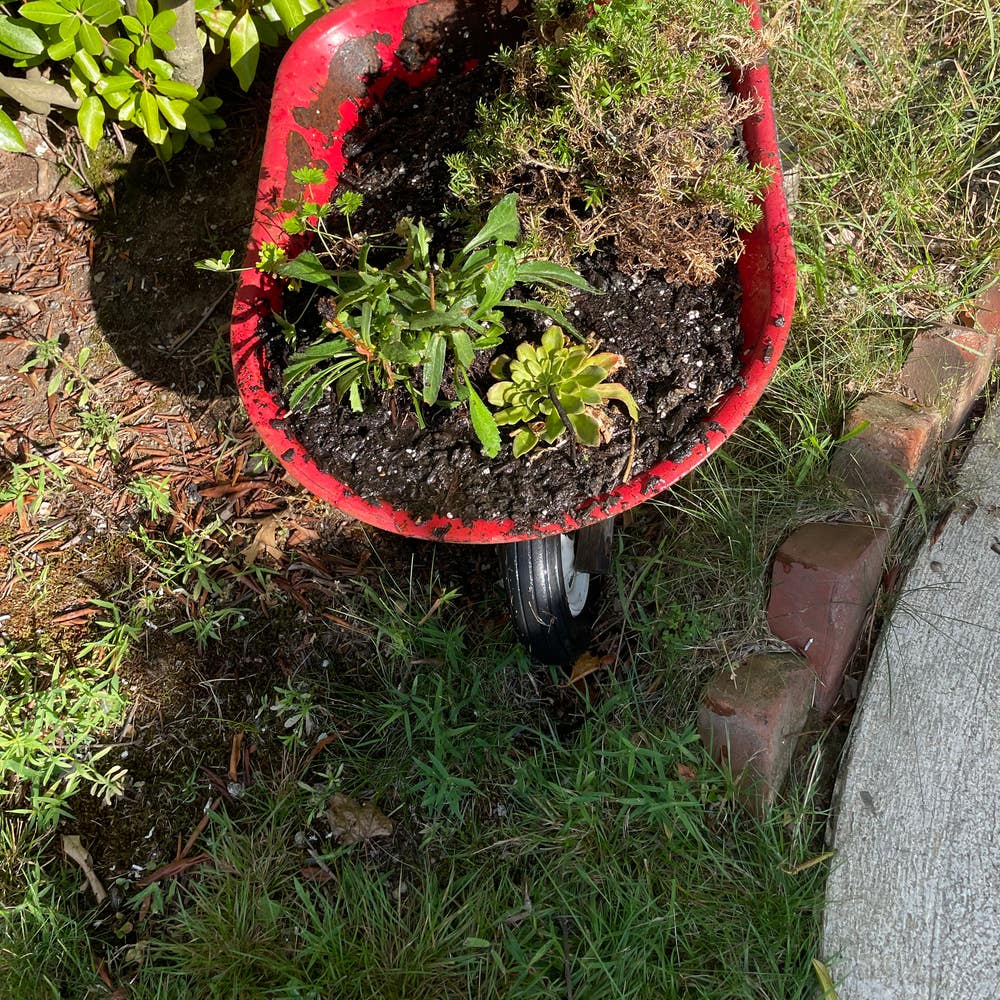
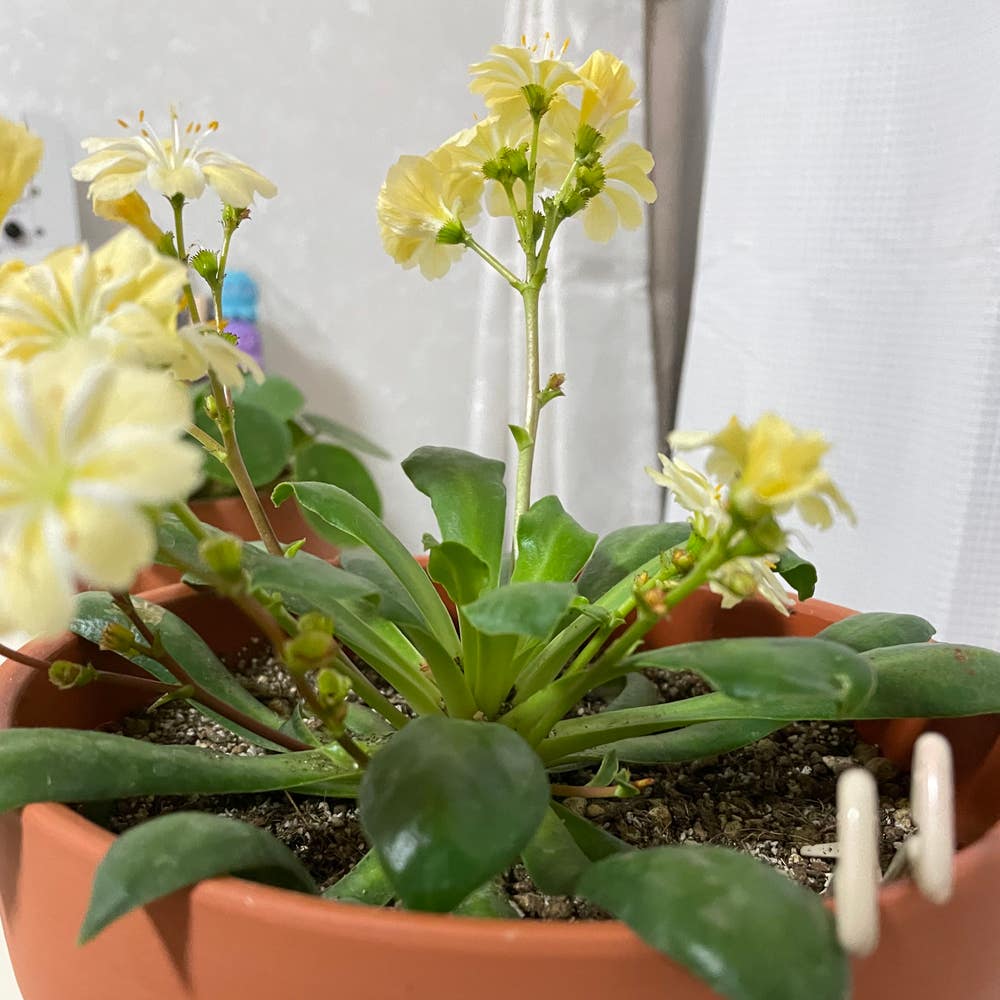
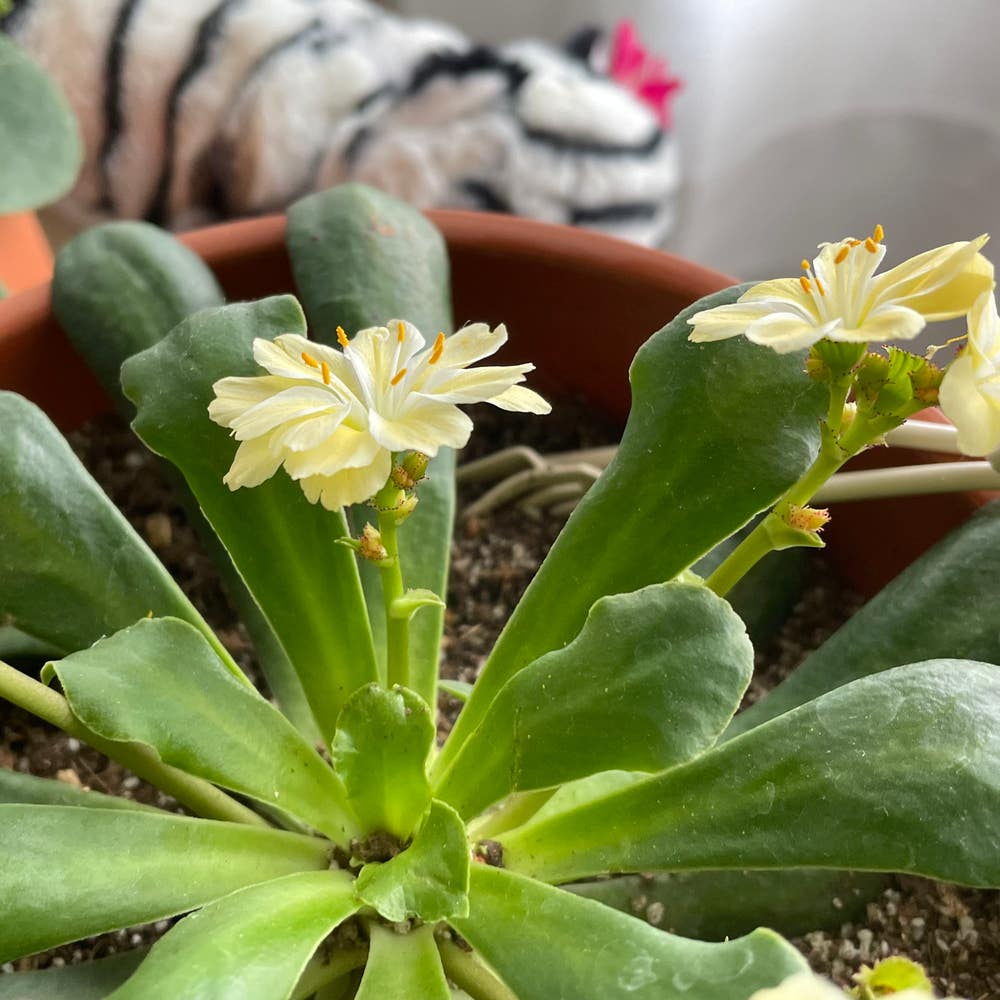
Lewisia thrives in full sun, meaning it benefits from several hours of direct sunlight each day. This exposure is crucial for its growth and vibrant blooms.
🌤️ Can Lewisia Tolerate Direct Sunlight?
While Lewisia prefers direct sunlight, it can tolerate some shade, especially in extremely hot climates. This flexibility helps it adapt to varying environmental conditions.
🔆 Effects of Too Much Direct Sunlight on Lewisia
Excessive direct sunlight can lead to sunburn, causing leaf discoloration and wilting. Signs of stress include crispy, brown edges on leaves and reduced flowering, indicating that your plant might need a little break from the sun.
Understanding these sunlight needs is essential for keeping your Lewisia healthy and thriving. Next, we’ll explore how window direction can impact your plant's sunlight exposure.
Role of Window Direction
🌞 Best Window Directions for Lewisia
When it comes to growing Lewisia indoors, window direction plays a crucial role. South-facing windows are the best choice, as they provide the most direct sunlight, ensuring your plant thrives.
East-facing windows are also a great option. They offer gentle morning sunlight, which can be particularly beneficial for Lewisia, giving it a good start to the day.
☀️ How Window Direction Affects Sunlight Exposure
West-facing windows can be a bit tricky. They receive intense afternoon sun, which can lead to sunburn if not monitored closely.
On the other hand, north-facing windows typically provide only indirect light. This may not be sufficient for Lewisia, so it's essential to consider placement carefully to meet its sunlight needs.
Understanding these window dynamics can significantly enhance your Lewisia's health and growth. With the right positioning, you can create an ideal environment for your plant to flourish.
Hemisphere Considerations
🌞 Differences in Sunlight Intensity by Hemisphere
Sunlight intensity varies significantly between the Northern and Southern Hemispheres. In the Northern Hemisphere, summer months bring stronger sunlight, making it essential to position your Lewisia to maximize exposure during this time.
Conversely, in the Southern Hemisphere, winter months result in less sunlight. This means that Lewisia may require more careful placement to ensure it receives adequate light for healthy growth.
🍂 Seasonal Changes in Sunlight Exposure
As the seasons change, so does the amount of direct sunlight your Lewisia receives. During spring and summer, you might find that your plant thrives with more direct sunlight, while in fall and winter, adjustments may be necessary to prevent it from becoming light-starved.
Regularly reassessing your plant's location can help maintain its health. By being mindful of these seasonal variations, you can ensure your Lewisia continues to flourish year-round.
Signs of Sunlight Stress in Lewisia
Identifying Leaf Burn or Discoloration 🌞
Leaf burn is a clear sign that your Lewisia is getting too much direct sunlight. You’ll notice brown, crispy patches on the leaves, which indicate stress from excessive exposure.
Discoloration can also occur, often showing up as yellowing leaves. This yellowing signals that your plant might not be getting the right amount of light, leading to stress.
Other Symptoms of Improper Sunlight Exposure 🌤️
Keep an eye out for wilting or drooping leaves. These symptoms can indicate that your Lewisia is either not getting enough light or is suffering from excessive heat.
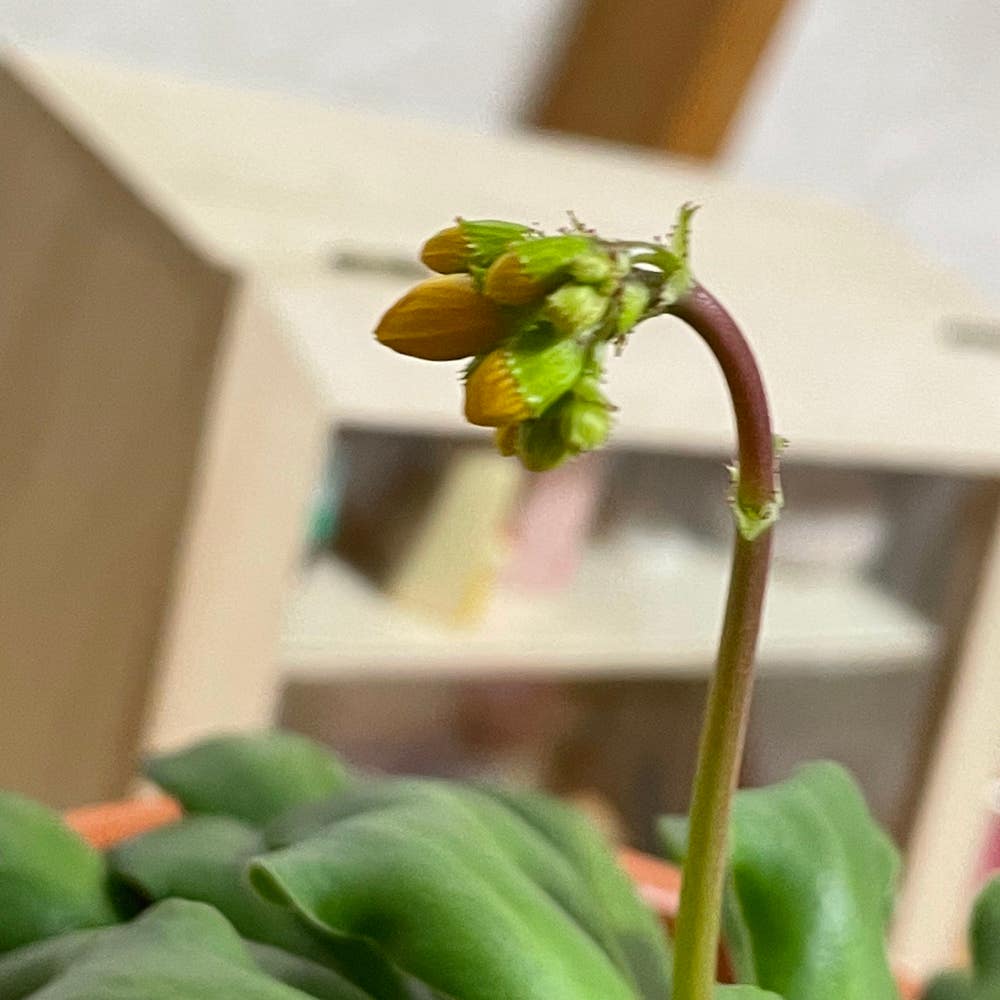
Additionally, if you notice reduced flowering or delayed blooming, it may be a sign that your plant is struggling with its sunlight conditions. Adjusting its exposure can help revive its vibrant blooms.
Understanding these signs is crucial for keeping your Lewisia healthy and thriving. By monitoring its condition, you can ensure it receives the right amount of sunlight and care.
Next, let’s explore some effective tips for managing sunlight exposure to keep your Lewisia in top shape.
Tips for Managing Sunlight Exposure
🌞 How to Adjust Light Conditions for Lewisia
Monitor Sunlight Exposure
Keep an eye on how much sunlight your Lewisia gets throughout the day. This will help you find the best spot for it.Move Lewisia Closer to a South-Facing Window
If you want your plant to thrive, place it near a south-facing window. This direction offers the most direct sunlight, which Lewisia loves.Rotate the Plant Periodically
To ensure your Lewisia grows evenly, rotate it every few weeks. This simple step helps all sides of the plant receive adequate light.
🌈 Using Sheer Curtains or Blinds to Filter Light
Sheer Curtains
Consider using sheer curtains to soften harsh sunlight. They allow enough light for growth while protecting your plant from potential sunburn.Adjustable Blinds
Blinds are another great option. You can easily adjust them to control the amount of direct sunlight your Lewisia receives, keeping it healthy and happy.
By managing sunlight exposure effectively, you can create the perfect environment for your Lewisia to flourish. This attention to detail will ensure your plant remains vibrant and full of life. Next, let’s explore the signs of sunlight stress in Lewisia to help you identify any potential issues.
⚠️ Safety First
This content is for general information and may contain errors, omissions, or outdated details. It is not medical, veterinary advice, or an endorsement of therapeutic claims.
Always consult a qualified healthcare professional before using any plant as food, medicine, or supplement.
Never eat any plant (or feed one to pets) without confirming its identity with at least two trusted sources.
If you suspect poisoning, call Poison Control (800) 222-1222, the Pet Poison Helpline (800) 213-6680, or your local emergency service immediately.
Spotted an error? Please report it here.
Keep your Lewisia thriving ☀️ by using Greg's personalized care tips to ensure it gets the perfect amount of sunlight for vibrant growth!