🌸 Lewisia Width: Planning Your Garden
Lewisia cotyledon
By the Greg Editorial Team
Nov 08, 2024•5 min read
This article was created with the help of AI so we can cover more plants for you. May contain errors. See one? Report it here.
Master Lewisia growth and size control 🌱 to create a stunning garden display that thrives beautifully!
- 🌱 Lewisia grows 6-12 inches tall and spreads 12-24 inches, perfect for diverse gardens.
- ☀️ Full sunlight and well-drained soil are essential for optimal Lewisia growth.
- 🌼 Mix dwarf and giant varieties for visual contrast and enhanced garden aesthetics.
Mature Height and Spread
Typical Dimensions 🌱
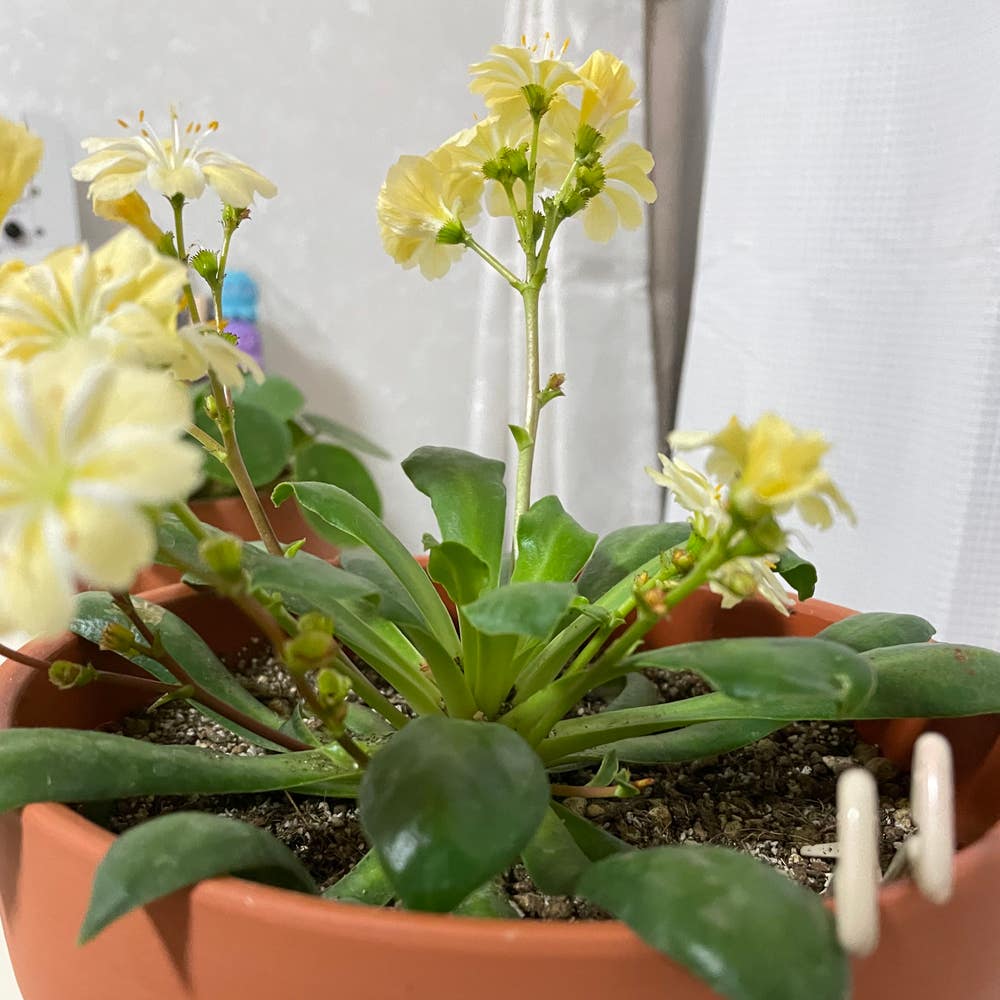
Lewisia plants typically reach a mature height of 6 to 12 inches. Their spread can range from 12 to 24 inches, making them a versatile choice for various garden layouts.
Factors Influencing Size 📏
The size of Lewisia can vary significantly based on the specific variety. Different species exhibit unique growth patterns, affecting both height and spread.
Environmental conditions also play a crucial role in determining size. Factors such as soil quality, light exposure, and water availability can significantly influence how large these plants grow.
Understanding these dimensions and influences can help you plan your garden effectively, ensuring that your Lewisia thrives in its designated space.
Growth Rate
🌱 General Growth Rate
The growth rate of Lewisia can vary significantly depending on environmental factors. In optimal conditions, such as well-drained soil and full sunlight, you can expect faster growth.
⏳ Time to Reach Full Size
Typically, Lewisia takes about 2 to 3 years to reach its mature dimensions. However, several factors can influence this timeline, including soil quality, moisture levels, and light exposure.
📈 Factors Affecting Growth Rate
- Soil Quality: Nutrient-rich, well-draining soil promotes robust growth.
- Moisture Levels: Consistent moisture is key, but avoid waterlogging.
- Light Exposure: Full sun exposure (6-8 hours daily) is ideal for optimal growth.
Understanding these factors can help you create the perfect environment for your Lewisia to thrive. With the right conditions, you’ll be rewarded with a beautiful, flourishing plant in just a few years.
As you plan your garden, consider how these growth dynamics will fit into your overall design. Next, let’s explore the size variability among different Lewisia varieties.
Size Variability
🌱 Dwarf and Giant Varieties
When planning your garden, consider the diverse size options of Lewisia. The dwarf variety, reaching a mature height of just 4 to 6 inches, is perfect for small gardens or rockeries, adding a splash of color without overwhelming the space.
On the other hand, the giant variety can grow up to 18 inches tall, making it a striking focal point in larger landscapes. This variety requires more room to thrive, so be mindful of its space needs when designing your garden layout.
📏 Comparison of Size Variability
The size variability among Lewisia species allows for creative garden designs. Dwarf varieties can be used in borders or as ground cover, while giant varieties can stand alone as statement pieces.
Incorporating both types can create a dynamic visual contrast, enhancing the overall aesthetic of your garden. Whether you prefer a compact arrangement or a more expansive display, understanding these size differences will help you make informed choices for your planting scheme.
As you explore the possibilities, keep in mind how these variations can complement your garden's style and layout, setting the stage for a vibrant and engaging outdoor space.
Environmental Influences on Size
🌱 Impact of Soil Conditions
Soil type plays a crucial role in the growth of Lewisia. Well-draining soil is essential for promoting healthy growth and preventing root rot.
Nutrient availability is another key factor. Rich, fertile soil can significantly enhance growth rates and dimensions, allowing your plants to thrive.
☀️ Effects of Sunlight and Shade
Sunlight requirements are vital for optimal growth. Lewisia thrives in full sun, needing about 6 to 8 hours of direct sunlight daily.
On the flip side, shaded conditions can limit growth. Insufficient light can hinder the plant's ability to reach its mature size, leading to a less vibrant display.
💧 Influence of Water Availability
Watering practices are critical for maintaining healthy Lewisia plants. Consistent moisture, without waterlogging, supports robust growth and development.
Interestingly, Lewisia exhibits drought tolerance. While it can thrive in dry conditions, this adaptability may also limit its overall size, making it essential to find a balance in watering practices.
Understanding these environmental influences can help you create the ideal conditions for your Lewisia, ensuring they flourish in your garden. Next, let's explore how you can control the size of your plants through various techniques.
Controlling Size
✂️ Pruning Techniques
Pruning is a simple yet effective way to manage the size of your Lewisia plants. The best time to prune is in early spring, just before new growth begins.
- Remove dead or damaged leaves to encourage fresh growth. This not only keeps your plant looking tidy but also promotes healthier foliage.
- Pinch back flowering stems to encourage bushier growth. This technique helps the plant focus its energy on producing more leaves rather than just flowers.
📏 Other Methods to Control Growth
In addition to pruning, there are other strategies to keep your Lewisia at the desired size.
Container gardening is a fantastic option. By limiting root space, you can effectively control the overall size of the plant, making it perfect for smaller gardens or patios.
Soil amendments can also play a crucial role. Adjusting the soil composition can influence growth patterns, allowing you to tailor the plant's size to fit your garden's needs.
By implementing these techniques, you can enjoy a well-maintained Lewisia that complements your garden beautifully. With the right care, your plants will thrive while staying within the desired dimensions, making your gardening experience all the more rewarding.
Next, let’s explore how environmental factors can further influence the size of your Lewisia plants.
⚠️ Safety First
This content is for general information and may contain errors, omissions, or outdated details. It is not medical, veterinary advice, or an endorsement of therapeutic claims.
Always consult a qualified healthcare professional before using any plant as food, medicine, or supplement.
Never eat any plant (or feed one to pets) without confirming its identity with at least two trusted sources.
If you suspect poisoning, call Poison Control (800) 222-1222, the Pet Poison Helpline (800) 213-6680, or your local emergency service immediately.
Spotted an error? Please report it here.
Transform your garden with thriving Lewisia 🌼 by using Greg's tailored watering reminders and care tips to create the perfect conditions for these stunning plants!