🌞 Growing Your Lewisia Outdoors
Lewisia cotyledon
By the Greg Editorial Team
Nov 08, 2024•5 min read
This article was created with the help of AI so we can cover more plants for you. May contain errors. See one? Report it here.
Master the art of growing vibrant Lewisia with essential tips on sunlight, watering, and seasonal care! 🌱
- ☀️ Lewisias thrive in full sun, needing 6-8 hours of sunlight daily for growth.
- 💧 Minimal watering is key; let soil dry out to prevent root rot.
- 🌱 Well-draining soil with pH 6.0-7.0 is ideal for healthy Lewisia plants.
Sunlight and Watering Needs
🌞 Ideal Sunlight Conditions
Lewisias thrive best in full sun to partial shade. Aim for 6-8 hours of direct sunlight daily to ensure robust growth and vibrant blooms.
💧 Watering Frequency and Techniques
Once established, Lewisias require minimal watering. Allow the soil to dry out between watering sessions to prevent root rot.
Deep Watering
Encourage deep root growth by watering deeply but infrequently. This practice helps your plants develop a strong foundation.
Avoiding Overhead Watering
To minimize the risk of fungal diseases, avoid overhead watering. Instead, focus on watering the base of the plant directly.
Transitioning to the next section, understanding soil and fertilization preferences is crucial for nurturing your Lewisia to its full potential.
Soil and Fertilization Preferences
🌱 Best Soil Types
For growing Lewisia successfully, the right soil is crucial. These plants thrive in well-draining, rocky, or sandy soils that prevent water from pooling around their roots.
The ideal pH level for Lewisia is slightly acidic to neutral, ranging from 6.0 to 7.0. This balance ensures optimal nutrient availability and promotes healthy growth.
📅 Fertilization Schedule and Types
When it comes to fertilization, a light feeding in early spring is all your Lewisia needs to kickstart its growth. Opt for low-nitrogen, balanced fertilizers, such as a 5-10-10 NPK blend, to provide essential nutrients without overwhelming the plant.
If you prefer organic options, compost or well-rotted manure can significantly enhance soil quality. These amendments not only nourish the plants but also improve soil structure, promoting better drainage and root development.
With the right soil and fertilization practices, your Lewisia will flourish, setting the stage for vibrant blooms and healthy foliage. Next, let’s explore the best planting options, whether in containers or directly in the ground.
Planting Options: Container vs. Ground
🌱 Advantages and Disadvantages of Container Planting
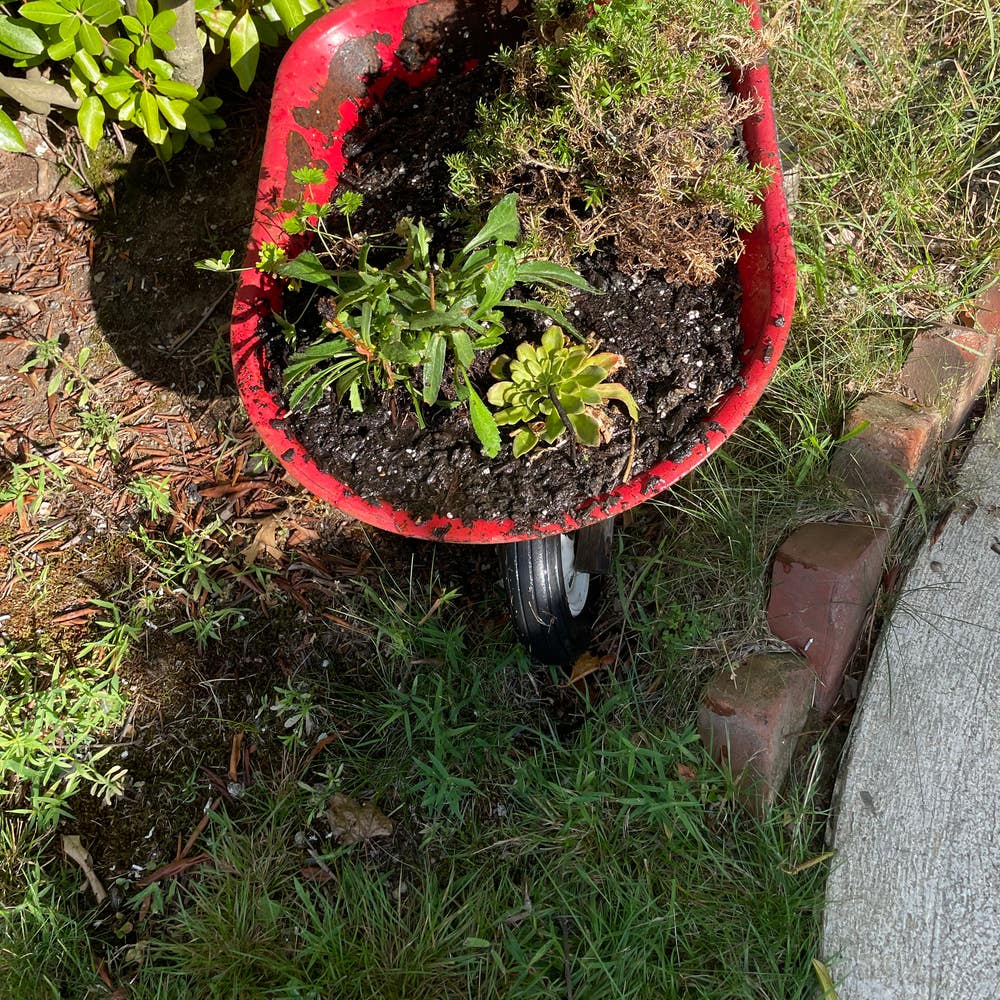
Container planting offers unique benefits for growing Lewisia. One major advantage is mobility; you can easily relocate your plants to ensure they receive optimal sunlight or protection from harsh weather.
Additionally, containers allow for better soil control. You can customize the soil mix to enhance drainage, which is crucial for Lewisia's health. However, there are some downsides to consider. Limited root space in containers may restrict growth potential, leading to smaller plants over time.
Moreover, containers tend to dry out faster than ground soil. This means you'll need to increase your watering frequency, which can be a hassle for busy gardeners.
🌍 Advantages and Disadvantages of Ground Planting
On the other hand, ground planting provides a more natural growth environment for Lewisia. With more space for root expansion, your plants can thrive and develop robust root systems.
Ground soil also offers better moisture retention, allowing your plants to access water for longer periods. However, soil quality can vary significantly, and you may need to amend it to achieve optimal growth conditions.
Another consideration is drainage. While ground planting can be beneficial, it also comes with the risk of waterlogging in heavy soils. This can lead to root rot, a common issue for Lewisia if not managed properly.
In summary, both container and ground planting have their pros and cons. Your choice will depend on your gardening style, available space, and the specific needs of your Lewisia plants. As you weigh your options, consider how each method aligns with your gardening goals and local conditions.
Protection from Weather and Pests
🌧️ Strategies for Weather Protection
Protecting your Lewisia from the elements is crucial for its health. Mulching is a fantastic way to retain moisture and regulate soil temperature, creating a stable environment for your plants.
In addition, consider using temporary coverings like frost cloths during unexpected cold snaps. This simple step can shield your plants from harsh weather and ensure they thrive.
🐛 Common Outdoor Pests
Outdoor pests can pose a significant threat to your Lewisia. Aphids are notorious for causing damage, with signs including curled leaves and sticky residue on the plant.
Another common issue is slugs and snails, which leave behind irregular holes in the leaves. To combat these pests, you can use Neem oil, insecticidal soap, or simply handpick them off your plants.
🦠 Disease Prevention and Management
Keeping your Lewisia healthy means being vigilant about diseases. Root rot and powdery mildew are two common ailments that can affect these plants.
To prevent these issues, ensure proper drainage to avoid excess moisture in the soil. Regularly inspecting your plants for early signs of disease can also help you catch problems before they escalate.
By implementing these protective measures, you can enjoy a flourishing Lewisia garden. Next, let's explore how seasonal changes impact your care routine.
Seasonal Care and Climate Considerations
🌱 Seasonal Changes and Their Impact
Spring is the perfect time to plant your Lewisia. As the weather warms, keep an eye out for pests and diseases that may emerge.
During summer, ensure your plants receive adequate watering, especially during hot spells. This is crucial for maintaining their health and vibrancy.
As fall approaches, it's time to prepare for winter. Reduce watering and apply mulch to protect the roots from the cold.
🌍 Special Considerations for Different Climate Zones
Lewisia thrives in USDA hardiness zones 4-9. Understanding your zone helps you tailor care to your specific climate conditions.
Adaptation strategies are key. Adjust your watering and protection methods based on local climate variations to ensure your plants flourish.
❄️ Tips for Winter Care and Protection
Winterizing your Lewisia is essential for its survival. Mulch around the base of the plant to insulate the roots from freezing temperatures.
Additionally, avoid excessive moisture during winter. Proper drainage is vital to prevent root rot, ensuring your plants remain healthy through the cold months.
With these seasonal care tips, your Lewisia will not only survive but thrive, ready to burst into life when spring returns.
⚠️ Safety First
This content is for general information and may contain errors, omissions, or outdated details. It is not medical, veterinary advice, or an endorsement of therapeutic claims.
Always consult a qualified healthcare professional before using any plant as food, medicine, or supplement.
Never eat any plant (or feed one to pets) without confirming its identity with at least two trusted sources.
If you suspect poisoning, call Poison Control (800) 222-1222, the Pet Poison Helpline (800) 213-6680, or your local emergency service immediately.
Spotted an error? Please report it here.
Transform your garden into a Lewisias paradise 🌼 with Greg's tailored care reminders and expert tips that ensure your plants thrive all season long!