🌼 4 Essential Steps to Grow Healthy Lewisia
Lewisia cotyledon
By the Greg Editorial Team
Nov 08, 2024•5 min read
This article was created with the help of AI so we can cover more plants for you. May contain errors. See one? Report it here.
Cultivate stunning Lewisia in your garden with expert planting and care tips! 🌱
- 🌞 Lewisias thrive in full sun; partial shade is okay in hotter climates.
- 💧 Good drainage is crucial; avoid waterlogged soil to prevent root rot.
- 🌱 Use well-draining, sandy soil with pH 6.0-7.0 for optimal growth.
Site Selection and Soil Preparation
Choosing the Right Location 🌍
Selecting the perfect spot for your Lewisia is crucial for its success. These plants thrive in full sun but can tolerate partial shade, especially in hotter climates.
Consider the microclimate of your garden. Look for areas with good drainage, as Lewisia does not like to sit in waterlogged soil.
Soil Type and pH Requirements 🧪
The ideal soil for Lewisia is well-draining, sandy, or rocky. This type of soil prevents root rot and encourages healthy growth.
Aim for a soil pH between 6.0 and 7.0. This range supports optimal nutrient availability for your plants.
Soil Preparation Techniques 🛠️
Before planting, amend your soil to enhance drainage. Mixing in sand or perlite can significantly improve soil structure.
Testing your soil's pH is essential. If necessary, adjust it using lime to raise pH or sulfur to lower it.
Incorporating organic matter, like compost, boosts soil fertility and provides essential nutrients for your Lewisia.
With the right location and soil preparation, your Lewisia will be set for a thriving growth journey. Next, we’ll explore the best practices for planting these beautiful succulents.
Planting Lewisia
Step-by-step planting instructions 🌱
Planting Lewisia is straightforward and rewarding. Start by preparing the planting hole, making it twice the width of the root ball to allow for healthy root expansion.
Next, place the Lewisia in the hole, ensuring the crown is level with the soil surface. This positioning is crucial for the plant's health.
After that, backfill the hole with soil, gently firming it around the roots to eliminate air pockets. Finally, water the plant thoroughly after planting to help settle the soil.
Spacing and depth considerations 📏
When planting outdoors, it's essential to consider spacing. Aim for a distance of 12-18 inches apart to give each plant room to thrive.
Depth is also key; plant Lewisia at the same depth as it was in the nursery container. This ensures the plant can establish itself without stress.
Container vs. outdoor planting techniques 🪴
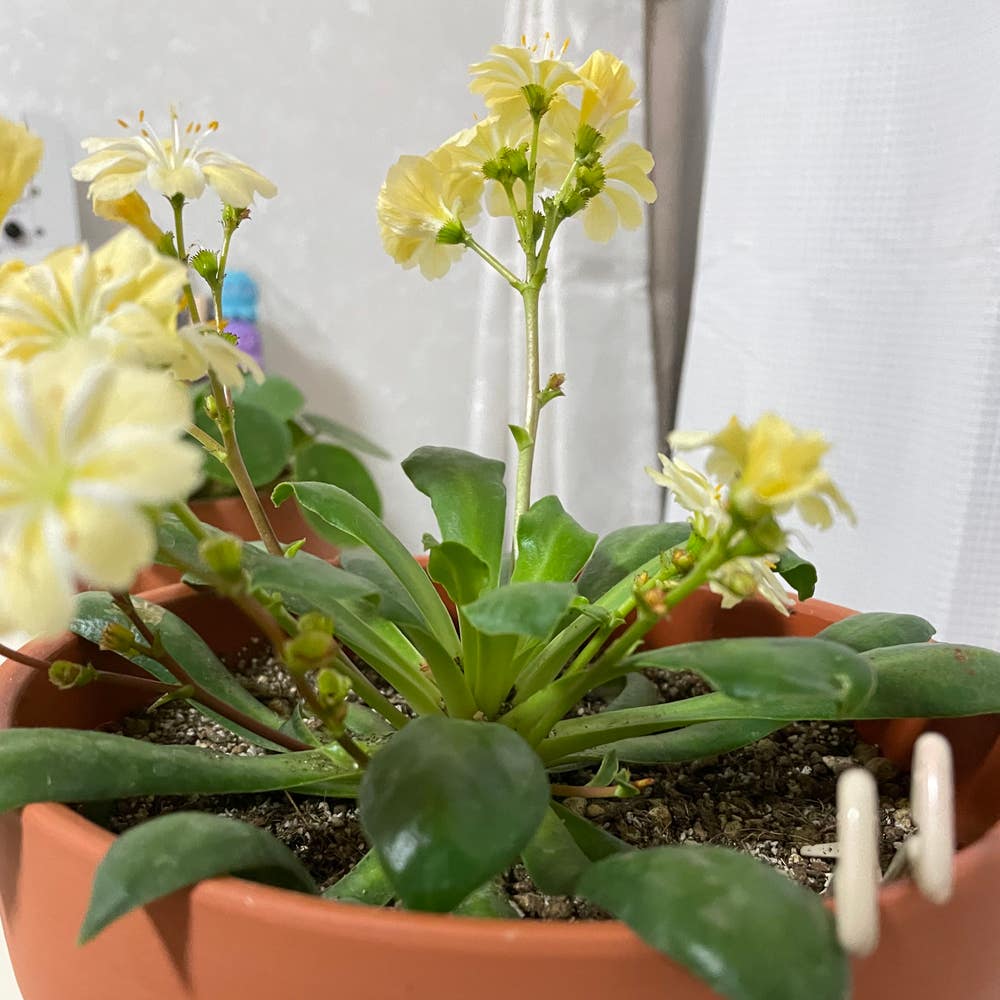
If you're opting for container planting, choose a pot that is appropriately sized with adequate drainage holes. This prevents waterlogging, which can harm the roots.
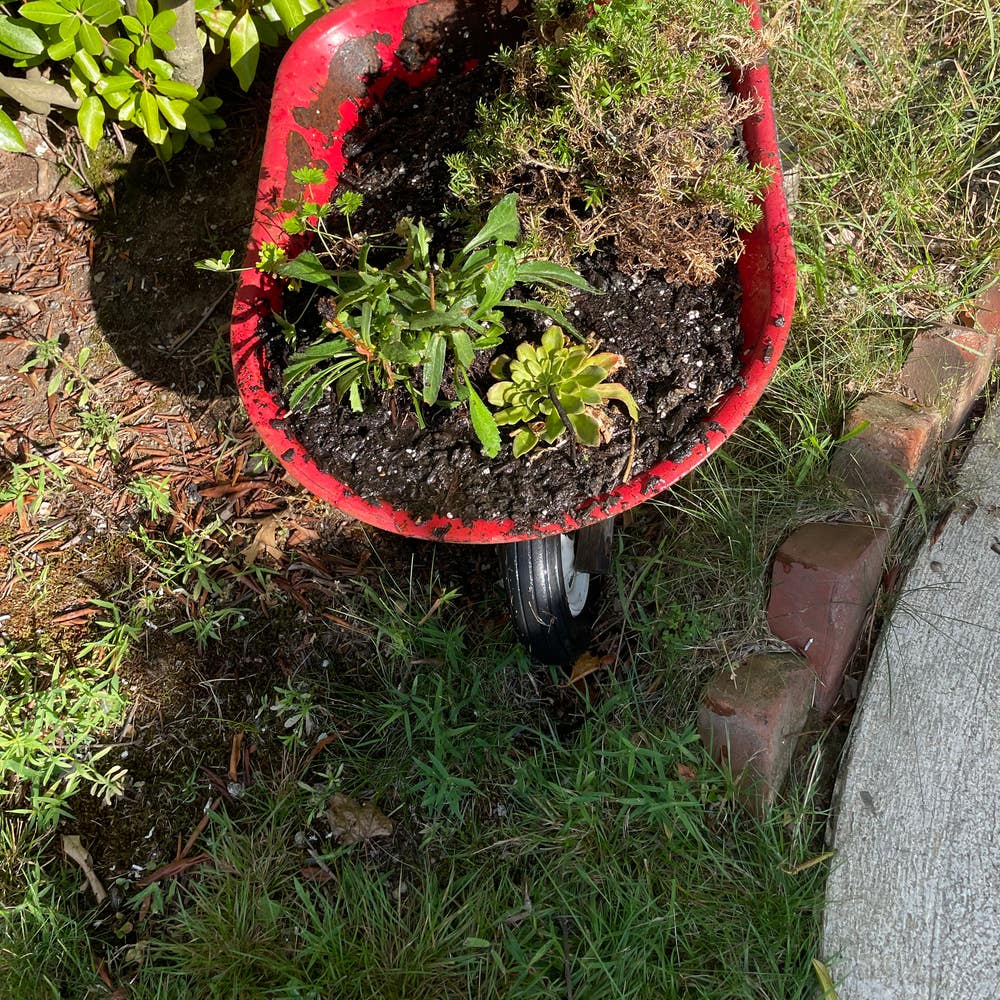
For outdoor planting, think about the environment. Garden beds provide a different experience than rock gardens, so consider the specific needs of Lewisia in each setting.
Watering and Fertilizing
💧 Watering needs and frequency
Watering Lewisia properly is crucial for their establishment. Initially, keep the soil consistently moist until the plants are well-rooted.
Once established, these resilient plants exhibit drought tolerance. You can reduce watering frequency, allowing the soil to dry out between sessions.
🌱 Best practices for fertilizing Lewisia
Timing your fertilization is key to healthy growth. Fertilize in early spring, just before new growth begins, to give your Lewisia a nutrient boost.
For the best results, use balanced NPK fertilizers or specialized succulent fertilizers. These options provide the essential nutrients your plants need to thrive.
🌿 Organic vs. synthetic fertilizers
When it comes to fertilizers, organic options offer significant benefits. They release nutrients slowly, improving soil health over time.
However, synthetic fertilizers can be useful for a quick nutrient boost during active growth periods. Choose based on your plants' needs and your gardening philosophy.
With proper watering and fertilization, your Lewisia will flourish beautifully. Next, let’s explore the importance of pruning and ongoing care to keep your plants healthy and vibrant.
Pruning and Ongoing Care
Importance of Pruning for Healthy Growth 🌱
Pruning is essential for maintaining the health of your Lewisia. By removing dead or damaged leaves, you enhance airflow, reducing the risk of disease.
Additionally, pinching back the tips encourages bushier growth, resulting in a fuller, more vibrant plant. This simple act can significantly improve the overall appearance and vitality of your Lewisia.
Seasonal Care Routines 🌸
Establishing a seasonal care routine is key to thriving plants. In spring, focus on fertilization and pruning to kickstart growth.
During summer, keep an eye out for pests and adjust your watering schedule as needed. As fall approaches, prepare your Lewisia for winter dormancy by reducing care and ensuring it’s ready for the colder months.
Signs of Stress and How to Address Them ⚠️
Recognizing signs of stress in your Lewisia can save it from decline. Yellowing leaves often indicate overwatering or a nutrient deficiency, so check your watering habits and consider fertilizing.
If you notice wilting, it’s crucial to investigate for root rot or insufficient watering. Addressing these issues promptly will help your Lewisia bounce back and thrive.
With proper pruning and ongoing care, your Lewisia will flourish, setting the stage for a beautiful display in your garden. Next, let’s explore common challenges and solutions to keep your plants in top shape.
Common Challenges and Solutions
🐛 Identifying Common Pests and Diseases
Levisia can face a few common pests that may disrupt their growth. Watch out for aphids, mealybugs, and spider mites, as they can sap the plant's vitality.
In addition to pests, diseases like root rot and powdery mildew can pose serious threats. Root rot often results from overwatering, while powdery mildew thrives in humid conditions.
🔧 Troubleshooting Growth Issues
If your Lewisia isn't flowering as expected, it might be due to inadequate sunlight or a nutrient deficiency. Ensure they receive enough light and consider a balanced fertilizer to boost growth.
Leaf discoloration can also signal trouble. Check for pests or watering issues if you notice yellowing or browning leaves.
🌱 Tips for Successful Propagation
Propagation can be a rewarding way to expand your Lewisia collection. You can use seed sowing or divide established plants for new growth.
The best times for propagation are early spring or fall. These seasons provide optimal conditions for your new plants to thrive.
With these insights, you can tackle common challenges and ensure your Lewisia flourishes beautifully. Next, let’s explore the importance of pruning and ongoing care for your plants.
⚠️ Safety First
This content is for general information and may contain errors, omissions, or outdated details. It is not medical, veterinary advice, or an endorsement of therapeutic claims.
Always consult a qualified healthcare professional before using any plant as food, medicine, or supplement.
Never eat any plant (or feed one to pets) without confirming its identity with at least two trusted sources.
If you suspect poisoning, call Poison Control (800) 222-1222, the Pet Poison Helpline (800) 213-6680, or your local emergency service immediately.
Spotted an error? Please report it here.
Grow thriving Lewisia plants 🌱 by using Greg's tailored watering and care reminders to keep them healthy and flourishing in your garden!