❄️ 3 Winter Threats to Your Lewisia
Lewisia cotyledon
By the Greg Editorial Team
Nov 08, 2024•5 min read
This article was created with the help of AI so we can cover more plants for you. May contain errors. See one? Report it here.
Protect your Lewisia this winter with essential care tips for frost and indoor conditions! ❄️🌱
- ❄️ Frost protection is vital for Lewisia to prevent winter damage to foliage and roots.
- 🌱 Mulching insulates soil, maintaining stable temperatures and protecting Lewisia during winter.
- 🌬️ Sheltered planting reduces cold exposure, enhancing Lewisia's resilience against winter threats.
Winter Care Requirements
❄️ Frost protection strategies
Frost protection is crucial for safeguarding your Lewisia from damage to its foliage and roots. Implementing effective strategies can make a significant difference in your plant's survival through harsh winter conditions.
Methods of frost protection
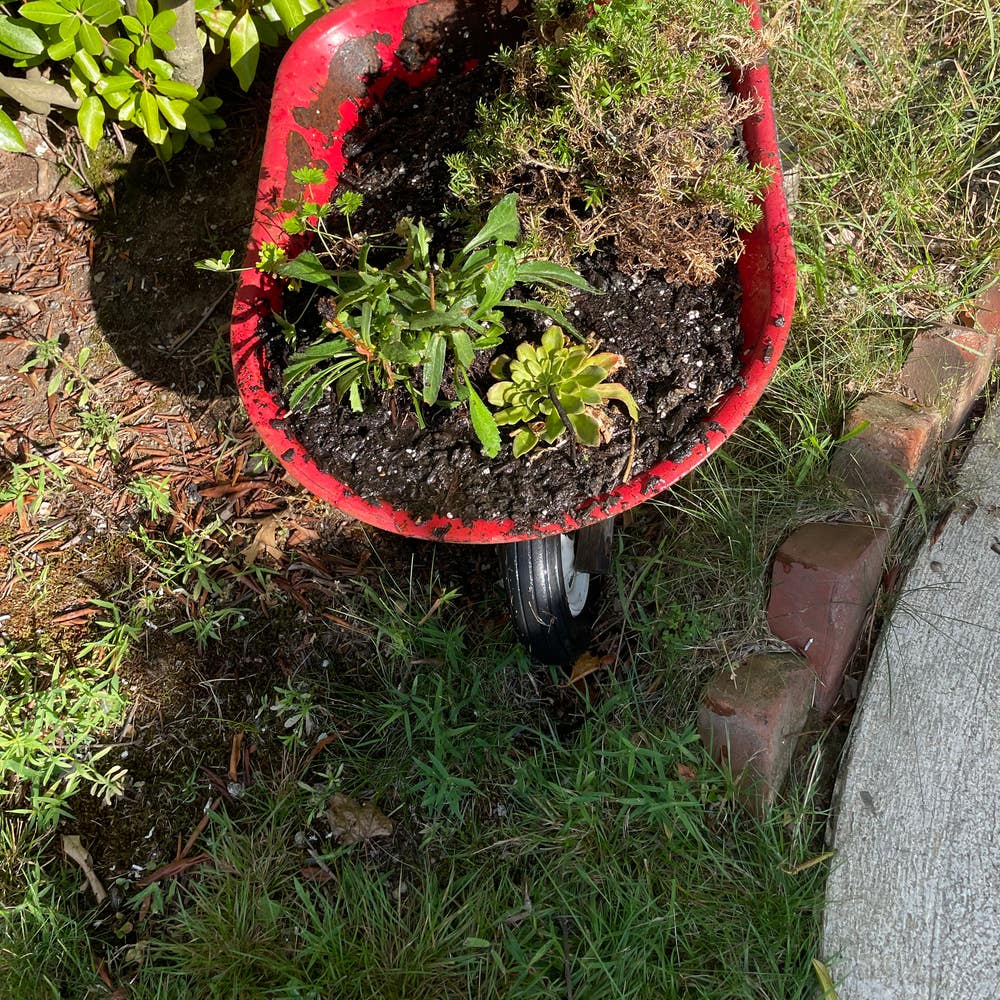
- Mulching: Use organic materials like straw or wood chips to insulate the soil. This helps maintain a stable temperature and protects the roots from freezing.
- Covering plants: On particularly cold nights, cover your Lewisia with frost cloths or burlap. These materials provide an extra layer of warmth and shield against frost.
- Location considerations: Plant your Lewisia in sheltered areas, such as near walls or under larger plants. This reduces exposure to cold winds and extreme temperatures.
🌧️ Adjusting watering schedules in winter
During winter dormancy, your Lewisia's watering needs change significantly. It's essential to adjust your watering routine to prevent overwatering, which can lead to serious issues.
Watering needs during dormancy
Minimal watering is required during this period; the soil should remain dry. Watch for signs of overwatering, such as yellowing leaves or mushy stems, which indicate that your plant is struggling.
Recommended watering schedule
Check the soil moisture bi-weekly. Water your Lewisia only if the soil is completely dry to the touch, ensuring it remains healthy throughout the winter months.
🌱 Fertilizing during dormancy
Fertilization is generally not necessary while your Lewisia is dormant. Over-fertilizing can encourage growth that may be vulnerable to frost damage.
Fertilization needs
During dormancy, avoid fertilizing your plant. This helps prevent unnecessary stress and protects it from potential frost damage.
Timing for fertilization
Resume feeding your Lewisia in early spring as growth begins to pick up again. This will provide the nutrients needed for a healthy growing season ahead.
By following these winter care requirements, you can help your Lewisia thrive despite the cold. With proper frost protection, adjusted watering schedules, and mindful fertilization, your plant will be well-prepared for the transition into spring.
Next, we’ll explore how to care for your Lewisia indoors during the winter months.
Indoor Winter Care
🌱 Conditions for Indoor Plants
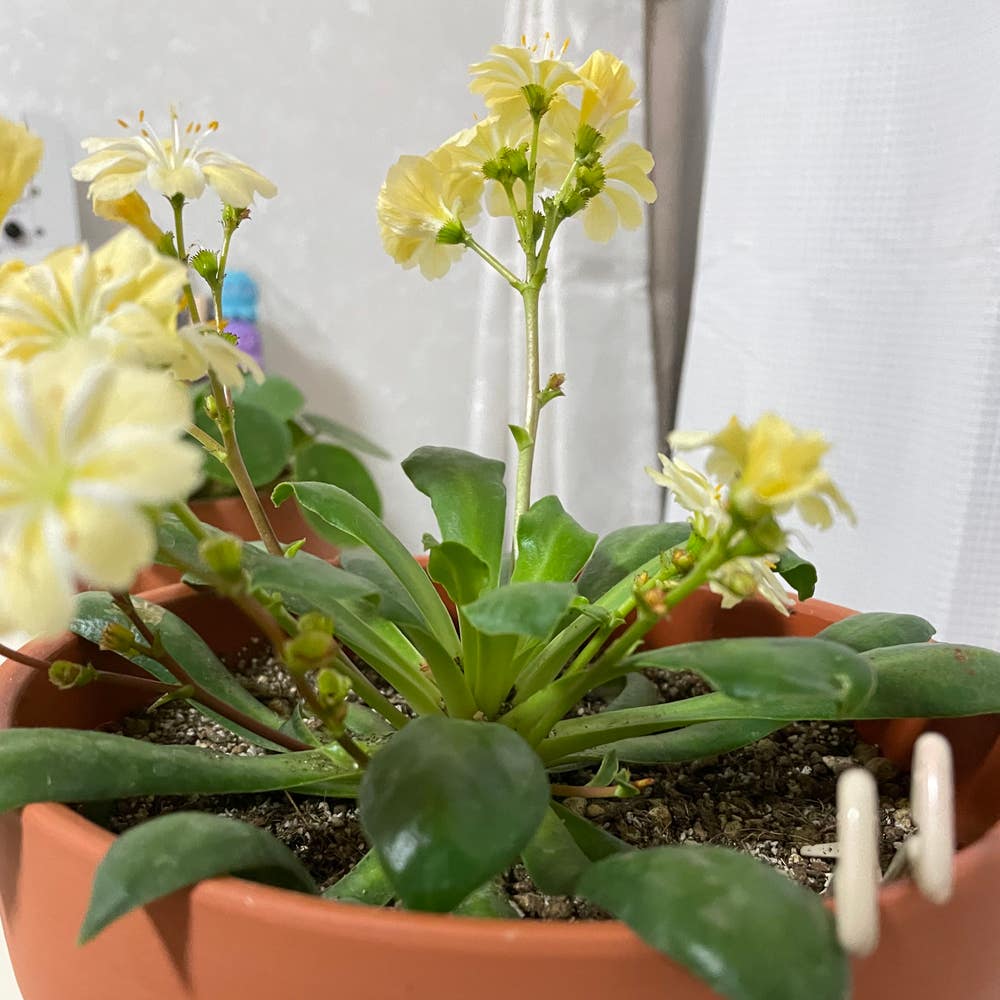
Creating the ideal indoor environment for your Lewisia is crucial during winter. Aim for bright, indirect light to mimic the natural conditions these plants thrive in.
Maintain a temperature range of 60°F to 70°F (15°C to 21°C) to keep your plants comfortable. This temperature range helps prevent stress and promotes healthy growth.
Humidity Considerations
Humidity plays a significant role in the health of your indoor plants. Keep humidity levels low to prevent rot and avoid overly moist environments that can lead to fungal issues.
Regularly check the moisture levels in the air around your plants. A simple humidity gauge can help you monitor conditions effectively.
❄️ Transitioning Indoors for Winter
Transitioning your Lewisia indoors requires careful planning to ensure a smooth adjustment. Follow these steps for a successful move.
Gradually Acclimate: Start by acclimating your plant to indoor conditions over a week. This gradual process helps reduce shock.
Inspect for Pests: Before bringing your plant indoors, inspect it thoroughly for pests. This step is vital to prevent infestations in your home.
Use Suitable Potting Mix: Place your Lewisia in a well-draining potting mix that suits succulents. This ensures proper drainage and prevents root rot.
Monitor for Stress: After transitioning, keep an eye on your plant for signs of stress or shock. Look for wilting or discoloration, and adjust care as needed.
By following these guidelines, you can help your Lewisia thrive indoors during the winter months. This care will set the stage for a healthy plant ready to flourish come spring.
Spring Preparation and Recovery
🌨️ Signs of Winter Damage
As winter fades, it's crucial to assess your Lewisia for any signs of damage. Look for wilting or yellowing leaves, which can indicate stress from cold temperatures.
Another red flag is blackened or mushy stems, a clear sign of rot. These symptoms suggest your plant may have struggled during the harsh winter months.
🩺 Assessing Overall Plant Health
A thorough check of the root system is essential. Gently remove the plant from its pot and inspect the roots for any signs of rot or damage.
Healthy roots should be firm and white, while rotten roots will appear dark and mushy. This assessment will guide your recovery efforts.
🌱 Steps for Recovery from Winter Stress
✂️ Pruning Damaged Foliage
Start by pruning away any dead or damaged leaves and stems. This encourages new growth and helps the plant focus its energy on healthy parts.
Always use clean, sharp tools to prevent infection. A little care in this step can make a big difference in your plant's recovery.
🌡️ Adjusting Care Post-Winter
As temperatures rise, gradually increase your watering schedule. Your Lewisia will need more moisture as it wakes up from dormancy.
Begin fertilizing to support new growth, but do so cautiously. A gentle approach will help your plant thrive without overwhelming it.
🌸 Preparing for Spring Growth
🌿 Signs of New Growth
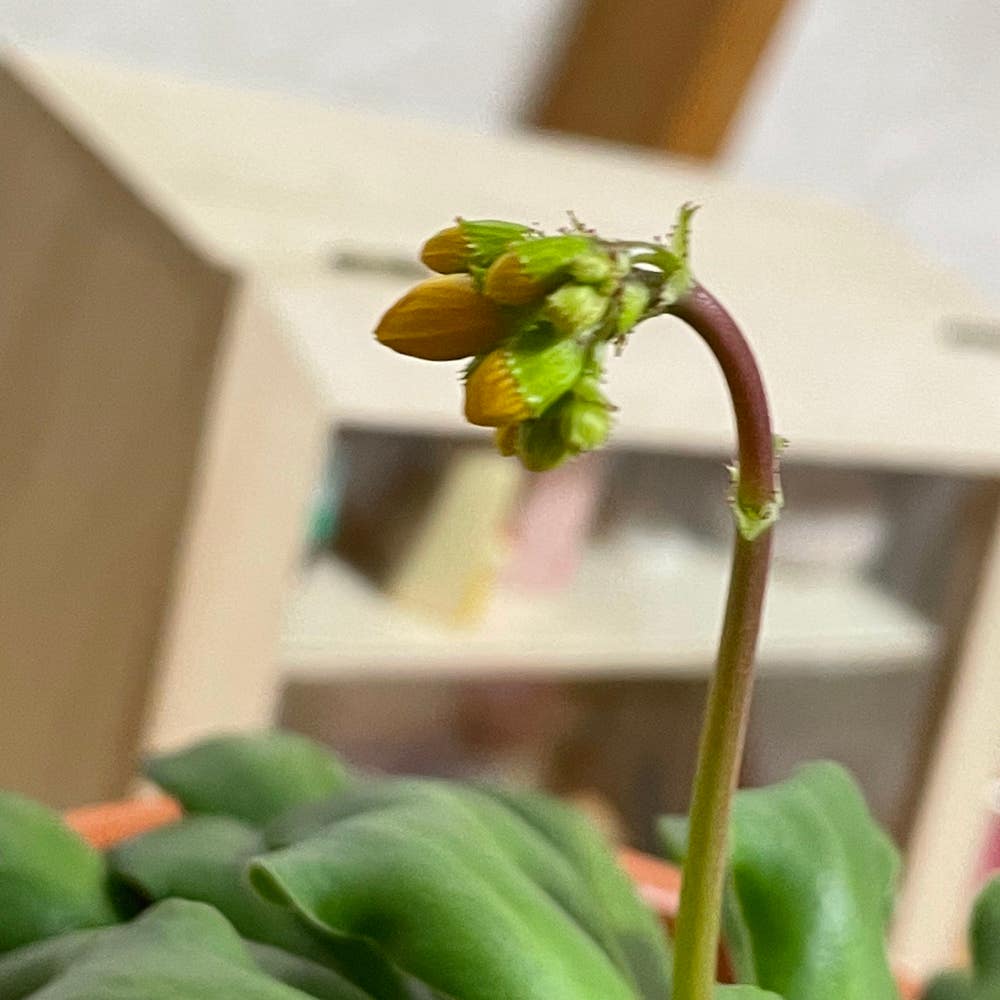
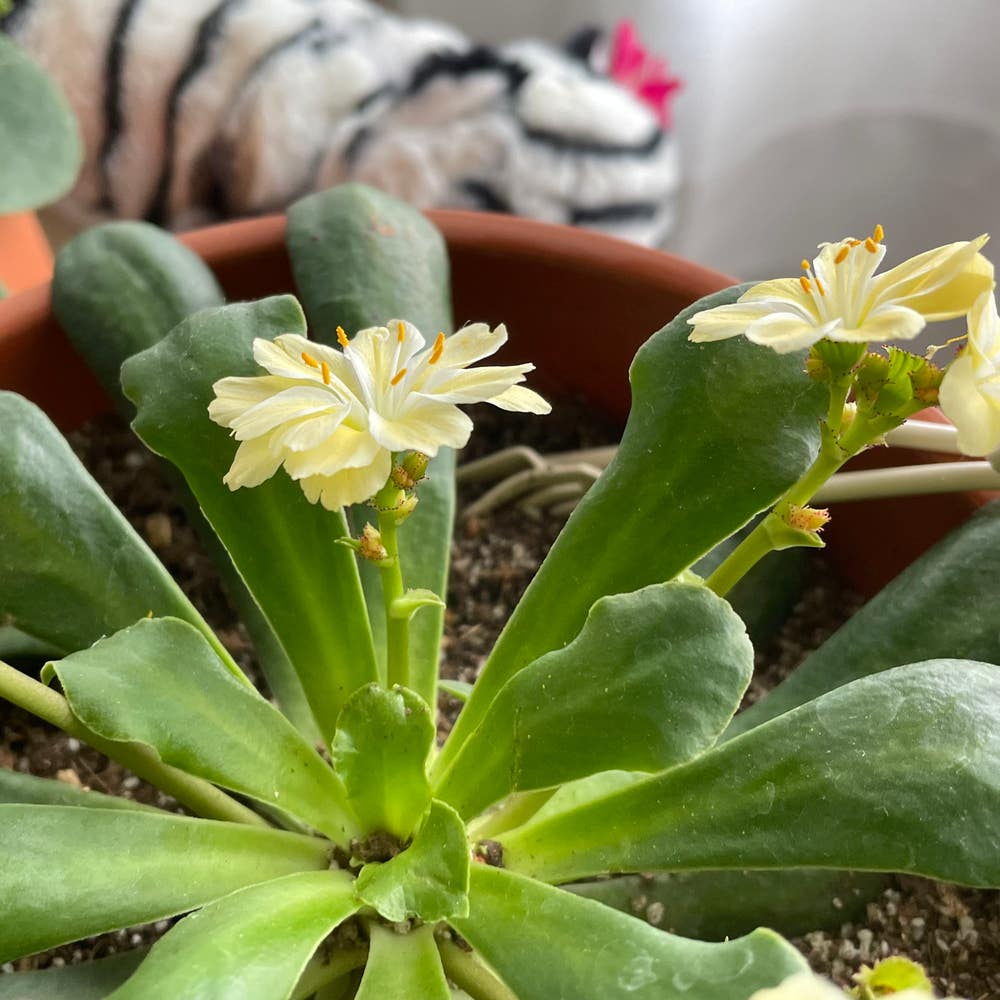
Keep an eye out for fresh leaves and flower buds emerging. These are positive indicators that your Lewisia is bouncing back.
💧 Care Adjustments for Spring
With the arrival of spring, increase your watering frequency. Your plant will be actively growing and will require more hydration.
Additionally, monitor for pests and diseases as temperatures warm. Early detection is key to keeping your Lewisia healthy and vibrant.
As you prepare for the growing season, remember that attentive care will reward you with a flourishing plant. Transitioning from winter to spring is an exciting time for your Lewisia, setting the stage for a vibrant season ahead.
⚠️ Safety First
This content is for general information and may contain errors, omissions, or outdated details. It is not medical, veterinary advice, or an endorsement of therapeutic claims.
Always consult a qualified healthcare professional before using any plant as food, medicine, or supplement.
Never eat any plant (or feed one to pets) without confirming its identity with at least two trusted sources.
If you suspect poisoning, call Poison Control (800) 222-1222, the Pet Poison Helpline (800) 213-6680, or your local emergency service immediately.
Spotted an error? Please report it here.
Protect your Lewisia from winter's chill and ensure it thrives 🌿 with Greg's tailored care reminders and expert tips for a healthy spring bloom!