Lewisia: A Perennial Plant 🌸
Lewisia cotyledon
By the Greg Editorial Team
Nov 08, 2024•5 min read
This article was created with the help of AI so we can cover more plants for you. May contain errors. See one? Report it here.
Unlock the secret to a vibrant garden with Lewisia, a resilient perennial that blooms beautifully year after year! 🌱
- 🌼 Lewisia thrives for years without replanting, making it a low-maintenance perennial choice.
- 💧 Unique rosette form stores water, enhancing resilience in arid conditions.
- 🌱 Adaptable root systems allow Lewisia to regenerate annually, ensuring vibrant growth.
Characteristics of Lewisia as a Perennial
🌱 Multi-Year Lifecycle
Lewisia plants are remarkable for their multi-year lifecycle, allowing them to thrive for several years. They continuously grow from established roots, making them a reliable choice for gardeners seeking longevity.
In contrast to annual and biennial plants, which complete their life cycles in one or two years respectively, Lewisia showcases a distinct advantage. Its ability to regrow year after year sets it apart, providing a stable presence in gardens.
🔄 Growth Patterns and Regrowth
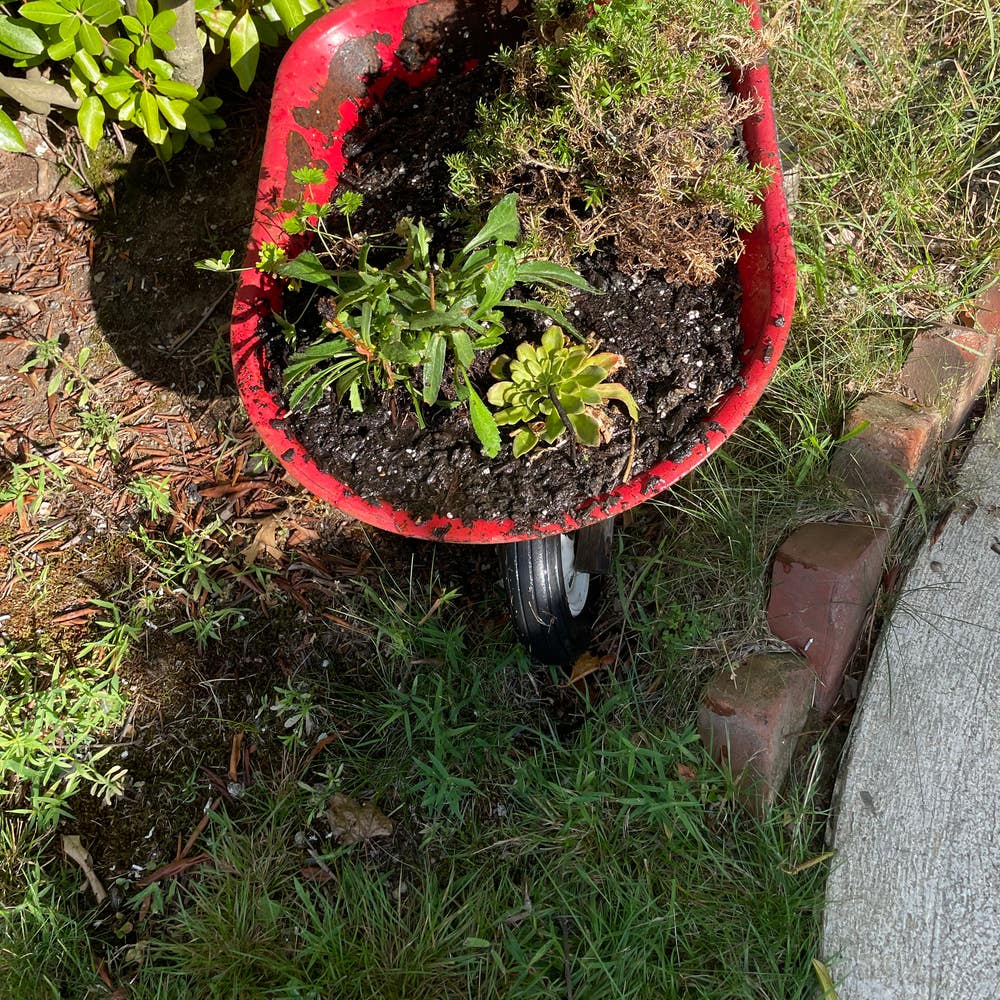
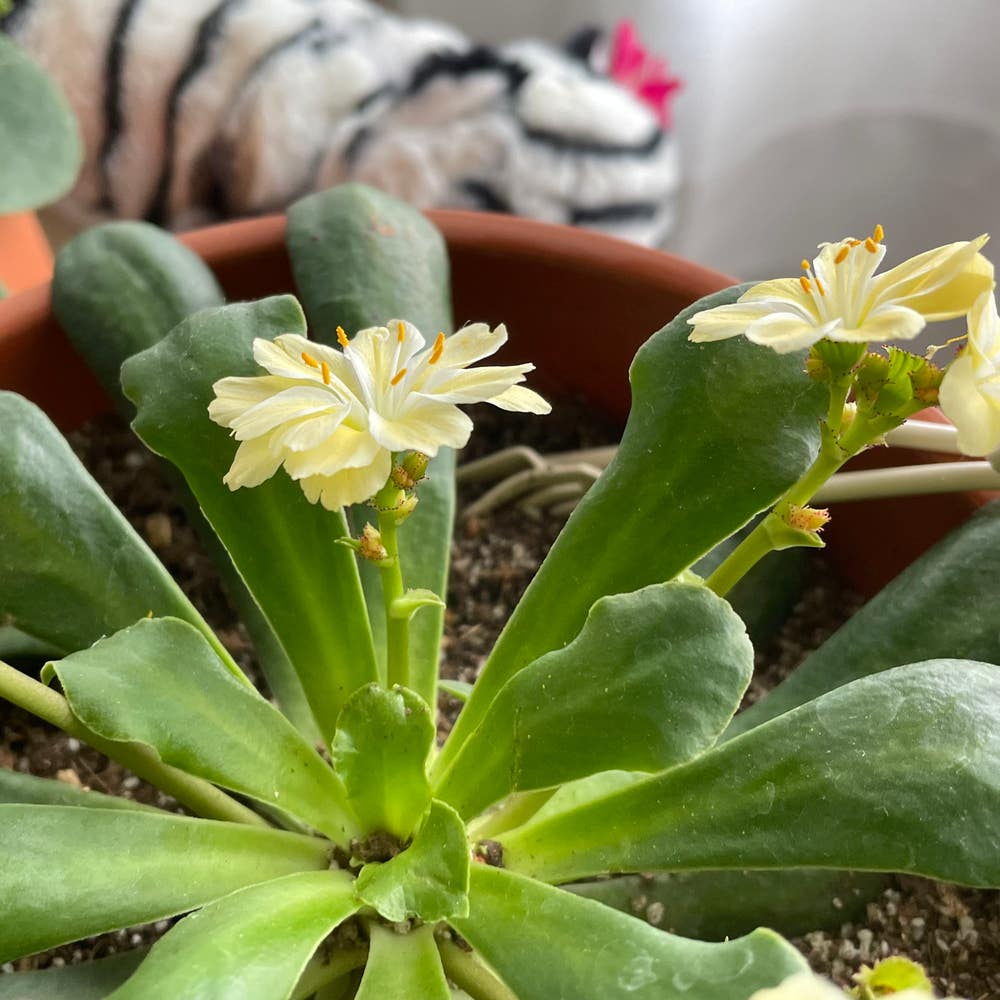
One of the standout features of Lewisia is its unique rosette growth form. The fleshy leaves store water, enabling the plant to survive in arid conditions where other plants might struggle.
The mechanism of regrowth is fascinating; Lewisia utilizes its robust root system to produce new growth each year. This resilience and adaptability allow it to thrive in challenging environments, showcasing the true strength of its perennial nature.
With these characteristics, Lewisia not only enriches gardens but also stands as a testament to the beauty of enduring plant life. As we explore further, we will delve into the flowering cycles and lifespan of this extraordinary perennial.
Flowering and Lifespan
Flowering Cycles 🌸
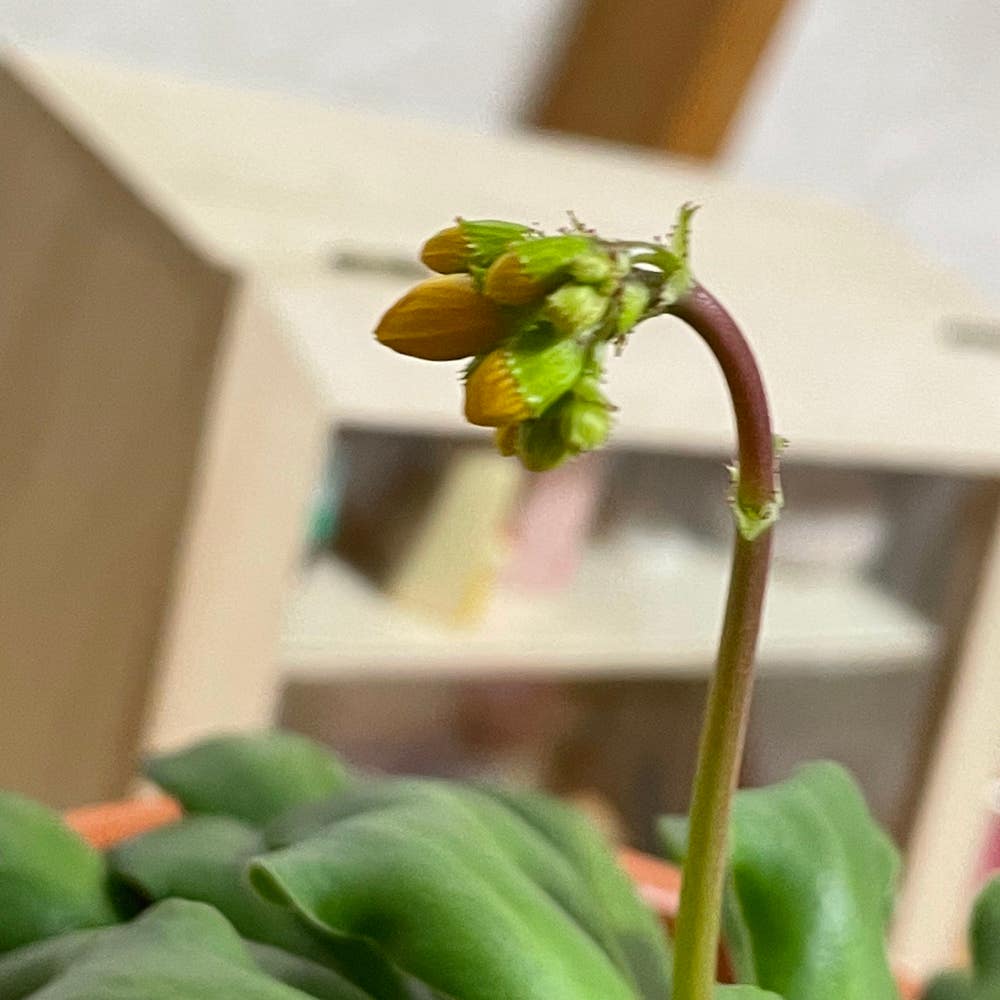
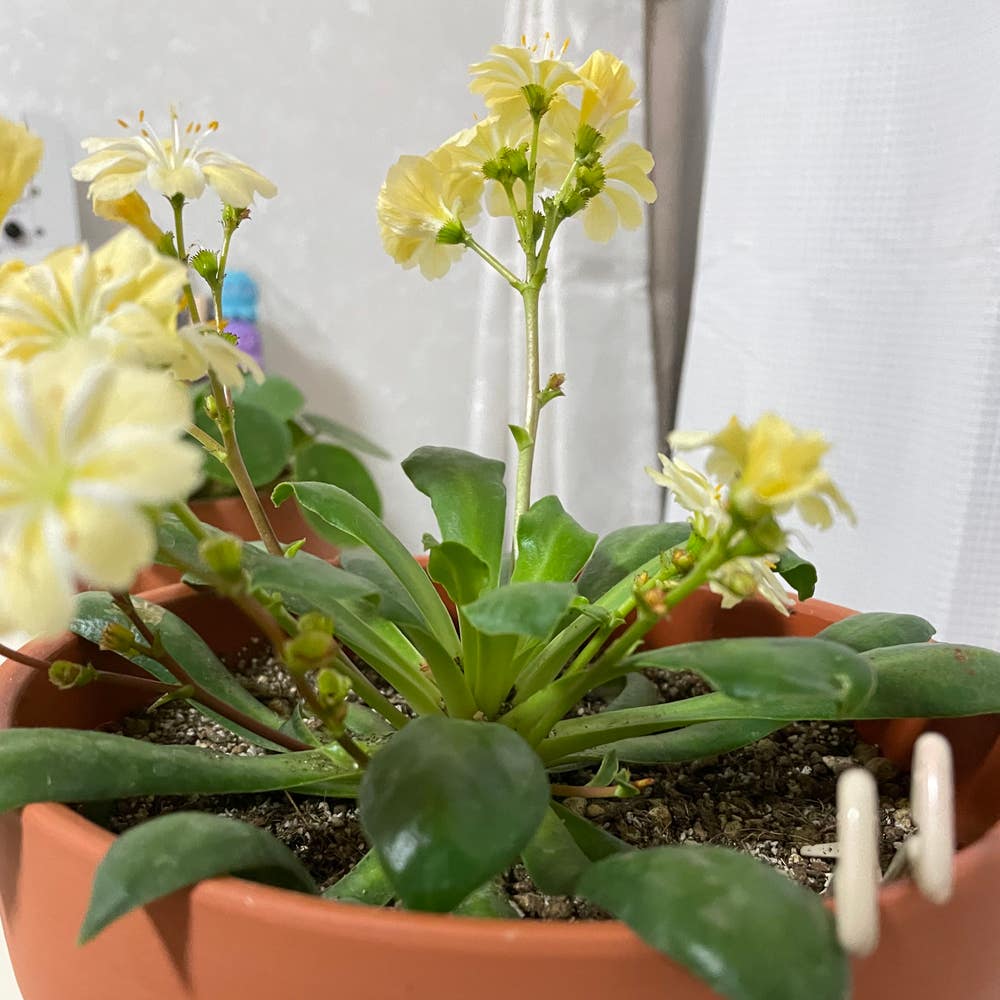
Lewisias are known for their stunning blooms, which typically occur in late spring to early summer. However, the exact timing can vary significantly among different varieties, with some blooming as early as March and others extending into July.
Several factors influence the flowering success of Lewisia plants. Climate plays a crucial role; warmer temperatures can encourage earlier blooms, while cooler conditions may delay them. Additionally, soil quality and care practices, such as watering and fertilization, can significantly impact flowering.
Expected Lifespan ⏳
In optimal conditions, Lewisia plants can live for several years, often exceeding a decade. Their longevity is a testament to their hardy nature and adaptability.
However, various factors can influence their lifespan. Soil quality is paramount; well-draining, nutrient-rich soil promotes healthier plants. Climate also affects longevity, as extreme temperatures can stress the plant. Finally, consistent care practices, including proper watering and pest management, can help extend the life of your Lewisia.
As you consider adding Lewisia to your garden, remember that their flowering cycles and lifespan are closely tied to the care and conditions you provide. This understanding will help you cultivate a thriving, beautiful display year after year.
Dormancy and Seasonal Changes
Dormancy Periods 🌱
Lewisia plants exhibit a fascinating ability to enter a dormant state during extreme weather conditions, particularly in winter. This dormancy is a survival mechanism, allowing them to conserve energy and resources when environmental conditions are less than ideal.
Signs of dormancy in Lewisia are quite noticeable. The leaves may wilt or die back, and the plant appears less vibrant, signaling that it is conserving energy for the next growing season.
Seasonal Changes and Growth 🌼
As the seasons shift, Lewisia responds dynamically to changes in temperature and moisture. In spring, as temperatures rise and moisture becomes available, these resilient plants spring back to life, showcasing their unique rosette growth form.
Dormancy plays a crucial role in the overall growth of Lewisia. By resting during harsh conditions, the plant can thrive when the environment becomes favorable again, ensuring robust growth and flowering in subsequent seasons.
This cyclical pattern of dormancy and growth not only highlights the adaptability of Lewisia but also emphasizes the importance of understanding seasonal changes for successful cultivation.
Advantages for Gardeners
🌼 Benefits of Perennial Nature
Levisia plants are a gardener's dream, offering a long-term investment with their perennial nature. Unlike annuals that need replanting each year, Lewisia thrives year after year, allowing you to enjoy their beauty without the hassle of constant replanting.
Their established root systems are another significant advantage. These deep roots not only provide stability but also enhance drought resistance and nutrient uptake, making Lewisia a resilient choice for various garden conditions.
🌱 Long-Term Cultivation Strategies
To maximize the benefits of Lewisia, consider these best practices for planting and care. Start by spacing your plants adequately to ensure good air circulation and reduce competition for nutrients.
Soil health is crucial for Lewisia's longevity. Ensure your soil has excellent drainage and is rich in organic matter to create optimal growing conditions. Regularly amend the soil as needed to maintain its health and support your plants' growth.
By following these strategies, you can cultivate a thriving Lewisia garden that will bring joy for years to come. With the right care, these perennials will reward you with stunning blooms and a vibrant landscape, making them a fantastic addition to any garden.
As we explore the next section, we'll delve into the seasonal changes and dormancy patterns of Lewisia, further enhancing your understanding of this remarkable plant.
Variations Across Climate Zones
🌦️ Influence of Climate
Leisia plants exhibit remarkable adaptability, thriving in various climate zones. In arid regions, they develop deep root systems to access moisture, while in temperate climates, they focus on maximizing growth during milder seasons.
Different Lewisia varieties have evolved to suit specific conditions. For instance, Lewisia cotyledon is well-suited for dry, rocky environments, while Lewisia rediviva flourishes in cooler, moist areas.
🌱 Adaptations to Growing Conditions
Lewisias can thrive in diverse environments by employing several strategies. They often adjust their growth patterns based on temperature and moisture availability, ensuring they make the most of their surroundings.
Selecting the right variety is crucial for success. Tailoring your Lewisia choices to match local climate and soil types can significantly enhance their growth and flowering potential, ensuring a vibrant garden year after year.
Understanding these variations not only enriches your gardening experience but also empowers you to cultivate resilient plants that will flourish in your unique environment.
⚠️ Safety First
This content is for general information and may contain errors, omissions, or outdated details. It is not medical, veterinary advice, or an endorsement of therapeutic claims.
Always consult a qualified healthcare professional before using any plant as food, medicine, or supplement.
Never eat any plant (or feed one to pets) without confirming its identity with at least two trusted sources.
If you suspect poisoning, call Poison Control (800) 222-1222, the Pet Poison Helpline (800) 213-6680, or your local emergency service immediately.
Spotted an error? Please report it here.
Cultivating stunning Lewisia blooms 🌼 is easy with Greg's tailored care tips and watering reminders, ensuring your perennial thrives beautifully for years to come!