🌸 Ultimate Guide to Potting Lewisia
Lewisia cotyledon
By the Greg Editorial Team
Nov 08, 2024•6 min read
This article was created with the help of AI so we can cover more plants for you. May contain errors. See one? Report it here.
Unlock vibrant growth for your Lewisia 🌱 by choosing the right pot sizes and materials at every stage!
- 🌱 Choose 4-6 inch pots for seedlings to ensure healthy root development.
- 🏺 Upgrade to 8-12 inch pots for mature Lewisia to support growing roots.
- 💧 Ensure proper drainage with holes and layers to prevent root rot.
Pot Sizes for Different Growth Stages
🌱 Recommended Sizes for Seedlings
When starting your Lewisia from seed, choose a container that is 4-6 inches in diameter. This size is perfect for young plants, allowing them to establish roots without being overwhelmed by excess soil.
Shallow pots are crucial for seedlings as they promote healthy root development. Look for pots that provide good drainage and are easy to handle, ensuring your little plants thrive right from the start.
🌼 Size for Mature Plants
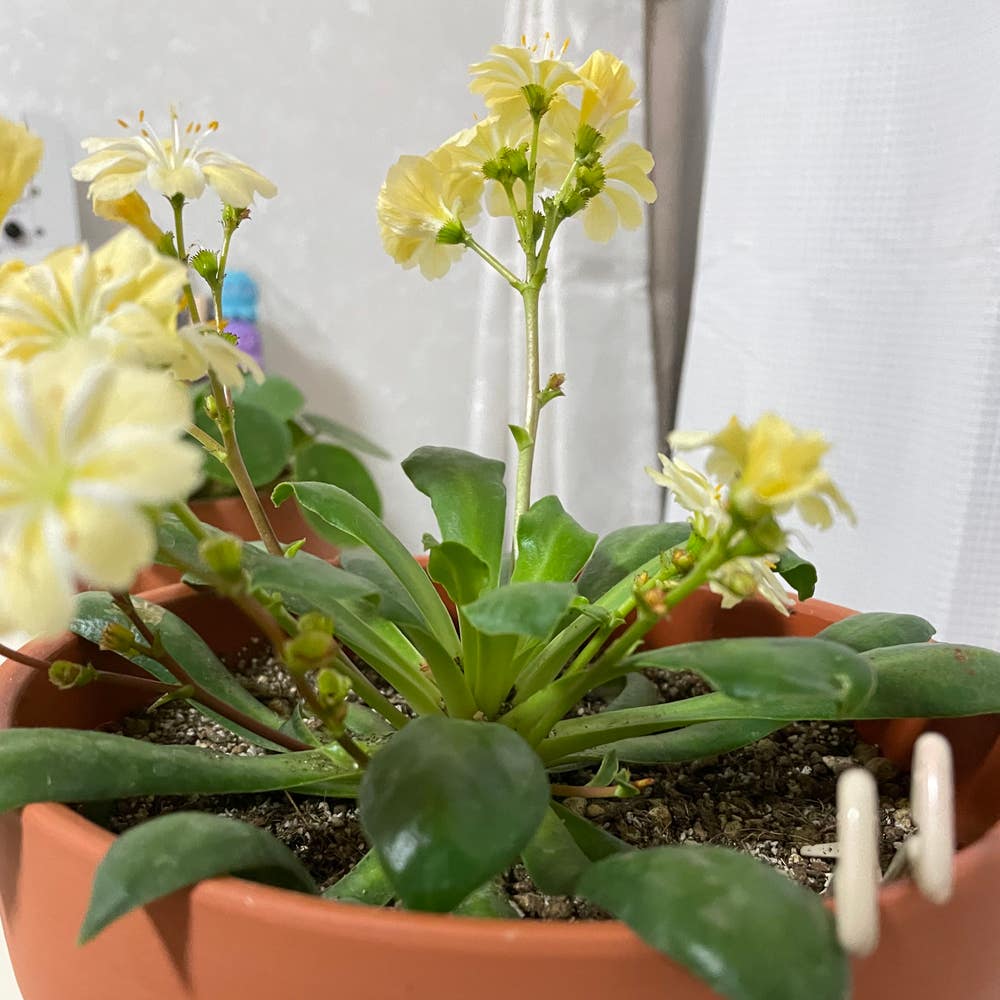
As your Lewisia matures, you'll need to upgrade to a container that is 8-12 inches in diameter. This size accommodates the growing root system and provides ample space for the plant to flourish.
For larger varieties, consider even bigger pots to ensure they have enough room to expand. Remember, allowing space for root growth is essential for the overall health and vitality of your plants.
With the right pot sizes for each growth stage, you set the foundation for a thriving Lewisia garden. Next, let's explore the ideal pot materials that will complement your potting choices.
Ideal Pot Materials
Choosing the right pot material is crucial for the health of your Lewisia plants. Each material has its own set of benefits and drawbacks that can impact growth and care.
🏺 Clay Pots
Clay pots are a popular choice for many gardeners. Their breathability allows air to circulate around the roots, promoting healthy growth.
However, they come with some downsides. Clay pots are heavier than other options and can crack in freezing temperatures, which may pose a risk in colder climates.
🥤 Plastic Pots
Plastic pots offer a lightweight and versatile alternative. They retain moisture longer, making them ideal for those who may forget to water regularly.
On the flip side, plastic pots are less breathable. This can lead to root rot if drainage is not adequately managed, so always check for proper drainage features.
🌱 Other Materials
Ceramic pots are another option, known for their aesthetic appeal. While they can enhance the visual aspect of your garden, they tend to be heavy and less breathable than other materials.
Biodegradable pots are eco-friendly choices, especially for seedlings. They break down over time, enriching the soil, but may not be suitable for long-term use as they can deteriorate quickly.
In summary, selecting the right pot material for your Lewisia involves weighing the pros and cons of each option. Consider your specific gardening conditions and the needs of your plants to make the best choice.
Next, let’s dive into the essential considerations for drainage to ensure your Lewisia thrives.
Drainage Considerations
🌊 Importance of Drainage Holes
Drainage holes are essential for preventing water accumulation in pots. They allow excess water to escape, which is crucial for maintaining healthy roots.
For optimal drainage, aim for at least three to four holes, each about half an inch in diameter. Without adequate drainage, plants can suffer from root rot and other health issues.
🚰 Ensuring Proper Drainage
When selecting pots, prioritize those with built-in drainage features. This simple choice can save you from future headaches related to overwatering.
Consider adding a drainage layer at the bottom of the pot, using materials like gravel or perlite. This layer helps facilitate water flow and keeps the roots from sitting in soggy soil.
To ensure your drainage system is effective, regularly check for water pooling at the bottom of the pot. Adjust your watering habits if you notice water accumulating, as this can indicate poor drainage.
By focusing on proper drainage, you set your Lewisia up for success, allowing it to thrive in its new environment. Next, let’s explore the signs that indicate it’s time to repot your plant.
Repotting Lewisia
Signs That It's Time to Repot 🌱
Recognizing when to repot your Lewisia is crucial for its health. Look for root-bound symptoms, such as roots growing out of the drainage holes, which indicate that your plant is cramped.
Stunted growth or yellowing leaves can also signal that it's time for a new pot. Regularly assess your plant, especially during its active growing season, to determine if repotting is necessary.
Step-by-Step Guide to Repotting 🛠️
Repotting Lewisia can be straightforward if you follow these steps:
- Gather necessary materials: You'll need a new pot, fresh potting soil, and some basic tools.
- Remove Lewisia from the current pot: Do this carefully to avoid damaging the roots.
- Inspect roots for damage or rot: Trim any unhealthy roots to promote better growth.
- Place Lewisia in the new pot: Fill around the plant with potting soil, ensuring it’s secure.
- Water thoroughly: Allow excess water to drain to prevent root rot.
Choosing the Right Pot When Repotting 🪴
Selecting the right pot is essential for your Lewisia's continued growth. Consider factors like size, material, and drainage capabilities to ensure your plant thrives.
Choose a pot that accommodates growth without being excessively large. Transitioning from smaller to larger pots can help your Lewisia flourish, so keep an eye on its development and adjust as needed.
With these insights, you can confidently repot your Lewisia, ensuring it has the space and resources to thrive. Next, let’s explore seasonal considerations for potting, which can further enhance your plant care strategy.
Seasonal Considerations for Potting
Best Time of Year to Repot 🌱
Spring and early summer are the ideal seasons for repotting Lewisia. During these times, the plant is actively growing, making it more resilient to the stress of being moved.
Seasonal growth patterns significantly influence when to repot. As temperatures rise and daylight increases, your Lewisia will thrive, so it's the perfect opportunity to give it a new home.
Watch for signs of seasonal stress, such as wilting or yellowing leaves, which may indicate that your plant needs a larger pot. These symptoms can be a clear signal that it’s time to assess its growing conditions.
Seasonal Growth Patterns and Potting Needs 🍂
Understanding the growth cycles of Lewisia helps you choose the right pot. In spring, the plant is focused on growth, while in fall, it may slow down, indicating a need for different potting practices.
Adjust your potting techniques based on seasonal changes. For instance, during the active growth phase, ensure your potting mix retains moisture, while in cooler months, allow for more drainage to prevent root rot.
Monitoring moisture levels is crucial throughout the seasons. In spring and summer, your Lewisia will require more frequent watering, while in fall and winter, you should reduce watering to match its slower growth rate.
With these seasonal considerations in mind, you can ensure your Lewisia remains healthy and vibrant all year round. Next, let’s explore the signs that indicate it’s time to repot your plant.
⚠️ Safety First
This content is for general information and may contain errors, omissions, or outdated details. It is not medical, veterinary advice, or an endorsement of therapeutic claims.
Always consult a qualified healthcare professional before using any plant as food, medicine, or supplement.
Never eat any plant (or feed one to pets) without confirming its identity with at least two trusted sources.
If you suspect poisoning, call Poison Control (800) 222-1222, the Pet Poison Helpline (800) 213-6680, or your local emergency service immediately.
Spotted an error? Please report it here.
Ensure your Lewisia thrives with smart potting choices 🌿 and let Greg guide you with tailored care reminders to keep your plants flourishing!