Ultimate Guide to Pruning Lewisia ✂️
Lewisia cotyledon
By the Greg Editorial Team
Nov 08, 2024•5 min read
This article was created with the help of AI so we can cover more plants for you. May contain errors. See one? Report it here.
Transform your Lewisia into a thriving beauty 🌱 with expert pruning tips for year-round vibrancy!
- 🌸 Prune Lewisia in late spring after flowering for optimal results.
- ✂️ Signs to prune include faded flowers, leggy growth, and damaged leaves.
- 🛠️ Essential tools for pruning are shears, trowel, and gloves for effective care.
When to Prune
Best Seasons for Pruning 🌸
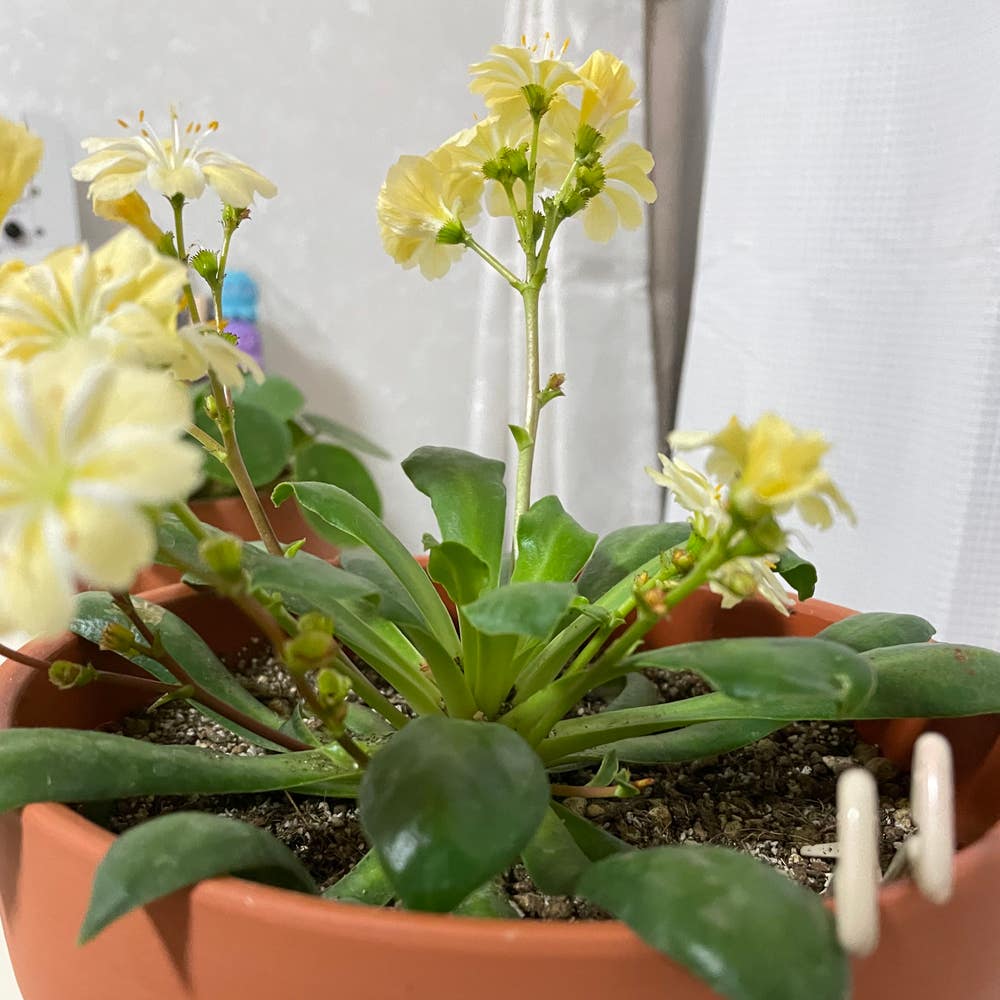
Timing is everything when it comes to pruning Lewisia. The ideal time to prune is late spring, specifically after the flowering period, which typically falls between May and June. This is when the plant has finished its blooming cycle and is ready for a refresh.
A secondary pruning session in early fall is also beneficial. This prepares the plant for winter dormancy, ensuring it enters the colder months in the best possible shape.
Signs That Indicate It's Time to Prune ✂️
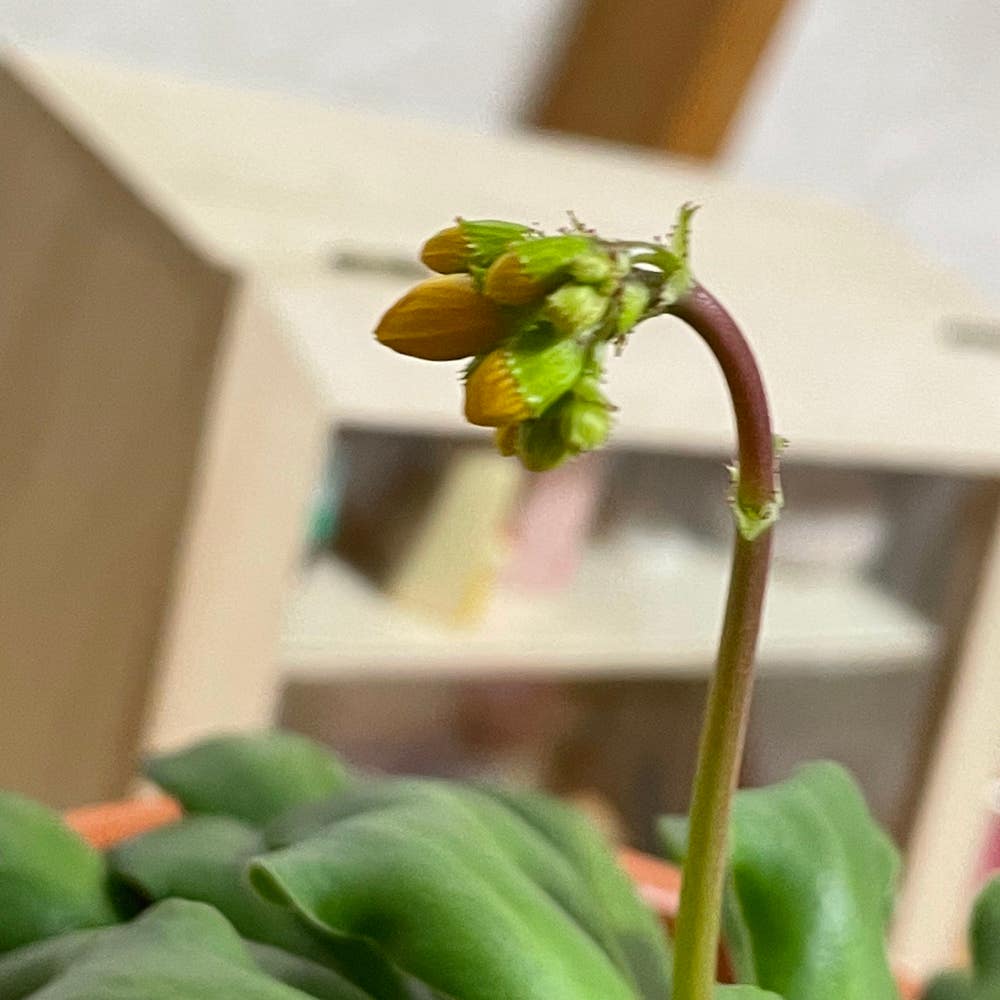
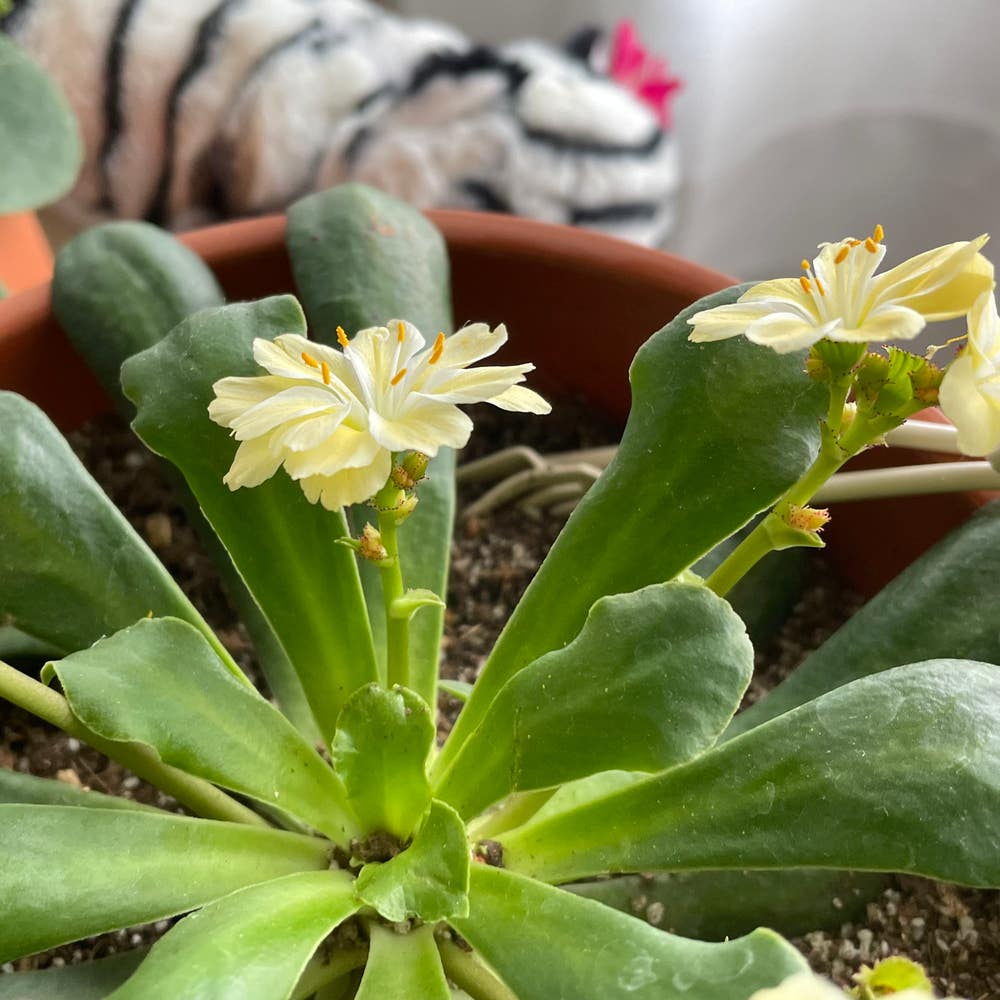
Knowing when to prune is just as crucial as knowing how. Look for faded or wilted flowers, which signal the end of the blooming cycle. These spent blooms are prime candidates for removal.
An overgrown or leggy appearance is another clear indicator that your Lewisia needs attention. This suggests that the plant is stretching for light and requires shaping to maintain its health and aesthetics.
Lastly, keep an eye out for dead or damaged leaves. These areas should be removed to promote overall plant vigor and prevent potential disease spread.
With these signs in mind, you can confidently approach your pruning tasks, ensuring your Lewisia remains vibrant and healthy. Next, let’s dive into the practical steps for how to prune effectively.
How to Prune
🌱 Step-by-Step Instructions
Pruning Lewisia is a straightforward process that can significantly enhance its health and appearance. Start by assessing the plant to identify areas that need attention, such as dead flowers or leggy stems.
Next, prepare your tools. Ensure that all your pruning shears are clean and sharp to make precise cuts.
Once you're ready, remove any dead flowers by cutting back to the base of the flower stem. This not only tidies up the plant but also encourages new growth.
For leggy growth, trim back to healthy leaves or rosettes. This helps maintain a compact shape and promotes a bushier appearance.
Finally, shape the plant by lightly trimming to maintain your desired form. This step is crucial for keeping your Lewisia looking its best.
🛠️ Tools Needed
To effectively prune your Lewisia, you'll need a few essential tools:
- Pruning shears: These are vital for making clean cuts on stems and leaves.
- Hand trowel: Useful for any necessary soil adjustments during the pruning process.
- Gloves: Protect your hands from sharp leaves while you work.
✂️ Techniques for Shaping and Maintaining Aesthetics
In addition to basic pruning, there are techniques to enhance your plant's aesthetics:
- Thinning: Remove some stems to improve air circulation, which can help prevent disease.
- Pinching: This technique allows for minor adjustments and encourages bushier growth.
- Avoiding excessive cutting: It's essential to maintain a balance to prevent stressing the plant. Over-pruning can lead to unwanted issues.
By following these steps and using the right tools, you'll ensure your Lewisia thrives and remains visually appealing. Ready to learn about the importance of deadheading? Let's dive into that next!
Common Pruning Mistakes
🚫 Mistakes to Avoid
Pruning can be a delicate process, and several common mistakes can hinder your Lewisia's health.
- Over-pruning: Cutting away too much foliage can stress the plant, leading to poor growth or even death.
- Pruning at the wrong time: If you prune during active growth, you might hinder flowering and overall vitality.
- Neglecting tool hygiene: Using dirty tools can introduce diseases, jeopardizing your plant's health.
🔧 How to Correct Errors
If you find yourself in the unfortunate position of having over-pruned, don’t panic.
- Allow the plant to recover: Provide optimal care, including adequate water and nutrients, to help it bounce back.
- If pruned at the wrong time: Keep an eye on new growth and adjust your pruning schedule for the future.
- Clean tools immediately after use: This simple step prevents cross-contamination and keeps your plants safe.
By avoiding these mistakes and correcting them when they happen, you can ensure your Lewisia thrives beautifully. Next, let’s explore how to care for your plant after pruning to support its recovery and growth.
Post-Pruning Care
Care Tips After Pruning 🌱
After pruning your Lewisia, proper care is essential for its recovery. Start by ensuring the plant is adequately hydrated; water it well, but avoid waterlogging the soil.
Next, consider light fertilization. A balanced fertilizer can support recovery and promote healthy growth as the plant rebounds from pruning.
Mulching for Moisture Retention 🌿
Applying a thin layer of mulch around the base of the plant is a smart move. This helps retain moisture and suppresses weeds, creating a more favorable environment for your Lewisia.
Monitoring Health Post-Pruning 🔍
Regular inspections are crucial after pruning. Keep an eye out for any signs of stress or disease, as early detection can make a significant difference.
Adjust your care routine based on how the plant responds. If you notice any issues, tweak your watering or fertilization practices accordingly.
Documenting Changes 📓
Finally, consider keeping a record of your pruning dates and the plant's health. This documentation can be invaluable for future reference, helping you understand what works best for your Lewisia.
With these post-pruning care tips, your Lewisia will thrive and continue to bring beauty to your garden. Next, let’s explore common pruning mistakes to avoid, ensuring your pruning efforts yield the best results.
⚠️ Safety First
This content is for general information and may contain errors, omissions, or outdated details. It is not medical, veterinary advice, or an endorsement of therapeutic claims.
Always consult a qualified healthcare professional before using any plant as food, medicine, or supplement.
Never eat any plant (or feed one to pets) without confirming its identity with at least two trusted sources.
If you suspect poisoning, call Poison Control (800) 222-1222, the Pet Poison Helpline (800) 213-6680, or your local emergency service immediately.
Spotted an error? Please report it here.
Prune your Lewisia like a pro for vibrant blooms 🌼 by using Greg's tailored reminders and expert tips to keep your plant thriving all year round!