🌸 8 Tips for Fixing Flower Problems in Cliff Maids
Lewisia cotyledon
By the Greg Editorial Team
Oct 02, 2024•5 min read
This article was created with the help of AI so we can cover more plants for you. May contain errors. See one? Report it here.
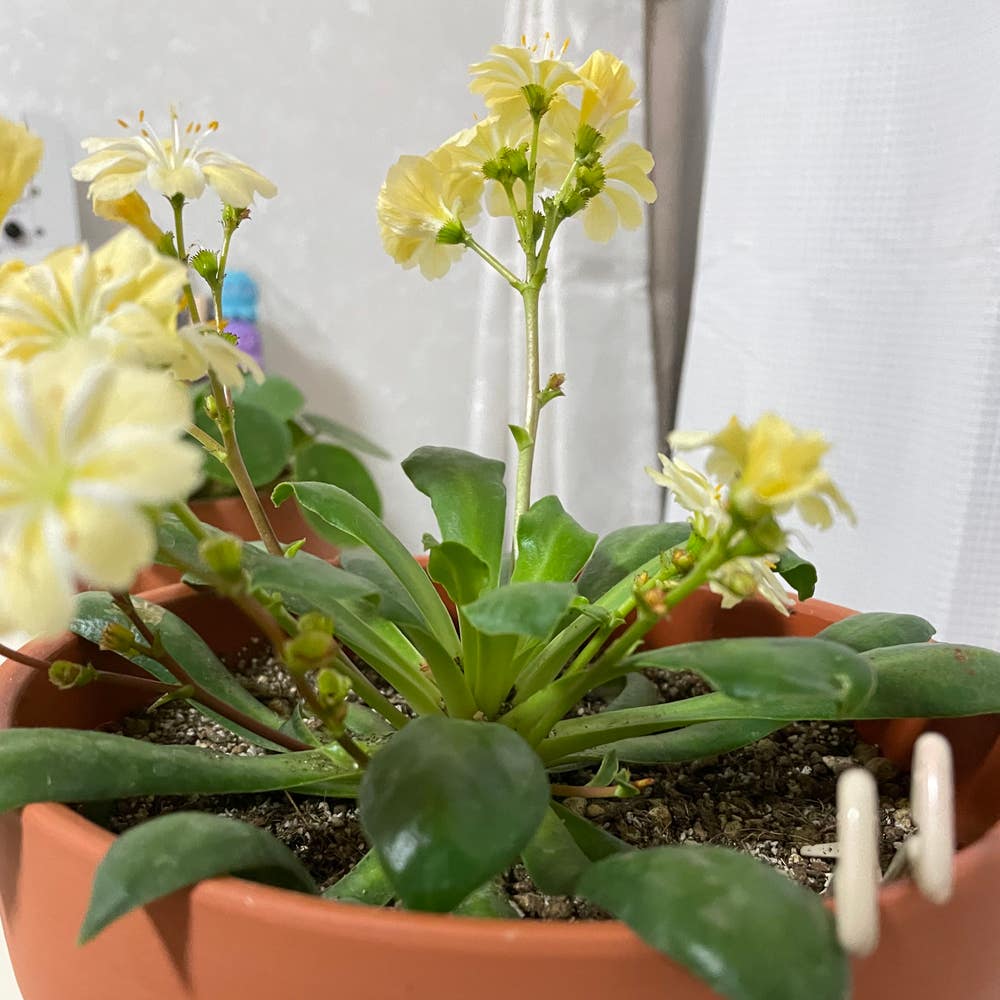
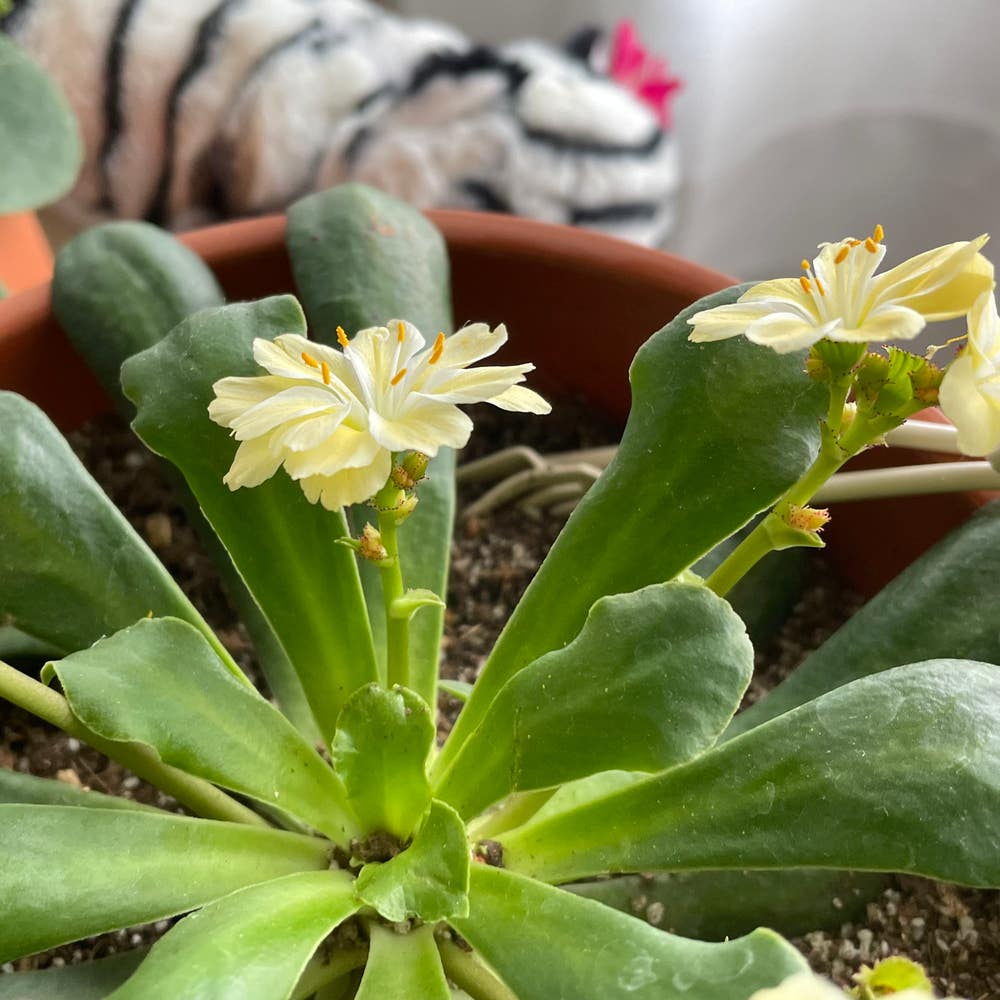
Transform your Cliff Maids into blooming beauties 🌼 with these essential care tips for vibrant growth!
- 🌞 Cliff Maids need 6-8 hours of indirect sunlight daily for optimal blooming.
- 🌱 Nutritional deficiencies, especially phosphorus and potassium, hinder flowering in Cliff Maids.
- 💧 Overwatering causes flower drop; water only when the top inch of soil is dry.
Failure to Bloom
🌞 Potential Causes
Light Requirements
Insufficient light exposure can lead to weak growth and, ultimately, failure to bloom. Ideally, Cliff Maids should receive 6-8 hours of indirect sunlight daily to thrive.
Nutritional Deficiencies
A lack of essential nutrients, particularly phosphorus and potassium, can hinder flowering. Poor soil quality may also affect nutrient availability, making it crucial to assess your plant's environment.
Environmental Stress
Temperature fluctuations and humidity levels can significantly impact the bloom cycle. Keeping your plants in a stable environment is key to encouraging vibrant flowers.
💡 Solutions
Adjusting Light Exposure
To remedy light issues, consider moving your plants to brighter locations or supplementing with grow lights. This adjustment can make a noticeable difference in their growth and blooming potential.
Fertilization
Using a balanced fertilizer with higher phosphorus content during the growing season is essential. Aim for a fertilization schedule of every 4-6 weeks to keep your plants nourished and ready to bloom.
By addressing these potential causes and implementing the suggested solutions, you can help your Cliff Maids flourish and produce beautiful flowers. Next, let’s explore the issue of premature flower drop and how to prevent it.
Premature Flower Drop
🧪 Causes
Overwatering
Overwatering is a common culprit behind premature flower drop. Look for signs like yellowing leaves and soggy soil, which indicate that your plant's roots are struggling.
Pest Infestations
Pests can also stress your flowers, leading to early drop. Aphids and spider mites are frequent offenders, leaving distorted leaves and sticky residue in their wake.
🛠️ Solutions
Proper Watering Techniques
To combat overwatering, only water when the top inch of soil feels dry. Ensure your pots have drainage holes to prevent waterlogging, which can suffocate roots.
Pest Control
Regular inspections are key to catching pests early. Use neem oil or insecticidal soap for treatment, and consider introducing beneficial insects like ladybugs for a natural pest control approach.
By addressing these issues, you can help your Cliff Maids thrive and enjoy a vibrant bloom cycle. Next, let’s explore how to tackle abnormal flower development.
Abnormal Flower Development
🌱 Causes
Nutritional Imbalances
Abnormal flower development often stems from nutritional imbalances. Excess nitrogen can lead to lush, green foliage but disappointingly few blooms.
Deficiencies in micronutrients can also affect flower quality, resulting in smaller or poorly formed flowers.
Pruning Mistakes
Pruning mistakes are another common culprit. Incorrect timing or technique can significantly reduce blooms, leaving you with less than you hoped for.
Over-pruning or under-pruning can disrupt the plant's natural growth cycle, impacting flower development negatively.
🌼 Solutions
Correct Fertilization
To address these issues, start with correct fertilization. Use a fertilizer specifically formulated for flowering plants, focusing on balanced NPK ratios to support healthy blooms.
This approach ensures your plants receive the essential nutrients they need to thrive.
Proper Pruning Methods
Proper pruning methods are equally crucial. Aim to prune after flowering to encourage new growth, allowing your plants to flourish in the next blooming cycle.
Additionally, remove any dead or damaged stems to promote healthy blooms and improve overall plant vitality.
By implementing these strategies, you can enhance your plants' flowering potential and enjoy a vibrant display.
As you refine your care techniques, remember to stay attuned to your plants' needs, setting the stage for a flourishing garden.
Pest and Disease Management
🐛 Common Pests Affecting Flowering
Identification of Pests
Pests can wreak havoc on your Cliff Maids, leading to poor flowering.
- Aphids: These small, green insects often cluster on new growth, sucking sap and weakening the plant.
- Spider Mites: Tiny and often overlooked, these pests spin webs and cause stippling on leaves, indicating stress.
🧼 Control Methods
Organic Solutions
For a gentle approach, consider using organic solutions.
- Neem Oil: This natural pesticide disrupts the life cycle of pests without harming beneficial insects.
- Insecticidal Soap: Effective against soft-bodied insects like aphids, it suffocates pests on contact.
- Horticultural Oils: These oils can smother pests and are safe for most plants.
Chemical Solutions
In cases of severe infestations, chemical solutions may be necessary.
- Systemic Insecticides: These are absorbed by the plant, providing long-lasting protection against persistent pests.
🦠 Diseases Impacting Flower Development
Common Diseases
Just like pests, diseases can hinder your plants' ability to bloom beautifully.
- Powdery Mildew: Look for white, powdery spots on leaves; this fungal infection thrives in humid conditions.
- Root Rot: Often a result of overwatering, this disease leads to wilting and can be fatal if not addressed.
🚫 Prevention and Treatment Options
Best Practices
Preventing diseases is often easier than treating them.
- Proper Watering Practices: Ensure you’re not overwatering; let the top inch of soil dry out between waterings.
- Soil Drainage: Use pots with drainage holes to avoid waterlogging, which can lead to root rot.
Treatment Strategies
If you do encounter diseases, act quickly.
- Fungicides: Apply fungicides for powdery mildew to control the spread.
- Remove Affected Parts: Cut away any infected leaves or stems to protect the rest of the plant.
By staying vigilant and proactive, you can keep your Cliff Maids healthy and thriving. Next, let’s explore how seasonal changes can affect their care and blooming cycles.
Seasonal Considerations for Flowering
🌱 Adjusting Care Based on Seasonal Changes
Understanding how seasons impact your Cliff Maids is crucial for their blooming success. Each season brings unique challenges and opportunities for growth.
🌼 How Different Seasons Affect Bloom Cycles
Spring is the time for vibrant growth and blooming. Your plants will thrive with the longer days and warmer temperatures.
Summer can introduce heat stress, which may lead to flower drop. Keeping an eye on temperature and humidity is essential during this period.
🌦️ Modifications for Seasonal Needs
Adjust your watering and fertilization schedules to align with seasonal changes. In spring, increase nutrients to support growth, while in summer, be cautious not to overwater.
Protect your plants from extreme weather conditions. Shield them from frost in early spring and provide shade during heatwaves to ensure they remain healthy and blooming.
By adapting your care routine to the seasons, you can help your Cliff Maids flourish year-round. Next, let’s explore pest and disease management to keep your plants thriving.
⚠️ Safety First
This content is for general information and may contain errors, omissions, or outdated details. It is not medical, veterinary advice, or an endorsement of therapeutic claims.
Always consult a qualified healthcare professional before using any plant as food, medicine, or supplement.
Never eat any plant (or feed one to pets) without confirming its identity with at least two trusted sources.
If you suspect poisoning, call Poison Control (800) 222-1222, the Pet Poison Helpline (800) 213-6680, or your local emergency service immediately.
Spotted an error? Please report it here.
Revitalize your Cliff Maids with these 8 tips for blooming success 🌸, and let Greg guide you with tailored care reminders and expert advice to keep your plants thriving!