3 Facts About Cliff Maids Pollination 🐝
Lewisia cotyledon
By the Greg Editorial Team
Oct 02, 2024•6 min read
This article was created with the help of AI so we can cover more plants for you. May contain errors. See one? Report it here.
Unlock the secrets of flower anatomy to boost pollination success and nurture thriving ecosystems! 🌸
- 🌼 Cliff Maids' complex flower structure ensures effective pollination and seed production.
- 🐝 Pollinators like bees and butterflies are attracted by vibrant colors and scents.
- 🌱 Cross-pollination boosts genetic diversity, enhancing resilience to environmental changes.
Flower Structure
Description of Flower Anatomy 🌸
Flowers are nature's masterpieces, designed with intricate details that serve specific purposes.
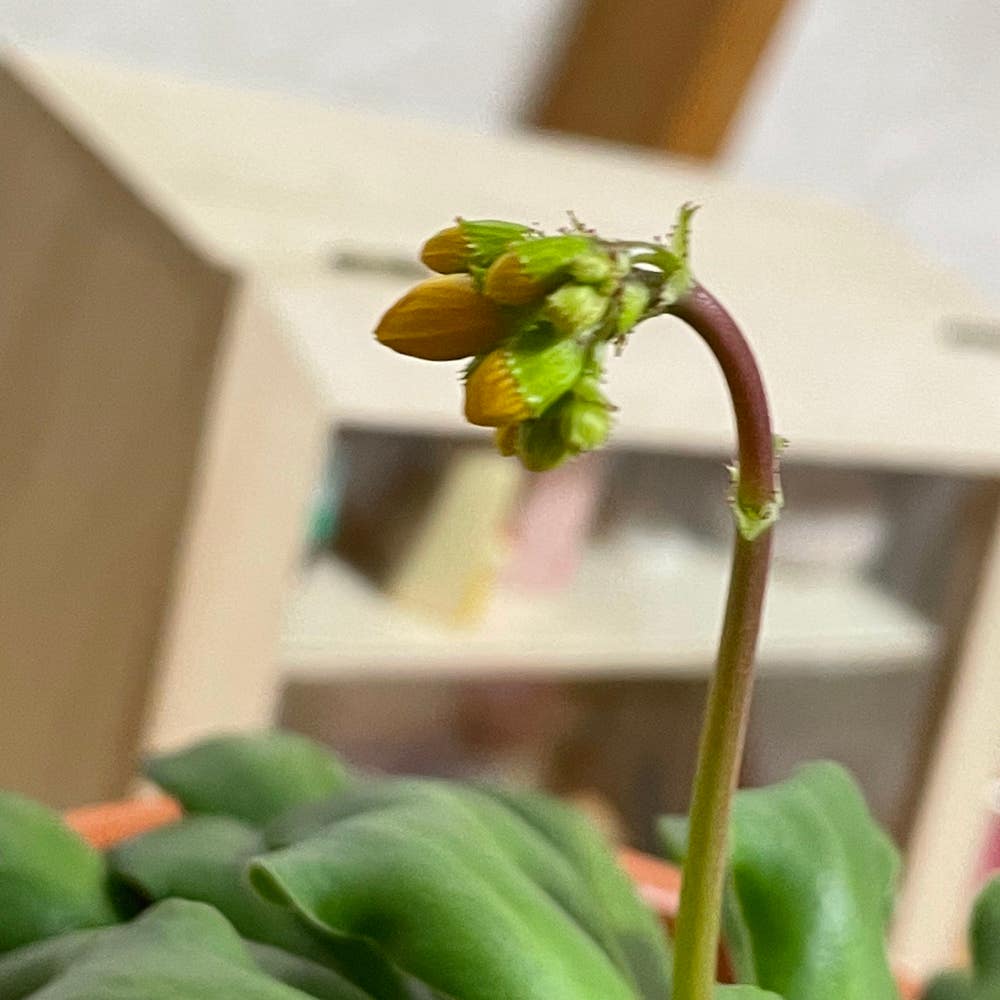
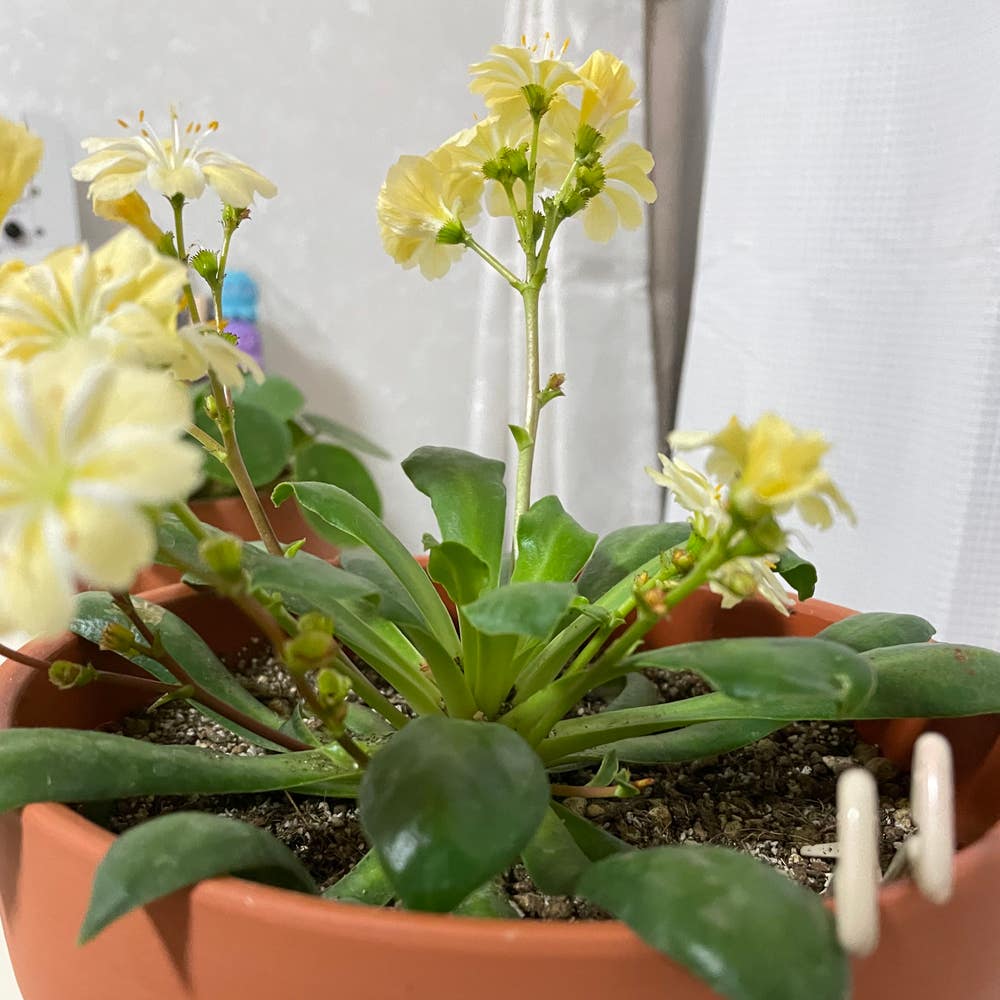
Petals are often the most eye-catching part, showcasing vibrant colors and unique shapes that attract specific pollinator species.
Sepals play a crucial role by protecting the flower bud and supporting the petals, ensuring they open safely.
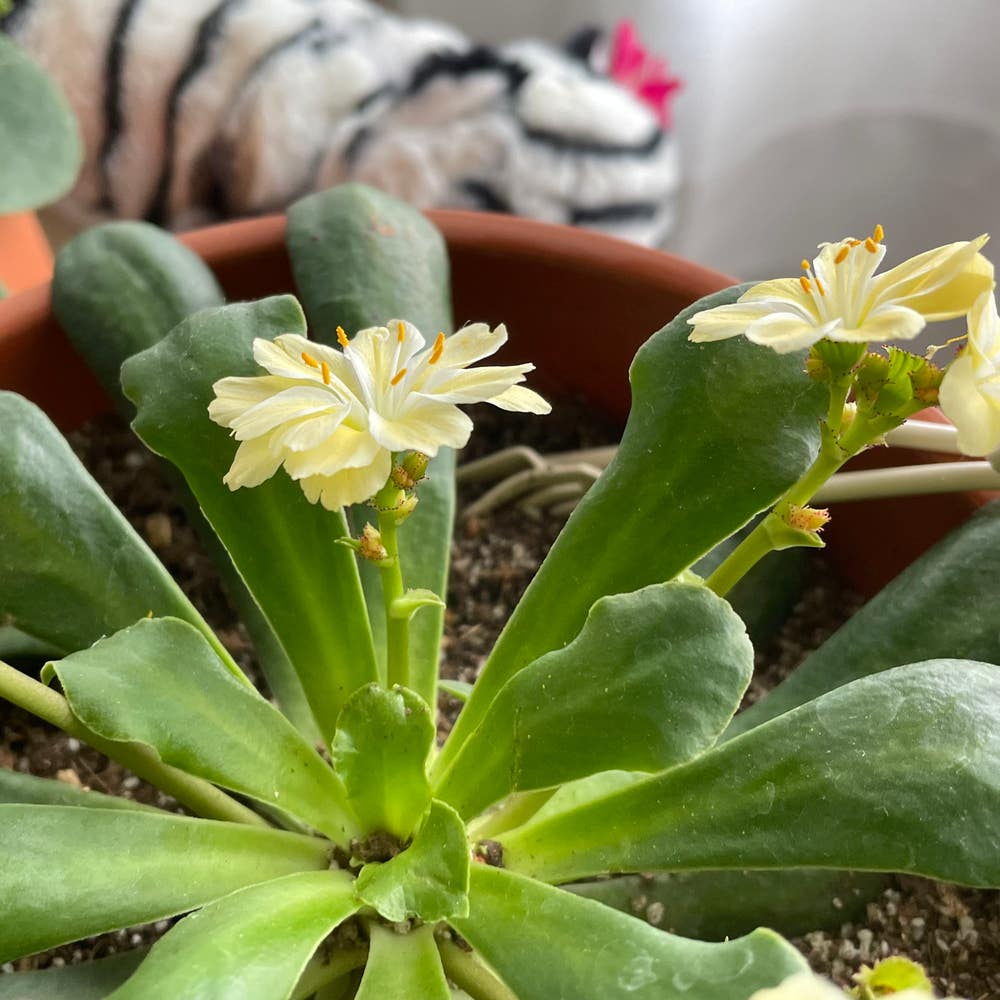
The stamens, which are the male reproductive parts, consist of anthers that produce pollen and filaments that hold them in place.
In contrast, the pistils are the female reproductive components, made up of the stigma, style, and ovary, all essential for fertilization.
How Flower Structure Facilitates Pollination 🐝
The arrangement of flower parts is cleverly designed to encourage pollen transfer.
For instance, the positioning of stamens and pistils often promotes contact with visiting pollinators.
Certain adaptations enhance self-pollination, while others attract cross-pollinators, increasing genetic diversity.
Flower color and scent are vital in this process, drawing in pollinators like bees and butterflies, who are essential for successful reproduction.
Understanding these structures not only highlights the beauty of flowers but also emphasizes their role in the ecosystem.
Next, we’ll explore the fascinating pollination process and how these flowers interact with their pollinators.
Pollination Process
🌱 Mechanisms of Self-Pollination
Cliff Maids have a fascinating ability to self-pollinate, which means they can fertilize their own flowers without needing external help. This mechanism ensures that even in the absence of pollinators, these resilient plants can reproduce effectively.
Self-pollination offers several benefits. It guarantees seed production, especially in isolated environments where pollinators might be scarce. This adaptability is crucial for the survival of Cliff Maids in varying conditions.
🐝 Role of Cross-Pollination and Primary Pollinators
While self-pollination is beneficial, cross-pollination plays a vital role in the reproductive success of Cliff Maids. Primary pollinators, such as bees, butterflies, and moths, are attracted to these flowers through vibrant colors and enticing scents.
These visual and olfactory cues are not just for show; they are essential for drawing in pollinators. The interaction between Cliff Maids and their pollinators enhances genetic diversity, making the plant populations more resilient to environmental changes.
Cross-pollination contributes to a healthier ecosystem, ensuring that Cliff Maids can thrive alongside other species. This interconnectedness highlights the importance of maintaining diverse habitats for both plants and their pollinators.
As we delve deeper into the natural mechanisms of pollination, we’ll explore how pollen transfer occurs in the wild and its significance for plant health and diversity.
Natural Pollination
🌬️ Pollen Transfer Mechanisms
Pollen transfer in Cliff Maids occurs primarily through two natural mechanisms: wind and insect activity. Wind can carry lightweight pollen grains over distances, while insects, particularly bees and butterflies, play a crucial role by physically transferring pollen from one flower to another as they forage for nectar.
Environmental factors significantly influence the success of pollen transfer. Temperature and humidity levels can affect pollen viability and the activity of pollinators. For instance, warmer temperatures often lead to increased insect activity, enhancing the chances of effective pollination.
🌼 Importance of Pollination for Reproduction and Genetic Diversity
Pollination is vital for seed production and overall plant health in Cliff Maids. Successful pollination leads to the formation of seeds, which are essential for the next generation of plants.
Moreover, genetic diversity resulting from cross-pollination strengthens Cliff Maids populations. A diverse gene pool enhances resilience against diseases and environmental changes, ensuring the long-term survival of these beautiful plants.
As we explore the next section, we'll delve into the intricacies of hand pollination and how it can support these natural processes.
Hand Pollination
Step-by-Step Instructions for Hand Pollination 🌼
Hand pollination can be a rewarding way to ensure the reproduction of Cliff Maids. Follow these simple steps to get started:
- Identify Male and Female Flower Parts: Look for the stamens, which are the male parts, and the pistils, the female parts.
- Collect Pollen: Use a small brush or cotton swab to gently gather pollen from the anthers.
- Transfer Pollen: Carefully place the collected pollen onto the stigma of the female flower.
- Timing is Key: Perform this process during peak flowering periods for the best results.
Identifying Male and Female Flower Parts 🔍
Recognizing the male and female parts of the flower is crucial for successful hand pollination.
- Stamens: These are typically slender and elongated, often with a noticeable anther at the tip.
- Pistils: Look for a thicker structure that may have a sticky stigma at the top.
To distinguish between male and female flowers, observe their shapes and positions. Male flowers usually appear in clusters, while female flowers are often solitary and more robust.
With these tips in hand, you're well-equipped to assist in the pollination process. This not only boosts plant reproduction but also enhances your connection to nature.
Next, let’s explore how to create a pollinator-friendly environment that supports these beautiful plants.
Supporting Pollinators
🌼 Creating a Pollinator-Friendly Environment
Designing a garden that attracts pollinators is both rewarding and essential. Start by incorporating a variety of native plants, as they are specifically adapted to local pollinators.
Diverse flower types not only provide visual appeal but also ensure a continuous bloom throughout the seasons. This variety helps sustain pollinators by offering food sources when they need it most.
🌸 Companion Plants to Attract Pollinators
Companion planting can significantly enhance pollination success. Consider adding flowers like lavender, coneflower, and bee balm, which are known to attract bees and butterflies.
These plants not only draw in pollinators but also provide additional resources, such as nectar and pollen. By creating a rich ecosystem, you support the health and vitality of your garden while fostering a thriving pollinator community.
Incorporating these strategies will not only beautify your space but also contribute to the ecological balance. Next, let’s explore the challenges pollinators face and how we can help overcome them.
Pollination Challenges
🌪️ Common Obstacles to Successful Pollination
Pollination can be hindered by various environmental factors. Temperature fluctuations and humidity levels can significantly affect pollen viability and transfer efficiency.
Additionally, the decline in pollinator species poses a serious challenge. Habitat loss and pesticide use have led to fewer bees, butterflies, and other essential pollinators, making it harder for plants like Cliff Maids to reproduce effectively.
🛠️ Solutions for Overcoming Pollination Challenges
Improving pollination success starts with creating a conducive environment. Consider planting a diverse range of flowers that bloom at different times to attract various pollinators throughout the growing season.
Maintaining a healthy ecosystem is crucial. Avoiding pesticides and promoting native plants can help sustain local pollinator populations, ensuring that your garden remains vibrant and productive.
By addressing these challenges, you can enhance the pollination process and support the resilience of Cliff Maids and other flowering plants. This proactive approach not only benefits your garden but also contributes to the broader ecological balance.
⚠️ Safety First
This content is for general information and may contain errors, omissions, or outdated details. It is not medical, veterinary advice, or an endorsement of therapeutic claims.
Always consult a qualified healthcare professional before using any plant as food, medicine, or supplement.
Never eat any plant (or feed one to pets) without confirming its identity with at least two trusted sources.
If you suspect poisoning, call Poison Control (800) 222-1222, the Pet Poison Helpline (800) 213-6680, or your local emergency service immediately.
Spotted an error? Please report it here.
Unlock the secrets of Cliff Maids' pollination 🌸 and let Greg guide you with tailored tips to attract pollinators and boost your plant's health!