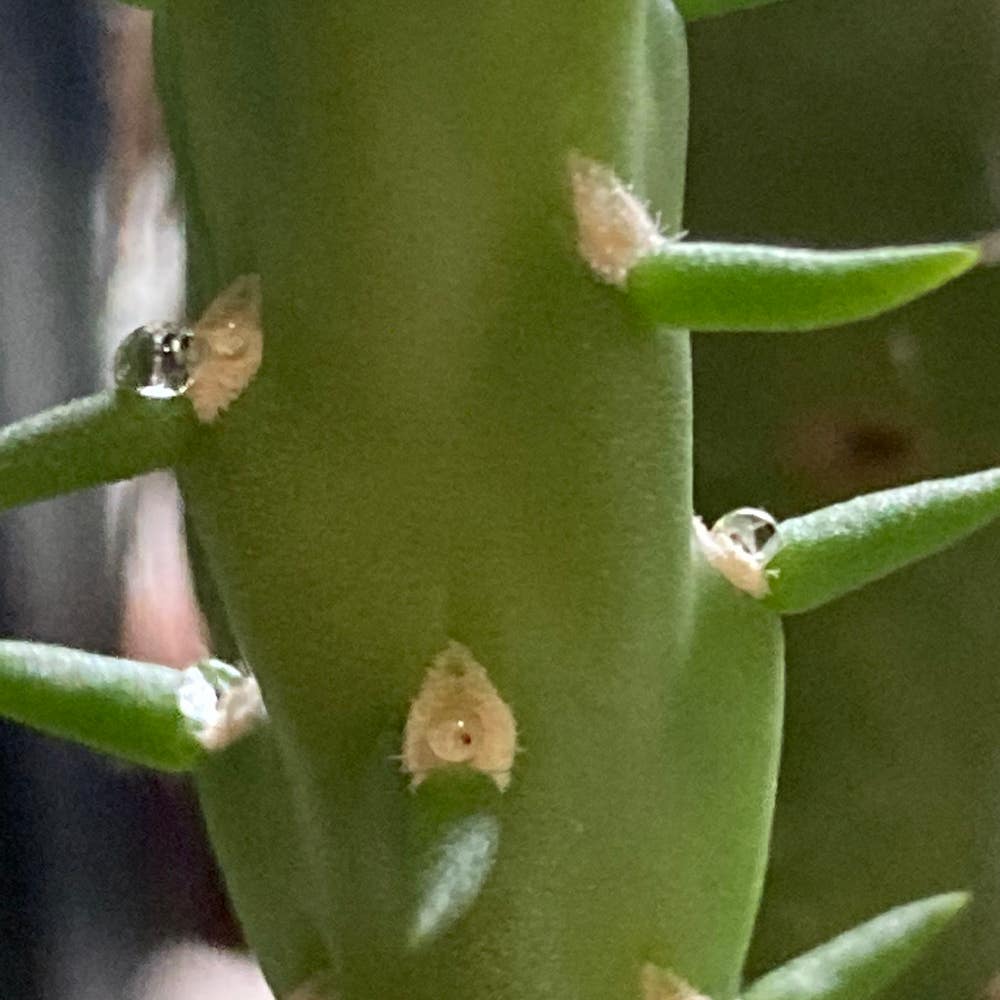
🌵 4 Ideal Locations to Plant Cane Cholla
Cylindropuntia imbricata
By the Greg Editorial Team
Oct 02, 2024•4 min read
This article was created with the help of AI so we can cover more plants for you. May contain errors. See one? Report it here.
Cultivate a vibrant Cane Cholla garden 🌵 by mastering sunlight, soil, and spacing for optimal growth!
- ☀️ Cane Cholla needs 6-8 hours of direct sunlight for optimal growth.
- 🌱 Well-drained, sandy soil is essential; avoid heavy clay to prevent root rot.
- 🌬️ Wind protection and spacing are crucial for healthy Cane Cholla development.
Sunlight Exposure Requirements
Full Sun Necessity 🌞
Cane Cholla thrives in full sun, needing at least 6-8 hours of direct sunlight daily. This exposure is crucial for optimal growth and vibrant flowering.
Effects of Shade 🌳
Cane Cholla is sensitive to shade; too much can stunt growth and reduce flowering. To ensure healthy plants, choose locations free from overhead obstructions like trees or buildings.
By prioritizing sunlight, you set the stage for a flourishing Cane Cholla garden. Next, let’s explore the ideal soil conditions that will further enhance its growth.
Soil Type Preferences
Ideal Soil Conditions 🌱
Cane Cholla flourishes in sandy or rocky soil, which ensures excellent drainage. Aim for a soil pH that is slightly acidic to neutral, ideally between 6.0 and 7.0, to promote healthy growth.
Soil Preparation Tips 🛠️
To enhance drainage, consider incorporating coarse sand or gravel into your planting area. Steer clear of heavy clay soils, as they retain moisture and can lead to root rot, jeopardizing your Cane Cholla's health.
By understanding these soil preferences, you can create an optimal environment for your Cane Cholla to thrive. Next, let’s explore how to assess the best planting spot, ensuring your cactus gets the sunlight it craves.
Proximity to Other Plants or Structures
🌱 Spacing Considerations
When planting Cane Cholla, it's crucial to maintain a distance of 3-5 feet from other plants. This spacing helps prevent competition for nutrients and water, allowing your cactus to thrive.
🏠 Planting Near Structures
Planting Cane Cholla near walls or fences can offer added warmth and protection. However, be mindful of potential shadowing from these structures, as too much shade can hinder growth and flowering.
Ensuring the right proximity to other plants and structures will set your Cane Cholla up for success. Next, let’s explore how to assess the best spot for your cactus by evaluating sunlight and shade.
Assessing the Best Spot
🌞 Evaluating Sunlight and Shade
To find the perfect spot for your Cane Cholla, assessing sunlight exposure is crucial. Use sunlight meters or simply observe how light shifts throughout the day.
🌱 Analyzing Soil Conditions
Conducting a soil test can reveal important information about drainage and nutrient levels. Look for signs of poor soil conditions, such as water pooling or compacted soil, which can hinder growth.
🌤️ Considering Microclimates
Microclimates can significantly impact your Cane Cholla's health. Identify areas in your garden that may be warmer or cooler than their surroundings, and consider using walls or slopes to create favorable conditions.
By carefully evaluating these factors, you can ensure your Cane Cholla thrives in its new home. Next, let’s explore environmental considerations that will further enhance your planting strategy.
Environmental Considerations
🌬️ Wind Protection Strategies
Wind can be a silent enemy for young Cane Cholla plants. To shield them, consider using barriers like fences or shrubs, which can significantly reduce wind stress.
Aim for windbreaks that are at least 3-4 feet tall. This height provides sufficient coverage while allowing sunlight to reach your plants.
🚰 Drainage Needs
Proper drainage is crucial for Cane Cholla's health. Elevating planting beds or using raised planters can help ensure that excess water drains away effectively.
Watch for signs of inadequate drainage, such as yellowing leaves or wilting, even when you’ve watered adequately. These symptoms indicate that your plants may be struggling with too much moisture.
🍂 Seasonal Changes and Their Impact
Seasonal changes can dramatically affect sun exposure and temperature. Understanding these shifts helps you make informed decisions about where to plant your Cane Cholla.
Be prepared to adjust planting locations based on seasonal weather patterns. This flexibility can enhance your plants' growth and resilience throughout the year.
By considering wind protection, drainage needs, and seasonal changes, you can create an ideal environment for your Cane Cholla. Next, let’s explore how to assess the best spot for planting these resilient cacti.
⚠️ Safety First
This content is for general information and may contain errors, omissions, or outdated details. It is not medical, veterinary advice, or an endorsement of therapeutic claims.
Always consult a qualified healthcare professional before using any plant as food, medicine, or supplement.
Never eat any plant (or feed one to pets) without confirming its identity with at least two trusted sources.
If you suspect poisoning, call Poison Control (800) 222-1222, the Pet Poison Helpline (800) 213-6680, or your local emergency service immediately.
Spotted an error? Please report it here.
Create the perfect home for your Cane Cholla 🌵 by using Greg's tailored care tips and reminders to ensure it thrives in optimal conditions!